
Blocked Fallopian Tubes: Is It The End Of The Motherhood Dream?

Manar Hegazy

Majd Eddin Khaled
Blocked fallopian tubes are one of the common causes of delayed pregnancy and infertility. The fallopian tubes are not just simple passages; they are where the egg and sperm usually meet, and where early fertilization begins before the embryo moves into the uterus. When one or both tubes are blocked, natural pregnancy chances may decrease depending on the location and severity of the blockage.
However, blocked tubes do not always mean the end of motherhood. Some women can still conceive naturally if one tube is open and healthy. Others may benefit from selected tubal surgery. In cases of both tubes being blocked, severe tubal damage, or hydrosalpinx, IVF may offer a clearer path. At Fertiliv, the plan is based on full evaluation, not fear.
What Is The Role Of The Fallopian Tubes?
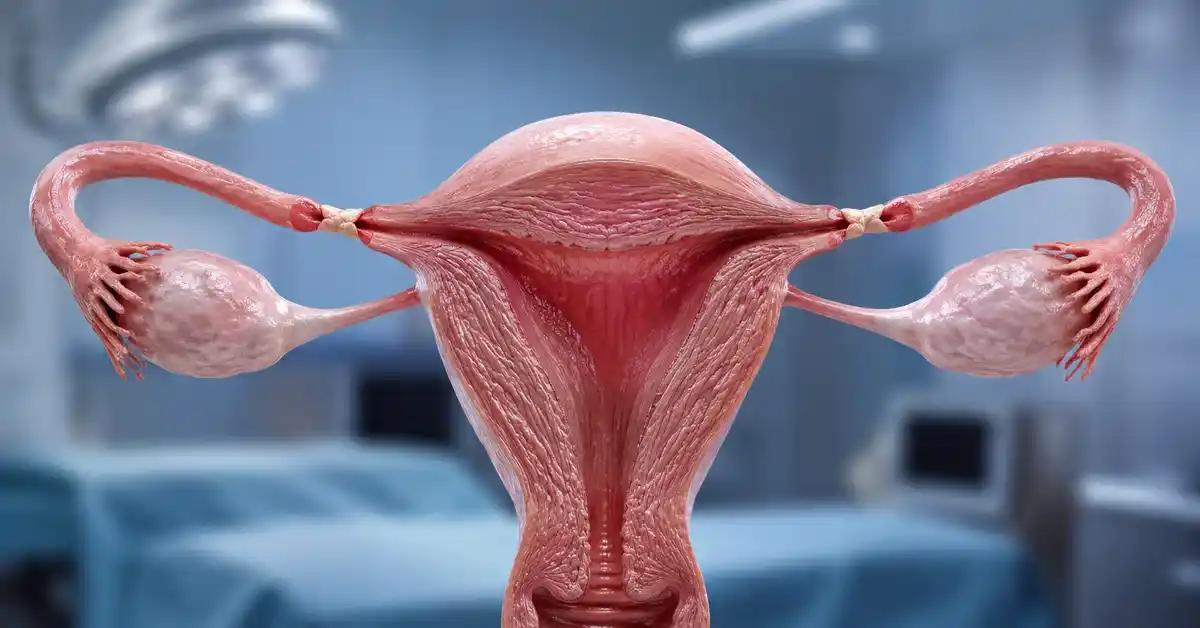
The fallopian tubes connect the ovaries to the uterus. After ovulation, the tube helps pick up the egg. Sperm travel through the uterus toward the tube, and fertilization often happens there. Then the early embryo travels back into the uterus for implantation.
When the tube is open and functional, this process can happen naturally. If one tube is blocked but the other is healthy, natural pregnancy may still be possible. If both tubes are blocked, the egg and sperm may not be able to meet naturally, making treatment or IVF more relevant.
What Does Tubal Blockage Mean?
Tubal blockage means that the tube does not allow normal passage of the egg, sperm, or embryo. The blockage may be close to the uterus, in the middle of the tube, or near the ovary. Treatment options differ depending on where the blockage is located.
Not every blocked tube finding has the same meaning. Sometimes HSG may show a possible blockage because of temporary tubal spasm. This is why the result should be interpreted with medical history, ultrasound findings, and the rest of the fertility evaluation.
Does Blockage Always Prevent Pregnancy?
No, blockage does not always prevent pregnancy if only one tube is affected and the other tube is open and functional. Some blockages may also be partial or potentially treatable depending on the location.
If both tubes are blocked, natural pregnancy becomes much less likely. In this situation, IVF can bypass the tubes by fertilizing eggs in the laboratory and transferring embryos directly into the uterus.
Read about: Weak Ovulation: A Clear Guide to Diagnosis and Treatment Options
Causes Of Tubal Blockage
Causes of tubal blockage include previous pelvic infections, untreated sexually transmitted infections, pelvic inflammatory disease, endometriosis, previous abdominal or pelvic surgery, adhesions, and previous ectopic pregnancy. Sometimes a woman does not know that her tubes are affected until fertility testing is done.
Surgery for ovarian cysts, appendix surgery, pelvic surgery, or previous ectopic pregnancy treatment may also affect the tubes. Silent infections can damage the tubes without obvious symptoms. This is why Fertiliv reviews the full medical history before recommending a plan.
Pelvic Infections And Adhesions
Pelvic infections may cause scarring inside or around the fallopian tubes. This scarring can reduce the tube’s ability to pick up the egg or move the embryo. Adhesions can also pull the tube out of its natural position even if the inside is not fully blocked.
Adhesions may occur with endometriosis or after surgery. Surgery may help in selected mild cases, especially when age and ovarian reserve are favorable. If tubal damage is severe, IVF may be more effective than trying to repair the tubes.
Previous Ectopic Pregnancy
A previous ectopic pregnancy may indicate that the tube was already damaged, or it may leave damage after treatment or surgery. If one tube has been removed, natural pregnancy may still be possible if the other tube is healthy.
If ectopic pregnancy has happened more than once, or if the remaining tube is damaged, IVF may be discussed earlier. The aim is not only to bypass the tubes, but also to reduce the risk of another painful and potentially dangerous experience.
Read about: Endometriosis And Pregnancy: Is Natural Conception Possible Or Is IVF Necessary?
Symptoms Of Blocked Fallopian Tubes
Blocked fallopian tubes often cause no clear symptoms. Many women only discover the problem during fertility evaluation. There may be no pain, no cycle changes, and no obvious warning signs. Delayed pregnancy may be the first sign.
Sometimes symptoms are related to the cause of the blockage. Chronic pelvic pain, painful periods, pain during intercourse, unusual discharge, or a history of repeated infections may suggest pelvic disease. Hydrosalpinx, a tube filled with fluid, may sometimes cause pelvic discomfort or be seen on ultrasound.
Is Delayed Pregnancy The Only Symptom?
In many women, yes. Delayed pregnancy can be the only sign of blocked tubes. A woman may ovulate regularly every month, but if the tubes are blocked, sperm and egg cannot meet naturally.
This is why tubal evaluation becomes important when pregnancy is delayed, especially if other tests look normal. Confirming ovulation alone is not enough if the fallopian tubes have not been assessed.
When Should The Tubes Be Tested?
Tubal testing may be recommended when pregnancy is delayed, especially with a history of pelvic infection, ectopic pregnancy, pelvic surgery, endometriosis, or unexplained infertility. It may also be requested before certain treatments to decide whether natural trying or intrauterine insemination makes sense.
At Fertiliv in Turkey, tubal testing is recommended according to the medical history and treatment plan. It is not requested randomly. If the couple is already moving to IVF for a strong male factor, the role of tubal testing may be different.
Read about: Uterine Fibroids And Fertility: When Do They Affect Pregnancy And How Are They Treated?
Diagnosing Blocked Fallopian Tubes
Diagnosing blocked fallopian tubes often starts with an HSG test, also called a hysterosalpingogram. Dye is introduced into the uterus, and imaging shows whether it passes through the tubes into the pelvis. If the dye passes, the tubes are usually open. If it stops, blockage or spasm may be suspected.
Other tests may be needed in selected cases, such as saline ultrasound or laparoscopy, especially if adhesions or endometriosis are suspected. The goal is not only to know whether the tube is open, but also whether the tube is healthy enough for natural pregnancy.
HSG Test For Tubes
HSG is a common test in fertility evaluation. It may cause temporary cramps or discomfort, but it provides useful information about the uterus and tubes. Sometimes it suggests blockage near the uterus, which may be true blockage or temporary spasm.
For this reason, the doctor should interpret the result carefully. If the finding is uncertain, further evaluation may be needed before surgery or IVF is chosen.
Laparoscopy And Ultrasound
Laparoscopy can evaluate the tubes from the outside, identify adhesions, endometriosis, or damage near the fimbrial end of the tube. In selected cases, adhesions may be treated during the same procedure.
Ultrasound may detect hydrosalpinx or indirect signs of pelvic disease, but it does not always confirm whether the tubes are open. The right test depends on the patient’s history, symptoms, and fertility plan.

Pregnancy With One Blocked Tube
Pregnancy with one blocked tube may be possible if the other tube is open and functional. Regular ovulation, normal semen analysis, healthy uterus, and age all influence the chance. In some cases, the doctor may suggest timed natural trying for a defined period.
However, waiting should not be unlimited. If the woman is over 35, ovarian reserve is low, infertility has lasted long, or other factors exist, a faster treatment plan may be better. Fertiliv balances natural chances with the importance of time.
Is One Healthy Tube Enough?
One healthy tube may be enough for natural pregnancy, but it does not guarantee pregnancy. Ovulation may occur from either ovary, and the chance can vary from month to month. Sperm quality, egg quality, uterine health, and age also matter.
If pregnancy does not happen despite one open tube, the couple should be reassessed. There may be another factor such as ovulation problems, male factor infertility, or uterine issues.
When Is Waiting Not Recommended?
Long waiting may not be recommended if the open tube is also suspicious, if hydrosalpinx is present, if age is advanced, or if ovarian reserve is low. A significant male factor may also reduce the value of waiting.
In these cases, IVF may be a clearer option. This does not always mean natural pregnancy is impossible, but it means the expected chance may be too low compared with the time being lost.
Read about: Chronic Diseases And Fertility: How Can You Achieve Parenthood Despite Health Challenges?
Blocked Fallopian Tubes And IVF
Blocked fallopian tubes and IVF are closely connected because IVF bypasses the tubes. Eggs are collected from the ovaries, fertilized in the laboratory using the husband’s sperm, and embryos are transferred into the uterus. The embryo does not need to travel through the fallopian tubes.
When both tubes are blocked, when there is severe tubal damage, repeated ectopic pregnancy, or hydrosalpinx, IVF may be the most practical option. However, tubal evaluation still matters, especially when fluid-filled tubes may affect implantation.
When Is IVF The Best Option?
IVF may be the best option when both tubes are blocked, the damage is severe, surgery has a low chance of success, or age makes waiting risky. IVF may also be preferred when male factor infertility, low ovarian reserve, or long infertility is present.
At Fertiliv IVF Center, the reason for choosing IVF is explained clearly. The aim is not to rush treatment, but to choose the option that makes the most sense for the couple’s full fertility picture.
Should Tubes Be Treated Before IVF?
Not always. However, if hydrosalpinx is present, treatment before embryo transfer may be recommended. Fluid from a damaged tube may leak back into the uterus and reduce embryo implantation chances.
Treatment may involve removing or blocking the affected tube depending on the case. Fertiliv reviews this carefully before embryo transfer so embryos are placed in the best possible uterine environment.
Read about: Premature Ovarian Insufficiency (POF): Causes, Symptoms, And Medically Available Fertility Options
Surgical Treatment For Tubal Blockage
Surgical treatment for blocked tubes may help some women, but it is not suitable for everyone. The decision depends on blockage location, age, ovarian reserve, infertility duration, adhesions, tube quality, surgeon experience, and whether other infertility factors exist.
Surgery may include opening a proximal blockage, removing adhesions, repairing the fimbrial end, or treating hydrosalpinx. Women should also understand that pregnancy after tubal surgery may require early monitoring because ectopic pregnancy risk can be higher in some cases.
When Can Surgery Help?
Surgery may help when the woman is relatively young, ovarian reserve is good, the blockage is limited, and there is no severe male factor. It may also be considered when the patient wants to try natural pregnancy and has enough time to attempt conception after repair.
However, expected success, time, risks, and alternatives should be discussed clearly. If surgery is likely to delay treatment with limited benefit, IVF may be more suitable.
When Is Surgery Not The Best Choice?
Surgery may not be the best choice when tubal damage is severe, both tubes are filled with fluid, age is advanced, ovarian reserve is low, or significant male factor infertility is present. In these cases, waiting for surgical success may waste valuable time.
Repeated pelvic surgery may also increase adhesions in some patients. This is why surgery and IVF should be compared carefully before making a decision.
Read about: Vaginal And Pelvic Infections: Can They Cause Infertility?
Is Tubal Blockage The End Of Motherhood?
No, tubal blockage is not the end of motherhood for many women. If one tube is healthy, natural pregnancy may still occur. If both tubes are blocked, IVF creates a path that does not depend on tubal passage. If the blockage is repairable, surgery may help selected women.
The key is not only having hope, but having the right plan. Age, ovarian reserve, semen analysis, uterine health, hydrosalpinx, previous ectopic pregnancy, and infertility duration all influence the choice.
How To Choose The Right Path
Start by collecting your reports: HSG, ultrasound, hormone tests, AMH, semen analysis, and any surgical history. Then discuss whether one or both tubes are blocked, whether hydrosalpinx exists, and whether surgery has a realistic chance.
Fertiliv helps couples understand these details instead of making decisions from fear. The plan may be timed natural trying, surgery, or IVF after uterine preparation.
Why Early Evaluation Matters
Early evaluation matters because fertility is time-sensitive, especially when age or ovarian reserve is a concern. Some women wait for years after hearing about tubal blockage without a clear plan, then discover that time has become the biggest challenge.
Evaluation does not mean IVF must start immediately. It means understanding the realistic path. Once the blockage location and fertility picture are clear, the decision becomes less frightening.
Read about: Congenital Uterine Anomalies And Their Effect On Pregnancy
Fertiliv’s Role In Tubal Infertility
Fertiliv evaluates the couple as a whole, not only the tubes. Tubal blockage may be important, but it may coexist with low ovarian reserve, male factor infertility, endometriosis, or uterine issues. Treatment should be based on the full picture.
The plan may involve monitoring, timed natural trying, surgery, or IVF. If hydrosalpinx is present, treatment before embryo transfer may be discussed. The goal is for the patient to understand why each step is recommended.
Complete Couple Evaluation
A complete evaluation includes age, ovarian reserve, ovulation, uterus, tubes, and semen analysis. This is important because treating only the tube may not solve the fertility problem if another factor is present.
Early semen analysis can also save time. If a major male factor exists, IVF/ICSI may be suitable even if tubal repair is possible. Fertiliv aims to make the path shorter and clearer.
A Plan That Protects Pregnancy Chances
A good plan does not only open or bypass the tube. It protects pregnancy chances as much as possible. If surgery is helpful, it is discussed clearly. If IVF is more suitable, the reason is explained. If a damaged tube may affect embryo transfer, it is addressed before transfer.
This balance helps patients feel more in control. Blocked tubes are a challenge, but they are not a final judgment on motherhood.
Read about: Enlarged Uterus: Its Effect on Fertility and the Latest Treatment Options
Conclusion
Blocked fallopian tubes do not always mean the motherhood dream is over. If one tube is blocked and the other is healthy, natural pregnancy may still happen. If both tubes are blocked or severely damaged, IVF may be the clearer path. In selected cases, surgery may help when conditions are favorable.
The right decision depends on age, ovarian reserve, tube condition, uterine health, semen analysis, hydrosalpinx, and infertility duration. Fertiliv in Istanbul evaluates each case individually to create a realistic plan that protects pregnancy chances and gives the couple more clarity.
Frequently Asked Questions: Blocked Fallopian Tubes: Is It The End Of The Motherhood Dream?
Can I Get Pregnant With One Blocked Tube?
Yes, pregnancy may happen if the other tube is healthy, ovulation is regular, and semen analysis is suitable.
Do Both Blocked Tubes Prevent Natural Pregnancy?
Usually, yes. If both tubes are blocked, egg and sperm cannot meet naturally in the usual way.
What Is The Best Test For Blocked Tubes?
HSG is commonly used. Some patients may need laparoscopy or further evaluation depending on the case.
Is Surgery Better Than IVF?
It depends on age, blockage location, damage severity, ovarian reserve, hydrosalpinx, and male factors.
How Does Fertiliv Help?
Fertiliv evaluates the tubes with all fertility factors, then recommends natural trying, surgery, or IVF when appropriate.