
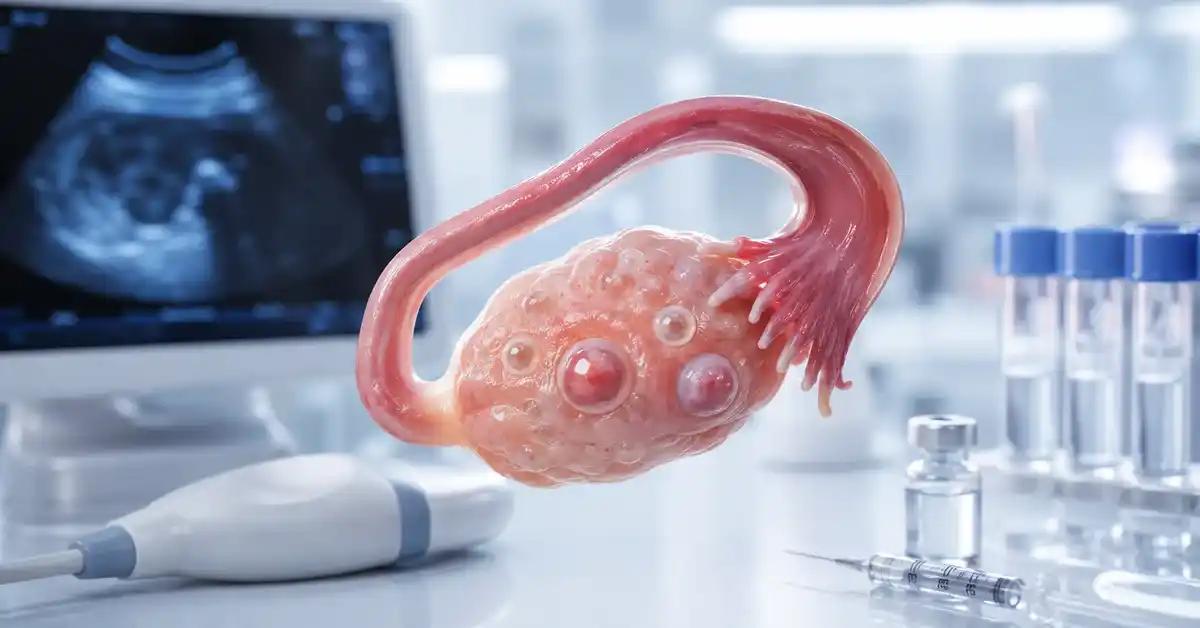
Weak Ovulation: A Clear Guide to Diagnosis and Treatment Options

Manar Hegazy

Majd Eddin Khaled
Weak ovulation can be one of the hidden reasons behind delayed pregnancy, especially when menstrual cycles are irregular or ovulation happens unpredictably. In a healthy cycle, the ovary usually develops a mature follicle, releases an egg, and prepares the body for possible pregnancy. When this process is disturbed, couples may face difficulty identifying the fertile window or achieving pregnancy naturally.
At Fertiliv IVF Center in Istanbul, weak ovulation is evaluated through a careful medical approach that includes hormone assessment, ultrasound monitoring, ovulation test interpretation, and personalized treatment planning. The goal is not only to stimulate ovulation, but also to understand the real cause behind ovulation disorders and choose a safe, realistic path to improve fertility. With accurate diagnosis and structured follow-up, many women can manage ovulation cycle issues and increase pregnancy chances with greater confidence.
Weak Ovulation Causes and Symptoms
Weak ovulation refers to a situation where ovulation does not happen regularly, does not happen at all in some cycles, or occurs with poor hormonal coordination. It may be linked to hormone imbalance, PCOS, thyroid disorders, high prolactin, weight changes, stress, or other reproductive health factors. Because ovulation and fertility are closely connected, identifying weak ovulation early can help couples avoid unnecessary delays.
Understanding the Ovulation problems cause is important because treatment differs from one woman to another. Some cases require lifestyle support, others need medical ovulation treatment options, and some may benefit from fertility drugs ovulation protocols under close monitoring.
weak ovulation
Weak ovulation means that the ovary may not release an egg in a predictable or effective way. In some women, ovulation is delayed; in others, it may be absent for several cycles. This can make it difficult to know the fertile days and may reduce the chance of natural conception.
Weak ovulation is often suspected when periods are very irregular, cycles are too long, or pregnancy does not occur despite regular intercourse. However, symptoms alone are not enough. A proper ovulation test, ultrasound tracking, and hormonal evaluation are usually needed to confirm whether ovulation is happening correctly.
Ovulation problems cause
The Ovulation problems cause may be hormonal, metabolic, lifestyle-related, or connected to ovarian conditions. Common causes include PCOS ovulation problems, thyroid imbalance, high prolactin levels, low ovarian reserve, significant weight gain or weight loss, excessive stress, and some chronic health conditions.
In many cases, more than one Ovulation problems cause may be present at the same time. For example, PCOS may be associated with insulin resistance and irregular ovulation, while thyroid problems may disturb the timing of the cycle. A complete evaluation helps the doctor decide whether natural ovulation support, medication, or a more advanced fertility plan is needed.
Symptoms of weak ovulation
Symptoms of weak ovulation may include irregular periods, long menstrual cycles, missed periods, unpredictable bleeding, or difficulty identifying fertile days. Some women may also notice fewer ovulation signs, such as changes in cervical mucus or mild mid-cycle symptoms. Mayo Clinic explains that basal body temperature can rise slightly around ovulation, and fertility is often highest in the days around this change.
Symptoms of weak ovulation may also appear as delayed pregnancy, especially when the couple has regular intercourse but conception does not happen. In women with PCOS, additional signs may include acne, increased hair growth, or weight-related challenges. Because these signs can overlap with other conditions, professional diagnosis is important before starting treatment.
Read about: Modern Fertility Treatments for Men and Women: Transform Your Parenthood Dreams
Diagnosing Ovulation Issues
Diagnosing ovulation issues begins with understanding the woman’s menstrual pattern, medical history, previous pregnancies, weight changes, medications, and any symptoms suggesting hormonal imbalance. The doctor may then request blood tests, ultrasound monitoring, and ovulation tracking methods to confirm whether ovulation is happening and whether the timing is appropriate.
At Fertiliv, diagnosing ovulation issues is approached as part of a full fertility assessment. This is important because ovulation and fertility are affected not only by the release of the egg, but also by hormone quality, uterine lining preparation, and the couple’s overall reproductive profile.
diagnosing ovulation issues
Diagnosing ovulation issues usually includes reviewing cycle length and checking whether periods are predictable. Very long cycles, absent periods, or highly irregular bleeding may suggest irregular ovulation or absent ovulation. The doctor may also ask about acne, unwanted hair growth, weight changes, breast discharge, or thyroid-related symptoms.
Medical evaluation may include hormone testing and ultrasound follow-up during the cycle. This helps determine whether a follicle is growing, whether ovulation is likely to occur, and whether the uterine lining is developing properly. Diagnosing ovulation issues accurately prevents random use of medication and supports a safer treatment plan.
ovulation test
An ovulation test can be used at home or in a clinic. Home ovulation predictor kits usually detect the LH surge, which often happens before ovulation. However, an ovulation test may not always be accurate in women with irregular cycles or PCOS, because hormone levels may fluctuate without true ovulation.
A clinical ovulation test may include blood progesterone after expected ovulation, ultrasound monitoring, and selected hormone tests. These tools help confirm whether ovulation occurred rather than only predicting it. At Fertiliv IVF Center, the choice of ovulation test depends on the woman’s cycle pattern and fertility goals.
ovulation tracking methods
Ovulation tracking methods include calendar tracking, cervical mucus observation, basal body temperature, urine ovulation kits, blood hormone testing, and ultrasound follicle monitoring. Mayo Clinic notes that basal body temperature rises slightly during ovulation, while fertility is usually highest in the two to three days around this temperature shift.
Ovulation tracking methods are especially useful when cycles are irregular or when the couple is trying to time intercourse more accurately. Ultrasound tracking is often more precise because it shows follicle growth directly. For women receiving fertility drugs ovulation treatment, ultrasound monitoring is essential for safety and timing.

Hormonal Imbalance and Ovulation
Hormones guide the entire ovulation process. FSH supports follicle growth, LH helps trigger egg release, estrogen reflects follicle development, and progesterone rises after ovulation. When this balance is disturbed, hormonal imbalance ovulation problems may appear as irregular cycles, delayed ovulation, or absent ovulation.
Hormonal imbalance ovulation concerns should be evaluated carefully because treatment depends on the cause. A thyroid disorder, high prolactin, PCOS, or low ovarian response may all affect ovulation differently. This is why hormone tests should be interpreted together with ultrasound findings and medical history.
hormonal imbalance ovulation
Hormonal imbalance ovulation issues can occur when the signals between the brain, ovaries, and endocrine glands do not work smoothly. For example, abnormal thyroid function may disturb cycle regularity, while high prolactin can interfere with ovulation. PCOS may also affect LH, androgen levels, and follicle development.
When assessing hormonal imbalance ovulation patterns, doctors may request tests such as FSH, LH, estradiol, progesterone, AMH, TSH, and prolactin. These tests help identify whether the ovulation problem is related to the ovary, hormone signaling, or another endocrine factor.
irregular ovulation
Irregular ovulation means that ovulation does not happen at the same expected time each cycle. A woman may ovulate late, skip ovulation in some cycles, or have unpredictable fertile days. This can make pregnancy planning more difficult because timing becomes unclear.
Irregular ovulation is often associated with long cycles, PCOS ovulation problems, stress, weight changes, or hormone imbalance. Treatment may include lifestyle correction, treating the underlying hormone issue, or using fertility drugs ovulation protocols when appropriate. The right approach depends on the diagnosis, age, and fertility history.
Read about: Hormones and Fertility: Complete Testing Guide for Couples
PCOS and Ovulation Problems
PCOS is one of the most common reasons for ovulation disorders. It can affect how follicles develop and may prevent the regular release of an egg. ACOG explains that women with PCOS may have irregular menstrual periods, and restoring ovulation can help make cycles more predictable.
PCOS ovulation problems do not mean that pregnancy is impossible. Many women with PCOS can improve their chances through weight management when needed, hormone regulation, ovulation induction, and careful cycle monitoring. At Fertiliv, treatment is individualized to avoid unnecessary medication and support safer outcomes.
PCOS ovulation problems
PCOS ovulation problems may appear as long cycles, missed periods, irregular bleeding, or difficulty predicting ovulation. Some women also have acne, increased body hair, or signs of insulin resistance. Because PCOS can affect both hormones and metabolism, treatment often requires more than one step.
The 2023 International Evidence-based Guideline for PCOS, summarized by ASRM, supports evidence-based assessment and management of PCOS to improve clinical care and reduce variation in treatment. In many women with PCOS ovulation problems, treatment may include lifestyle support, medical ovulation induction, and close follow-up.
ovulation cycle issues
Ovulation cycle issues may include cycles that are too long, too short, unpredictable, or completely absent for several months. These changes may indicate that ovulation is not happening regularly. In fertility planning, ovulation cycle issues can make it harder to identify the fertile window and may reduce monthly pregnancy chances.
Not all ovulation cycle issues have the same cause. Some are related to PCOS, while others may be linked to thyroid function, prolactin, ovarian reserve, or lifestyle factors. A structured evaluation helps determine whether the woman needs natural ovulation support, medication, or a more advanced fertility pathway.
Read about: PCOS Treatment to Improve Fertility and Support Pregnancy Chances
Medical Treatment Options
Medical treatment for weak ovulation should be based on the underlying cause. Some women need treatment for thyroid imbalance or high prolactin before ovulation improves. Others may require ovulation induction with medication, especially if ovulation is absent or very irregular.
Ovulation treatment options should always be monitored by a fertility specialist. This is because the goal is not simply to stimulate the ovaries, but to create a safe and controlled response. Monitoring also helps reduce risks such as excessive ovarian response or multiple follicle development.
ovulation treatment options
Ovulation treatment options may include correcting hormone imbalance, managing PCOS, improving metabolic health, and using medications to stimulate ovulation. The plan depends on age, ovarian reserve, cycle pattern, fertility duration, and whether other fertility factors are present.
For women with PCOS-related anovulatory infertility, the 2023 international PCOS guideline summarized by ASRM includes letrozole as a key evidence-based option for ovulation induction in appropriate cases. However, ovulation treatment options should always be selected after medical evaluation, not based on general advice.
fertility drugs ovulation
Fertility drugs ovulation treatment may involve oral medications or injectable hormones, depending on the diagnosis and previous response. These medications aim to help the ovary develop one or more mature follicles and support more predictable ovulation.
Fertility drugs ovulation protocols require ultrasound monitoring and sometimes hormone testing. ASRM notes that injectable gonadotropins may be used in selected anovulatory women, but they require careful monitoring because of risks such as ovarian hyperstimulation and multiple pregnancy. At Fertiliv, medication plans are adjusted according to individual response.
Read about: Hormonal Therapies To Boost Pregnancy Chances Safely
Natural Ways to Boost Ovulation
Natural ovulation support can be helpful, especially when weak ovulation is connected to lifestyle, weight, stress, sleep, or metabolic health. It may not replace medical treatment in all cases, but it can improve the body’s hormonal environment and support better cycle regulation.
Boost ovulation naturally approaches should be realistic and medically guided. They may include balanced nutrition, regular physical activity, better sleep, stress reduction, and management of insulin resistance when present. These steps may be especially useful in women with PCOS ovulation problems.
natural ovulation support
Natural ovulation support focuses on improving the body’s ability to regulate hormones. A balanced diet, stable blood sugar, adequate protein intake, movement, and healthy sleep patterns may support cycle regularity. For women with PCOS, lifestyle care is often part of the broader management plan.
Natural ovulation support should still be combined with proper testing if cycles remain irregular. If weak ovulation continues for several months, relying only on lifestyle changes may delay treatment. A fertility specialist can decide whether natural support is enough or whether medical ovulation treatment options are needed.
boost ovulation naturally
To boost ovulation naturally, the focus should be on sustainable changes rather than extreme diets or unverified supplements. Maintaining a healthy weight, reducing processed sugars, staying active, and managing stress may help improve hormonal balance in some women.
However, boost ovulation naturally strategies are not a guaranteed solution for every case. If there is a clear hormonal disorder, PCOS, or absent ovulation, medical evaluation is necessary. At Fertiliv IVF Center, natural support may be combined with medical treatment when this gives the safest and most effective plan.
Read about: Enhancing Ovarian Function Through Natural Approaches
Improving Fertility Outcomes
Improving fertility outcomes requires looking beyond ovulation alone. Even when weak ovulation is present, the couple may also need assessment of sperm quality, uterine health, fallopian tube status when relevant, and the duration of infertility. A complete plan helps avoid focusing on one factor while missing another important cause.
Ovulation and fertility are strongly linked, but pregnancy also depends on egg quality, sperm quality, timing, fertilization, and implantation. This is why Fertiliv provides individualized fertility assessment rather than a one-size-fits-all approach.
improve the fertility of women
To improve the fertility of women with weak ovulation, the first step is accurate diagnosis. This may include hormone tests, ultrasound monitoring, cycle review, and assessment for PCOS or other endocrine conditions. Once the cause is clear, treatment can be planned more effectively.
Strategies to improve the fertility of women may include lifestyle changes, hormone correction, ovulation induction, or assisted reproductive options when needed. The best plan depends on the couple’s age, fertility history, test results, and treatment goals.
increase pregnancy chances
To increase pregnancy chances, couples need to identify the fertile window and correct any factor that prevents regular ovulation. In mild cases, ovulation tracking methods and lifestyle support may be enough. In other cases, medication may be needed to regulate ovulation more predictably.
Medical follow-up can increase pregnancy chances by improving timing and avoiding unnecessary delays. For women with irregular ovulation, ultrasound monitoring can guide the best timing for intercourse or fertility procedures. At Fertiliv, the plan is designed according to the couple’s full fertility profile.
ovulation and fertility
Ovulation and fertility are closely connected because pregnancy usually requires a mature egg to be released at the right time. If ovulation is absent or unpredictable, the chance of conception may decrease even when other fertility factors are normal.
Understanding ovulation and fertility helps couples make better decisions. Instead of guessing fertile days or using medication without guidance, a structured assessment can clarify the cause of weak ovulation and identify the most appropriate treatment pathway.
Read about: Discover the benefits and risks of ovulation induction medications
Conclusion
Weak ovulation is a common fertility-related concern, but it can often be managed successfully when the cause is properly diagnosed. From hormone testing and ovulation test interpretation to ultrasound monitoring and personalized ovulation treatment options, each step helps build a clearer picture of the woman’s reproductive health.
Whether the issue is PCOS ovulation problems, hormonal imbalance ovulation patterns, irregular ovulation, or broader ovulation cycle issues, the right treatment should be individualized. Some women benefit from natural ovulation support, while others may need fertility drugs ovulation treatment under careful supervision.
At Fertiliv IVF Center in Istanbul, couples receive a structured evaluation and a tailored plan designed to improve the fertility of women and increase pregnancy chances safely.
FAQs About Weak Ovulation: Diagnosis and Treatment
What are the main Symptoms of weak ovulation?
Symptoms of weak ovulation may include irregular periods, long menstrual cycles, missed periods, unpredictable bleeding, or difficulty identifying fertile days. Some women may not notice clear symptoms until they experience delayed pregnancy.
Because Symptoms of weak ovulation can overlap with other hormonal conditions, proper testing is important. An ovulation test, ultrasound monitoring, and hormone assessment can help confirm whether weak ovulation is the reason behind delayed conception.
How are doctors Diagnosing ovulation issues?
Doctors are Diagnosing ovulation issues by reviewing menstrual history, symptoms, hormone tests, and ultrasound findings. They may also use progesterone testing after suspected ovulation to confirm whether ovulation occurred.
Diagnosing ovulation issues accurately helps avoid random treatment. Once the cause is known, the doctor can choose between natural ovulation support, medication, or other ovulation treatment options depending on the couple’s fertility plan.
Can PCOS cause Weak ovulation?
Yes, PCOS ovulation problems are a common cause of Weak ovulation. PCOS can interfere with follicle development and make ovulation irregular or absent in some cycles. This may lead to ovulation cycle issues and delayed pregnancy.
PCOS ovulation problems can often be managed with lifestyle support, hormone regulation, and medication when needed. The best approach depends on the woman’s symptoms, test results, and pregnancy goals.
Are Fertility drugs ovulation treatments safe?
Fertility drugs ovulation treatments can be safe and effective when prescribed and monitored by a fertility specialist. Monitoring helps the doctor check follicle growth, adjust medication, and reduce avoidable risks.
Fertility drugs ovulation treatment should not be used without medical supervision. The correct dose and medication type depend on the cause of weak ovulation, the woman’s age, ovarian reserve, and previous response.
Can I Boost ovulation naturally?
Yes, some women can Boost ovulation naturally through healthy weight management, balanced nutrition, regular movement, better sleep, and stress reduction. These steps may be especially helpful when irregular ovulation is linked to lifestyle or PCOS.
However, Boost ovulation naturally methods may not be enough if there is a clear hormonal disorder or absent ovulation. If cycles remain irregular, a medical evaluation is recommended to identify the best treatment path.