
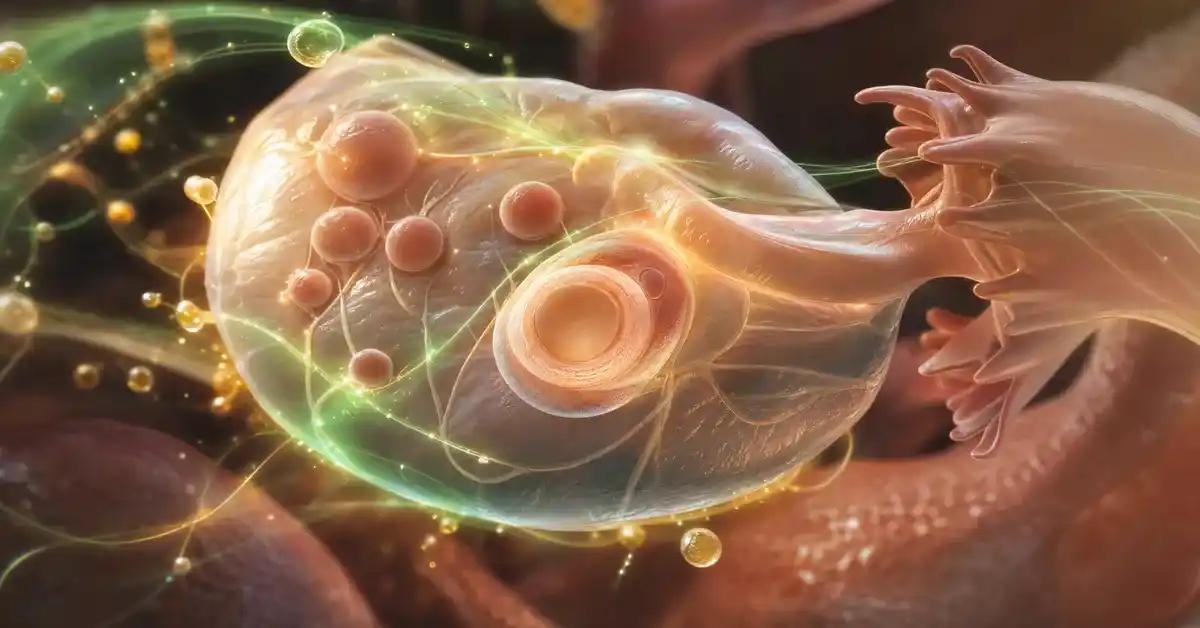
Enhancing Ovarian Function Through Natural Approaches

Manar Hegazy

Majd Eddin Khaled
Regular, healthy ovulation is the cornerstone of natural conception — the essential biological event without which pregnancy cannot occur. Yet a significant number of women experience disruptions to this process, ranging from irregular or weak ovulation to complete anovulation, making the question of how to stimulate ovulation naturally both medically important and deeply personal. This comprehensive guide explores the most evidence-based natural strategies available today, covering dietary approaches, herbal support, targeted supplementation, and lifestyle modifications, all grounded in current reproductive science.
Evidence-Based Natural Approaches to Supporting Ovarian Function
A growing body of scientific evidence supports the effectiveness of several natural strategies in enhancing ovarian function and improving ovulation quality — approaches that can be safely integrated alongside specialist medical care.
How to Stimulate Ovulation Naturally: The Foundational Principles
The core principle behind efforts to stimulate ovulation naturally is creating the optimal hormonal and nutritional environment that allows the ovaries to function at their best. Maintaining a healthy body weight is one of the most impactful factors influencing hormonal balance; both significant excess weight and severe underweight can disrupt the hypothalamic-pituitary-ovarian axis and impair ovulation. Chronic psychological stress is another key modifiable factor, as persistently elevated cortisol competes with reproductive hormones at the level of the pituitary gland, suppressing the signals needed for follicular development and ovulation. Addressing these foundational elements is the starting point for any natural ovulation boosters strategy.
Practical Strategies to Increase Ovulation Naturally
Among the most practical ways to increase ovulation naturally are several evidence-supported daily habits. Prioritizing 7-9 hours of quality sleep each night regulates the hormonal secretion patterns that govern the menstrual cycle, including the critical nocturnal pulses of GnRH and LH. Regular moderate exercise improves insulin sensitivity and reduces elevated androgen levels — both of which are common barriers to ovulation, particularly in women with polycystic ovary syndrome. Adequate exposure to natural sunlight supports vitamin D synthesis, a nutrient that has been shown to play a meaningful role in ovarian function and egg quality. These lifestyle-level interventions form the foundation upon which more targeted natural approaches can build.
Read about: Modern Fertility Treatments for Men and Women: Transform Your Parenthood Dreams
Dietary and Herbal Support for Ovarian Health
Nature provides a range of foods and botanical agents that scientific research has shown can support ovarian function and improve hormonal balance — though their use should always be guided by a qualified medical professional.
Foods That Boost Ovulation: Building a Fertility-Supportive Diet
The relationship between nutrition and ovulatory function is well-established, and certain foods that boost ovulation stand out for their specific nutrient profiles. Dark leafy greens such as spinach, kale, and Swiss chard are rich in folate, which is essential for healthy cell division in developing eggs. Fatty fish like salmon, mackerel, and sardines provide omega-3 fatty acids that reduce systemic inflammation and improve the sensitivity of hormonal receptors in the ovaries. Seeds — particularly flaxseeds, pumpkin seeds, and sunflower seeds — offer a combination of phytoestrogens, zinc, and selenium that support the hormonal milieu of the menstrual cycle. Berries and other antioxidant-rich fruits protect developing eggs from oxidative damage, which is one of the primary causes of declining egg quality with age.
Herbs for Ovulation: Botanical Agents With Scientific Support
Among the most studied herbs for ovulation, Vitex agnus-castus (chaste tree berry) occupies a prominent position. It works by modulating prolactin secretion and improving the ratio of FSH to LH, thereby supporting regular menstrual cycles and ovulation. Dong Quai (Angelica sinensis), a staple of traditional Chinese medicine, is used to improve blood circulation to the uterus and ovaries. Fenugreek seeds contain phytoestrogenic compounds that help regulate estrogen levels, while ashwagandha (Withania somnifera) reduces cortisol and supports the overall hormonal balance needed for regular ovulation. It is essential to emphasize that all herbal interventions should be discussed with a physician before use, as some may interact with medications or be contraindicated in certain conditions.
Read about: Do Natural Fertility Vitamins Really Boost Your Chances of Conception?
Understanding the Root Causes of Ovulation Dysfunction
Identifying the underlying cause of ovulatory dysfunction is the essential first step toward selecting the most appropriate treatment approach, whether natural, medical, or a combination of both.
The Primary Causes of Ovulation Problems
Understanding the ovulation problems cause is fundamental to addressing them effectively. Polycystic ovary syndrome (PCOS) is the single most common cause of anovulation, characterized by elevated androgens, insulin resistance, and the presence of multiple small follicles that fail to mature and release an egg. Thyroid dysfunction — both hypothyroidism and hyperthyroidism — directly disrupts the hormonal cascade governing ovulation by interfering with the pituitary gland's signaling. Hyperprolactinemia (elevated prolactin) suppresses GnRH secretion and prevents the LH surge needed to trigger ovulation. Premature ovarian insufficiency, significant weight dysregulation, and excessive physical training are additional causes that must be considered in a comprehensive evaluation.
How to Treat Ovulation Issues: A Tiered Approach
The approach to treat ovulation issues depends entirely on the identified cause. For PCOS-related anovulation, lifestyle modification to improve insulin sensitivity is the first-line recommendation, often combined with inositol supplementation or metformin. Thyroid-related ovulatory dysfunction typically resolves with appropriate thyroid hormone replacement or suppression therapy. Hyperprolactinemia is effectively managed with dopamine agonist medications. In cases where natural and first-line medical approaches have not restored ovulation, oral ovulation-inducing agents such as letrozole or clomiphene citrate — administered under close ultrasound monitoring — represent the next step in the treatment pathway.
Read about: The Best Foods to Naturally Boost Fertility in Men and Women
The Hormonal Architecture of the Ovulatory Cycle
Ovulation is orchestrated by a precisely timed sequence of hormonal signals, and understanding this architecture is essential for any woman seeking to optimize her reproductive health.
Hormones and Ovulation: The Key Players and Their Roles
The relationship between hormones and ovulation is one of elegant biological coordination. The cycle begins with GnRH pulses from the hypothalamus stimulating the pituitary to release FSH, which drives follicular growth in the ovaries. As the dominant follicle matures, rising estradiol levels signal the pituitary to release a surge of LH — the trigger that causes the mature follicle to rupture and release the egg. Following ovulation, the corpus luteum produces progesterone to prepare the endometrium for implantation. Any disruption at any point in this cascade — whether from elevated androgens, insufficient FSH, absent LH surge, or inadequate progesterone — can impair or prevent successful ovulation.
Irregular Ovulation Treatment: Restoring Hormonal Harmony
Irregular ovulation treatment begins with a thorough hormonal assessment to identify which specific component of the ovulatory axis is dysregulated. For women with elevated androgens and insulin resistance, improving metabolic health through diet, exercise, and targeted supplementation can normalize the hormonal environment and restore regular ovulation. For those with elevated prolactin or thyroid dysfunction, targeted medical therapy addresses the root cause directly. In cases of hypothalamic amenorrhea — where the pituitary receives insufficient GnRH stimulation due to low body weight or excessive exercise — restoring energy balance is the primary therapeutic goal. The key principle is that irregular ovulation treatment must be cause-specific to be effective.
Read about: How Do Hormones Affect Fertility? Essential Tests for Couples
Targeted Nutritional Supplementation for Ovarian Support
Contemporary research provides growing evidence for the efficacy of specific nutritional supplements in supporting ovarian function and improving egg quality, though optimal use requires individualized medical guidance.
Ovulation Supplements With the Strongest Evidence Base
Among the most evidence-supported ovulation supplements, inositol — particularly the Myo-Inositol and D-Chiro-Inositol combination in a 40:1 ratio — has demonstrated significant benefits for women with PCOS, improving insulin sensitivity, reducing androgen levels, and restoring ovulatory function. Coenzyme Q10 (CoQ10) enhances mitochondrial energy production within egg cells and protects them from oxidative damage, with particular relevance for women over 35 whose egg quality may be declining. N-acetyl cysteine (NAC) is another well-studied supplement that improves insulin sensitivity and has been shown to support ovulation in PCOS patients. These supplements work best when used as part of a comprehensive, medically supervised fertility optimization plan.
Ovulation Support Vitamins: The Essential Micronutrients
Several key ovulation support vitamins play critical roles in reproductive function. Vitamin D is perhaps the most important, as deficiency is highly prevalent and has been linked to impaired follicular development, reduced AMH levels, and poorer assisted reproduction outcomes. Folate (or its active form methylfolate) is essential for DNA integrity in developing eggs and is a non-negotiable supplement for any woman planning pregnancy. Vitamin E, as a potent antioxidant, protects egg cell membranes from oxidative damage. Zinc supports the LH surge and is involved in the final maturation of the egg before ovulation. Iron deficiency, even without frank anemia, can impair ovulatory function and should be corrected when identified.

Mastering Ovulation Cycle Tracking for Conception
Accurate knowledge of when ovulation occurs transforms conception from a matter of chance into a strategically timed endeavor, significantly improving the probability of success with each cycle.
Ovulation Cycle Tracking: Methods and Their Accuracy
Effective ovulation cycle tracking combines multiple complementary methods for the greatest accuracy. Urinary LH testing strips detect the pre-ovulatory LH surge that precedes egg release by 24-36 hours, identifying the peak fertility window with good reliability. Basal body temperature (BBT) charting reveals a characteristic temperature rise of 0.2-0.5°C immediately after ovulation, which, when tracked over multiple cycles, helps identify individual ovulation patterns. Cervical mucus monitoring — observing the transition to clear, stretchy, egg-white consistency mucus in the days approaching ovulation — provides an additional real-time fertility signal. For the most precise tracking, transvaginal ultrasound monitoring performed by a specialist remains the gold standard.
When Ovulation Occurs: Understanding Individual Variation
A common misconception is that ovulation always occurs on day 14 of the cycle. While this holds true for a textbook 28-day cycle, the reality is that when ovulation occurs varies considerably between individuals and even between cycles in the same woman. In cycles ranging from 24 to 35 days, ovulation can occur anywhere from day 10 to day 21. The key insight is that ovulation consistently occurs approximately 14 days before the next expected period — not 14 days after the previous one. This means that women with longer cycles ovulate later, and those with shorter cycles ovulate earlier, making individualized tracking far more reliable than calendar-based assumptions alone.
Read about: Hormones and Fertility: Complete Testing Guide for Couples
Comprehensive Strategies to Enhance Natural Fertility
Optimizing fertility naturally requires a holistic approach that addresses all dimensions of reproductive health simultaneously, creating the most favorable conditions for conception.
Evidence-Based Ways to Boost Fertility Naturally
The most effective strategies to boost fertility naturally combine nutritional optimization, targeted supplementation, stress management, and lifestyle modification into a coherent, sustained program. Adopting a Mediterranean-style dietary pattern provides the broadest nutritional support for reproductive health, supplying antioxidants, anti-inflammatory omega-3 fatty acids, and key micronutrients in their most bioavailable forms. Reducing exposure to endocrine-disrupting chemicals — found in certain plastics, pesticides, and personal care products — protects the hormonal environment from external interference. Achieving and maintaining a healthy body weight, managing chronic stress through evidence-based techniques such as mindfulness or yoga, and ensuring adequate sleep all contribute meaningfully to the natural fertility optimization process.
Practical Steps to Increase Chances of Pregnancy
Beyond optimizing ovulatory function, several practical steps can directly increase chances of pregnancy. Timing intercourse to coincide with the fertile window — the five days leading up to and including the day of ovulation — maximizes the probability of sperm being present when the egg is released. Avoiding the use of lubricants that are not specifically formulated to be sperm-friendly is an often-overlooked recommendation, as many conventional lubricants impair sperm motility. Both partners should be assessed and supported, as male factor contributions are present in a significant proportion of cases. At Fertiliv ICSI Center, a comprehensive evaluation of both partners ensures that no contributing factor is overlooked in the journey toward conception.
Conclusion
Natural ovulation stimulation is not merely an alternative to medical treatment — it is a scientifically grounded, medically complementary approach that enhances overall reproductive health and improves the conditions for natural conception. By integrating evidence-based nutrition, targeted herbal and nutritional supplementation, accurate cycle tracking, and comprehensive lifestyle optimization, many women can restore regular ovulation and significantly improve their fertility outlook. Fertiliv ICSI Center supports this holistic approach, combining the best of natural fertility optimization with the full spectrum of modern reproductive medicine to give every couple the best possible chance of achieving their dream of parenthood. Connect with the specialist team at Fertiliv ICSI Center for a personalized fertility assessment and a tailored plan to support your natural conception journey.
Frequently Asked Questions: Natural Ways to Stimulate Ovulation
Can ovulation truly be stimulated through natural means alone?
In many cases, yes — particularly when the underlying cause of irregular or absent ovulation is related to lifestyle factors, nutritional deficiencies, or manageable hormonal imbalances. Dietary improvements, targeted supplementation, stress reduction, and weight normalization can be sufficient to restore regular ovulation in a significant proportion of women. However, a medical evaluation is always recommended first to rule out structural or hormonal causes — such as PCOS, thyroid dysfunction, or premature ovarian insufficiency — that require specific medical treatment beyond natural approaches alone.
How long does it take for natural ovulation support strategies to show results?
The timeline for seeing results from natural ovulation support depends on the underlying cause and the consistency of the interventions. Since the full development cycle of an egg (from primordial follicle to ovulation) spans approximately 90-120 days, nutritional and supplementation changes require at least three months to exert their full effect on egg quality. Lifestyle modifications such as stress management and weight normalization may improve cycle regularity within one to two months. Patience and consistency are essential, and progress should be monitored with the guidance of a reproductive specialist.
Is inositol supplementation effective for all women with ovulation problems?
Inositol supplementation has the strongest evidence base specifically for women with PCOS-related ovulation problems, where insulin resistance and elevated androgens are the primary drivers of anovulation. For women whose ovulation problems stem from other causes — such as thyroid dysfunction, hyperprolactinemia, or premature ovarian insufficiency — inositol is unlikely to be the primary solution, though it may offer some supportive benefits. A thorough hormonal evaluation is essential to determine whether inositol is an appropriate and effective intervention for an individual's specific situation.
What is the most accurate way to confirm that ovulation has occurred?
The most accurate confirmation of ovulation is provided by transvaginal ultrasound monitoring, which allows direct visualization of follicular growth and the subsequent collapse of the follicle after egg release. A serum progesterone test performed on day 21 of a 28-day cycle (or 7 days after presumed ovulation in cycles of different lengths) provides biochemical confirmation of ovulation. Urinary LH testing identifies the pre-ovulatory surge but does not confirm that ovulation actually occurred. Basal body temperature charting confirms ovulation retrospectively. For women investigating irregular ovulation, combining ultrasound monitoring with progesterone testing provides the most reliable assessment.
Are there any risks associated with using herbal supplements to stimulate ovulation?
While many herbal supplements used to support ovulation have a reasonable safety profile when used appropriately, they are not without potential risks. Some herbs, such as Vitex agnus-castus, can interact with hormonal medications or be contraindicated in certain conditions. Others may have dose-dependent effects that require careful titration. The quality and purity of herbal products also varies considerably between manufacturers. For these reasons, it is strongly recommended that any herbal supplementation for ovulation support be discussed with and supervised by a qualified physician or reproductive specialist, who can assess safety, appropriateness, and potential interactions with any existing treatments.