
Modern Fertility Treatments for Men and Women: Transform Your Parenthood Dreams

Manar Hegazy

Majd Eddin Khaled
Infertility affects millions of couples worldwide, creating emotional and physical challenges that can feel overwhelming. However, modern fertility treatments have revolutionized reproductive medicine, offering hope and practical solutions for couples struggling to conceive. At Fertiliv IVF Center, we understand the profound desire to build a family and the emotional journey that accompanies fertility challenges. We are committed to providing cutting-edge fertility treatments that combine scientific excellence with compassionate care.
Whether the challenge involves female infertility, male factor issues, or unexplained infertility, modern fertility treatments offer diverse options tailored to your specific situation. From simple ovulation induction treatments to advanced assisted reproductive technology methods like IVF and ICSI, the landscape of fertility care has expanded dramatically. This comprehensive guide will walk you through the most effective modern fertility treatments available, helping you understand your options and make informed decisions about your path to parenthood.
Modern fertility treatments for men and women
Modern fertility treatments represent a remarkable advancement in reproductive medicine, offering solutions for virtually every type of infertility. These treatments range from non-invasive options to sophisticated laboratory procedures, each designed to address specific fertility challenges. Understanding the spectrum of modern fertility treatments available helps couples navigate their options with confidence and clarity.
advanced fertility techniques for men
Advanced fertility techniques for men focus on improving sperm quality, quantity, and function. These techniques encompass medical interventions, lifestyle modifications, and advanced laboratory procedures designed to maximize male fertility potential. Modern approaches recognize that male infertility often results from multiple factors that require comprehensive evaluation and treatment.
Advanced fertility techniques for men include diagnostic testing through semen analysis, hormonal evaluation, and genetic screening when indicated. Treatment options range from lifestyle modifications and medical therapy to surgical interventions for conditions like varicocele. In cases of severe male factor infertility, advanced techniques such as ICSI allow successful fertilization even with extremely low sperm counts or poor motility.
advanced fertility techniques for women
Advanced fertility techniques for women address various causes of female infertility, including ovulation disorders, structural abnormalities, and egg quality issues. These techniques combine medical management with laboratory expertise to optimize fertility outcomes. Modern approaches to female infertility treatment are highly individualized, taking into account age, diagnosis, and personal preferences.
Advanced fertility techniques for women include ovulation induction with medications, intrauterine insemination, in vitro fertilization, and egg freezing for fertility preservation. Each technique offers specific advantages depending on the underlying cause of infertility and the couple's circumstances. The integration of advanced diagnostic tools like genetic testing of embryos has further improved success rates and reduced the risk of chromosomal abnormalities.
Read about: Do Natural Fertility Vitamins Really Boost Your Chances of Conception?
Fertility treatments for women: protocols and medications
Fertility treatments for women involve carefully designed protocols that optimize ovarian response and maximize the chances of successful conception. These protocols utilize various fertility medications for women, each with specific mechanisms of action and clinical applications. Understanding these fertility treatments for women empowers patients to participate actively in their care.
Ovulation induction treatments for women
Ovulation induction treatments for women represent one of the most common and effective approaches to treating female infertility. These treatments use specific medications to stimulate the ovaries to produce mature eggs, thereby restoring or enhancing the ovulation process. Ovulation induction treatments for women are particularly effective for women with irregular or absent ovulation.
The success of ovulation induction treatments for women depends on proper patient selection, appropriate medication dosing, and careful monitoring through blood tests and ultrasound imaging. Women with polycystic ovary syndrome, hypothalamic amenorrhea, or other ovulation disorders often respond well to these treatments. Success rates for ovulation induction treatments for women typically range from 70 to 90 percent, with pregnancy rates varying based on age and other fertility factors.
Fertility medications for women explained
Fertility medications for women explained include several categories of drugs that work through different mechanisms. Clomiphene citrate, a selective estrogen receptor modulator, remains one of the most commonly prescribed fertility medications for women. Letrozole, an aromatase inhibitor, has emerged as an alternative fertility medication for women with comparable or superior outcomes in certain populations.
Gonadotropins represent another category of fertility medications for women explained, consisting of hormones that directly stimulate ovarian follicle development. These fertility medications for women are administered by injection and require careful monitoring due to the risk of ovarian hyperstimulation. Understanding how different fertility medications for women work helps patients and physicians select the most appropriate treatment for each individual case.

Fertility treatments for men: diagnostics and enhancement
Fertility treatments for men begin with comprehensive diagnostic evaluation to identify the underlying cause of infertility. This evaluation includes detailed history, physical examination, and semen analysis. Once the diagnosis is established, fertility treatments for men can be tailored to address the specific problem, whether it involves sperm production, function, or delivery.
male fertility enhancement strategies
Male fertility enhancement strategies encompass lifestyle modifications, medical therapy, and surgical interventions. Lifestyle changes form the foundation of male fertility enhancement, including smoking cessation, alcohol reduction, weight management, and stress reduction. These male fertility enhancement strategies often produce significant improvements in sperm parameters within three to six months.
Medical therapy for male fertility enhancement may include hormonal treatments, antioxidant supplements, and medications to address specific conditions. Surgical male fertility enhancement strategies address anatomical problems such as varicocele or ejaculatory duct obstruction. The most effective male fertility enhancement strategies often combine multiple approaches tailored to the individual's specific diagnosis and circumstances.
fertility medication men: what works
Fertility medication men: what works depends on the underlying cause of male infertility. Hormonal medications may be prescribed when testosterone deficiency or other hormonal imbalances are identified. Antioxidant supplements, including coenzyme Q10, L-carnitine, and vitamin E, have shown promise in improving sperm quality in some studies.
Fertility medication men: what works also includes medications to address specific conditions affecting male fertility. For example, antibiotics may be prescribed for reproductive tract infections, while medications can manage ejaculation disorders. The effectiveness of fertility medication men: what works varies considerably among individuals, making proper diagnosis and monitoring essential for optimizing outcomes. If you're experiencing male factor infertility, reach out to Fertiliv via WhatsApp to discuss personalized treatment options with our fertility specialists.
Read about: The Best Foods to Naturally Boost Fertility in Men and Women
Assisted reproductive technology methods
Assisted reproductive technology methods represent the most advanced approaches to treating infertility, offering solutions for cases where simpler treatments have failed or are unlikely to succeed. These assisted reproductive technology methods involve laboratory manipulation of eggs and sperm to achieve fertilization and embryo development outside the body.
IUI fertility treatment: step-by-step
IUI fertility treatment, also known as intrauterine insemination, is a relatively simple assisted reproductive technology method. IUI fertility treatment involves preparing a semen sample to concentrate the healthiest sperm, then carefully placing these sperm directly into the uterus near the time of ovulation. This IUI fertility treatment procedure bypasses potential barriers to natural conception while remaining less invasive than more complex assisted reproductive technology methods.
The IUI fertility treatment process begins with ovulation monitoring through ultrasound and hormone testing. Once ovulation is imminent, the prepared sperm sample is placed into the uterus through a thin catheter. IUI fertility treatment success rates typically range from 10 to 20 percent per cycle, varying based on age, diagnosis, and sperm quality. Multiple IUI fertility treatment cycles may be recommended before progressing to more advanced assisted reproductive technology methods.
IVF fertility treatment versus ICSI fertility treatment
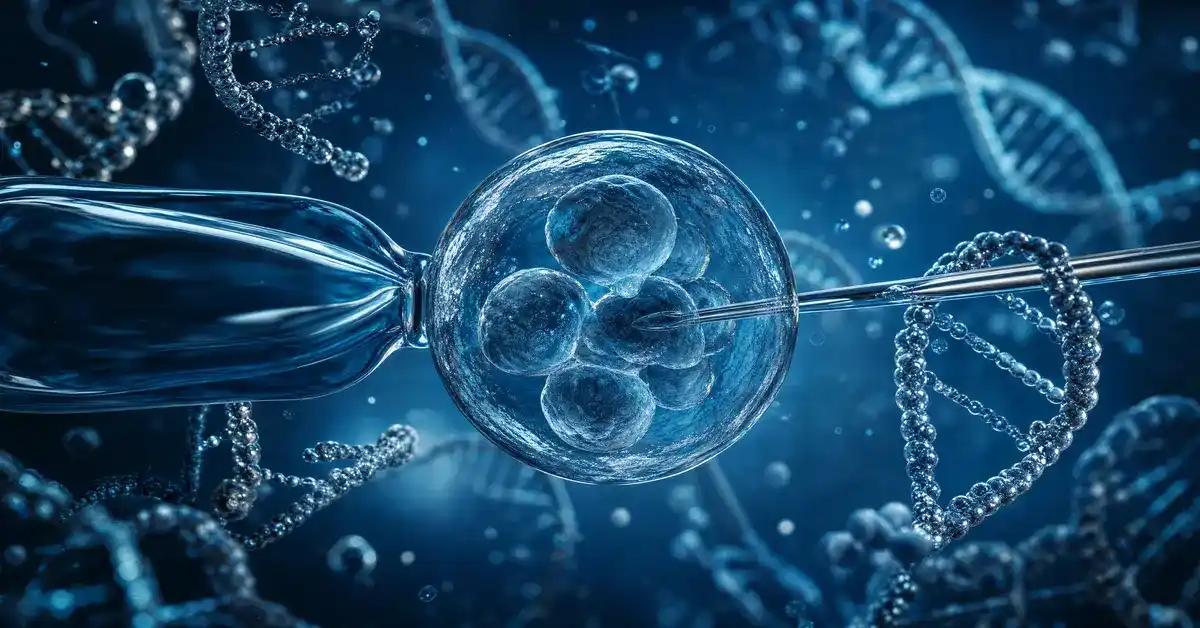
IVF fertility treatment and ICSI fertility treatment are both advanced assisted reproductive technology methods, but they differ in how fertilization is achieved. IVF fertility treatment involves combining eggs and sperm in a culture dish and allowing natural fertilization to occur. ICSI fertility treatment, by contrast, involves injecting a single sperm directly into each egg using a microscopic needle.
The choice between IVF fertility treatment versus ICSI fertility treatment depends primarily on sperm quality. IVF fertility treatment is typically recommended when sperm parameters are normal, while ICSI fertility treatment is preferred for severe male factor infertility. Success rates for IVF fertility treatment versus ICSI fertility treatment are comparable when the appropriate technique is selected for the specific diagnosis. Both IVF fertility treatment and ICSI fertility treatment offer significantly higher success rates than simpler assisted reproductive technology methods, making them valuable options for couples with significant fertility challenges.
Read about: Comprehensive Comparison of Modern Fertility Techniques: IVF and ICSI Explained
Ovulation stimulation and induction techniques
Ovulation stimulation and induction techniques form the foundation of many fertility treatment protocols, whether used alone or in combination with assisted reproductive technology methods. These ovulation stimulation and induction techniques work by providing hormonal signals that trigger egg development and release from the ovaries.
benefits of ovulation stimulation drugs
Benefits of ovulation stimulation drugs include restoration of regular ovulation in women with ovulation disorders and production of multiple eggs for assisted reproductive technology procedures. Benefits of ovulation stimulation drugs extend beyond simple ovulation restoration, as these medications allow physicians to optimize timing and coordinate treatment with other interventions.
The benefits of ovulation stimulation drugs include improved predictability of ovulation, allowing precise timing of intercourse or insemination procedures. Benefits of ovulation stimulation drugs also include the ability to produce multiple mature eggs, which increases the number of embryos available for selection in IVF cycles. Understanding the benefits of ovulation stimulation drugs helps patients appreciate why these medications are central to most fertility treatment protocols.
controlled ovarian hyperstimulation in IVF techniques
Controlled ovarian hyperstimulation in IVF techniques represents a carefully orchestrated process designed to produce multiple mature eggs while minimizing risks. Controlled ovarian hyperstimulation in IVF techniques uses gonadotropin medications administered by injection, with careful monitoring through blood tests and ultrasound imaging.
The goal of controlled ovarian hyperstimulation in IVF techniques is to retrieve a sufficient number of high-quality eggs while avoiding excessive ovarian stimulation. Controlled ovarian hyperstimulation in IVF techniques requires individualized medication protocols, as different women respond differently to the same medications. Physicians adjust medication doses based on ovarian response, aiming to optimize the number and quality of eggs retrieved. If you're considering IVF and want to understand how controlled ovarian hyperstimulation in IVF techniques can maximize your success, contact Fertiliv through WhatsApp for a detailed consultation with our experienced fertility specialists.
Read about: How Do Hormones Affect Fertility? Essential Tests for Couples
Sperm quality improvement treatment for male fertility
Sperm quality improvement treatment addresses one of the most common causes of male infertility. Sperm quality improvement treatment focuses on enhancing sperm count, motility, and morphology through various medical and lifestyle interventions. Successful sperm quality improvement treatment often requires a comprehensive approach combining multiple strategies.
improving sperm motility and count
Improving sperm motility and count represents a primary goal of male fertility treatment. Improving sperm motility and count can often be achieved through lifestyle modifications including regular exercise, weight management, stress reduction, and elimination of smoking and excessive alcohol consumption. These lifestyle changes can improve sperm parameters within three to six months in many cases.
Improving sperm motility and count may also require medical intervention, including antioxidant supplementation and treatment of underlying medical conditions. Conditions such as varicocele, hormonal imbalances, or reproductive tract infections can impair sperm production and function. Addressing these underlying conditions is essential for improving sperm motility and count. In some cases, surgical intervention may be necessary to improve sperm production and quality.
Lifestyle and medical options for sperm quality improvement treatment
Sperm quality improvement treatment combines lifestyle modifications with medical interventions for optimal results. Lifestyle options for sperm quality improvement treatment include dietary improvements, regular physical activity, weight management, stress reduction, and elimination of harmful substances. These lifestyle factors significantly influence sperm production and function.
Medical options for sperm quality improvement treatment include antioxidant supplementation with compounds such as coenzyme Q10, L-carnitine, and vitamin E. Hormonal therapy may be indicated when testosterone deficiency or other hormonal abnormalities are identified. Medications to address specific conditions affecting sperm production and function are also part of comprehensive sperm quality improvement treatment. For personalized guidance on sperm quality improvement treatment options, reach out to Fertiliv via WhatsApp to discuss your specific situation with our male fertility specialists.
Read about: Hormones and Fertility: Complete Testing Guide for Couples
In vitro fertilization techniques and protocols
In vitro fertilization techniques and protocols represent the most advanced and successful approaches to treating infertility. In vitro fertilization techniques and protocols involve multiple coordinated steps, each critical to achieving successful fertilization and pregnancy. Understanding in vitro fertilization techniques and protocols helps patients appreciate the complexity and sophistication of modern fertility treatment.
In vitro fertilization techniques overview
In vitro fertilization techniques overview includes ovarian stimulation, egg retrieval, fertilization in the laboratory, embryo development, and embryo transfer to the uterus. In vitro fertilization techniques overview demonstrates the multi-step nature of this treatment approach. Each step of in vitro fertilization techniques overview requires specialized expertise and equipment to maximize success rates.
In vitro fertilization techniques overview reveals that success depends on multiple factors including egg quality, sperm quality, embryo development, and uterine receptivity. In vitro fertilization techniques overview also highlights the importance of laboratory expertise, as embryo culture conditions and handling significantly influence outcomes. Modern in vitro fertilization techniques overview includes advanced options such as genetic testing of embryos to select the healthiest embryos for transfer.
choosing between IVF fertility treatment and ICSI fertility treatment
Choosing between IVF fertility treatment and ICSI fertility treatment requires understanding the advantages and disadvantages of each approach. Choosing between IVF fertility treatment and ICSI fertility treatment depends primarily on sperm quality, as this factor most significantly influences which technique will be most successful. Choosing between IVF fertility treatment and ICSI fertility treatment should be based on comprehensive diagnostic evaluation and physician recommendation.
When choosing between IVF fertility treatment and ICSI fertility treatment, consider that IVF fertility treatment may be more cost-effective when sperm quality is normal, while ICSI fertility treatment offers superior fertilization rates in cases of severe male factor infertility. Some fertility centers recommend a split approach, using both IVF fertility treatment and ICSI fertility treatment on separate portions of eggs to optimize outcomes. Your fertility specialist can help guide your decision about choosing between IVF fertility treatment and ICSI fertility treatment based on your specific circumstances.
Read about: Natural Fertility Treatments: Effective Solutions to Increase Pregnancy Chances
Female fertility optimization: holistic and medical approaches
Female fertility optimization requires a comprehensive approach combining medical treatment with lifestyle modifications. Female fertility optimization recognizes that fertility is influenced by multiple factors including age, overall health, stress levels, and nutritional status. Successful female fertility optimization integrates medical expertise with holistic health principles.
combining lifestyle and fertility medications for women
Combining lifestyle and fertility medications for women creates a synergistic approach to optimizing fertility outcomes. Combining lifestyle and fertility medications for women means addressing diet, exercise, stress, and sleep while simultaneously using appropriate medications to enhance ovulation and egg quality. This comprehensive approach to combining lifestyle and fertility medications for women often produces superior results compared to either approach alone.
Combining lifestyle and fertility medications for women should include dietary improvements emphasizing antioxidant-rich foods, regular moderate exercise, stress reduction techniques, and adequate sleep. Combining lifestyle and fertility medications for women may also include supplementation with nutrients such as vitamin D, coenzyme Q10, and inositol, which have evidence supporting their role in improving fertility. The integration of combining lifestyle and fertility medications for women creates an optimal environment for conception and healthy pregnancy.
Fertility treatment success rate in female fertility optimization
Fertility treatment success rate in female fertility optimization varies based on multiple factors including age, diagnosis, and treatment approach. Fertility treatment success rate in female fertility optimization is highest in younger women and decreases with advancing age. Understanding fertility treatment success rate in female fertility optimization helps establish realistic expectations and make informed treatment decisions.
Fertility treatment success rate in female fertility optimization depends significantly on the underlying cause of infertility. Women with ovulation disorders often achieve high success rates with ovulation induction, while those with structural problems or diminished ovarian reserve may require more advanced approaches. Fertility treatment success rate in female fertility optimization can be improved through careful patient selection, individualized treatment protocols, and optimization of lifestyle factors. Discuss your specific fertility treatment success rate in female fertility optimization with your fertility specialist to understand realistic expectations for your situation.
Read about: Modern Fertility Treatments: Your Journey to Parenthood Between Turkey and America
Low-cost IVF options and treatment success rates
Low-cost IVF options have made advanced fertility treatment accessible to more couples worldwide. Low-cost IVF options do not necessarily mean compromised quality, as many fertility centers offer excellent outcomes at reduced costs through efficient operations and high patient volumes. Understanding low-cost IVF options and treatment success rates helps couples make financially responsible decisions without sacrificing quality care.
Understanding IVF fertility treatment cost
Understanding IVF fertility treatment cost requires awareness of what is included in quoted prices and what additional expenses may arise. Understanding IVF fertility treatment cost typically includes ovarian stimulation medications, egg retrieval procedure, laboratory fertilization and embryo culture, and embryo transfer. Understanding IVF fertility treatment cost should also account for potential additional procedures such as genetic testing of embryos or embryo freezing.
Understanding IVF fertility treatment cost varies significantly by geographic location, with low-cost IVF options available in countries such as Turkey, Mexico, and other destinations offering fertility tourism. Understanding IVF fertility treatment cost in your specific location requires consultation with fertility centers, as prices vary based on clinic reputation, success rates, and included services. Many fertility centers offer financing options or package deals that can reduce the overall understanding IVF fertility treatment cost burden.
How to compare fertility treatment success rates across clinics
How to compare fertility treatment success rates across clinics requires understanding what metrics are being reported and ensuring comparability across different centers. How to compare fertility treatment success rates across clinics should include examining live birth rates rather than simply fertilization or pregnancy rates, as these provide the most meaningful measure of success. How to compare fertility treatment success rates across clinics should also account for patient age and diagnosis, as these factors significantly influence outcomes.
How to compare fertility treatment success rates across clinics should include verification through independent sources such as national fertility registries when available. How to compare fertility treatment success rates across clinics requires asking clinics about their patient population, selection criteria, and whether reported rates include all treatment attempts or only selected cases. When evaluating how to compare fertility treatment success rates across clinics, consider requesting patient testimonials and success stories. Contact Fertiliv via WhatsApp to learn about our fertility treatment success rates and how our outcomes compare to other leading fertility centers worldwide.
Read about: Hormonal Fertility Enhancement: Your Treatment Journey Between Turkey and Germany
Modern fertility treatments offer unprecedented opportunities for couples struggling with infertility to achieve their dreams of parenthood. From simple ovulation induction treatments to sophisticated assisted reproductive technology methods, the range of options available today provides solutions for virtually every type of infertility. The key to success lies in obtaining an accurate diagnosis, selecting the most appropriate treatment for your specific situation, and working with experienced fertility specialists who understand your unique needs and circumstances.
At Fertiliv IVF Center, we are dedicated to providing world-class fertility treatment with compassionate care and individualized attention. Our team of experienced specialists combines scientific expertise with genuine concern for your well-being, ensuring that you receive the highest quality care throughout your fertility journey. We understand that pursuing fertility treatment requires courage, commitment, and hope. Let us be your partner in achieving your parenthood dreams. Contact Fertiliv today via WhatsApp to schedule a consultation and learn how our modern fertility treatments can help you build the family you've always wanted.
Frequently Asked Questions: Modern Fertility Treatments for Men and Women: Achieving the Dream of Motherhood and Fatherhood
What is the Difference Between Clomiphene and Letrozole in Ovulation Stimulation?
Clomiphene and letrozole are both used for ovulation stimulation, but they work through different mechanisms. Clomiphene works by increasing the release of hormones that stimulate the pituitary gland, while letrozole works by reducing estrogen levels. Letrozole may be better for women who don't respond well to clomiphene. Both drugs are effective and safe, and the choice between them depends on the individual woman's condition.
Can Sperm Quality Be Improved Through Lifestyle Changes Alone?
Yes, improving sperm quality can be achieved through lifestyle changes in many cases. Avoiding smoking and alcohol, exercising regularly, maintaining a healthy weight, and eating healthy food rich in nutrients - all of this can significantly improve sperm quality. In some cases, these changes may be sufficient to achieve natural pregnancy without the need for other medical interventions.
What is the Success Rate of ICSI Compared to IVF?
The success rates of ICSI and IVF are similar in cases where sperm quality is good. However, in cases of severe male infertility, ICSI success rates are much higher than IVF. Success rates depend on several factors including the woman's age, egg and sperm quality, and the medical team's experience.
Can Varicocele Be Treated Without Surgery?
In mild cases of varicocele, non-surgical treatment may be sufficient. This includes improving lifestyle, medications, and nutritional supplements. However, in severe cases that significantly affect sperm quality, surgical treatment may be necessary. The doctor determines the best treatment option based on the severity of the condition and its impact on fertility.
Does Polycystic Ovary Syndrome Permanently Affect Fertility?
Polycystic ovary syndrome affects fertility but is not a permanent cause of infertility. With appropriate treatment and commitment to improving lifestyle, many women with this condition can achieve pregnancy. Medications like metformin and ovulation-stimulating drugs can significantly improve ovulation and pregnancy chances. In cases that don't respond to medication, techniques like ICSI or IVF may be an effective option.