
The Best Foods to Naturally Boost Fertility in Men and Women

Manar Hegazy

Majd Eddin Khaled
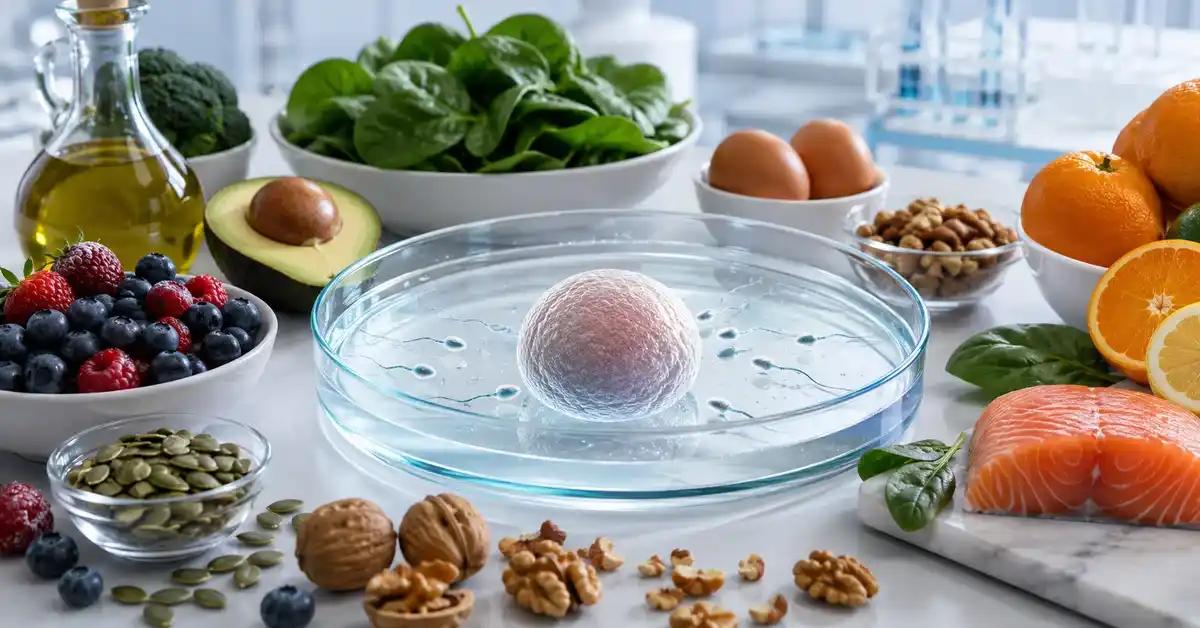
Nutrition plays a pivotal role in enhancing reproductive health and fertility for both men and women. The best foods to boost fertility naturally are those rich in essential vitamins and minerals that support hormone production, improve egg and sperm quality, and prepare the body for a healthy pregnancy. Natural fertility-boosting foods provide necessary nutrients without relying on synthetic supplements, making them a safe and effective choice for couples planning to conceive.
Foods to improve fertility in men focus on enhancing sperm count, motility, and morphology, while foods to improve fertility in women aim to regulate menstrual cycles, improve egg quality, and prepare the uterine lining. Fertility-boosting foods for men and fertility-boosting foods for women include a wide variety of vegetables, fruits, nuts, seeds, fish, and lean meats, all rich in essential nutrients. Foods to increase sperm count naturally and foods to enhance egg quality naturally work through providing antioxidants, vitamins, and minerals that protect reproductive cells from damage.
At Fertiliv in Istanbul, Turkey, we believe in a comprehensive approach to fertility that combines advanced medical treatments with proper nutrition. In this complete guide, we will explore foods rich in antioxidants for fertility, including foods rich in folic acid for fertility, foods rich in zinc for fertility, foods rich in vitamin E for fertility, foods rich in vitamin C for fertility, foods rich in omega-3 for fertility, and foods rich in selenium for fertility. We will also discuss foods rich in iron for fertility, foods rich in protein for fertility, and foods rich in fiber for fertility, providing you with a complete nutritional roadmap to support your fertility journey.
The Science Behind Nutrition and Reproductive Health
The relationship between diet and reproductive health is supported by strong scientific evidence. Best foods to boost fertility naturally provide essential nutrients that the body needs to produce sex hormones, develop healthy eggs and sperm, and maintain an optimal uterine environment for pregnancy. Research has shown that a balanced diet rich in antioxidants, vitamins, and minerals can significantly improve chances of natural conception and support fertility treatments.
Natural fertility-boosting foods work on multiple levels. First, they protect reproductive cells from oxidative damage caused by free radicals. Second, they support hormonal balance necessary for regular ovulation and healthy sperm production. Third, they improve blood flow to reproductive organs, enhancing their function. Fourth, they reduce inflammation that can negatively impact fertility. Foods rich in antioxidants for fertility are particularly important as they neutralize harmful free radicals that can damage DNA in eggs and sperm.
Nutritional Impact on Male Fertility
Foods to improve fertility in men specifically target the three main semen parameters: count, motility, and morphology. Fertility-boosting foods for men rich in antioxidants such as vitamin C, vitamin E, and selenium protect sperm from oxidative damage. Zinc is essential for testosterone production and sperm development, while omega-3 fatty acids improve sperm membrane fluidity and motility. Foods to increase sperm count naturally include those providing these critical nutrients in optimal amounts.
Studies have demonstrated that men following a diet rich in fruits, vegetables, whole grains, and fish have better sperm quality compared to those consuming diets high in saturated fats and processed meats. Foods to improve fertility in men should be part of a healthy lifestyle that also includes regular exercise, avoiding smoking and alcohol, and maintaining a healthy weight. The Mediterranean diet pattern has shown particularly promising results for male fertility.
Nutritional Impact on Female Fertility
Foods to improve fertility in women play a crucial role in regulating menstrual cycles, improving egg quality, and preparing the uterus for pregnancy. Fertility-boosting foods for women rich in antioxidants protect eggs from premature aging and oxidative damage. Folic acid is essential for preventing birth defects and improving egg quality, while iron supports regular ovulation and prevents anemia. Foods to enhance egg quality naturally provide these nutrients along with other vital compounds.
Research has shown that women following a Mediterranean-style diet rich in vegetables, fruits, whole grains, legumes, nuts, and olive oil have higher pregnancy rates. Natural fertility-boosting foods for women also help maintain a healthy weight, which is an important fertility factor, as both obesity and being underweight can negatively affect ovulation. The quality of diet before conception can influence not only fertility but also pregnancy outcomes and long-term health of the child.
Read about: Modern Fertility Treatments for Men and Women: Transform Your Parenthood Dreams
Folic Acid: The Essential Fertility Vitamin
Foods rich in folic acid for fertility are among the most important nutrients for women planning pregnancy. Folic acid, or vitamin B9, is essential for cell division and DNA formation, making it vital for healthy fetal development in the early weeks of pregnancy. Foods rich in folic acid for fertility also improve egg quality and support regular ovulation, making them crucial for both natural conception and fertility treatments.
Natural sources of folic acid include dark leafy greens such as spinach, kale, and romaine lettuce. Legumes such as lentils, beans, and chickpeas are exceptionally rich in folic acid. Citrus fruits like oranges and grapefruits, along with avocados and broccoli, are all excellent sources. Fortified whole grains and breads also provide good amounts of this important vitamin. Including a variety of these foods ensures adequate folic acid intake for optimal fertility.
Folic Acid Benefits for Men
Although folic acid is well-known for its importance in women, foods rich in folic acid for fertility are also beneficial for men. Studies have shown that folic acid plays a role in improving sperm count and reducing the percentage of sperm with chromosomal abnormalities. Folic acid deficiency in men can lead to decreased sperm count and increased rates of abnormal sperm, affecting fertility potential.
The recommended daily dose of folic acid for men planning to conceive is 400-800 micrograms, which can be obtained through a balanced diet rich in leafy greens and legumes. At Fertiliv, we provide comprehensive nutritional counseling for couples to ensure they receive all essential nutrients, including folic acid, to improve chances of natural conception and support fertility treatments.
Read about: Do Natural Fertility Vitamins Really Boost Your Chances of Conception?
Zinc: The Essential Mineral for Sperm Health
Foods rich in zinc for fertility play a crucial role in reproductive health, particularly for men. Zinc is essential for testosterone production, sperm development, and sperm motility. Zinc deficiency is associated with low testosterone levels, reduced sperm count, and poor sperm motility. Foods rich in zinc for fertility help maintain healthy levels of this vital mineral, supporting optimal male reproductive function.
Dietary sources rich in zinc include oysters, which contain the highest concentration of zinc compared to any other food. Red meat, poultry, and fish are also good sources. For vegetarians, legumes, nuts (especially cashews and almonds), seeds (especially pumpkin seeds), whole grains, and dairy products provide reasonable amounts of zinc. Including these fertility-boosting foods for men ensures adequate zinc intake for optimal sperm production.
Zinc and Female Reproductive Health
Foods rich in zinc for fertility are also important for women, as zinc plays a role in cell division, DNA production, and egg development. Zinc is necessary for regulating menstrual cycles and ovulation, and it supports hormonal balance. During pregnancy, zinc is vital for fetal growth and development, making adequate intake before conception important for preparing the body for a healthy pregnancy.
The recommended daily dose of zinc is 11 mg for men and 8 mg for women. It is important not to overconsume zinc, as very high doses can interfere with absorption of other minerals such as copper and iron. Best foods to boost fertility naturally include diverse sources of zinc within a balanced diet, ensuring optimal intake without excess.

Vitamin E and Omega-3: Powerful Antioxidant Protection
Foods rich in vitamin E for fertility and foods rich in omega-3 for fertility work as powerful antioxidants that protect reproductive cells from damage. Vitamin E protects cell membranes from oxidation, including those of sperm and eggs. Foods rich in vitamin E for fertility include nuts (especially almonds and hazelnuts), seeds (especially sunflower seeds), vegetable oils (olive oil and sunflower oil), avocados, and dark leafy greens. These natural fertility-boosting foods provide essential antioxidant protection.
Foods rich in omega-3 for fertility play an important role in improving blood flow to reproductive organs, regulating hormones, and reducing inflammation. Fatty fish such as salmon, sardines, mackerel, and tuna are the best sources of omega-3. For vegetarians, flaxseeds, chia seeds, walnuts, and flaxseed oil provide omega-3 from plant sources. Including these fertility-boosting foods for men and fertility-boosting foods for women supports overall reproductive health.
Vitamin E Benefits for Sperm Quality
Foods rich in vitamin E for fertility are particularly beneficial for men, as studies have shown that vitamin E improves sperm motility and ability to penetrate the egg. Vitamin E protects sperm from oxidative damage that can affect their DNA. It also works synergistically with selenium to enhance overall antioxidant protection. Foods to increase sperm count naturally should include rich sources of vitamin E for optimal reproductive function.
Incorporating vitamin E-rich foods into daily diet is simple. Eating a handful of almonds daily, adding sunflower seeds to salads, and using olive oil in cooking are all easy ways to increase vitamin E intake. At Fertiliv, we help couples develop personalized meal plans that ensure adequate intake of all necessary antioxidants, including vitamin E, to support their fertility journey.
Omega-3 and Egg Quality Enhancement
Foods rich in omega-3 for fertility are especially important for women, as they help improve egg quality and regulate menstrual cycles. Omega-3 supports development of healthy follicles and improves the uterine environment for implantation. Studies have shown that women consuming adequate amounts of omega-3 have higher pregnancy rates, particularly when using assisted reproductive technologies. Foods to enhance egg quality naturally should include regular servings of omega-3 rich foods.
Including fatty fish two to three times weekly is recommended for optimal omega-3 intake. It is important to choose low-mercury fish such as salmon and sardines. For women who do not consume fish, omega-3 can be obtained from plant sources or high-quality supplements under medical supervision. Natural fertility-boosting foods rich in omega-3 support not only fertility but also healthy pregnancy development.
Read about: How Do Hormones Affect Fertility? Essential Tests for Couples
Vitamin C and Selenium: Double Protection for Reproductive Cells
Foods rich in vitamin C for fertility and foods rich in selenium for fertility provide double protection for reproductive cells against oxidative damage. Vitamin C is one of the most powerful water-soluble antioxidants and plays a crucial role in protecting sperm and eggs. Foods rich in vitamin C for fertility include citrus fruits (oranges, lemons, grapefruits), strawberries, kiwi, bell peppers, broccoli, and tomatoes. These foods rich in antioxidants for fertility should be consumed daily for optimal protection.
Foods rich in selenium for fertility play an important role in protecting sperm from damage and improving motility. Selenium is necessary for forming antioxidant proteins in the body. Dietary sources rich in selenium include Brazil nuts (the richest source), fish, seafood, meat, eggs, and whole grains. Just one or two Brazil nuts daily provide the recommended amount of selenium, making them excellent fertility-boosting foods for men.
Vitamin C and Sperm Health
Foods rich in vitamin C for fertility are especially important for men who smoke or are exposed to high oxidative stress. Vitamin C prevents sperm from clumping together and improves their motility. Studies have shown that vitamin C supplementation can significantly improve sperm count, motility, and morphology. It also helps regenerate vitamin E, enhancing overall antioxidant protection. Foods to increase sperm count naturally should include diverse sources of vitamin C throughout the day.
Since the body does not store vitamin C, regular daily intake is necessary. Eating citrus fruits as snacks, adding bell peppers to salads, and consuming strawberries as a healthy dessert are all ways to increase vitamin C intake. Best foods to boost fertility naturally include multiple servings of vitamin C-rich foods daily to maintain optimal levels for reproductive health.
Selenium and Sperm Quality
Foods rich in selenium for fertility are essential for men, as selenium is highly concentrated in the testes and plays a direct role in sperm formation. Selenium deficiency is associated with reduced sperm motility and increased abnormalities. Selenium works as part of antioxidant enzymes that protect sperm during their development and maturation. Foods to improve fertility in men should include adequate selenium from natural sources.
It is important not to overconsume selenium, as very high doses can be toxic. The recommended daily dose is 55 micrograms for adults. Best foods to boost fertility naturally include Brazil nuts in moderate amounts (1-2 nuts daily) along with other selenium sources within a balanced diet, ensuring optimal intake without excess.
Read about: Hormones and Fertility: Complete Testing Guide for Couples
Iron and Protein: Building Blocks for Fertility
Foods rich in iron for fertility and foods rich in protein for fertility form the foundation for strong reproductive health. Iron is essential for producing hemoglobin, which carries oxygen to all body cells, including reproductive organs. Foods rich in iron for fertility are especially important for women, as iron deficiency can affect ovulation and increase the risk of infertility. Adequate iron intake supports regular menstrual cycles and prepares the body for pregnancy.
Dietary sources of iron are divided into two types: heme iron from animal sources (red meat, poultry, fish) which is better absorbed, and non-heme iron from plant sources (spinach, legumes, fortified whole grains) which is less efficiently absorbed. Consuming vitamin C with non-heme iron improves its absorption. Including diverse iron sources ensures adequate intake for optimal fertility in both men and women.
Protein for Egg and Sperm Quality
Foods rich in protein for fertility are essential for building and repairing tissues, including reproductive cells. Protein provides essential amino acids necessary for hormone production, egg and sperm development, and maintaining healthy uterine lining. Fertility-boosting foods for men and fertility-boosting foods for women should include diverse sources of high-quality protein to support optimal reproductive function.
Good protein sources include lean meats, poultry, fish, eggs, dairy products, legumes, nuts, and seeds. Studies have shown that replacing some animal protein with plant protein (from legumes and nuts) can improve fertility, especially in women. Balance between animal and plant protein sources is key. Natural fertility-boosting foods should include a variety of protein sources to ensure adequate intake of all essential amino acids.
Fiber and Complex Carbohydrates
Foods rich in fiber for fertility play an important role in regulating blood sugar levels and hormones. Fiber helps maintain a healthy weight, improve insulin sensitivity, and regulate menstrual cycles. Good fiber sources include whole grains, vegetables, fruits, legumes, and nuts. Complex carbohydrates from whole grains are better for fertility than refined simple carbohydrates, which can disrupt hormonal balance.
Natural fertility-boosting foods should include adequate fiber (25-30 grams daily) from diverse sources. Oats, quinoa, brown rice, whole grain bread, leafy vegetables, and fruits all provide beneficial fiber. At Fertiliv, we help couples develop balanced meal plans that ensure adequate intake of all essential nutrients, including foods rich in protein for fertility, foods rich in iron for fertility, and foods rich in fiber for fertility, to support their reproductive health journey.
Read about: Natural Fertility Treatments: Effective Solutions to Increase Pregnancy Chances
Conclusion
Best foods to boost fertility naturally are those providing a comprehensive range of essential vitamins and minerals that support reproductive health. Natural fertility-boosting foods include a wide variety of dark leafy greens, colorful fruits, whole grains, legumes, nuts, seeds, fatty fish, and lean meats. Foods to improve fertility in men focus on enhancing sperm quality through foods rich in zinc for fertility, foods rich in selenium for fertility, and foods rich in vitamin E for fertility, along with foods to increase sperm count naturally.
Foods to improve fertility in women aim to enhance egg quality and regulate menstrual cycles through foods rich in folic acid for fertility, foods rich in iron for fertility, and foods rich in omega-3 for fertility. Foods rich in vitamin C for fertility and foods rich in protein for fertility are important for both sexes. Fertility-boosting foods for men and fertility-boosting foods for women should be part of a comprehensive healthy lifestyle that includes regular exercise, stress management, avoiding smoking and alcohol, and maintaining a healthy weight.
At Fertiliv in Istanbul, Turkey, we offer a comprehensive approach to fertility that combines the latest medical treatments with specialized nutritional guidance. Our team of experts is ready to help you develop a personalized nutrition plan that includes foods rich in antioxidants for fertility to improve your chances of natural conception or support fertility treatments. Foods to enhance egg quality naturally and foods to increase sperm count naturally can make a significant difference in your journey to parenthood. For comprehensive and personalized nutritional consultation to enhance your fertility, you can contact the Fertiliv team via WhatsApp.
Frequently Asked Questions: Best Foods to Boost Fertility Naturally
What are the best foods to improve fertility in men?
Foods to improve fertility in men include those rich in antioxidants and essential minerals. Fertility-boosting foods for men encompass foods rich in zinc for fertility such as oysters, lean red meat, and nuts. Foods rich in selenium for fertility like Brazil nuts and fish are important for protecting sperm. Foods rich in vitamin E for fertility such as almonds and sunflower seeds improve sperm motility. Foods rich in vitamin C for fertility like citrus fruits and bell peppers protect against oxidative damage. Foods rich in omega-3 for fertility such as salmon and sardines improve overall sperm quality. Foods to increase sperm count naturally should include a combination of these nutrient-dense options within a balanced Mediterranean-style diet.
What are the best foods to improve fertility in women?
Foods to improve fertility in women focus on enhancing egg quality and regulating menstrual cycles. Fertility-boosting foods for women include foods rich in folic acid for fertility such as spinach, lentils, and citrus fruits, which are essential for egg health and preventing birth defects. Foods rich in iron for fertility like red meat and legumes support regular ovulation. Foods to enhance egg quality naturally include foods rich in omega-3 for fertility such as fatty fish and flaxseeds. Foods rich in vitamin C for fertility and foods rich in vitamin E for fertility protect eggs from premature aging. Foods rich in protein for fertility from diverse plant and animal sources are also important. Natural fertility-boosting foods should be part of a balanced diet that supports healthy weight and hormonal balance.
How long does it take to see fertility improvements through nutrition?
Improvements in fertility through natural fertility-boosting foods typically take 3-6 months to show measurable results. For men, the sperm production cycle takes approximately 74 days, so foods to increase sperm count naturally need at least 3 months to show improvement in semen analysis. For women, foods to enhance egg quality naturally may need 3-4 months to improve the quality of maturing eggs. Consistency in consuming best foods to boost fertility naturally within a comprehensive healthy lifestyle is key to achieving optimal results. At Fertiliv, we provide ongoing nutritional support and monitoring to help couples optimize their diet for fertility.
Can nutrition alone solve fertility problems?
Best foods to boost fertility naturally can significantly improve chances of natural conception, but they may not be sufficient alone to solve all fertility problems. Natural fertility-boosting foods are highly effective when nutritional deficiency or unhealthy lifestyle is the primary cause. However, in cases of infertility due to medical causes such as blocked fallopian tubes, structural uterine problems, or severe sperm abnormalities, medical treatments may be necessary. At Fertiliv, we offer an integrated approach that combines proper nutrition with advanced medical treatments to achieve the best outcomes. Foods rich in antioxidants for fertility support both natural conception and assisted reproductive technologies.
Are there foods to avoid for better fertility?
Yes, certain foods can negatively impact fertility and should be reduced or avoided. Processed foods high in trans fats and refined sugars can affect hormonal balance and ovulation. Alcohol should be avoided or significantly reduced, as it affects both sperm and egg quality. High amounts of caffeine (more than 200-300 mg daily) may impact fertility. High-mercury fish such as swordfish and king mackerel should be avoided. Instead, focusing on natural fertility-boosting foods, foods rich in antioxidants for fertility, fertility-boosting foods for men, and fertility-boosting foods for women from whole natural sources is best for improving reproductive health and supporting your journey to parenthood.