
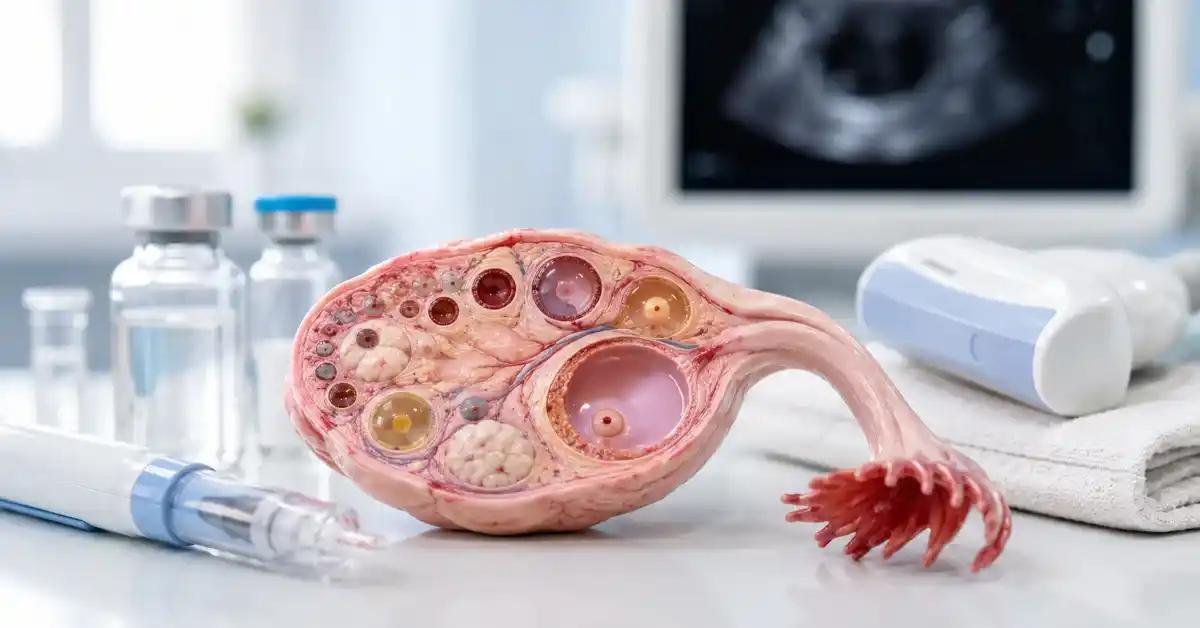
PCOS Treatment to Improve Fertility and Support Pregnancy Chances

Manar Hegazy

Majd Eddin Khaled
PCOS treatment is an important step for many women who experience irregular periods, ovulation problems, or delayed pregnancy. Polycystic ovary syndrome can affect hormone balance, insulin response, menstrual rhythm, and the ability of the ovary to release an egg regularly. For this reason, PCOS and fertility are closely connected, especially when ovulation becomes unpredictable or absent in some cycles.
At Fertiliv IVF Center in Istanbul, PCOS treatment is planned according to each woman’s symptoms, age, cycle pattern, hormone results, ultrasound findings, and pregnancy goals. The aim is not only to reduce symptoms, but also to support ovulation, improve metabolic health, and increase the chance of pregnancy in a safe and realistic way.
Improving fertility with PCOS usually requires a complete plan. This may include PCOS lifestyle changes, a PCOS diet plan, insulin resistance PCOS treatment, PCOS medication, and, in selected cases, ovulation induction PCOS. The best approach is always individualized, because PCOS does not appear the same way in every woman.
What is PCOS Treatment and Fertility Improvement
PCOS treatment means managing the hormonal, metabolic, and reproductive effects of polycystic ovary syndrome. It may focus on improving cycle regularity, reducing symptoms such as acne or excess hair growth, supporting weight balance, treating insulin resistance, or helping ovulation occur more predictably when pregnancy is desired.
Fertility improvement in PCOS begins with understanding the main barrier to pregnancy. In many women, the central issue is irregular ovulation. When the egg is not released regularly, it becomes harder to identify fertile days and achieve pregnancy naturally. This is why managing PCOS for fertility requires both symptom control and ovulation-focused care.
PCOS symptoms and treatment
PCOS symptoms and treatment vary from one woman to another. Common symptoms may include irregular periods, long cycles, missed periods, acne, increased hair growth, weight gain, difficulty losing weight, and delayed pregnancy. Some women have clear symptoms, while others discover PCOS only after fertility evaluation.
PCOS symptoms and treatment should be connected to the woman’s goal. If pregnancy is the priority, the plan usually focuses on improving ovulation and identifying the fertile window. If pregnancy is not currently planned, treatment may focus more on cycle regulation, hormone balance, and reducing visible symptoms. Fertiliv evaluates the full picture before choosing the most suitable path.
PCOS and fertility
PCOS and fertility are connected because PCOS can interfere with regular ovulation. When ovulation does not occur consistently, pregnancy may take longer even if other fertility factors are normal. PCOS ovulation problems can also make it difficult to know the best days for intercourse or fertility treatment.
However, PCOS and fertility challenges can often be managed. Many women with PCOS can become pregnant with the right combination of lifestyle support, medical treatment, ovulation tracking, and fertility care when needed. The important point is to avoid random treatment and build a clear plan based on diagnosis.
PCOS infertility treatment
PCOS infertility treatment usually begins with checking whether ovulation is occurring. If cycles are irregular or ovulation is absent, the doctor may recommend lifestyle changes, insulin resistance management, or medication to stimulate ovulation. The treatment depends on age, cycle pattern, hormone results, and how long the couple has been trying to conceive.
PCOS infertility treatment may also include evaluating the partner’s sperm analysis and checking other fertility factors when needed. This is important because improving fertility with PCOS should not focus only on the ovaries. A complete couple-based evaluation helps avoid delays and supports a more accurate treatment plan.
Read about: Modern Fertility Treatments for Men and Women: Transform Your Parenthood Dreams
Best PCOS Treatment Options
The best PCOS treatment options are the ones that match the woman’s symptoms and reproductive goals. PCOS is not treated with one universal plan. A woman trying to get pregnant may need a different approach from a woman mainly seeking cycle control or symptom relief.
Treatment may include PCOS lifestyle changes, PCOS diet plan adjustments, PCOS medication, insulin resistance PCOS treatment, and ovulation induction PCOS when pregnancy is desired. At Fertiliv, the plan is selected step by step so treatment remains safe, realistic, and aligned with fertility goals.
best treatment for PCOS
The best treatment for PCOS is not the same for every woman. For some, the best treatment for PCOS may start with nutrition, physical activity, and weight management. For others, PCOS medication or ovulation support may be needed to restore more regular cycles and improve pregnancy chances.
A good treatment plan should answer three questions: What symptoms are present? Is pregnancy desired now? Is insulin resistance or ovulation dysfunction part of the problem? Once these points are clear, the doctor can choose the most appropriate PCOS treatment instead of using a general plan for all patients.
PCOS medication
PCOS medication may be used for different goals. Some medications help regulate cycles, some reduce hormone-related symptoms, some improve insulin resistance, and others help stimulate ovulation when pregnancy is planned. The choice depends on the woman’s condition and treatment goal.
When fertility is the priority, PCOS medication may be used to support ovulation under medical supervision. Monitoring is important because the aim is to encourage a safe ovarian response, not to overstimulate the ovaries. Fertiliv uses medication as part of a structured plan with follow-up and clear timing.
PCOS lifestyle changes
PCOS lifestyle changes are often a key part of treatment. These changes may include balanced meals, regular movement, better sleep, stress control, and weight management when needed. Even small consistent improvements can support hormone balance and help the body respond better to treatment.
PCOS lifestyle changes are especially useful when insulin resistance, weight gain, or irregular cycles are present. They may not replace medical care in every case, but they create a healthier foundation for fertility treatment. Managing PCOS for fertility is usually more effective when lifestyle and medical planning work together.

Natural PCOS Treatment Methods
Natural PCOS treatment methods can support hormone balance, insulin sensitivity, and menstrual regularity, especially when combined with medical evaluation. However, natural care should be realistic. It should not be presented as a guaranteed cure or a replacement for treatment when ovulation problems are severe.
How to treat PCOS naturally usually includes nutrition improvement, physical activity, weight balance, stress reduction, and sleep support. Natural remedies for PCOS should be approached carefully, because not every supplement or herbal product is safe or effective for every woman.
natural remedies for PCOS
Natural remedies for PCOS are commonly searched by women who want a gentle approach. Some lifestyle-based strategies may support overall hormonal health, but herbal or supplement-based remedies should not be used without medical advice, especially when pregnancy is planned or medications are being taken.
Natural remedies for PCOS should never delay proper diagnosis. If periods are absent for months, pregnancy is delayed, or symptoms are worsening, medical evaluation is important. Fertiliv may combine safe lifestyle support with medical care when this gives the best chance of improvement.
How to treat PCOS naturally
How to treat PCOS naturally starts with daily habits that support hormone and insulin balance. This may include reducing refined sugars, choosing high-fiber foods, eating enough protein, staying physically active, improving sleep quality, and maintaining a healthy weight when needed.
Still, How to treat PCOS naturally does not mean ignoring medical treatment. If PCOS ovulation problems continue or pregnancy is delayed, the natural approach may need to be combined with PCOS medication or ovulation induction PCOS. The best plan is one that supports the body while addressing the actual cause of infertility.
PCOS weight loss treatment
PCOS weight loss treatment may be helpful for women who have excess weight and insulin resistance. The goal is not extreme dieting, but gradual, sustainable improvement in metabolic health. Better insulin sensitivity may support more regular cycles and improve the response to fertility treatment.
PCOS weight loss treatment should be individualized. Not every woman with PCOS is overweight, and not every fertility issue is solved by weight loss alone. A balanced plan should focus on health, ovulation, and long-term sustainability rather than quick results.
Read about: Do Natural Fertility Vitamins Really Boost Your Chances of Conception?
PCOS Diet and Nutrition
A PCOS diet plan can play an important role in managing symptoms and supporting fertility. The goal is to reduce blood sugar spikes, improve insulin response, and provide the body with steady energy. A helpful plan often includes vegetables, lean proteins, healthy fats, fiber-rich carbohydrates, and fewer highly processed foods.
Nutrition is especially important when insulin resistance is present. Insulin resistance PCOS treatment may become more effective when combined with a consistent PCOS diet plan and regular movement. Fertiliv encourages realistic changes that women can maintain over time.
PCOS diet plan
A PCOS diet plan should not be based on extreme restriction. Instead, it should focus on balanced meals that help stabilize blood sugar and support hormone balance. This may include protein at each meal, high-fiber vegetables, whole grains in suitable amounts, and healthy fats.
A PCOS diet plan may also involve reducing sugary drinks, sweets, white flour products, and frequent high-calorie snacks. These changes may support managing PCOS for fertility, especially when combined with sleep improvement, physical activity, and medical follow-up.
insulin resistance PCOS treatment
Insulin resistance PCOS treatment is important because insulin resistance can worsen hormone imbalance and affect ovulation. When the body does not respond efficiently to insulin, insulin levels may rise, which can influence androgen levels and disrupt menstrual cycles.
Insulin resistance PCOS treatment may include nutrition changes, regular exercise, weight management when needed, and medication in selected cases. Treating this side of PCOS may help improve cycle regularity and support ovulation, which is important for women trying to conceive.
Managing PCOS for fertility
Managing PCOS for fertility means creating a plan that supports ovulation and pregnancy chances while also improving overall health. This may include cycle tracking, hormone testing, ultrasound monitoring, insulin resistance care, and lifestyle support.
Managing PCOS for fertility should also include evaluation of the couple, not only the woman. Sperm quality, timing, age, and other fertility factors can influence the final plan. Fertiliv focuses on the full picture so treatment decisions are more precise and practical.
Read about: The Best Foods to Naturally Boost Fertility in Men and Women
PCOS and Pregnancy
PCOS and pregnancy can be a hopeful topic when the condition is managed correctly. PCOS may delay pregnancy, but it does not mean pregnancy is impossible. The main challenge is often irregular ovulation, which makes timing and conception more difficult.
For women asking How to get pregnant with PCOS, the answer begins with confirming whether ovulation is occurring. If ovulation is irregular, the doctor may recommend lifestyle support, insulin resistance management, ovulation tracking, medication, or assisted reproductive options when needed.
How to get pregnant with PCOS
How to get pregnant with PCOS depends on the woman’s age, cycle pattern, ovulation status, and fertility history. The first step is usually to evaluate hormones, ultrasound findings, and whether ovulation is happening. If cycles are long or unpredictable, timing intercourse without medical guidance may be difficult.
How to get pregnant with PCOS may involve PCOS lifestyle changes, targeted medication, or ovulation induction PCOS. If pregnancy does not occur after appropriate steps, more advanced fertility options can be discussed based on the couple’s full evaluation.
PCOS ovulation problems
PCOS ovulation problems are one of the main reasons for delayed pregnancy in women with PCOS. Ovulation may happen late, irregularly, or not at all in some cycles. This makes it harder to identify fertile days and can reduce monthly pregnancy chances.
PCOS ovulation problems can often be improved with lifestyle support, insulin resistance PCOS treatment, and medical ovulation support when needed. Ultrasound monitoring may help identify follicle growth and guide the best timing for conception or fertility procedures.
improving fertility with PCOS
Improving fertility with PCOS starts with understanding the cause of ovulation disruption. If insulin resistance, weight changes, or hormone imbalance are present, they should be addressed as part of the treatment plan. This may improve the body’s response and make ovulation more predictable.
Improving fertility with PCOS may also require PCOS medication or ovulation induction PCOS when natural ovulation remains irregular. Fertiliv creates individualized plans so each woman receives care based on her reproductive goals and medical profile.
Read about: How Do Hormones Affect Fertility? Essential Tests for Couples
Hormonal Balance in PCOS
Hormonal balance is central to PCOS treatment. Many women with PCOS have irregular ovulation, increased androgen activity, or insulin-related hormonal disruption. These changes can affect the menstrual cycle, skin, hair growth, and fertility.
PCOS hormone imbalance treatment should be based on proper testing. The doctor may evaluate reproductive hormones, thyroid function, prolactin, glucose metabolism, and ultrasound findings. A structured approach helps identify which part of the hormonal system needs treatment.
PCOS hormone imbalance treatment
PCOS hormone imbalance treatment may include lifestyle care, medication, insulin resistance support, and ovulation-focused therapy when pregnancy is planned. The goal is to reduce the hormonal disruption that affects cycles and fertility.
PCOS hormone imbalance treatment should not be started randomly. Similar symptoms can sometimes be caused by other hormonal conditions, so diagnosis matters. Once the cause is clear, treatment becomes safer and more effective.
Ovulation induction PCOS
Ovulation induction PCOS is used when a woman wants to become pregnant and ovulation is irregular or absent. The goal is to help the ovary develop and release an egg in a controlled way. This treatment should be monitored by a fertility specialist.
Ovulation induction PCOS may involve oral medication or, in selected cases, injectable treatment. Ultrasound follow-up helps the doctor check follicle growth and choose the right timing. This improves safety and may increase pregnancy chances when PCOS ovulation problems are the main barrier.
Read about: Hormones and Fertility: Complete Testing Guide for Couples
Long-Term Fertility Strategies
Long-term fertility strategies for PCOS should focus on sustainable health, not short-term fixes. PCOS can change over time, and symptoms may improve or return depending on lifestyle, weight, insulin resistance, and hormone balance. For this reason, regular follow-up is important.
A strong long-term plan may include a PCOS diet plan, PCOS lifestyle changes, insulin resistance PCOS treatment, cycle monitoring, and timely fertility care when pregnancy is desired. The aim is to avoid delays and make decisions based on clear medical information.
improving fertility with PCOS
Improving fertility with PCOS over the long term requires consistency. Healthy habits, regular monitoring, and early treatment when ovulation problems appear can make a meaningful difference. If pregnancy is planned, waiting too long without evaluation may reduce available options, especially when age is also a factor.
Improving fertility with PCOS may be simple in some cases and more advanced in others. Fertiliv supports women by identifying the right level of care, from lifestyle guidance and ovulation tracking to medical treatment or assisted reproduction when needed.
Managing PCOS for fertility
Managing PCOS for fertility should be proactive. If cycles are irregular, ovulation should be evaluated. If insulin resistance is present, it should be addressed. If pregnancy is delayed, both partners should be assessed so the treatment plan does not miss another contributing factor.
Managing PCOS for fertility also means setting realistic expectations. Some women respond well to lifestyle and medication, while others may need additional fertility support. The plan should be flexible and reviewed as results appear.
PCOS and fertility
PCOS and fertility should be understood as a manageable relationship, not a fixed barrier. PCOS can reduce fertility mainly through irregular ovulation, but many women can improve their chances with structured care and timely treatment.
When PCOS and fertility are managed together, the focus becomes clearer: regulate ovulation, improve metabolic health, monitor response, and choose the right treatment step. Fertiliv IVF Center provides individualized support to help couples move forward with confidence.
Read about: Natural Fertility Treatments: Effective Solutions to Increase Pregnancy Chances
Conclusion
PCOS treatment to improve fertility requires a complete and realistic approach. The condition may involve hormone imbalance, insulin resistance, irregular ovulation, weight-related challenges, and delayed pregnancy. For this reason, searching for one universal solution is not enough. The most effective plan is the one designed around the woman’s symptoms, test results, and pregnancy goals.
Treatment may include PCOS lifestyle changes, a PCOS diet plan, insulin resistance PCOS treatment, PCOS medication, or ovulation induction PCOS when needed. Natural support can be useful, but it should not replace medical care when ovulation problems or infertility are present.
At Fertiliv IVF Center in Istanbul, each case is evaluated individually to choose the best treatment for PCOS and support fertility with clear, safe, and organized care.
Frequently Asked Questions: PCOS Treatment to Improve Fertility
What is the best treatment for PCOS when trying to conceive?
The best treatment for PCOS when trying to conceive depends on the cause of delayed pregnancy. If irregular ovulation is the main issue, treatment may focus on ovulation tracking, lifestyle support, PCOS medication, or ovulation induction PCOS.
There is no single best treatment for PCOS for all women. The doctor should evaluate age, cycle pattern, hormone results, insulin resistance, ultrasound findings, and the couple’s fertility history before choosing the plan.
Can natural remedies for PCOS improve fertility?
Natural remedies for PCOS may support general hormonal and metabolic health when they include safe lifestyle steps such as balanced nutrition, regular movement, better sleep, and stress control. These steps may help some women with mild symptoms.
However, natural remedies for PCOS should not replace medical evaluation, especially when pregnancy is delayed or cycles are absent. Improving fertility with PCOS often requires a structured plan that may include both natural support and medical treatment.
How to get pregnant with PCOS if periods are irregular?
How to get pregnant with PCOS when periods are irregular starts with confirming whether ovulation is happening. If ovulation is absent or unpredictable, the doctor may recommend tracking, insulin resistance treatment, or medication to support ovulation.
How to get pregnant with PCOS also depends on other fertility factors, including sperm quality and age. A complete evaluation helps choose the right treatment instead of relying only on calendar calculations.
Does a PCOS diet plan help with fertility?
A PCOS diet plan can support fertility by helping improve insulin response, weight balance, and hormone stability. It may be especially useful when insulin resistance is part of the condition.
A PCOS diet plan works best when combined with physical activity, sleep improvement, and medical follow-up. For some women, diet alone may not be enough, and PCOS medication or ovulation induction PCOS may be needed.
What causes PCOS ovulation problems?
PCOS ovulation problems are often related to hormone imbalance and insulin resistance. These factors may prevent the follicle from developing and releasing an egg regularly, which can make pregnancy more difficult.
PCOS ovulation problems can be managed with lifestyle changes, insulin resistance PCOS treatment, and fertility medication when appropriate. Monitoring helps determine whether ovulation is improving and when additional treatment is needed.