
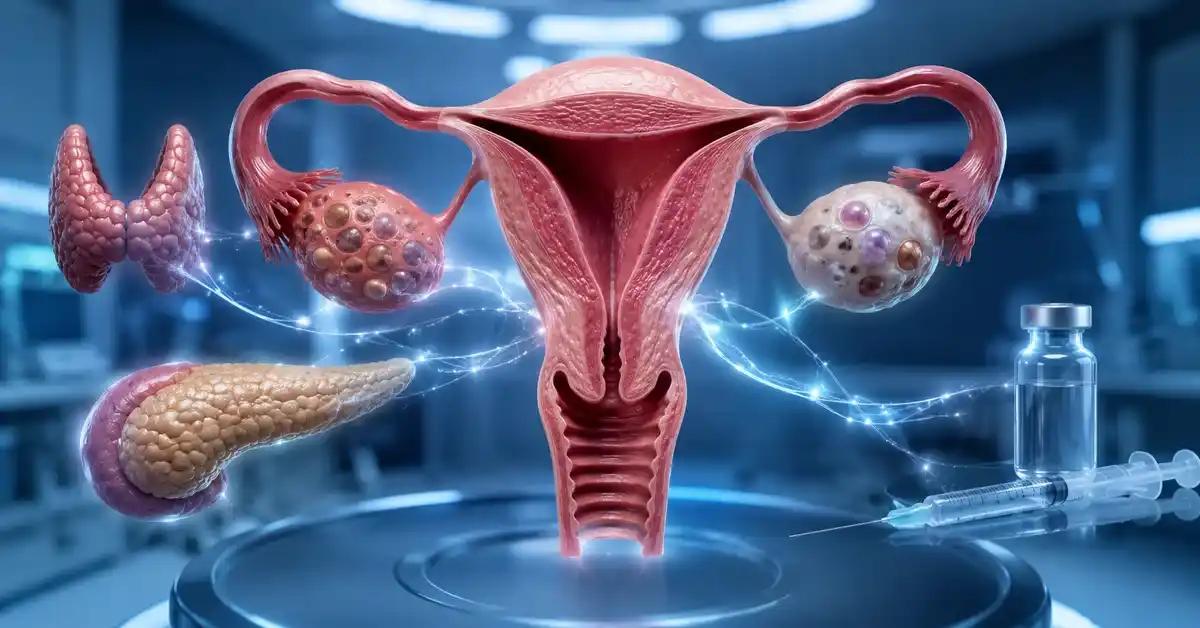
Chronic Diseases And Fertility: How Can You Achieve Parenthood Despite Health Challenges?

Manar Hegazy

Majd Eddin Khaled
Living with a chronic disease does not mean the dream of parenthood is over. It means that pregnancy planning may need more structure, more medical coordination, and more careful timing. Conditions such as diabetes, thyroid disorders, hypertension, obesity, autoimmune disease, kidney disease, or other long-term health problems can affect fertility and pregnancy in different ways, but many couples can still move toward pregnancy when health is optimized.
At Fertiliv, chronic diseases and fertility are approached through a complete view of both partners. Fertility treatment is not separated from general health. The body needs the safest possible environment for conception, embryo implantation, and pregnancy. Whether the plan is natural conception, medical support, or IVF/ICSI, controlling chronic illness before treatment can make the path clearer and safer.
How Chronic Diseases Can Affect Fertility
Chronic diseases may affect fertility through hormones, ovulation, egg quality, sperm quality, sexual function, uterine environment, or pregnancy safety. Some conditions, such as thyroid disease or insulin resistance, may disturb the menstrual cycle and ovulation. Others may not prevent conception but may make pregnancy higher risk if not well controlled.
In men, chronic illness may affect fertility through hormone changes, sperm production, erection, ejaculation, or medication side effects. This is why fertility evaluation should include both partners. Fertiliv reviews the couple’s full history so that chronic disease becomes part of the plan, not an overlooked detail.
Chronic Illness Is Not Always Infertility
A diagnosis does not automatically mean infertility. Many people with diabetes, thyroid disease, hypertension, autoimmune disease, or obesity can become parents, especially when the condition is well managed. The real question is not only the name of the disease, but how stable it is and whether it affects fertility factors.
Instead of asking, “Can I ever get pregnant with this disease?” it is more useful to ask, “Is my condition controlled? Are my medications safe for pregnancy? Do I need changes before trying?” These questions turn fear into action.
Why Preconception Planning Matters
Preconception planning is especially important with chronic illness. Some medications may need adjustment, some lab results need optimization, and some patients need clearance or follow-up from a specialist before trying to conceive or starting fertility treatment.
Planning early can reduce avoidable risks. Fertiliv in Turkey encourages patients to bring previous reports, medication lists, and specialist notes. These details help build a safer plan before ovarian stimulation, embryo transfer, or pregnancy.
Read about: Weak Ovulation: A Clear Guide to Diagnosis and Treatment Options
Diabetes And Fertility
Diabetes and fertility may be connected in several ways, especially when blood sugar is not well controlled. In women, diabetes may be associated with ovulation problems, insulin resistance, weight changes, or irregular cycles. Blood sugar control also matters before and during pregnancy because pregnancy places extra demands on the body.
In men, diabetes may affect erection, ejaculation, hormones, or sperm quality in some cases. Therefore, infertility treatment with chronic illness should include diabetes assessment in both partners when relevant. Blood sugar control is not a small side step; it is part of fertility preparation.
Controlling Blood Sugar Before Pregnancy
Controlling blood sugar before pregnancy helps make the plan safer. This does not mean every patient must be perfect before starting, but the condition should be stable enough according to medical advice. HbA1c, medications, diet, activity, and overall health may need review.
If IVF or ICSI is planned, blood sugar control before stimulation and embryo transfer is important. Fertiliv may recommend coordination with an endocrinologist or diabetes specialist because fertility care and metabolic health are closely connected.
Can IVF Be Done With Diabetes?
Yes, IVF can be done in many patients with diabetes when the condition is controlled and monitored. However, starting treatment while blood sugar is very unstable may not be safe. Pregnancy itself needs a healthy and monitored environment whenever possible.
The plan may include preconception review, medication adjustment, blood sugar monitoring, and then fertility treatment when medically appropriate. The goal is not unnecessary delay, but safer timing.
Read about: The Hidden Link Between Thyroid Function and Fertility: A Complete Clinical Guide
Thyroid Disease And Fertility
Thyroid disease and fertility are closely linked because thyroid hormones influence menstrual rhythm, ovulation, energy, and pregnancy support. Hypothyroidism may be associated with irregular cycles, ovulation problems, high prolactin in some cases, or delayed conception. Hyperthyroidism can also disturb the body and should be controlled before pregnancy.
TSH and related thyroid tests may be part of fertility evaluation, especially with irregular cycles, delayed pregnancy, miscarriage history, fatigue, weight changes, palpitations, or hair loss. Fertiliv interprets thyroid results as part of the whole fertility picture.
Hypothyroidism And Pregnancy Planning
Uncontrolled hypothyroidism may reduce fertility or make pregnancy more sensitive. However, when diagnosed and treated properly, many women can continue fertility planning successfully. The diagnosis itself should not create fear; uncontrolled disease is the main concern.
Women already using thyroid medication may need dose review before or during pregnancy. Medication should not be stopped or changed without medical advice because hormone stability matters for fertility and pregnancy.
Hyperthyroidism Before Pregnancy
Hyperthyroidism may cause irregular cycles, palpitations, weight loss, anxiety, and general weakness. Before pregnancy, the condition should be evaluated and treated appropriately. Some medications may need review when pregnancy is planned.
In IVF or ICSI, focusing only on eggs and embryos is not enough. If thyroid function is unstable, preparation may need to wait until control improves. Fertiliv IVF Center guides patients toward appropriate testing before treatment begins.

Hypertension, Heart Health, And Pregnancy
Hypertension and pregnancy require careful planning. Some women already know they have high blood pressure before pregnancy, while others have risk factors such as obesity, family history, or kidney problems. Uncontrolled hypertension can make pregnancy more sensitive and should be reviewed before fertility treatment.
Some heart or vascular conditions require specialist clearance before pregnancy. This does not always mean pregnancy is impossible, but it does mean that the decision should be safe and well planned. Fertiliv helps patients understand when additional medical evaluation is needed.
Reviewing Blood Pressure Medications
Some blood pressure medications may not be suitable for pregnancy. They may need to be changed before conception, but they should never be stopped suddenly without medical guidance. Uncontrolled blood pressure can be dangerous.
Before IVF, it may be important to confirm that blood pressure is stable and that no serious complications are present. This supports safer stimulation, embryo transfer, and pregnancy follow-up.
When Is Specialist Input Needed?
If the patient has heart disease, severe hypertension, kidney disease, or previous serious pregnancy complications, consultation with a specialist may be recommended before pregnancy. This helps protect the mother and future baby.
Teamwork between doctors is important. The fertility doctor plans the reproductive treatment, while the specialist helps control the chronic disease. Together, the plan becomes safer and more realistic.
Read about: PCOS Treatment to Improve Fertility and Support Pregnancy Chances
Obesity, Insulin Resistance, And Delayed Pregnancy
Obesity and infertility can be connected, especially when excess weight is linked to insulin resistance, ovulation problems, PCOS, or low-grade inflammation. Weight may also affect medication response, pregnancy monitoring, and pregnancy risks.
The conversation about weight should always be respectful. The goal is not blame, but improving safety and fertility chances. Even modest lifestyle changes may help some women improve cycle regularity and prepare for treatment, but weight loss should not become an endless delay without a clear plan.
Is Weight Loss Always Required Before Fertility Treatment?
Not every woman needs major weight loss before fertility treatment. When obesity, insulin resistance, or PCOS is present, lifestyle improvement may help. However, the decision should also consider age, ovarian reserve, infertility duration, and male factors.
Sometimes delaying treatment for weight loss is not suitable, especially when age or ovarian reserve is urgent. Fertiliv avoids one rule for everyone and balances health improvement with time-sensitive fertility factors.
Lifestyle As Part Of The Plan
Good sleep, balanced nutrition, moderate activity, smoking reduction, and stress management can support fertility. These steps do not replace medical treatment, but they help prepare the body for pregnancy or IVF.
It is often better when both partners work on lifestyle together. Fertility is a shared journey, and habits are easier to improve when the plan is realistic rather than extreme.
Read about: The Impact of Excess Weight on Reproductive Health: Understanding the Link Between Obesity and Fertility
Autoimmune Disease And Other Chronic Conditions
Autoimmune disease and pregnancy need careful evaluation. Some autoimmune conditions are stable and do not prevent pregnancy, while others need disease control and medication review before conception. Examples include lupus, rheumatoid disease, inflammatory bowel disease, and some clotting disorders.
Immune treatments or blood thinners should not be used randomly simply because pregnancy is delayed. Treatment must be based on clear diagnosis, medical history, and appropriate tests. Fertiliv focuses on correct evaluation rather than general formulas.
Disease Stability Before Pregnancy
With autoimmune disease, stability before pregnancy is often very important. If the disease is active, the doctor may recommend waiting until it is controlled. Waiting in this setting is not giving up; it is choosing a safer time.
Some medications may need to be changed before pregnancy, while others may be continued under specialist supervision. Patients should bring a complete medication list to the fertility consultation.
Medication Review Before Treatment
Medication review is essential in chronic disease and fertility planning. Some medications are relatively safe, some require adjustment, and some are not suitable for pregnancy. Patients should not stop medication without medical advice.
The review should include prescription medications, supplements, herbal products, pain medications, steroids, and blood thinners. The goal is to protect both fertility and disease stability.
Read about: Endometriosis And Pregnancy: Is Natural Conception Possible Or Is IVF Necessary?
Infertility Treatment With Chronic Illness
Infertility treatment with chronic illness does not always mean a different fertility protocol, but it does mean a more personalized plan. A woman may need additional tests before stimulation, adjusted timing, or closer pregnancy follow-up. A man may need semen analysis or hormonal evaluation if his chronic disease may affect fertility.
At Fertiliv in Istanbul, planning depends on disease type, stability, age, ovarian reserve, semen analysis, and uterine factors. The plan may involve guided natural trying, simpler fertility treatment, or IVF/ICSI. The right choice depends on the couple’s full medical picture.
When Is IVF Or ICSI Suitable?
IVF or ICSI may be suitable when chronic illness is combined with long infertility, male factor infertility, blocked tubes, low ovarian reserve, or repeated unsuccessful attempts. It may also help organize timing when time is important.
However, IVF is not a substitute for controlling chronic illness. If blood sugar, blood pressure, or thyroid function is unstable, treatment may need to wait until medical control improves. The aim is a possible and safer pregnancy, not just a fast start.
A Shared Plan Between Specialists
The best care for chronic disease and fertility often involves more than one doctor. A fertility specialist, endocrinologist, cardiologist, rheumatologist, nephrologist, or internal medicine doctor may be involved depending on the condition.
When the plan is clear, chronic illness becomes something to manage rather than a mysterious obstacle. Fertiliv helps couples turn health challenges into organized steps toward parenthood.
Read about: Uterine Fibroids And Fertility: When Do They Affect Pregnancy And How Are They Treated?
Conclusion
Chronic diseases and fertility do not mean the dream of parenthood is impossible. Diabetes, thyroid disease, hypertension, obesity, autoimmune disease, and other conditions may need control and planning, but they do not remove hope in many cases. The key is not to begin fertility treatment while ignoring general health.
The best step is a complete evaluation of both partners, medication review, control of the chronic condition, and then selection of the right path, whether natural conception, assisted treatment, or IVF/ICSI. Fertiliv creates personalized plans that respect both medical safety and the couple’s desire for pregnancy.
Frequently Asked Questions: Chronic Diseases And Fertility: How Can You Achieve Parenthood Despite Health Challenges?
Do Chronic Diseases Always Prevent Pregnancy?
No. Many chronic diseases do not prevent pregnancy when they are controlled and monitored before and during pregnancy.
Can IVF Be Done With Diabetes?
Yes, in many cases, if blood sugar is stable and the patient is medically assessed before treatment.
Can Thyroid Disease Affect Fertility?
Yes. Thyroid disorders may affect cycles and ovulation, but proper treatment can support fertility planning.
Should I Stop My Chronic Medication Before Pregnancy?
No. Never stop medication without your doctor. Some medicines are changed, while others may continue safely.
How Does Fertiliv Help In These Cases?
Fertiliv evaluates health and fertility together, then coordinates a personalized plan with needed specialists.