
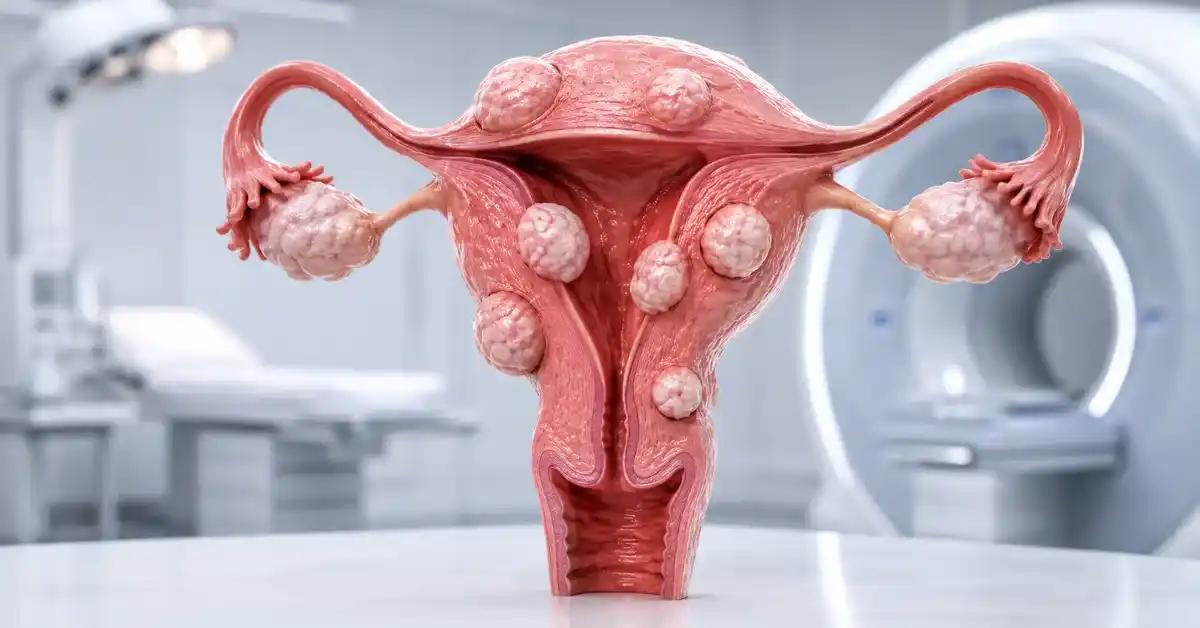
Uterine Fibroids And Fertility: When Do They Affect Pregnancy And How Are They Treated?

Manar Hegazy

Majd Eddin Khaled
Uterine fibroids are common benign growths that may develop inside the uterine wall, outside the uterus, or close to the uterine cavity. Many women have fibroids without symptoms and without a clear impact on pregnancy. However, some fibroids may affect fertility, embryo implantation, menstrual bleeding, or pregnancy comfort, depending mainly on their location and size.
At Fertiliv IVF Center in Istanbul, uterine fibroids and fertility are evaluated through a personalized approach. The medical team looks at fibroid location, size, number, whether the uterine cavity is distorted, the woman’s age, ovarian reserve, duration of delayed pregnancy, and the husband’s semen analysis. The goal is not to remove every fibroid, but to decide whether a fibroid truly affects pregnancy chances and whether treatment is needed before natural conception or IVF.
Uterine Fibroids And Fertility
The relationship between uterine fibroids and fertility depends strongly on where the fibroid is located. Fibroids that grow into or press on the uterine cavity may interfere with embryo implantation or increase bleeding and miscarriage risk. Fibroids outside the uterus or away from the cavity often have less impact on fertility.
Therefore, knowing that a fibroid exists is not enough. The important question is whether it changes the shape of the uterine cavity or affects the endometrium. Fertiliv connects ultrasound findings with the fertility plan, because a small outer fibroid is very different from a submucosal fibroid that distorts the lining.
How Can A Fibroid Affect Fertility?
Fibroid and delayed pregnancy may be linked when the fibroid changes the uterine cavity, blocks the area near the tubes, affects blood flow to the endometrium, or reduces the space needed for implantation. These effects are more likely when the fibroid is close to the cavity.
Fibroids may also cause heavy bleeding, which can lead to iron deficiency and fatigue before pregnancy. Still, the presence of a fibroid does not automatically mean fertility is reduced. Careful assessment is needed to know whether the fibroid is the main cause or only an incidental finding.
Do All Fibroids Prevent Pregnancy?
No, not all fibroids prevent pregnancy. Many women conceive naturally with fibroids, especially when they are small, outside the cavity, and not causing symptoms. Treatment or surgery is not recommended simply because a fibroid is seen on ultrasound.
On the other hand, fibroids that distort the cavity, cause heavy bleeding, or are linked with repeated pregnancy loss may need treatment before pregnancy. Fertiliv explains these differences clearly so decisions are based on fibroid impact, not fear.
Read about: Endometriosis And Pregnancy: Is Natural Conception Possible Or Is IVF Necessary?
Types Of Fibroids And Pregnancy Impact
Types of fibroids matter when assessing fertility. A submucosal fibroid grows near or into the uterine lining and is usually the most important type for fertility. Intramural fibroids grow within the uterine muscle and may affect fertility when large or when they distort the cavity.
Subserosal fibroids grow outward from the uterus and usually have less impact on fertility if they do not press on tubes or cause severe symptoms. This is why fibroid impact on pregnancy is not judged by size alone. Location and relationship to the uterine cavity are essential.
Submucosal Fibroid
A submucosal fibroid is especially important because it may change the uterine lining or occupy space inside the cavity. This can make implantation harder and may increase bleeding or early pregnancy problems.
When this type is found, the doctor may discuss myomectomy before pregnancy, especially if there is delayed pregnancy, failed implantation, or abnormal bleeding. The decision depends on fibroid size, how much it enters the cavity, symptoms, and the fertility plan.
Intramural Fibroid Fertility Concerns
Intramural fibroid fertility impact is variable. If the fibroid is small and does not affect the cavity, treatment may not be needed before pregnancy. If it is large or changes the shape of the uterine cavity, it may reduce pregnancy chances.
In these cases, ultrasound or further imaging may be needed. Fibroid treatment for fertility should not follow one rule for everyone. The decision depends on cavity distortion, symptoms, age, fertility history, and treatment plans.
Read about: Chronic Diseases And Fertility: How Can You Achieve Parenthood Despite Health Challenges?
Symptoms That Need Attention
Fibroids may be completely silent and discovered during fertility evaluation. Some women experience heavy menstrual bleeding, pelvic pain, lower abdominal pressure, frequent urination, bloating, or painful periods. These symptoms do not always mean fertility is affected, but they should be evaluated.
When delayed pregnancy is combined with strong symptoms, fibroid diagnosis becomes more important. Fertiliv reviews menstrual pattern, bleeding amount, pain, duration of infertility, previous surgeries, and ultrasound findings to understand whether the fibroid is part of the fertility problem.
Heavy Bleeding And Anemia
Heavy bleeding is one of the most common fibroid symptoms, especially when the fibroid is close to the uterine lining. This may lead to iron deficiency or anemia, causing tiredness, dizziness, and weakness before pregnancy or fertility treatment.
Treating bleeding does not always mean surgery. However, if the fibroid is the cause and affects general health or fertility, targeted treatment may be needed. Before pregnancy, correcting anemia and controlling bleeding can improve readiness for conception or IVF.
Pain And Pressure Symptoms
Some fibroids cause pressure on the bladder, bowel, or pelvic area, especially when large or multiple. This does not always mean they prevent pregnancy, but it may affect quality of life and require treatment for comfort and health.
For women planning pregnancy, symptom treatment should be chosen carefully. Some medications reduce symptoms but may not be suitable when pregnancy is desired soon. The plan should protect fertility while improving symptoms when possible.
Read about: Blocked Fallopian Tubes: Is It The End Of The Motherhood Dream?
Diagnosing Fibroids Before Pregnancy
Fibroid diagnosis usually starts with ultrasound, which shows the number, size, and approximate location of fibroids. In some cases, saline ultrasound or hysteroscopy may be needed to evaluate the uterine cavity more clearly, especially when a submucosal fibroid is suspected.
Before choosing treatment, other fertility factors should also be assessed, including ovulation, ovarian reserve, fallopian tubes, and semen analysis for the husband. A fibroid may be present but not the only cause of delayed pregnancy. This is why Fertiliv uses a complete evaluation before planning treatment.
Ultrasound And Saline Ultrasound
Ultrasound helps identify fibroids and their location, but it may not always show how much a fibroid affects the cavity. Saline ultrasound can provide a clearer view of the uterine cavity when needed.
If the fibroid presses on the lining or enters the cavity, treatment may become more important. If the fibroid is away from the cavity and causes no symptoms, monitoring may be enough. The goal is to avoid unnecessary treatment while not missing significant findings.
Hysteroscopy Before Pregnancy Or IVF
Hysteroscopy may be useful when there is suspicion of a submucosal fibroid, polyp, adhesion, or abnormality inside the uterine cavity. It may also allow treatment of selected small fibroids inside the cavity.
Before IVF, cavity assessment may be important if there has been implantation failure, abnormal bleeding, or unclear ultrasound findings. Fertiliv selects hysteroscopy according to history and test results, not as a routine procedure for everyone.

Fibroid Treatment For Fertility
Fibroid treatment for fertility differs from treatment for women who are not planning pregnancy. When pregnancy is desired, treatment should preserve the uterus and protect fertility. Myomectomy may be important in selected cases, especially when fibroids distort the cavity or cause severe symptoms.
Treatment is not always necessary. If a fibroid is small, outside the cavity, and not causing symptoms, monitoring may be the best approach. At Fertiliv, treatment is chosen according to expected fertility benefit, not simply because a fibroid exists.
When Is Myomectomy Needed Before Pregnancy?
Myomectomy before pregnancy may be recommended when a fibroid is submucosal, distorts the uterine cavity, causes heavy bleeding, or is linked with delayed pregnancy or recurrent miscarriage. It may also be considered when a large fibroid changes uterine shape or causes strong symptoms.
The surgical method depends on fibroid location. Some cavity fibroids can be treated by hysteroscopy, while fibroids in the uterine wall may require a different surgical approach. After treatment, the doctor advises when it is safe to try pregnancy or begin IVF.
Are Medications Enough?
Medications may reduce bleeding or control symptoms temporarily, but they are not always suitable for women who want pregnancy soon. Some hormonal treatments prevent pregnancy while they are being used, so they must be selected carefully.
If a fibroid affects the uterine cavity or is strongly linked with delayed pregnancy, medications alone may not solve the problem. The goal is to improve pregnancy chances while preserving the uterus and avoiding unnecessary intervention.
Read about: Premature Ovarian Insufficiency (POF): Causes, Symptoms, And Medically Available Fertility Options
Fibroids And IVF
Fibroids and IVF require special evaluation before treatment begins. If a fibroid distorts the uterine cavity, it may reduce embryo implantation even when embryo quality is good. In selected cases, treatment may be recommended before embryo transfer.
If the fibroid is far from the cavity and does not affect the lining, delaying IVF may not be necessary. The decision depends on the fibroid’s relationship to the cavity, symptoms, size, and the woman’s age. Fertiliv balances the need to avoid delay with the need to optimize the uterus before transfer.
Should A Fibroid Be Treated Before Embryo Transfer?
Treatment before embryo transfer may be important if the fibroid is inside the cavity or pressing on it. Leaving it untreated may reduce implantation chances or increase bleeding. Cavity assessment is useful when there is doubt.
If the fibroid is small, external, and does not distort the cavity, treatment may not be needed before transfer. The decision should come from careful evaluation, not from a general rule.
When Can IVF Start?
IVF can begin when the plan is clear: should the fibroid be treated first, or can treatment proceed without intervention? If myomectomy is needed, the doctor may recommend waiting before pregnancy to allow uterine healing.
In some cases, ovarian stimulation and embryo freezing may be done first, followed by fibroid treatment and later embryo transfer. This may be useful when age or ovarian reserve is a concern. Fertiliv discusses these choices according to each case.
Read about: Vaginal And Pelvic Infections: Can They Cause Infertility?
Pregnancy With Fibroids
Fibroids and pregnancy can coexist without major problems in many women, especially when fibroids are small and away from the cavity. However, some fibroids may grow during pregnancy or cause pain, bleeding, abnormal fetal position, or a higher risk of preterm birth.
Women with fibroids may need appropriate pregnancy monitoring, especially when fibroids are large or multiple. The goal is not fear, but careful observation of fetal growth, uterine changes, and symptoms. Fertiliv guides patients toward suitable follow-up after pregnancy occurs.
Can Fibroids Grow During Pregnancy?
Fibroids may grow during pregnancy in some women because of hormonal changes, while in others they remain stable or change only slightly. This cannot always be predicted, so ultrasound follow-up may be useful when needed.
If a fibroid causes pain or pressure during pregnancy, treatment usually focuses on symptom relief while protecting the pregnancy. Surgery during pregnancy is not the usual approach except in rare circumstances, which is why planning before pregnancy matters.
What Follow-Up Is Needed During Pregnancy?
Follow-up depends on the number, size, and location of fibroids and whether they affect the uterus. The doctor may recommend ultrasound monitoring of fetal growth, placental position, and fibroid changes.
If pregnancy happens after myomectomy, the delivery plan may depend on the type and depth of surgery. It is important to inform the pregnancy doctor about any previous uterine surgery so birth planning can be done safely.
Read about: High Prolactin And Its Effect On Ovulation
Fertiliv’s Role In Choosing The Right Plan
Fertiliv helps couples understand whether a fibroid truly affects fertility. Ultrasound findings, uterine cavity shape, symptoms, duration of delayed pregnancy, and both partners’ fertility results are reviewed together. This prevents unnecessary surgery while avoiding neglect of important fibroids.
The plan may include monitoring, fibroid treatment, natural trying after treatment, or IVF with special uterine preparation. The key is that the plan should be individualized, clear, and based on real findings. Fertiliv explains the options in a way that helps patients make confident decisions.
Complete Evaluation Before Treatment
A complete evaluation includes fibroid location, size, cavity effect, ovarian reserve, ovulation, fallopian tubes, and semen analysis. When these factors are reviewed together, it becomes clearer whether the fibroid is the main cause of delayed pregnancy or only an associated finding.
This matters because treating a fibroid without checking other causes may not solve the fertility problem. On the other hand, starting IVF without evaluating a cavity-distorting fibroid may reduce the chance of success.
A Fertility-Preserving Plan
When fibroids are treated in a woman who wants pregnancy, fertility should guide the decision. Unnecessary interventions should be avoided, and the method should balance fibroid treatment with uterine safety.
At Fertiliv IVF Center in Istanbul, each case is handled according to its needs, whether the goal is natural conception or IVF preparation. A clear plan helps couples reduce anxiety and move forward with confidence.
Read about: Congenital Uterine Anomalies And Their Effect On Pregnancy
Conclusion
Uterine fibroids and fertility are related differently in every woman. Some fibroids do not affect pregnancy at all, while submucosal fibroids or fibroids that distort the uterine cavity may reduce implantation and pregnancy chances. For this reason, simply knowing that a fibroid exists is not enough; location, size, symptoms, and cavity impact must be evaluated.
Fibroid treatment for fertility may involve monitoring only, myomectomy in selected cases, or special preparation before IVF. At Fertiliv IVF Center in Istanbul, treatment planning is individualized to protect fertility and support the couple’s pregnancy goals with clarity and safety.
Frequently Asked Questions: Uterine Fibroids And Fertility: When Do They Affect Pregnancy And How Are They Treated?
Do All Fibroids Cause Infertility?
No. Fibroids mainly affect fertility when they distort the uterine cavity or interfere with implantation.
When Is Myomectomy Needed Before Pregnancy?
It may be needed for submucosal fibroids, cavity distortion, heavy bleeding, delayed pregnancy, or recurrent miscarriage.
Can I Get Pregnant With Fibroids?
Yes, many women become pregnant with fibroids, especially when they are small and do not affect the cavity.
Can Fibroids Affect IVF Success?
Yes, if they distort the uterine cavity or press on the lining, they may reduce embryo implantation.
How Does Fertiliv Help?
Fertiliv evaluates fibroid location, cavity impact, and fertility factors, then recommends monitoring, treatment, or IVF planning.