
Complete IVF Process Guide: Master Every Step to Achieve Your Parenthood Dream

Manar Hegazy

Majd Eddin Khaled
The journey toward parenthood through in vitro fertilization (IVF) represents one of the most significant decisions couples can make. For thousands of families worldwide, IVF has transformed dreams into reality, offering hope where traditional methods have not succeeded. At Fertiliv IVF Center, we understand that the uncertainty and anxiety surrounding the unknown can be overwhelming. This is why we are committed to providing you with a comprehensive, transparent, and detailed explanation of every step in the IVF process.
Knowledge is power, and understanding what happens at each stage of your IVF journey will help you feel more confident and prepared. We believe that informed patients make better decisions and experience less anxiety throughout their treatment. Let us take you through a detailed exploration of the complete IVF process, from the very first consultation to the moment you discover whether your dream of parenthood has been realized.
What Is the In Vitro Fertilization (IVF) Process?
In vitro fertilization, commonly known as IVF, is an advanced reproductive technology that involves fertilizing an egg with sperm outside the body in a carefully controlled laboratory environment. After successful fertilization, the resulting embryos are transferred into the uterus to continue developing naturally. This groundbreaking procedure has revolutionized fertility treatment and has given hope to millions of couples worldwide.
The IVF process represents a significant advancement in reproductive medicine, offering solutions for various types of infertility. Whether the challenge involves blocked fallopian tubes, low sperm count, poor egg quality, or unexplained infertility, IVF provides a pathway to biological parenthood. Understanding how the IVF process works is essential for anyone considering this treatment option.
What is the process of IVF?
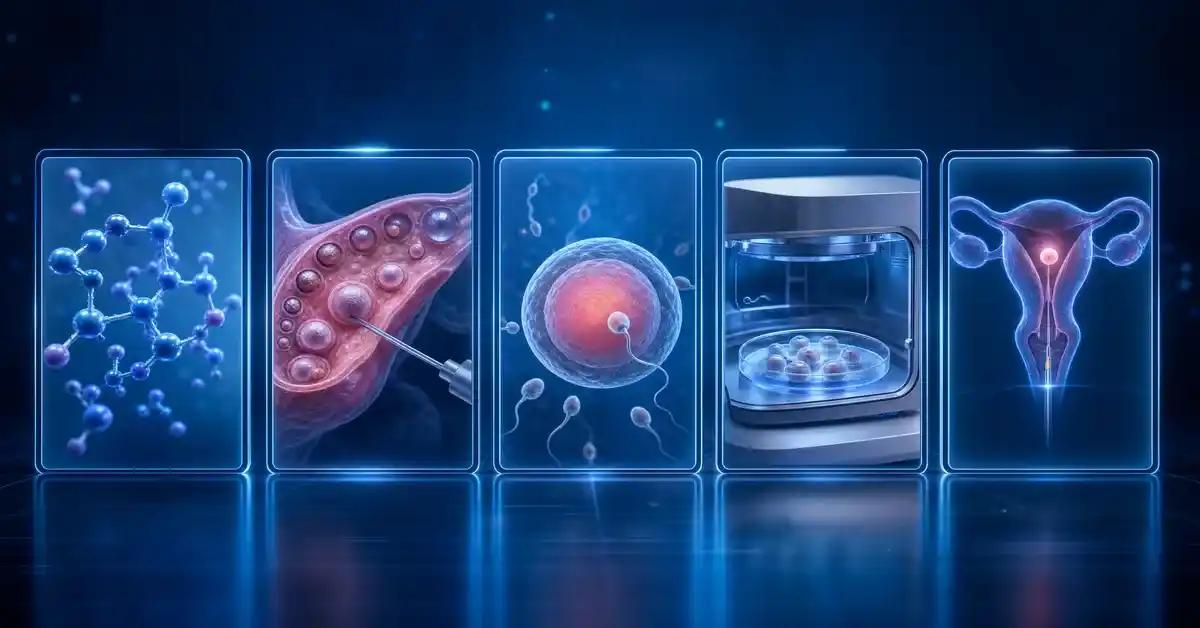
The IVF process is a series of carefully orchestrated steps designed to maximize the chances of successful fertilization and pregnancy. It begins with hormone stimulation to encourage the ovaries to produce multiple eggs, continues through egg retrieval and fertilization in the laboratory, and culminates in embryo transfer to the uterus.
Each stage of the IVF process is critical and requires precision, expertise, and careful monitoring. The entire process typically takes between three to six weeks from start to finish, though this timeline can vary depending on individual circumstances and how your body responds to treatment.
How does IVF work?
IVF works by bypassing natural conception and creating fertilization in a laboratory setting where conditions can be carefully controlled. This approach allows doctors to assess egg and sperm quality, monitor fertilization, and select the healthiest embryos for transfer. The process provides a solution for couples who might otherwise be unable to conceive naturally.
The beauty of how IVF works is that it removes many of the barriers that prevent natural conception. Whether the issue is with egg production, sperm quality, or anatomical problems, IVF can often provide a solution. This flexibility makes IVF an effective option for diverse fertility challenges.
Read about: Your Complete IVF Journey: From Start to Success
IVF Process Step by Step
The IVF procedure step by step involves multiple coordinated phases, each essential to the overall success of treatment. Understanding the IVF procedure step by step helps you know what to expect and how to prepare for each phase. Let us walk you through the complete journey with detailed explanations of what happens at each stage.
IVF hormone stimulation
The first phase of the IVF process step by step begins with hormone stimulation. Normally, a woman's body produces one egg per month, but for IVF to be successful, we need multiple eggs. Your doctor will prescribe hormone injections, typically given daily for 10 to 14 days, to stimulate your ovaries to produce several mature eggs simultaneously.
During this IVF hormone stimulation phase, you will undergo regular blood tests and ultrasound scans to monitor how your ovaries are responding to the medications. These monitoring appointments are crucial because they help your doctor determine the exact timing for the next step. It is normal to experience mild side effects such as bloating, headaches, or mood changes during this phase, but these typically subside quickly.
Adherence to the medication schedule is absolutely critical during the IVF hormone stimulation phase. Missing doses or taking medications at incorrect times can compromise the entire cycle. Your fertility clinic will provide detailed instructions, and our team at Fertiliv is always available to answer any questions or address concerns you may have.
Egg retrieval and sperm collection
Once your eggs have reached optimal maturity, your doctor will schedule the egg retrieval procedure. This procedure is performed under light sedation or general anesthesia, depending on your preference and your doctor's recommendation. Using an ultrasound-guided needle, your doctor will carefully retrieve the eggs from your ovaries. The entire egg retrieval and sperm collection process typically takes only 15 to 20 minutes.
The discomfort during egg retrieval is usually minimal, and most patients experience only mild cramping. After the eggs are retrieved, they are immediately transferred to the laboratory where they are placed in a special culture medium designed to maintain their health and viability.
On the same day as egg retrieval, your partner will provide a semen sample. If there are concerns about sperm quality or quantity, sperm can be surgically retrieved directly from the testicles using specialized techniques. In the laboratory, the sperm sample is processed to select the highest quality sperm for fertilization, significantly improving the chances of successful fertilization.
Fertilization and embryo development
This stage represents one of the most critical phases of the IVF process step by step. The retrieved eggs and processed sperm are combined in a specialized culture dish containing nutrient-rich medium. The sperm naturally penetrates the eggs, and fertilization occurs. In some cases, intracytoplasmic sperm injection (ICSI) is used, where a single sperm is injected directly into each egg using a microscopic needle.
After fertilization, the embryos are placed in incubators where they are continuously monitored for proper development. Our embryologists examine the embryos daily to assess their quality and progression. By day three to five after fertilization, the embryos have developed enough to be ready for transfer to the uterus. Your doctor will select the best quality embryos based on their appearance and developmental stage.
Any remaining high-quality embryos can be frozen for future use, giving you the option to attempt another cycle without repeating the hormone stimulation and egg retrieval phases. This freezing technology has dramatically improved the overall success rates of IVF by allowing multiple attempts from a single egg retrieval cycle.
Embryo transfer process
The embryo transfer process is the final step of the IVF procedure step by step. This is a relatively simple procedure that does not require anesthesia. Your doctor uses a thin catheter to gently place the selected embryo or embryos into your uterus. The procedure is similar to a cervical smear test and typically takes only a few minutes.
Usually, one or two embryos are transferred, depending on your age and embryo quality. After the embryo transfer process is complete, you will be advised to rest for the remainder of the day. Most patients can return to normal activities the next day, though strenuous exercise should be avoided for a few days.
The waiting period after embryo transfer can be emotionally challenging. Most clinics recommend waiting 10 to 14 days before taking a pregnancy test to allow sufficient time for the embryo to implant and for hormone levels to rise. During this time, continue taking any prescribed medications and follow your doctor's recommendations carefully.
Read about: IVF: Your Journey to Parenthood Between Turkey and the United States
IVF Preparation Steps Before Starting the Cycle
Proper preparation before beginning your IVF cycle significantly increases your chances of success. Before starting treatment, several important steps must be taken to ensure your body is fully prepared. IVF preparation steps are not only physical but also psychological and emotional.
Medical tests and evaluations
Before beginning your IVF cycle, comprehensive medical testing is essential. These medical tests and evaluations typically include:
- Complete blood work to screen for infectious diseases and blood clotting disorders
- Pelvic ultrasound to assess the health of your uterus and ovaries
- Ovarian reserve testing to evaluate the number of available eggs
- Hysteroscopy or hysterosalpingography to check for uterine abnormalities or blocked fallopian tubes
- Semen analysis for your partner to evaluate sperm quality and quantity
These medical tests and evaluations help your doctor understand your specific situation and develop the most appropriate treatment plan. If any issues are discovered, they can often be addressed before beginning your IVF cycle, improving your chances of success.
Lifestyle and diet before IVF
Your lifestyle and overall health significantly impact IVF success. We recommend implementing these lifestyle and diet before IVF changes:
- Eat a balanced, nutritious diet rich in vitamins and minerals
- Maintain a healthy body weight
- Exercise regularly with moderate-intensity activities
- Eliminate smoking and alcohol consumption completely
- Get adequate sleep, aiming for 7 to 8 hours nightly
- Manage stress through meditation, yoga, or counseling
- Take recommended supplements such as folic acid and vitamin D
These lifestyle changes are not only beneficial for your IVF cycle but will also improve your overall health and well-being. Remember that both physical and psychological preparation are essential for optimal results.

IVF Process Timeline – How Long Does IVF Take?
The total duration of the IVF process timeline from beginning to end typically ranges from three to six weeks. This timeframe includes the hormone stimulation period, monitoring appointments, the retrieval and transfer procedures, and the waiting period to confirm pregnancy. The exact IVF process timeline varies depending on individual circumstances and how your body responds to treatment.
Duration of each IVF stage
Let us break down the duration of each stage of the IVF process timeline:
- Hormone stimulation: 10 to 14 days of daily injections
- Egg retrieval: One day for the procedure
- Fertilization and monitoring: 3 to 5 days in the laboratory
- Embryo transfer: One day for the procedure
- Waiting for results: 10 to 14 days before pregnancy testing
Repeating IVF in case of failure
If your first IVF cycle does not result in pregnancy, you can attempt another cycle. Most doctors recommend waiting at least one month before trying again to allow your body adequate time to recover. If you have frozen embryos from a previous cycle, you may not need to repeat the entire hormone stimulation and egg retrieval process, making subsequent attempts easier and more affordable.
Many couples require multiple IVF cycles before achieving success, and this is completely normal. Each cycle provides valuable information that helps your doctor refine the treatment plan for better results in future attempts.
Read about: Understanding IVF Failure: Your Guide to Improving Success Rates
IVF Success Rate and Factors That Affect It
The success rate of IVF varies based on numerous factors. Generally, success rates range from 30 to 50 percent per cycle, though these rates improve with each additional attempt. Understanding the success rate of IVF and the factors that influence it helps you set realistic expectations and make informed decisions.
Success rate of IVF
The success rate of IVF depends on many variables, including age, egg quality, sperm quality, uterine health, and clinic expertise. Women under 35 years old typically achieve success rates of 40 to 50 percent per cycle, while success rates decline gradually with advancing age. It is important to remember that success rates represent averages, and individual results can vary significantly.
Success is often measured in different ways. Some clinics report fertilization rates, others report implantation rates, and still others report live birth rates. When evaluating the success rate of IVF at different clinics, make sure you understand exactly what metric is being reported.
Age and its impact on IVF outcomes
Age is one of the most significant factors affecting IVF outcomes. Women's egg quality and quantity naturally decline with age, which directly impacts fertilization rates, implantation rates, and miscarriage rates. Women under 35 generally have the best IVF outcomes, with success rates declining progressively after age 35 and more significantly after age 40.
However, age is not the only factor determining success. Many women over 40 achieve successful pregnancies through IVF, particularly if they have good overall health and access to high-quality fertility care. Advanced techniques such as genetic testing of embryos can help identify the healthiest embryos for transfer, potentially improving outcomes regardless of age.
Read about: Nutrition and IVF Success: Your Comprehensive Guide to Optimal Outcomes
Signs of Successful Embryo Transfer
The waiting period after embryo transfer can be emotionally intense. Many women eagerly await signs of successful embryo transfer, though it is important to understand that many early symptoms can be misleading. The only reliable way to confirm pregnancy is through medical testing.
Early symptoms after embryo transfer
In the days immediately following embryo transfer, you may experience some mild symptoms:
- Light spotting or bleeding (this is completely normal)
- Mild cramping in the abdomen
- Bloating or abdominal distension
- Fatigue or unusual tiredness
These early symptoms after embryo transfer are common and do not necessarily indicate success or failure. It is important not to over-interpret these symptoms, as they can be caused by the medications you are taking or simply by the stress of the procedure.
When to take a pregnancy test after IVF
Pregnancy symptoms may begin appearing 6 to 12 days after embryo transfer, including nausea, fatigue, and breast tenderness. However, these symptoms can also result from the hormonal medications you are taking after transfer. The only reliable way to confirm pregnancy is through medical testing.
Your doctor will advise you when to take a pregnancy test after IVF, typically 10 to 14 days after embryo transfer. A blood test measuring human chorionic gonadotropin (hCG) is the most reliable method. If the result is positive, an ultrasound will be performed about one week later to confirm the presence of a gestational sac and verify that the pregnancy is developing normally.
Read about: Proper Nutrition for Women After IVF: Complete Guide to Pregnancy Success
IVF Cost in 2026 Around the World
IVF cost in 2026 varies significantly depending on location, clinic, and specific procedures used. Understanding IVF cost in 2026 and what it includes is essential for financial planning.
IVF cost by country
IVF cost by country varies dramatically. Turkey has become a popular destination for fertility tourism due to lower costs and high-quality care. IVF cost by country in Turkey typically ranges from three thousand to six thousand dollars. In the United States and Western Europe, costs are significantly higher, often exceeding ten thousand dollars per cycle.
At Fertiliv IVF Center, we offer competitive pricing while maintaining the highest standards of quality and safety. We believe that excellent fertility care should be accessible to everyone, regardless of financial constraints.
Does IVF cost include medication and tests?
IVF cost typically includes:
- Initial consultations and diagnostic testing
- Hormone medications for ovarian stimulation
- Egg retrieval procedure
- Laboratory fertilization and embryo monitoring
- Embryo transfer procedure
- Post-transfer follow-up care
However, some additional services may not be included, such as genetic testing of embryos or freezing of extra embryos. It is crucial to clarify exactly what is included in your quoted price before beginning treatment to avoid unexpected expenses.
Read about: Your Complete Guide to IVF Cost in Turkey and the Gulf
Best IVF Clinics in the World
Choosing the best IVF clinics in the world is crucial for your success. The quality of your fertility clinic significantly impacts your chances of achieving pregnancy. Several factors distinguish the best IVF clinics in the world from average facilities.
How to choose the right IVF clinic
When selecting an IVF clinic, consider these important criteria:
- Experience and credentials of the medical team and embryologists
- State-of-the-art laboratory equipment and facilities
- Published success rates and transparent reporting
- Psychological support and patient counseling services
- Transparent pricing and financial options
- Convenient location and accessibility
- Accreditation and regulatory compliance
Reviews and patient success stories
Patient reviews and success stories provide valuable insights into clinic quality. At Fertiliv IVF Center, we have thousands of success stories from couples who have achieved their dreams of parenthood. Our patient reviews consistently reflect satisfaction with our medical services, laboratory quality, and psychological support.
If you are seeking a trusted fertility clinic that provides excellent service at reasonable costs, Fertiliv IVF Center is the ideal choice. Our specialized team is ready to support you through every step of your IVF journey. Contact us today via WhatsApp for a free consultation with our expert doctors.
Read about: Embryo Freezing in IVF: New Opportunities to Achieve Parenthood
Tips After IVF Embryo Transfer
The period following embryo transfer is critical for success. Several important recommendations should be followed after IVF embryo transfer to maximize your chances of achieving pregnancy and maintaining your health.
Rest and physical activity
After embryo transfer, relative rest is recommended for one to two days. After this initial rest period, you can gradually return to normal daily activities, but avoid strenuous exercise and vigorous sports.
- Avoid lifting heavy objects
- Avoid strenuous exercise and contact sports
- Light walking and gentle activities are acceptable
- Avoid hot baths and saunas
- Avoid long-distance driving
Diet recommendations after embryo transfer
Proper nutrition after embryo transfer is essential for supporting a potential pregnancy. Follow these dietary recommendations:
- Eat a balanced, nutritious diet rich in vitamins and minerals
- Drink plenty of water and stay well hydrated
- Consume adequate protein from healthy sources
- Avoid spicy and fatty foods
- Eliminate alcohol and excessive caffeine
- Take prescribed nutritional supplements as directed
Remember that adherence to these recommendations significantly improves your chances of success. Patience, positivity, and self-care are the keys to success in this important journey.
Read about: Complete IVF Journey with Egg Freezing: Your Comprehensive Guide
The IVF process represents genuine hope for millions of couples worldwide who dream of building a family. Understanding the complete IVF process step by step helps you feel confident and assured throughout your journey. Each stage of this procedure has been carefully developed through decades of scientific research and practical application in fertility clinics worldwide.
At Fertiliv IVF Center, we fully understand the challenges and emotions you may experience. Our specialized medical team and advanced laboratories are dedicated to providing the highest quality care possible. We do not simply provide medical services; we offer comprehensive psychological support and practical guidance at every step of your journey.
If you are considering IVF treatment, do not hesitate to contact us. Our free consultation will help you better understand your situation and select the most appropriate treatment plan for your specific needs. Your dream of parenthood is within reach, and our team is ready to help you achieve it. Contact Fertiliv IVF Center today via WhatsApp and receive a professional consultation from our expert doctors to begin your journey toward parenthood.
Frequently Asked Questions: Stages of IVF Process: Your Comprehensive Guide to Understanding Every Step
How Long Does IVF Take From Start to Finish?
IVF usually takes 3 to 6 weeks from start to finish. This includes the hormone stimulation period (10-14 days), egg retrieval (one day), fertilization and monitoring in the laboratory (3-5 days), embryo transfer (one day), and waiting for pregnancy results (10-14 days). The exact duration varies depending on each patient's condition and how quickly her body responds to medications.
What is the Success Rate of IVF?
IVF success rates range between 30-50% per attempt and vary depending on several factors including the woman's age, egg and sperm quality, and the medical team's experience. Women under 35 years old usually achieve higher success rates reaching 40-50%, while the rate decreases with age. Most couples need several attempts before achieving success.
Are There Side Effects to IVF?
IVF is usually very safe, but some mild side effects may occur such as bloating, headaches, and mild nausea during the hormone stimulation phase. After egg retrieval, you may experience mild cramping and bloating. These effects usually disappear after a few days. Serious complications are very rare when performed in specialized centers.
Can IVF Be Repeated If the First Attempt Fails?
Yes, IVF can be repeated if the first attempt fails. Most doctors recommend waiting at least one month before trying again. If you have frozen embryos from a previous attempt, you may not need to repeat the full hormone stimulation phase, making the next attempt easier, less costly, and less exhausting.
What is the Difference Between IVF and ICSI?
IVF (in vitro fertilization) is the general process that includes extracting eggs and sperm and fertilizing them in the laboratory. ICSI (intracytoplasmic sperm injection) is a specialized technique used when there are sperm problems, where a single sperm is injected directly into the egg. The difference between IVF and ICSI is that the former allows sperm to enter naturally, while the latter ensures one sperm enters directly.