
Proper Nutrition for Women After IVF: Complete Guide to Pregnancy Success

Manar Hegazy

Majd Eddin Khaled
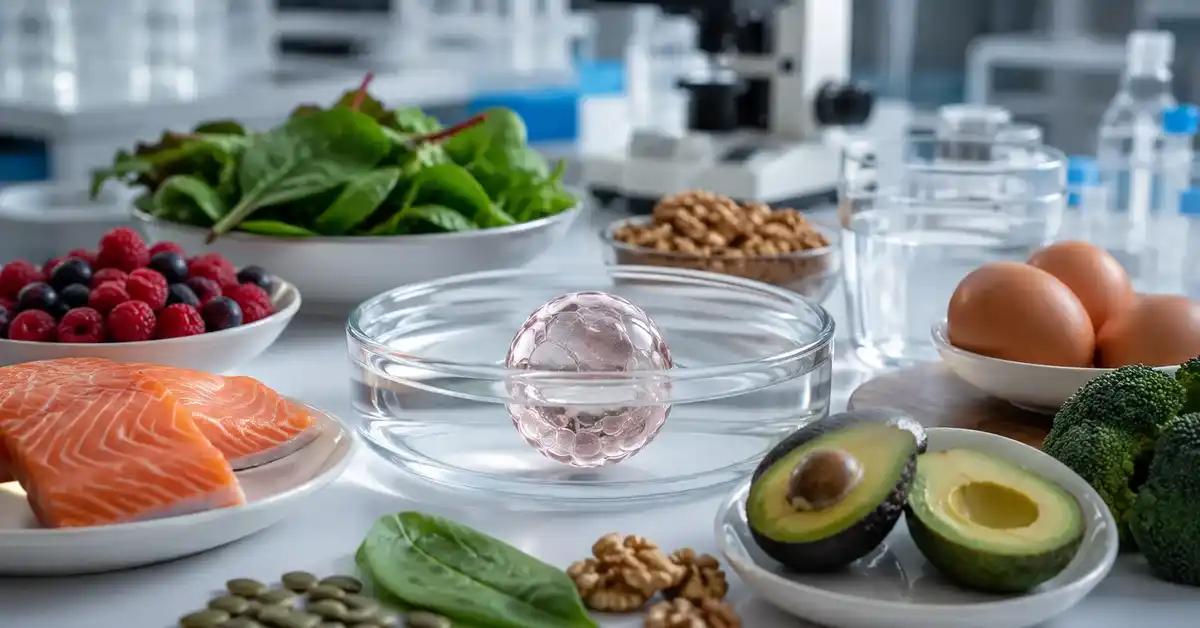
Nutrition after IVF plays a pivotal role in supporting the body during the critical phase following embryo transfer, when women need the best diet after IVF to create an optimal environment for embryo implantation and healthy fetal development.
Foods that support pregnancy after IVF are not random dietary choices but rather a scientifically-based strategy that relies on providing vitamins after IVF and essential minerals that support post-IVF nutrition for women and increase pregnancy success rates.
At Fertiliv IVF Clinic, we believe that a balanced IVF diet plan forms one of the fundamental pillars of success. Therefore, we provide you with a comprehensive guide on healthy eating after IVF that includes IVF nutritional supplements, foods that improve IVF success, and a pregnancy diet after IVF focused on balanced nutrition after IVF.
Importance of Nutrition After IVF and Its Role in Pregnancy Success
How Nutrition Affects IVF Success
Nutrition after IVF directly impacts numerous vital processes in the body that support embryo implantation and early fetal development. After embryo transfer, the body requires additional energy and specific nutrients to build a healthy, thick uterine lining, improve blood flow to the uterus, and support the immune system without attacking the implanted embryo.
Foods that improve IVF success work on multiple levels:
- Improving uterine lining quality: Protein-rich foods after IVF and omega-3 fatty acids help build a healthy, thick uterine lining, providing an ideal environment for embryo implantation.
- Reducing inflammation: Fruits and vegetables after IVF rich in antioxidants combat inflammation and oxidative stress that may hinder embryo implantation.
- Supporting hormones: Balanced nutrition after IVF helps regulate hormone levels necessary for pregnancy, such as progesterone and estrogen.
- Boosting immunity: Vitamins after IVF such as vitamin C, D, and zinc strengthen the immune system and protect against diseases without negatively affecting the embryo.
Scientific studies have shown that women who follow a pregnancy diet after IVF rich in essential nutrients achieve higher success rates compared to those who do not prioritize nutrition. Healthy eating after IVF not only increases pregnancy chances but extends its positive impact to reducing early miscarriage risk, improving fetal growth, and minimizing pregnancy complications such as gestational diabetes and hypertension.
Hydration after IVF is also a crucial element, as proper hydration helps improve blood flow to the uterus, reduce bloating and constipation that may result from hormonal medications, and flush toxins from the body. Dehydration can negatively affect uterine lining quality and reduce successful embryo implantation chances.
Essential Vitamins and Minerals for Women Post-IVF
Vitamins after IVF and essential minerals form the building blocks for supporting early pregnancy and healthy fetal development. Each nutrient plays a specific and vital role during this critical phase.
Folic Acid (Vitamin B9):
Considered one of the most important vitamins after IVF, it plays a crucial role in preventing neural tube defects in the fetus such as spina bifida. It is recommended to take 400-800 micrograms daily before pregnancy and during the first months. Natural sources include leafy greens for pregnancy after IVF such as spinach and kale, legumes, citrus fruits, and fortified cereals.
Vitamin D:
Essential for calcium absorption, immune system regulation, and supporting embryo implantation. Vitamin D deficiency is associated with decreased IVF success rates. The optimal blood level should be between 30-50 ng/mL. It can be obtained from moderate sun exposure, fatty fish, egg yolks, and dietary supplements.
Iron:
Supports hemoglobin production and transports oxygen to tissues including the uterus and fetus. Iron deficiency leads to anemia which reduces pregnancy success chances. The recommended dose is 27 mg daily. Sources include lean red meat, chicken, fish, lentils, and spinach. It is preferably taken with vitamin C to improve absorption.
Calcium:
Essential for building fetal bones and teeth, and regulating nerve and muscle functions. The recommended dose is 1000 mg daily. Sources include dairy products, fortified plant milk, sardines, almonds, and dark leafy greens.
Omega-3 (DHA and EPA):
Omega-3-rich foods after IVF are essential for fetal brain and nervous system development, reducing inflammation, and improving blood flow to the uterus. It is recommended to take 200-300 mg of DHA daily. Sources include fatty fish such as salmon and sardines, flaxseeds, walnuts, and fish oil.
Read about: Do Natural Fertility Vitamins Really Boost Your Chances of Conception?
Best Diet After IVF: Beneficial and Prohibited Foods
Foods That Support Pregnancy After IVF
Foods that support pregnancy after IVF vary across different food groups, each offering unique benefits that support pregnancy success.
1. Protein-Rich Foods After IVF:
Protein is essential for tissue building, hormone production, and supporting fetal growth. It is recommended to consume 75-100 grams of protein daily after embryo transfer.
- Eggs: Excellent source of high-quality protein, choline (important for fetal brain development), and B vitamins. Preferably consumed boiled or scrambled.
- Chicken and turkey: Lean white meats rich in protein, B vitamins, and selenium. Preferably consumed grilled or boiled.
- Fatty fish: Such as salmon and sardines, provide high-quality protein plus omega-3. It is recommended to consume 2-3 servings weekly while avoiding high-mercury fish.
- Legumes: Lentils, chickpeas, and beans provide plant protein, fiber, iron, and folic acid.
- Dairy products: Greek yogurt, cottage cheese, and milk provide protein, calcium, and probiotics for digestive health.
2. Fruits and Vegetables After IVF:
Fruits and vegetables are rich in antioxidants, vitamins, minerals, and fiber that support healthy pregnancy.
Best Fruits:
- Berries: Rich in antioxidants, vitamin C, and fiber. Combat inflammation and support the immune system.
- Avocado: Contains healthy fats, folic acid, vitamin E, and potassium. Supports fetal nervous system development.
- Oranges and grapefruit: Excellent sources of vitamin C, folic acid, and fiber.
- Bananas: Rich in potassium, vitamin B6, and fiber. Help reduce nausea and constipation.
Leafy Greens for Pregnancy After IVF:
- Spinach: Rich in folic acid, iron, calcium, and vitamins A and C.
- Kale: Contains high amounts of vitamins K and C, calcium, and antioxidants.
- Broccoli: Excellent source of folic acid, vitamin C, fiber, and calcium.
- Carrots and sweet potatoes: Rich in beta-carotene (converts to vitamin A) necessary for fetal eye development and immune system.
3. Omega-3-Rich Foods After IVF:
In addition to fatty fish, other sources include:
- Flaxseeds and chia seeds (ground to improve absorption)
- Walnuts and almonds
- Extra virgin olive oil
- Omega-3 fortified eggs
4. Whole Grains:
Provide sustained energy, fiber, B vitamins, and minerals. Include oats, quinoa, brown rice, and whole wheat bread. Help regulate blood sugar levels and reduce constipation.
Foods to Avoid After IVF
Avoiding harmful foods after IVF is as important as consuming beneficial foods. Some foods may increase infection risk, negatively affect hormones, or hinder embryo implantation.
Prohibited or Limited Foods:
- High-mercury fish: Such as swordfish, king mackerel, and fresh tuna. Mercury can harm fetal nervous system development.
- Raw or undercooked meat and fish: Such as sushi, raw meat, and runny eggs. May contain harmful bacteria like salmonella and listeria.
- Unpasteurized soft cheeses: Such as feta, brie, and camembert. May contain listeria which causes miscarriage.
- Excessive caffeine: It is recommended to limit caffeine to less than 200 mg daily (one cup of coffee). Excessive caffeine is associated with increased miscarriage risk.
- Alcohol: Must be avoided completely as it increases miscarriage and birth defect risks.
- Processed foods and fast food: Rich in trans fats, sodium, and added sugars. Increase inflammation and negatively affect fertility.
- Refined sugars and excessive sweets: Cause rapid blood sugar spikes followed by sharp drops, affecting energy levels and hormones.
- High-sodium foods: Increase fluid retention and bloating, and may raise blood pressure.
General IVF Dietary Tips:
- Wash fruits and vegetables thoroughly to remove pesticides and bacteria
- Cook meat and eggs thoroughly until they reach a safe temperature
- Avoid canned foods containing BPA
- Reduce spicy foods if they cause heartburn
- Eat small, frequent meals instead of large meals to reduce nausea and bloating
Read about: The Best Foods to Naturally Boost Fertility in Men and Women
IVF Nutritional Supplements and Essential Proteins
Types of Essential Supplements and How to Choose Them
IVF nutritional supplements play an important complementary role in ensuring the body receives all necessary nutrients, especially when it is difficult to obtain sufficient amounts from food alone.
Recommended Essential Supplements:
1. Prenatal Multivitamin:
Contains a comprehensive blend of vitamins and minerals necessary for pregnancy. Should include:
- Folic acid (400-800 micrograms)
- Iron (27 mg)
- Calcium (200-300 mg)
- Vitamin D (600-1000 IU)
- B-complex vitamins
- Zinc and iodine
2. Omega-3 (DHA/EPA):
If you do not regularly consume fatty fish, an omega-3 supplement is essential. Look for a supplement containing at least 200-300 mg of DHA. Ensure it is mercury-free and certified by a trusted authority.
3. Vitamin D:
If your vitamin D levels are low (below 30 ng/mL), you may need an additional supplement at a dose of 1000-2000 IU daily, or as recommended by your doctor.
4. Probiotics:
Support digestive health, strengthen immunity, and reduce constipation and bloating. Look for a supplement containing 5-10 billion colony-forming units (CFU) from diverse strains.
How to Choose the Right Supplements:
- Consult your doctor first: Before taking any supplements, consult your doctor at Fertiliv IVF Clinic to determine your individual needs based on blood tests and health status.
- Choose trusted brands: Look for supplements certified by regulatory bodies such as USP, NSF, or GMP.
- Check ingredients: Avoid supplements containing artificial additives, colors, or unnecessary preservatives.
- Pay attention to dosages: Excessive doses of some vitamins (such as vitamin A) can be harmful. Stick to recommended doses.
- Timing: Some supplements are better absorbed with food (such as fat-soluble vitamins), while others are preferably taken on an empty stomach.
Healthy Protein Sources and Importance of Omega-3 for Women
Protein-rich foods after IVF and omega-3 fatty acids form a powerful duo to support healthy pregnancy.
Diverse Protein Sources:
Animal Protein:
- Lean meats: Beef, lamb (in moderation), chicken, and turkey
- Fish: Salmon, sardines, trout, and mackerel (avoid high-mercury types)
- Eggs: Complete protein source containing all essential amino acids
- Dairy products: Yogurt, cheese, and milk
Plant Protein:
- Legumes: Lentils, chickpeas, black beans, and fava beans
- Nuts and seeds: Almonds, walnuts, pumpkin seeds, and chia seeds
- Tofu and tempeh: Excellent plant sources of complete protein
- Quinoa: Whole grain containing complete protein
Importance of Omega-3 for Women Post-IVF:
Omega-3-rich foods after IVF provide multiple benefits:
- Fetal brain development: DHA is an essential component for fetal brain and retina, supporting cognitive and visual development
- Reducing inflammation: Combat chronic inflammation that may hinder embryo implantation
- Improving blood flow: Enhance blood flow to the uterus and placenta, ensuring oxygen and nutrient delivery to the fetus
- Reducing preterm birth risk: Studies indicate that omega-3 intake reduces preterm birth risk
- Supporting mental health: Help reduce postpartum depression risk

Hydration and Balanced Nutrition to Support Pregnancy
Recommended Daily Water Intake and Other Beneficial Drinks
Hydration after IVF is one of the simplest and most important healthy habits that can support pregnancy success.
Recommended Water Amount:
It is recommended to drink 8-10 glasses (2-2.5 liters) of water daily after embryo transfer. This amount may increase in the following cases:
- Hot or humid weather
- Light physical activity
- If you suffer from constipation or bloating
- If you are taking hormonal medications that cause fluid retention
Benefits of Proper Hydration:
- Improving blood flow: Water helps increase blood volume and improve its flow to the uterus, providing an ideal environment for embryo implantation
- Reducing constipation: Proper hydration helps fiber work better in the digestive system
- Flushing toxins: Helps kidneys eliminate waste and toxins efficiently
- Reducing bloating: Although it seems contradictory, drinking enough water reduces fluid retention and bloating
- Regulating body temperature: Maintains optimal body temperature
Other Beneficial Drinks for Women Post-IVF:
- Coconut water: Rich in natural electrolytes, potassium, and magnesium. Helps with hydration and reducing nausea
- Diluted natural fruit juices: Provide vitamins and antioxidants, but preferably diluted with water to reduce sugar
- Milk and dairy drinks: Provide calcium, protein, and vitamin D
- Safe herbal teas: Such as ginger tea (for nausea), peppermint tea, and chamomile tea (in moderation). Avoid herbs unsafe for pregnancy
- Fortified orange juice: Provides vitamin C, folic acid, and calcium
Drinks to Avoid or Limit:
- Caffeine: Limit amount to less than 200 mg daily (one cup of coffee or two cups of tea)
- Soft drinks: Rich in sugar and preservatives, and may increase bloating
- Energy drinks: Contain high caffeine and unsafe stimulants
- Alcohol: Must be avoided completely
- Canned juices: Rich in added sugars and preservatives
Tips to Increase Water Intake:
- Always carry a water bottle with you
- Add lemon slices, cucumber, or mint to improve taste
- Drink a glass of water upon waking and before each meal
- Use reminder apps to drink water
- Consume water-rich fruits and vegetables like watermelon and cucumber
Balanced Nutrition and Daily Meal Distribution
Balanced nutrition after IVF means distributing meals intelligently throughout the day to ensure a continuous supply of energy and nutrients.
Principles of Balanced Nutrition:
- Variety: Consume a diverse range of foods from all food groups
- Balance: Combine protein, complex carbohydrates, and healthy fats in each meal
- Moderation: Avoid excess of any type of food
- Regularity: Eat at regular times to regulate sugar and energy levels
Ideal Daily Meal Distribution:
It is recommended to eat 5-6 small meals instead of 3 large meals:
Breakfast (7-8 AM):
- Boiled or scrambled eggs with whole wheat bread
- Oatmeal with fresh fruits and nuts
- Greek yogurt with berries and chia seeds
- Glass of milk or natural orange juice
Morning Snack (10-11 AM):
- Handful of nuts and almonds
- Apple with peanut butter
- Baby carrots with hummus
Lunch (12-1 PM):
- Grilled chicken breast with brown rice and green salad
- Salmon with quinoa and grilled vegetables
- Lentil soup with whole wheat bread and salad
Afternoon Snack (3-4 PM):
- Yogurt with honey and fruits
- Banana with handful of walnuts
- Glass of milk with oatmeal cookies
Dinner (6-7 PM):
- Lean beef with sweet potato and broccoli
- Grilled chicken with mixed vegetables and rice
- Fish with green salad and whole wheat bread
Evening Snack (9 PM - optional):
- Warm glass of milk
- Piece of cottage cheese with cucumber
- Small handful of nuts
Foods Rich in Minerals and Vitamins in Each Meal:
Make sure to include:
- Protein serving: In each main meal (palm-sized)
- Two vegetable servings: At lunch and dinner (half the plate)
- Complex carbohydrate serving: Whole grains, sweet potato (quarter of the plate)
- Healthy fats: Olive oil, avocado, nuts (one tablespoon)
- 2-3 fruit servings: Distributed throughout the day
- 3 dairy servings: For calcium and vitamin D
Read about: Natural Fertility Treatments: Effective Solutions to Increase Pregnancy Chances
Sample Nutrition Plan and Practical Tips
Example of a Balanced Day Meal Plan
Here is a complete pregnancy diet after IVF for one day that provides all necessary nutrients:
Upon Waking (7 AM):
- Glass of warm water with lemon slice
Breakfast (7:30 AM):
- 2 boiled eggs
- Two slices of whole wheat bread
- Half mashed avocado
- Glass of low-fat milk or natural orange juice
- Small handful of blueberries
Morning Snack (10 AM):
- Greek yogurt (150 grams) with spoonful of honey
- 10 almonds
- Glass of water
Lunch (12:30 PM):
- Grilled chicken breast (120 grams)
- Cup of cooked brown rice
- Large green salad (spinach, lettuce, tomato, cucumber, carrot) with olive oil and lemon
- Half cup of steamed broccoli
- Glass of water or coconut water
Afternoon Snack (3 PM):
- Medium apple
- Two tablespoons of natural peanut butter
- Glass of water
Dinner (6:30 PM):
- Grilled salmon (150 grams)
- Baked sweet potato (medium-sized)
- Cup of steamed mixed vegetables (carrots, green beans, zucchini)
- Small side salad
- Glass of water
Evening Snack (9 PM - optional):
- Warm glass of milk
- 3 dates
Before Bed:
- Glass of water
Approximate Total Nutrients:
- Calories: 1800-2000 calories
- Protein: 90-100 grams
- Carbohydrates: 200-220 grams
- Healthy fats: 60-70 grams
- Fiber: 30-35 grams
- Water: 8-10 glasses
Easy and Healthy Recipes and Practical Dietary Tips
Quick and Nutritious Recipes:
1. Healthy Pregnancy Smoothie:
- Cup of milk or almond milk
- Half banana
- Half cup fresh spinach
- Quarter cup frozen berries
- Tablespoon chia seeds
- Tablespoon almond butter
Blend all ingredients until smooth. Provides protein, calcium, folic acid, and omega-3.
2. Quinoa Vegetable Salad:
- Cup cooked quinoa
- Half cup boiled chickpeas
- Diced cucumber and tomato
- Cubed avocado
- Lemon juice and olive oil
- Fresh parsley
Mix ingredients and season with lemon and oil. Complete meal rich in protein and fiber.
3. Nutritious Lentil Soup:
- Cup red lentils
- Diced carrots and onions
- Crushed tomatoes
- Cumin and turmeric
- Vegetable broth
Cook all ingredients until done. Rich in folic acid, iron, and plant protein.
Practical IVF Dietary Tips:
- Plan your meals in advance: Prepare a weekly shopping list and cook large quantities to save time
- Listen to your body: Eat when you feel hungry and stop when full
- Eat slowly: Chew well to improve digestion and reduce bloating
- Avoid very spicy foods: If they cause heartburn
- Keep a food diary: To monitor what you eat and identify problematic foods
- Don't skip meals: Even if you feel nauseous, try to eat small meals
- Ask for help: Don't hesitate to ask family for help preparing food
Managing Common Symptoms with Nutrition:
- For nausea: Eat dry crackers upon waking, ginger tea, small frequent meals
- For constipation: Increase fiber, drink plenty of water, eat dried prunes
- For bloating: Avoid gas-causing legumes, eat yogurt, chew slowly
- For heartburn: Eat small meals, avoid spicy and fatty foods, don't lie down immediately after eating
Read about: Nutrition and IVF Success: Your Comprehensive Guide to Optimal Outcomes
Conclusion
Nutrition after IVF represents a fundamental pillar for supporting pregnancy success and the health of both mother and fetus. The best diet after IVF relies on balance and variety, focusing on foods that support pregnancy after IVF rich in essential nutrients.
Vitamins after IVF and IVF nutritional supplements play an important complementary role, especially folic acid, vitamin D, iron, and omega-3. Protein-rich foods after IVF, fruits and vegetables after IVF, and omega-3-rich foods after IVF form the foundation of a successful pregnancy diet after IVF.
Adequate hydration after IVF, avoiding harmful foods after IVF, and balanced meal distribution throughout the day - all these factors contribute to creating an ideal environment for embryo implantation and growth. Balanced nutrition after IVF is not just a temporary diet but a long-term investment in your health and your future child's health.
At Fertiliv IVF Clinic, we believe that success is achieved through a comprehensive approach combining advanced medical techniques and specialized nutritional care. Our team of doctors and nutritionists is ready to accompany you every step of your journey to motherhood, from pre-IVF preparation to post-pregnancy confirmation.
We provide personalized nutritional consultations that take into account your individual health status, dietary preferences, and any dietary restrictions you may have. Don't hesitate to seek help and support - we are here to help you achieve your dream of motherhood in the best possible way.
To begin your journey toward a healthy and successful pregnancy with the best nutritional and medical support, contact Fertiliv IVF Clinic via WhatsApp now and receive a comprehensive consultation including a complete nutritional assessment and a personalized plan for your needs.
Frequently Asked Questions: Proper Nutrition for Women After IVF
What are the most important foods to eat after IVF?
The most important foods that support pregnancy after IVF include protein-rich foods after IVF such as eggs, chicken, fish, and legumes; leafy greens for pregnancy after IVF such as spinach and kale; fruits and vegetables after IVF rich in antioxidants such as berries and broccoli; and omega-3-rich foods after IVF such as salmon and flaxseeds. These foods provide vitamins after IVF and essential minerals that support embryo implantation and healthy fetal development.
How much water should I drink after embryo transfer?
Hydration after IVF in sufficient amounts is essential for pregnancy success. It is recommended to drink 8-10 glasses (2-2.5 liters) of water daily after embryo transfer. Proper hydration improves blood flow to the uterus, reduces constipation and bloating, and helps the body flush out toxins. You may need to increase the amount in hot weather or if you experience side effects from hormonal medications. Always carry a water bottle with you and drink a glass before each meal.
What are the necessary nutritional supplements after IVF?
Essential IVF nutritional supplements include a comprehensive prenatal multivitamin containing folic acid (400-800 micrograms), iron (27 mg), calcium, and vitamin D. An omega-3 supplement (DHA/EPA) at a dose of 200-300 mg daily is essential for fetal brain development. You may also need an additional vitamin D supplement if your levels are low, and probiotics to support digestive health. Consult your doctor at Fertiliv Clinic to determine your individual needs based on blood tests.
What foods should I avoid after IVF?
Avoiding harmful foods after IVF is crucial for pregnancy success. You should avoid high-mercury fish, raw or undercooked meat and fish, unpasteurized soft cheeses, and alcohol completely. Limit caffeine to less than 200 mg daily. Also avoid processed foods and fast food rich in trans fats and sodium, and excessive refined sugars. These foods may increase infection risk, affect hormones, or hinder embryo implantation.
How can I organize daily meals after IVF?
Balanced nutrition after IVF requires intelligent meal distribution. It is recommended to eat 5-6 small meals instead of 3 large meals to reduce nausea and bloating and regulate sugar levels. Start with a protein-rich breakfast, have a morning snack, a balanced lunch containing protein, vegetables and whole grains, an afternoon snack, a light dinner, and an optional evening snack. Make sure to include foods that improve IVF success in each meal, and drink water regularly throughout the day.