
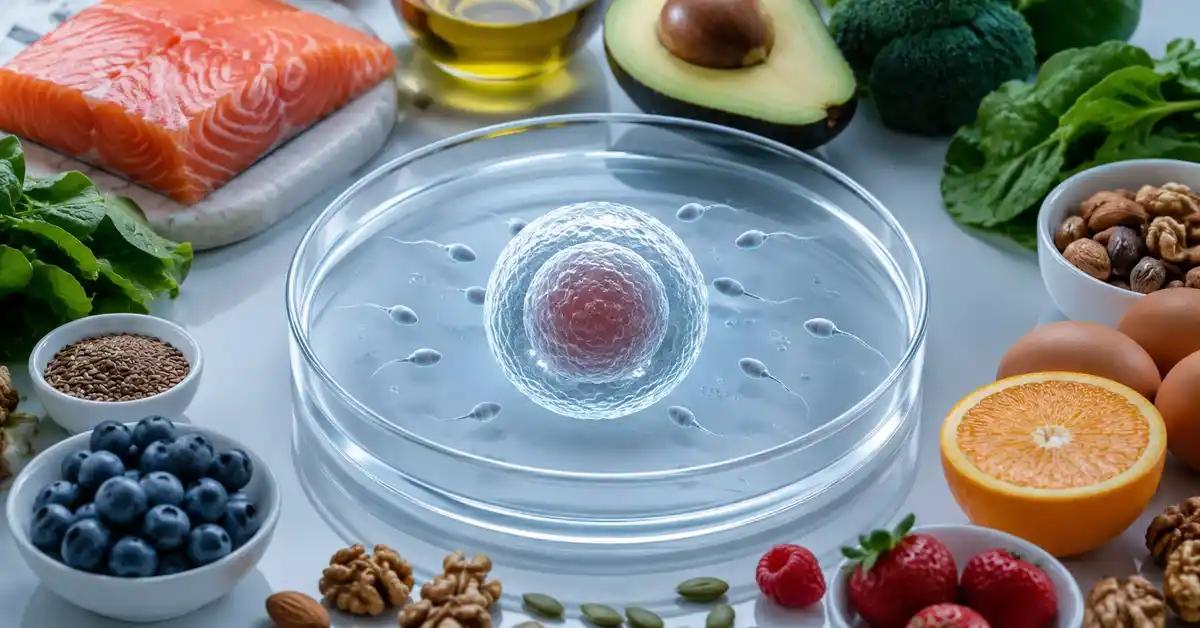
Nutrition and IVF Success: Your Comprehensive Guide to Optimal Outcomes

Manar Hegazy

Majd Eddin Khaled
IVF nutrition plays a pivotal role in improving treatment outcomes and increasing success rates, as recent scientific studies have proven that preconception nutrition IVF and diet during treatment directly affect egg and sperm quality, endometrial thickness, and implantation and pregnancy rates.
An IVF nutrition plan should include nutrition for IVF success foods rich in antioxidants, IVF supplements nutrition such as vitamin D, iron, and folic acid, omega-3 IVF diet to reduce inflammation, plus protein and complex carbohydrates to support hormonal balance.
At Fertiliv Fertility Center, we believe that improving nutrition to enhance IVF outcomes begins months before treatment starts, and we provide specialized nutritional consultations that consider the individual needs of each couple, with a focus on male nutrition IVF and female nutrition IVF to ensure the best possible results.
Fundamentals of Preconception Nutrition IVF and Its Impact on Success
What is Preconception Nutrition IVF and Its Importance?
Preconception nutrition IVF refers to the balanced and carefully planned diet that couples should follow before starting IVF treatment for a sufficient period, usually at least three to six months. This period is critical because eggs take approximately three months to fully mature, and sperm take about 74 days to form completely, meaning what you eat today directly affects the quality of reproductive cells that will be used in treatment.
How Preconception Nutrition IVF Affects Egg and Sperm Quality:
A balanced IVF success diet affects several vital aspects:
- Egg Quality: Antioxidants IVF nutrition protect eggs from oxidative damage, improving their quality and fertilization capacity
- Sperm Quality: Male nutrition IVF rich in zinc, selenium, and vitamin E improves sperm count, motility, and morphology
- Endometrial Lining: Iron and vitamin D in IVF nutrition help improve endometrial thickness and quality
- Hormonal Balance: Protein in the IVF nutrition plan helps regulate hormones necessary for ovulation and implantation
- Reducing Inflammation: Anti-inflammatory diet IVF creates an ideal environment for pregnancy
Optimal Timing for Dietary Modifications Before Treatment:
| Time Period | Nutritional Focus | Goals |
|---|---|---|
| 6-3 Months Before Treatment | Building nutritional reserves, antioxidants, omega-3 | Improve egg and sperm quality |
| 1 Month Before Stimulation | IVF supplements nutrition, high-quality protein | Prepare body for hormonal stimulation |
| During Stimulation | Adequate hydration, complex carbs, protein | Support egg growth and reduce side effects |
| After Transfer | Prenatal nutrition, folic acid, iron | Support implantation and early pregnancy |
At Fertiliv IVF Clinic, we provide customized nutritional programs that begin well before treatment to ensure optimal results.
Read about: Complete IVF Process Guide: Master Every Step to Achieve Your Parenthood Dream
Essential Foods and Vitamins for IVF Success
Antioxidant-Rich Foods for IVF Nutrition
Antioxidants IVF nutrition are closely linked to improved outcomes, as they protect cells from oxidative damage that negatively affects egg and sperm quality. Nutrition for IVF success foods rich in antioxidants include:
Antioxidant-Rich Fruits and Vegetables:
- Blueberries and Strawberries: Rich in anthocyanins and vitamin C, improve egg quality
- Spinach and Kale: Excellent sources of folate and iron, essential for cell division
- Broccoli and Cauliflower: Contain sulforaphane that supports hormonal balance
- Tomatoes: Rich in lycopene which improves sperm quality
- Carrots and Sweet Potatoes: Excellent sources of vitamin A essential for reproductive health
- Avocado: Rich in vitamin E and healthy fats that support vitamin absorption
IVF Supplements Nutrition and Their Vital Roles
IVF supplements nutrition play multiple roles in improving fertility and treatment outcomes:
| Vitamin | Role in IVF | Food Sources | Daily Dose |
|---|---|---|---|
| Vitamin D | Improves egg quality, supports embryo implantation, regulates hormones | Fatty fish, eggs, fortified milk, sunlight | 1000-2000 IU |
| Folic Acid | Prevents neural tube defects, improves egg quality | Leafy greens, legumes, fortified grains | 400-800 mcg |
| Vitamin E | Powerful antioxidant, improves sperm and egg quality | Nuts, seeds, vegetable oils, avocado | 15 mg |
| Vitamin C | Improves iron absorption, protects from oxidation | Citrus fruits, red peppers, kiwi, strawberries | 75-90 mg |
| B-Complex Vitamins | Support energy production, hormonal balance, nervous system health | Meats, fish, eggs, legumes, whole grains | Varies by type |
Role of Vitamin D in IVF Nutrition: Studies have shown that women with adequate vitamin D levels (above 30 ng/mL) achieve pregnancy rates 30-40% higher compared to those with deficiency. Vitamin D improves egg quality, regulates reproductive hormones, and supports embryo implantation.
Iron and Fertility in IVF Nutrition: Iron is essential for oxygen transport to reproductive organs, and its deficiency is associated with poor egg quality and ovulation disorders. Iron in IVF nutrition requires 27 mg daily, preferably from animal sources (red meat, liver) or plant sources with vitamin C to improve absorption.
Protein and Carbohydrates in IVF Nutrition Plan
An IVF nutrition plan should include high-quality protein sources:
- Animal Protein: Fatty fish (salmon, sardines), organic chicken, eggs, lean red meat
- Plant Protein: Lentils, beans, chickpeas, quinoa, nuts and seeds
- Dairy Products: Greek yogurt, low-fat cheese, organic milk
Carbohydrates in the IVF success diet should be complex and low glycemic index:
- Whole Grains: Oats, brown rice, quinoa, barley
- Legumes: Lentils, beans, chickpeas
- Starchy Vegetables: Sweet potatoes, pumpkin, carrots
At Fertiliv in Turkey, we provide specialized nutritional consultations to help you choose appropriate foods and determine optimal doses of vitamins and minerals.
Read about: Your Complete IVF Journey: From Start to Success
Omega-3 IVF Diet and Anti-Inflammatory Nutrition
How Omega-3 in the IVF Diet Improves Outcomes
Omega-3 IVF diet is associated with significant improvements in outcomes, as omega-3 fatty acids (EPA and DHA) play multiple roles:
- Improving Egg Quality: Omega-3 improves cell membrane fluidity, facilitating egg fertilization
- Reducing Inflammation: Anti-inflammatory diet IVF creates an ideal environment for pregnancy and reduces miscarriage risk
- Improving Uterine Environment: Omega-3 increases blood flow to the uterus and improves endometrial thickness
- Regulating Hormones: Helps regulate reproductive hormones and improve hormonal balance
- Improving Sperm Quality: Increases sperm count, motility, and morphology
Food Sources of Omega-3 for IVF:
| Food Source | Omega-3 Content (per 100g) | Optimal Preparation |
|---|---|---|
| Wild Salmon | 2.5 grams | Grilled or steamed |
| Sardines | 2.2 grams | Canned in olive oil or fresh grilled |
| Ground Flaxseeds | 22.8 grams | Added to yogurt or smoothies |
| Chia Seeds | 17.8 grams | Soaked in water or milk |
| Walnuts | 9.1 grams | Raw as a snack |
| Mackerel | 2.7 grams | Grilled or steamed |
Anti-Inflammatory Diet and Its Effect on Treatment Success
Anti-inflammatory diet IVF includes a dietary pattern that reduces chronic inflammation that may negatively affect fertility. An IVF success diet with anti-inflammatory properties includes:
- Antioxidant-Rich Foods: Berries, leafy greens, green tea
- Healthy Fats: Extra virgin olive oil, avocado, nuts and seeds
- Anti-Inflammatory Spices: Turmeric, ginger, cinnamon, garlic
- Fatty Fish: Salmon, sardines, mackerel
- Legumes and Whole Grains: Lentils, beans, oats, quinoa
Foods to Avoid in Anti-Inflammatory IVF Diet:
- Refined sugars and soft drinks
- Trans fats and hydrogenated oils
- Processed meats and fast food
- Simple carbohydrates (white bread, refined pasta)
- Alcohol and excessive caffeine
At Fertiliv Advanced Fertility Center, we provide customized nutritional programs focusing on anti-inflammatory nutrition and incorporating omega-3 at optimal doses.
Read about: IVF: Your Journey to Parenthood Between Turkey and the United States
Male Nutrition IVF and Avoiding Harmful Foods
Role of Male Nutrition IVF in Improving Outcomes
Male nutrition IVF is as important as female nutrition, as sperm quality directly affects fertilization rates and embryo development. Nutrients that enhance sperm quality in male nutrition IVF include:
Essential Nutrients for Improving Sperm Quality:
| Nutrient | Benefit for Sperm | Food Sources |
|---|---|---|
| Zinc | Increases sperm count, improves motility and morphology | Oysters, red meat, pumpkin seeds, chickpeas |
| Selenium | Protects from oxidative damage, improves sperm motility | Brazil nuts, fish, eggs, chicken |
| Vitamin C | Prevents sperm clumping, improves motility | Citrus fruits, red peppers, kiwi, broccoli |
| Vitamin E | Protects sperm membranes from damage | Almonds, sunflower seeds, avocado, spinach |
| Carnitine | Provides energy to sperm, improves motility | Red meat, chicken, milk, avocado |
| Folic Acid | Reduces chromosomal abnormalities in sperm | Leafy greens, legumes, fortified grains |
Male Supplements Diet in IVF:
In addition to food, men may need dietary supplements to improve sperm quality:
- Coenzyme Q10: 200-300 mg daily to improve sperm motility
- L-Carnitine: 1000-3000 mg daily to increase sperm count
- Vitamin D: 1000-2000 IU daily to improve testosterone levels
- Omega-3: 1000-2000 mg daily to improve sperm morphology
- Zinc: 15-30 mg daily to increase sperm count
Harmful Foods to Avoid During IVF Treatment
Avoiding harmful foods during IVF treatment is as important as consuming beneficial foods:
Caffeine and Refined Sugars and Their Impact on Success:
- Caffeine: Should be reduced to less than 200 mg daily (one cup of coffee), as excessive consumption is associated with decreased pregnancy rates and increased miscarriage risk
- Refined Sugars: Cause rapid spikes in blood sugar and insulin, negatively affecting hormonal balance and egg quality
- Soft Drinks: Contain high sugars and chemicals that may affect fertility
Processed Foods and Harmful Fats to Avoid:
- Trans Fats: Found in commercial baked goods and fast food, increase inflammation and reduce fertility
- Processed Meats: Sausages, deli meats, bacon - contain nitrates and harmful preservatives
- High-Mercury Fish: Shark, swordfish, king mackerel - mercury affects fetal development
- Fried Foods: Contain oxidized fats that increase inflammation
Food Labels and Harmful Chemicals in Nutrition:
- BPA (Bisphenol A): Found in plastic containers and canned foods, affects reproductive hormones
- Pesticides: Choose organic foods when possible, especially for the most contaminated fruits and vegetables
- Artificial Sweeteners: May affect hormonal balance and gut bacteria
- Artificial Colors and Flavors: May contain chemicals that affect fertility
At Fertiliv for Infertility Treatment, we provide comprehensive consultations for couples about optimal nutrition, focusing on both male nutrition IVF and female nutrition IVF.

Building a Comprehensive Nutrition Strategy and Practical Tips for IVF Success
Sample Weekly IVF Nutrition Plan
Building an IVF nutrition plan requires careful planning and dietary variety. Here's an example of a complete daily meal plan:
Sample Complete Daily Meal Plan:
- Breakfast (7:00 AM): Oatmeal with blueberries, walnuts, and chia seeds + glass of vitamin D-fortified milk + orange
- Snack (10:00 AM): Greek yogurt with honey and almonds + apple
- Lunch (1:00 PM): Grilled salmon + quinoa + green salad with olive oil and lemon + roasted sweet potato
- Snack (4:00 PM): Hummus with cut vegetables (carrots, cucumber, red pepper)
- Dinner (7:00 PM): Grilled organic chicken + brown rice + steamed broccoli and spinach + avocado salad
- Before Bed (9:00 PM): Warm milk with turmeric and cinnamon + handful of walnuts
Meal Timing Nutrient Distribution
Meal distribution in an IVF nutrition plan should be as follows:
| Food Group | Percentage of Total Calories | Daily Servings |
|---|---|---|
| Protein | 25-30% | 3-4 servings (serving = 100g) |
| Complex Carbohydrates | 40-45% | 5-6 servings (serving = half cup) |
| Healthy Fats | 25-30% | 3-4 servings (serving = tablespoon) |
| Vegetables | Unlimited | 5-7 servings (serving = cup) |
| Fruits | - | 2-3 servings (serving = medium piece) |
Evidence and Clinical Insights in IVF Nutrition
Studies on Mediterranean Diet IVF:
Studies have shown that women who follow the Mediterranean diet IVF before and during treatment achieve pregnancy rates 40% higher compared to those following other dietary patterns. The Mediterranean diet is characterized by:
- High consumption of vegetables, fruits, and whole grains
- Olive oil as the main source of fat
- Moderate consumption of fish and poultry
- Low consumption of red meat and sweets
- Use of herbs and spices instead of salt
Expert Guidelines for Nutrition for IVF Success:
- Adequate Hydration: Drink 8-10 glasses of water daily, especially during hormonal stimulation
- Proper Timing: Eat regular meals every 3-4 hours to regulate blood sugar
- Dietary Variety: Eat different colors of fruits and vegetables to ensure all nutrients
- Healthy Cooking: Prefer grilling and steaming over frying
- Reading Labels: Avoid foods containing preservatives and artificial sweeteners
Common Pitfalls in IVF Nutrition:
- Excessive Supplements: Taking high doses of vitamins without medical consultation can be harmful
- Restrictive Diets: Significantly reducing calories negatively affects fertility
- Neglecting Protein: Not consuming adequate protein affects egg quality
- Relying on Processed Foods: Even if "healthy" or "organic," fresh foods are better
- Ignoring Male Nutrition: Focusing only on female nutrition and neglecting male nutrition IVF
At Fertiliv for Infertility Treatment, we provide comprehensive nutritional programs including individual consultations, personalized meal plans, and regular follow-up to ensure compliance and progress. Our team of fertility nutrition specialists works in coordination with fertility doctors to provide integrated care.
Read about: Understanding IVF Failure: Your Guide to Improving Success Rates
Conclusion
IVF nutrition represents a fundamental element in improving treatment outcomes and increasing success rates, as preconception nutrition IVF and diet during treatment directly affect egg and sperm quality and uterine environment.
An IVF nutrition plan should include nutrition for IVF success foods rich in antioxidants, IVF supplements nutrition such as vitamin D, iron, and folic acid, omega-3 IVF diet to reduce inflammation, plus protein and complex carbohydrates to support hormonal balance.
Male nutrition IVF is as important as female nutrition IVF, and should focus on improving sperm quality through zinc, selenium, and vitamin E. Anti-inflammatory diet IVF, especially the Mediterranean diet IVF, has proven effective in improving pregnancy rates.
At Fertiliv IVF Clinic, we provide comprehensive and personalized nutritional programs that begin months before treatment and continue through pregnancy, with precise monitoring by specialized nutrition experts. To achieve the best IVF outcomes through proper nutrition and specialized follow-up, contact the Fertiliv Fertility team via WhatsApp now and receive a comprehensive nutritional consultation tailored to your individual needs.
Frequently Asked Questions: Nutrition and IVF Success: Your Comprehensive Guide to Optimal Outcomes
What are the best foods to improve egg quality before IVF?
The best foods to improve egg quality include omega-3-rich fatty fish (salmon, sardines), dark leafy greens rich in folate (spinach, kale), antioxidant-rich blueberries and strawberries, vitamin E-rich nuts and seeds, choline and protein-rich eggs, healthy fat-rich avocado, and plant protein and iron-rich legumes. You should start consuming these foods 3-6 months before treatment to give eggs sufficient time to mature with high quality.
Does vitamin D affect IVF success?
Yes, the role of vitamin D in IVF nutrition is very significant. Studies have shown that women with adequate vitamin D levels (above 30 ng/mL) achieve pregnancy rates 30-40% higher compared to those with deficiency. Vitamin D improves egg quality, regulates reproductive hormones, supports embryo implantation, and reduces miscarriage risk. It's recommended to check vitamin D levels before treatment and take supplements if needed (1000-2000 IU daily), in addition to sun exposure and consuming vitamin D-rich foods.
How does omega-3 help improve IVF outcomes?
Omega-3 IVF diet is associated with multiple improvements: improving egg quality by increasing cell membrane fluidity, reducing inflammation that may affect implantation, improving uterine environment and increasing blood flow to the endometrium, regulating reproductive hormones, and improving sperm quality. It's recommended to consume 1000-2000 mg of omega-3 daily from sources like salmon, sardines, ground flaxseeds, chia seeds, and walnuts, or through high-quality fish oil supplements.
What foods should be avoided during IVF treatment?
Several foods should be avoided during IVF treatment: excessive caffeine (more than 200 mg daily), refined sugars and soft drinks, trans fats found in commercial baked goods and fast food, processed meats (sausages, deli meats), high-mercury fish (shark, swordfish), fried foods, alcohol, BPA-containing foods (plastic canned goods), and artificial sweeteners. These foods may negatively affect hormonal balance, egg and sperm quality, and implantation and pregnancy chances.
Is partner nutrition important in IVF treatment?
Yes, male nutrition IVF is as important as female nutrition IVF. Sperm quality directly affects fertilization rates and embryo development. Men should focus on consuming zinc-rich foods (oysters, meats, pumpkin seeds), selenium-rich foods (Brazil nuts, fish), vitamin C and E-rich foods (citrus, nuts), carnitine-rich foods (red meat), and omega-3-rich foods (fatty fish). Sperm take 74 days to form, so improving nutrition should begin at least 3 months before sample collection. Dietary supplements like coenzyme Q10 and L-carnitine may also be beneficial.