
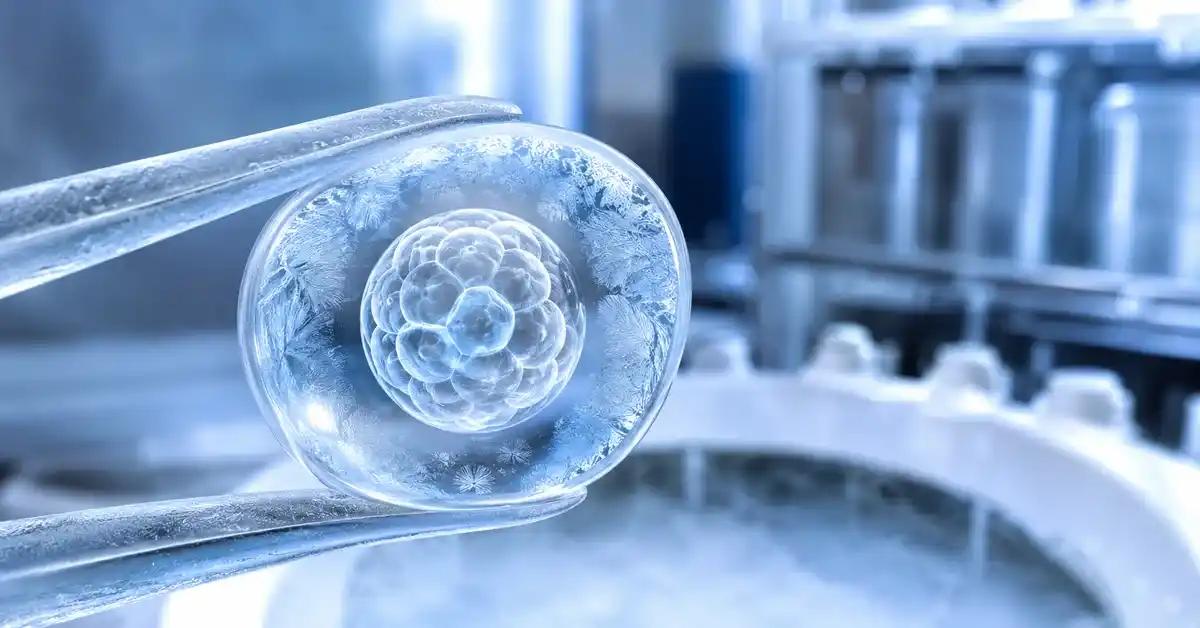
Embryo Freezing in IVF: New Opportunities to Achieve Parenthood

Manar Hegazy

Majd Eddin Khaled
Embryo freezing has become an essential part of modern IVF techniques, offering couples additional opportunities to achieve their dream of parenthood without needing to repeat all treatment stages from the beginning. Embryo freezing in IVF means preserving surplus embryos after transferring fresh embryos to the uterus, allowing their use in later attempts if the first attempt fails or if the couple wishes to have another child in the future.
Benefits of embryo freezing are numerous and include reducing financial and emotional costs for couples, as they don't need to repeat ovarian stimulation and egg retrieval stages. Additionally, embryo freezing success rate has become high thanks to modern techniques like vitrification of embryos, which excellently preserves embryo quality. At Fertiliv in Istanbul, we use the latest embryo freezing in the lab techniques to ensure the best outcomes for couples.
In this comprehensive guide, we'll explore everything related to embryo freezing and fertility, starting from steps of embryo freezing and moving through pregnancy with frozen embryos, to answering common questions about embryo freezing and congenital disabilities. We'll also discuss the best timing for embryo freezing day 5 versus day three, and how to successfully perform frozen embryo transfer.
Understanding Embryo Freezing: Techniques and Procedures
Embryo freezing is the process of preserving embryos at very low temperatures (around -196°C) using liquid nitrogen, which stops all biological activities and preserves embryos for extended periods without losing quality. Steps of embryo freezing begin after the fertilization process in the laboratory, where embryo development is monitored for several days before making the freezing decision.
Embryo freezing in the lab is performed using two main techniques: traditional cryopreservation of embryos and modern vitrification of embryos. The first technique relies on gradual embryo cooling, while the second uses ultra-rapid cooling that prevents ice crystal formation inside cells, better preserving embryo integrity. At Fertiliv, we use vitrification of embryos as our primary technique due to its high success rates.
Cryopreservation vs Vitrification
The fundamental difference between cryopreservation of embryos and vitrification of embryos lies in freezing speed and protective substances used. Traditional freezing takes longer and carries greater risk of ice crystal formation that may damage cells, while vitrification converts embryos to a solid glass-like state within seconds, significantly reducing risks.
Embryo freezing success rate using vitrification technique is much higher, with embryo survival rates after thawing reaching over 95% in specialized centers. This means that pregnancy with frozen embryos using vitrification technique approaches pregnancy chances with fresh embryos, making embryo freezing an excellent option for couples wishing to preserve their future pregnancy chances.
Detailed Steps of Embryo Freezing
Steps of embryo freezing begin with assessing available embryo quality after fertilization. Embryologists examine each embryo under microscope to determine its quality grade and suitability for freezing. Only high-quality embryos are selected for freezing, as poor-quality embryos may not withstand the freezing and thawing process.
After selecting suitable embryos, they're placed in a special protective solution containing substances that prevent ice crystal formation. They're then ultra-rapidly cooled using liquid nitrogen and stored in special tanks. Embryo freezing in the lab is performed with high precision and continuous supervision to ensure embryo quality preservation. At Fertiliv, we follow the highest quality and safety standards in all embryo freezing stages.
Read about: Complete IVF Journey with Egg Freezing: Your Comprehensive Guide
Multiple Advantages of Embryo Freezing
Benefits of embryo freezing are numerous and varied, making it an attractive option for many couples undergoing IVF treatments. First, embryo freezing in IVF provides an additional pregnancy opportunity without needing to repeat a full cycle of ovarian stimulation and egg retrieval, significantly reducing financial and emotional burden on couples.
Second, pregnancy with frozen embryos has become nearly equivalent to pregnancy chances with fresh embryos, especially with modern vitrification technique. This means couples don't lose real pregnancy opportunities when choosing to freeze surplus embryos. On the contrary, success chances may be higher in some cases, as frozen embryos can be transferred in a natural cycle without stimulation hormones affecting uterine lining.
Flexibility in Family Planning
One of the most important benefits of embryo freezing is the flexibility it offers couples in family planning. After the first attempt succeeds and the first child is born, couples can use frozen embryos to have more children in the future without needing to start a new treatment cycle from scratch. This saves time, effort, and cost, allowing the family to plan expansion at their convenient time.
Additionally, embryo freezing and fertility are closely linked in special cases, such as women wishing to delay pregnancy for personal or professional reasons. After undergoing an IVF cycle and freezing embryos, a woman can postpone embryo transfer for many years without affecting embryo quality, preserving her pregnancy chances even with advancing age.
Reducing Health Risks
Benefits of embryo freezing also include reducing some health risks associated with fertility treatments. In cases of ovarian hyperstimulation syndrome (OHSS), which may occur as a complication of ovarian stimulation medications, all embryos can be frozen and transfer postponed to a later cycle, allowing the body time to recover and reducing complication severity.
Additionally, frozen embryo transfer in a natural cycle or with simple uterine lining preparation is less stressful on the body compared to a full stimulation cycle. This means couples can get an additional pregnancy chance in a gentler way on the woman's body, while maintaining high embryo freezing success rate.

Success Rates and Influencing Factors
Embryo freezing success rate depends on several key factors, most importantly embryo quality before freezing, woman's age at egg retrieval, and freezing technique used. Recent studies indicate that success rate of frozen embryo transfer using vitrification technique can reach the same success rates as fresh embryos or even exceed them in some cases.
Pregnancy with frozen embryos is significantly affected by the woman's age when the original IVF cycle was performed. Frozen embryos from eggs of a woman in her twenties or early thirties retain the same quality even if used after many years, meaning embryo freezing effectively preserves fertility against aging effects.
Embryo Quality and Its Role in Success
Embryo grade and quality before freezing are among the most important factors affecting embryo freezing success rate. Embryos reaching blastocyst stage (day five or six of development) are usually stronger and more capable of withstanding freezing and thawing. Therefore, embryo freezing day 5 is considered the preferred option in most cases.
High-quality embryos containing an appropriate number of regular cells without significant fragmentation have better chances of survival after thawing and implantation in the uterus. At Fertiliv, embryologists conduct precise assessment of each embryo before freezing to ensure selection of embryos most likely to succeed, enhancing success rate of frozen embryo transfer.
Impact of Laboratory Techniques
Laboratory techniques used in embryo freezing in the lab play a crucial role in final outcomes. Advanced laboratories using the latest temperature and humidity control systems, applying strict quality monitoring protocols, achieve much higher success rates. Using vitrification of embryos instead of traditional freezing has raised post-thaw survival rates from about 70-80% to over 95%.
Laboratory team expertise in handling embryos during freezing and thawing directly affects results. At Fertiliv in Istanbul, we pride ourselves on having a team of embryologists with international experience trained in the latest techniques, ensuring the highest success rates in embryo freezing and fertility.
Read about: Egg Freezing: Modern Techniques for Future Fertility Preservation
Considerations and Potential Risks
Although benefits of embryo freezing are numerous, it's important to understand risks of embryo freezing and make an informed decision. Generally, embryo freezing is considered a very safe procedure, but there are some considerations to keep in mind. First, not all embryos withstand the freezing and thawing process, as some embryos may lose their ability to continue growing after thawing.
Risks during thawing and transfer include the possibility of some cell damage during the process, especially if modern techniques like vitrification aren't used. However, with advanced techniques used in specialized centers like Fertiliv, embryo survival rate after thawing is very high, significantly reducing these risks.
Rare Medical Complications
Medical complications related to embryo freezing are very rare, but it's important to know them. In rare cases, some embryos may not survive the thawing process, meaning no embryos available for transfer. This possibility decreases greatly with modern vitrification technique, but it remains a possible scenario that should be discussed with the treating physician.
On the other hand, there's no strong scientific evidence indicating increased risks of embryo freezing on the health of children born from frozen embryos. Long-term studies showed that children born from frozen embryos enjoy good health and don't differ from children born from fresh embryos or natural methods in terms of physical and mental development.
Embryo Freezing and Birth Defects
A common question many couples ask is: Does embryo freezing increase birth defects? The reassuring answer is that scientific research hasn't found any increase in birth defect rates in children born from frozen embryos compared to fresh embryos. Embryo freezing and congenital disabilities have no proven causal relationship scientifically.
In fact, some studies indicated that rates of some complications may be lower in pregnancies from frozen embryos compared to fresh embryos, perhaps due to stimulation hormones' effect on uterine lining in fresh embryo cycles. For more reassurance, genetic screening before transfer (PGS) can be performed on embryos before freezing to ensure their genetic integrity.
Read about: Egg Freezing for Single Women: Future Fertility Preservation Options
Financial Aspects of Embryo Freezing
Embryo freezing cost is considered an important investment in the family's future, and understanding its components helps couples plan financially better. Generally, embryo freezing cost divides into two main parts: the initial cost of the freezing process itself, and the annual cost of preserving embryos in liquid nitrogen tanks.
The initial cost is usually part of the complete IVF cycle cost, including cost of initial treatment and egg retrieval, fertilization, and embryo monitoring. Then comes the annual embryo storage cost, which varies from center to center but remains reasonable compared to the cost of performing a complete new IVF cycle.
Comparing Costs with Benefits
When comparing embryo freezing cost with the cost of performing a new IVF cycle, it becomes clear that freezing surplus embryos is a smart economic choice. A frozen embryo transfer cycle usually costs a fraction of the complete cycle cost, as it doesn't need expensive ovarian stimulation medications or egg retrieval procedure.
Additionally, the emotional and psychological value of having an additional pregnancy opportunity without needing to repeat all treatment stages is priceless. Annual embryo storage cost is considered a small investment compared to the preserved opportunity to expand the family in the future. At Fertiliv, we offer transparent and clear packages including all costs associated with embryo freezing and storage.
Long-term Financial Planning
Financial planning for embryo freezing should consider the expected duration of embryo preservation. Some couples plan to use frozen embryos within one or two years, while others prefer to keep them for a longer period. It's important to discuss these plans with the medical center to understand future costs and available options.
At Fertiliv, we ensure providing flexible financial options suitable for all couples' needs, while maintaining the highest quality standards in embryo preservation.
Read about: Modern Egg Freezing Techniques: Innovations and Advanced Tips
Embryo Freezing: Day Three or Day Five?
One important decision in embryo freezing is determining the best stage for freezing: on day three of development or day five (blastocyst stage). Each option has its advantages and considerations, and the decision depends on several factors related to the couple's condition and number and quality of available embryos.
Embryo freezing day 5 is considered the preferred option in most cases, as embryos reaching blastocyst stage have proven their ability to continue growing and dividing, indicating higher quality and better implantation chances. Embryo freezing success rate on day five is usually higher than freezing day three embryos.
Advantages of Day Five Freezing
Benefits of waiting until day five for embryo freezing include the ability to select stronger embryos most likely to succeed. Embryos reaching blastocyst stage have undergone natural selection in the laboratory, as poor-quality embryos usually stop growing before this stage. This means embryos frozen on day five have better chances of successful pregnancy.
Additionally, blastocyst embryos are more developed and contain a larger number of cells, making them more capable of withstanding freezing and thawing. Pregnancy with frozen embryos from day five is very high, especially with modern vitrification technique that excellently preserves embryo integrity.
When Is Day Three Freezing Preferred?
Day three assessment may be the most suitable option in some cases, especially when the number of available embryos is limited. If there are few embryos, waiting until day five may result in no embryos available for transfer or freezing, as some embryos may stop growing. In these cases, it may be better to freeze embryos on day three to ensure retaining a future pregnancy opportunity.
Some medical conditions may also require early freezing, such as severe ovarian hyperstimulation cases where all embryos must be frozen quickly to avoid complications. The decision between freezing embryos on day three or five should be made in consultation with the treating physician and embryologist, based on each couple's individual condition.
Read about: Egg Freezing: Your Path to Preserving Fertility Between Turkey and Germany
Frozen Embryo Transfer Process
Frozen embryo transfer is the process of transferring preserved embryos to the woman's uterus after thawing, and it's a much simpler process than a complete IVF cycle. The woman doesn't need ovarian stimulation medications or egg retrieval procedure, making the process less stressful and more comfortable. Success rate of frozen embryo transfer depends on embryo quality and woman's age at original egg retrieval.
Scheduling and timing of frozen embryo transfer are important for successful transfer. Transfer can be performed in the woman's natural cycle, where natural ovulation is monitored and optimal transfer time determined, or in a prepared cycle using simple hormones to prepare uterine lining to receive embryos. Both options are effective, and the choice depends on the woman's condition and preferences.
Preparing for Frozen Embryo Transfer
Preparation for frozen embryo transfer begins with assessing uterine lining to ensure it's in optimal condition to receive embryos. This is usually done through ultrasound examinations to measure lining thickness and pattern. In natural cycle, egg growth and ovulation are monitored, then embryos are thawed and transferred at the appropriate time after ovulation.
In prepared cycle, the woman takes estrogen hormone for several days to stimulate uterine lining growth, then progesterone hormone is added to prepare the lining to receive embryos. This approach provides greater control over transfer timing and suits women who don't have regular ovulation. At Fertiliv, we help each couple choose the most suitable protocol for their condition to achieve the best results.
After Frozen Embryo Transfer
After frozen embryo transfer, the same usual instructions after fresh embryo transfer are followed. Relative rest and avoiding strenuous activities are recommended, with continuation of supportive medications like progesterone according to doctor's instructions. Pregnancy test is usually performed about 10-14 days after transfer to determine procedure success.
One advantage of frozen embryo transfer is the possibility of planning pregnancy without additional stimulation, meaning couples can choose the timing suitable for them without time pressure associated with stimulation cycles. This flexibility makes embryo freezing in IVF an attractive option for many couples wishing to better control their journey toward parenthood.
Read about: Proper Nutrition for Women After IVF: Complete Guide to Pregnancy Success
Conclusion
Embryo freezing has become an integral part of modern fertility treatments, offering couples additional opportunities and greater flexibility in their journey toward parenthood. Benefits of embryo freezing are numerous, from saving financial and emotional costs to preserving future pregnancy chances. With modern techniques like vitrification of embryos, success rates have become very high, making pregnancy with frozen embryos equivalent to fresh embryos.
Embryo freezing and fertility are closely linked, as freezing provides an effective means of preserving fertility against aging effects. Whether you're planning to expand your family in the future or need to delay pregnancy for medical or personal reasons, embryo freezing in IVF provides you with the options and opportunities you need. Risks of embryo freezing are very limited with modern techniques and specialized centers.
At Fertiliv in Istanbul, we're committed to providing the highest levels of care in embryo freezing in the lab, using the latest techniques and best global practices. Our expert team is ready to help you at every step, from making the embryo freezing decision to frozen embryo transfer and achieving your parenthood dream. We're here to provide you with the support and information you need to make the best decisions for your family's future. For additional information about available packages and costs associated with embryo freezing at Fertiliv, you can contact us via WhatsApp.
Frequently Asked Questions: Embryo Freezing in IVF: New Opportunities to Achieve Parenthood
What are the main benefits of embryo freezing?
Benefits of embryo freezing are multiple and include providing an additional pregnancy opportunity without needing to repeat a full cycle of ovarian stimulation and egg retrieval, reducing financial costs and emotional burden on couples. Embryo freezing in IVF also provides flexibility in family planning, as frozen embryos can be used to have additional children in the future. Additionally, pregnancy with frozen embryos has become equivalent to fresh embryos with modern techniques, and frozen embryos can be transferred in a natural cycle that's less stressful on the body.
Is embryo freezing success rate high?
Yes, embryo freezing success rate has become very high with modern techniques. Vitrification of embryos achieves survival rates exceeding 95% after thawing, meaning most frozen embryos remain usable. Success rate of frozen embryo transfer depends on several factors, most importantly embryo quality before freezing and woman's age at egg retrieval. Embryos frozen on day five (blastocyst stage) usually achieve higher success rates. In specialized centers like Fertiliv, pregnancy with frozen embryos approaches or equals pregnancy chances with fresh embryos.
Is there a relationship between embryo freezing and birth defects?
No, scientific research hasn't found any increase in birth defect rates in children born from frozen embryos. Embryo freezing and congenital disabilities have no scientifically proven causal relationship. Long-term studies showed that children born from frozen embryos enjoy good health and don't differ from children born from fresh embryos or natural methods. In fact, some studies indicated that rates of some complications may be lower in pregnancies from frozen embryos. For more reassurance, genetic screening before transfer (PGS) can be performed on embryos before freezing.
When is embryo freezing day 5 preferred?
Embryo freezing day 5 is considered the preferred option in most cases, especially when there's a good number of available embryos. Embryos reaching blastocyst stage (day five) have proven their ability to continue growing, indicating higher quality and better chances of implantation and successful pregnancy. Blastocyst embryos are more developed and contain a larger number of cells, making them more capable of withstanding freezing and thawing. Embryo freezing success rate on day five is usually higher than freezing day three embryos, but the final decision depends on number and quality of available embryos.
How is frozen embryo transfer performed?
Frozen embryo transfer is a much simpler process than a complete IVF cycle. The woman doesn't need ovarian stimulation medications or egg retrieval procedure. Preparation for frozen embryo transfer is done either in a natural cycle where natural ovulation is monitored, or in a prepared cycle using simple hormones to prepare uterine lining. Embryos are thawed on transfer day then transferred to the uterus in a simple, painless procedure. After transfer, the woman takes supportive medications and pregnancy test is performed after about 10-14 days. The process is less stressful and more comfortable compared to fresh embryo cycle.