
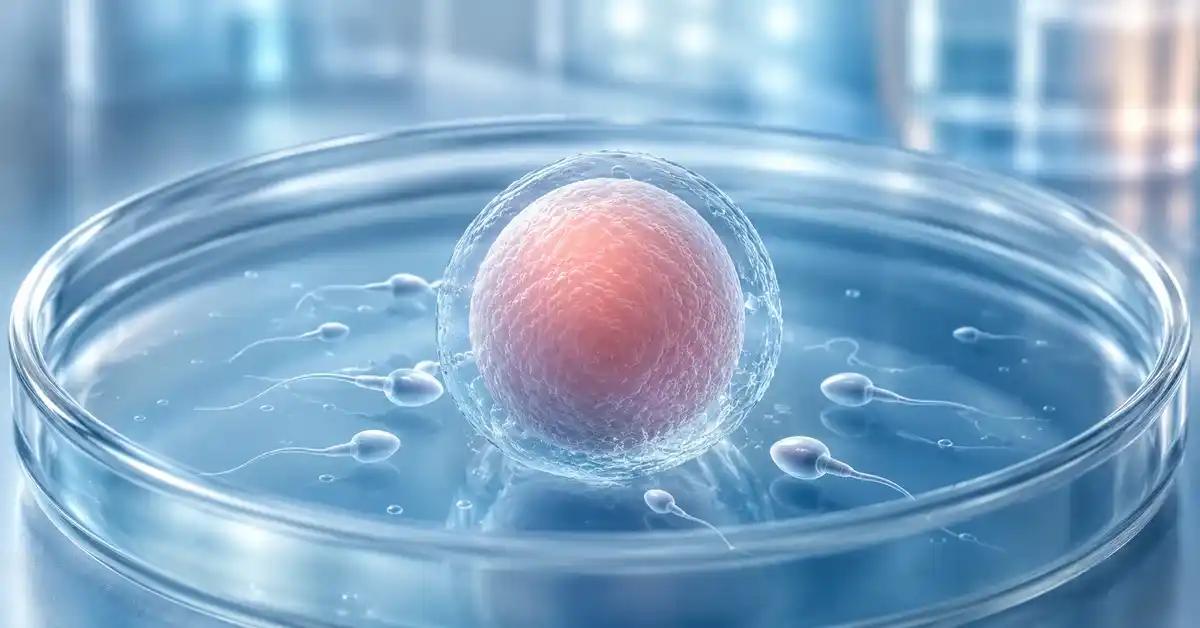
Your Complete IVF Journey: From Start to Success

Manar Hegazy

Majd Eddin Khaled
The IVF procedure represents a beacon of hope for countless couples facing challenges with natural conception. This advanced medical technique, which has evolved significantly over the past decades, has become increasingly effective and safe, offering real opportunities to achieve the dream of parenthood. Understanding IVF stages in detail helps couples prepare both mentally and physically for this important journey.
In Turkey, particularly in Istanbul, advanced medical centers offer the IVF procedure with the highest global quality standards. The IVF duration typically ranges from four to six weeks from the start of ovarian stimulation until the IVF pregnancy test, and each of these stages has its own importance in determining the final IVF success rate.
This comprehensive guide will take you on a detailed journey through every stage of the IVF procedure, starting from initial preparations and ovarian stimulation, through egg retrieval and egg fertilization, to embryo transfer and final follow-up. We will also discuss IVF vs ICSI differences and provide IVF success tips from Fertiliv experts.
Understanding the IVF Procedure and Its Significance
The IVF procedure is an assisted reproductive technology that involves fertilizing eggs outside the woman's body in a controlled laboratory environment, then transferring the resulting embryos to the mother's uterus. This process provides an effective solution for many fertility problems that couples may face, and has helped millions of families worldwide achieve their dream of having children.
IVF stages differ slightly from case to case based on the couple's health condition and the chosen treatment protocol, but the basic steps remain similar. Understanding these stages accurately helps couples know what to expect at each step, which reduces anxiety and increases confidence in the process.
What distinguishes the IVF procedure?
The IVF procedure is distinguished by being a precise and organized process that requires careful coordination between the medical team and the couple. Each stage of IVF stages is designed to achieve a specific goal: ovarian stimulation aims to produce the maximum number of mature eggs, egg retrieval is performed with high precision to ensure obtaining excellent quality eggs, and egg fertilization takes place under optimal laboratory conditions.
What distinguishes advanced centers in Turkey, such as Fertiliv, is the use of the latest technologies at every stage of the process. From precise monitoring devices for egg growth to laboratories equipped with the latest embryo incubators, every detail is carefully considered to increase IVF success rate and minimize potential IVF complications.
When is IVF procedure recommended?
The IVF procedure is recommended in multiple cases, including blocked fallopian tubes, poor sperm quality, ovulation problems, unexplained infertility, or failure of other treatments. The specialist doctor evaluates each case individually to determine whether the IVF procedure is the most suitable option, or if there are other alternatives that may be more appropriate.
In some cases, the doctor may recommend intracytoplasmic sperm injection (ICSI) instead of conventional fertilization, especially when there are problems with sperm quality or count. The IVF vs ICSI difference lies in the fertilization method: in conventional IVF, sperm are placed with eggs and left to fertilize naturally, while in ICSI, a single sperm is injected directly into each egg.
Read about: Complete IVF Process Guide: Master Every Step to Achieve Your Parenthood Dream
First Step: Activating Ovaries and Producing Eggs
Ovarian stimulation is the first and fundamental stage in the IVF procedure, usually lasting 8 to 14 days. The goal of this stage is to stimulate the ovaries to produce a larger number of mature eggs instead of the single egg naturally produced each month. The more mature eggs available, the greater the chances of obtaining high-quality embryos, which improves IVF success rate.
This stage usually begins on the second or third day of the menstrual cycle, where the patient starts taking ovarian stimulation drugs in the form of daily hormonal injections. These medications contain hormones that stimulate the ovaries to produce multiple eggs simultaneously. The treatment protocol differs from woman to woman based on her age, ovarian reserve, and expected response to treatment.
Types of ovarian stimulation drugs used
Ovarian stimulation drugs include several types of hormones, most importantly FSH (follicle-stimulating hormone) and LH (luteinizing hormone). These medications are usually given as daily subcutaneous injections, and the patient can learn how to self-administer these injections at home after appropriate training from the medical team.
In addition to stimulation drugs, the patient may need other medications to prevent premature ovulation, ensuring that eggs are not released from the ovaries before the scheduled egg retrieval time. The dosages and medications used are precisely determined by the treating physician based on the patient's response, which is closely monitored through regular blood tests and ultrasound examinations.
Precise monitoring of follicle growth
During the ovarian stimulation stage, the patient undergoes precise and regular monitoring every two or three days. This monitoring includes transvaginal ultrasound examinations to measure the size and number of follicles (small sacs containing eggs), in addition to blood tests to measure hormone levels.
This precise monitoring allows the doctor to adjust medication dosages as needed and determine the optimal timing for administering the final trigger shot (hCG injection) given 34-36 hours before egg retrieval. This injection stimulates the final maturation of eggs and prepares them for retrieval. Precision in the timing of this injection is extremely important for the success of the next stage.
Read about: IVF: Your Journey to Parenthood Between Turkey and the United States
Second Step: Extracting Eggs from the Ovaries
Egg retrieval is a relatively simple yet precise medical procedure, usually performed 34-36 hours after the trigger shot. This precise timing is very necessary because eggs are in their best state of maturity at this time. The procedure usually takes between 20 to 30 minutes and is performed under light sedation or local anesthesia depending on the patient's preference and doctor's recommendation.
Eggs are retrieved using a very thin needle guided by transvaginal ultrasound. The doctor inserts the needle through the vaginal wall into the ovaries and aspirates the fluid from each follicle containing an egg. This fluid is immediately transferred to the laboratory where an embryologist examines it under a microscope to identify and isolate the eggs.
How is egg retrieval performed precisely?
The egg retrieval procedure requires high skill and great precision from the treating physician. Using ultrasound equipment, the doctor can see the ovaries and follicles with complete clarity, allowing precise guidance of the needle to each follicle. The number of eggs retrieved depends on the patient's response to ovarian stimulation drugs and may range from a few eggs to more than twenty eggs in some cases.
Not all retrieved eggs are mature or suitable for fertilization. The embryologist examines each egg under a microscope to determine its maturity stage. Only mature eggs (at MII stage) can be successfully fertilized. Egg quality plays a crucial role in IVF success rate, which is why medical expertise and advanced technologies at centers like Fertiliv make a significant difference.
Anesthesia and recovery after the procedure
Anesthesia during the procedure is usually light sedation (conscious sedation) that makes the patient relaxed and comfortable without completely losing consciousness. Some centers use only local anesthesia, but most patients prefer light sedation to avoid any discomfort. After the procedure, the patient remains under observation for one or two hours until the sedation effect completely wears off.
After egg retrieval, the patient may feel some mild discomfort or cramping in the abdominal area, which is completely normal. Rest is advised for the remainder of the day and avoiding strenuous activities for a day or two. Most women can return to their normal activities the next day. IVF complications at this stage are very rare when the procedure is performed at specialized centers.
Read about: Understanding IVF Failure: Your Guide to Improving Success Rates
Third Step: Fertilizing Eggs in the Laboratory
Egg fertilization is the crucial stage that occurs in the laboratory a few hours after egg retrieval. On the same day as egg retrieval, the partner is asked to provide a semen sample, which is processed in the laboratory to isolate the most motile and high-quality sperm. There are two main methods for egg fertilization: conventional fertilization and intracytoplasmic sperm injection (ICSI).
Choosing the appropriate method depends on several factors, most importantly sperm quality, number of available eggs, and the couple's medical history. The IVF vs ICSI difference at this stage is clear: in conventional fertilization, about 50,000 to 100,000 sperm are placed with each egg and fertilization is allowed to occur naturally, while in ICSI, the embryologist selects the best single sperm and injects it directly inside the egg.
Conventional fertilization versus ICSI
In conventional fertilization, mature eggs are placed in a special laboratory dish with a large number of processed sperm and left in a special incubator that provides optimal conditions for fertilization. Within 16-18 hours, sperm penetrate the eggs naturally and fertilization occurs. This method is suitable when sperm quality is good and the count is sufficient.
Intracytoplasmic sperm injection (ICSI) is a more advanced technique where the embryologist uses a very fine needle under a microscope to inject a single sperm directly into the egg cytoplasm. This technique is used when there is weakness in sperm count, motility, or morphology, or when conventional fertilization failed in previous attempts. ICSI significantly increases fertilization chances in these cases, making it the preferred choice in many situations.
Genetic screening of embryos before implantation
Preimplantation genetic testing (PGT) is an advanced technique that allows genetic screening of embryos before transferring them to the uterus. This test can detect chromosomal abnormalities or specific genetic diseases, allowing selection of the healthiest embryos for transfer. Preimplantation genetic testing is especially recommended for women over 35 years old, couples with a history of recurrent miscarriage, or those with a family history of genetic diseases.
To perform this test, a small sample of embryo cells is taken on the fifth or sixth day of development (blastocyst stage) and genetically examined. Genetically healthy embryos are selected for transfer or freezing, while embryos carrying chromosomal abnormalities are not used. This test significantly increases IVF success rate and reduces the risk of miscarriage and birth defects.
Read about: Your Complete Guide to IVF Cost in Turkey and the Gulf
Fourth Step: Monitoring Embryo Growth and Development
After successful fertilization, fertilized eggs (embryos) begin dividing and growing inside special incubators in the laboratory. These incubators provide optimal conditions that mimic the natural environment inside the fallopian tube and uterus, in terms of temperature, humidity, and oxygen and carbon dioxide concentration. Monitoring embryo development is done with high precision over 3 to 6 days.
On the first day after fertilization, the embryologist examines the eggs to confirm successful fertilization. A successfully fertilized egg shows two pronuclei (one from the egg and one from the sperm). In the following days, embryos divide sequentially: from two cells on day two, to 4-8 cells on day three, then to the blastocyst stage (about 100 cells) on day five or six.
Assessing and grading embryo quality
The embryologist evaluates the quality of each embryo daily based on specific criteria, including division rate, cell symmetry, and fragmentation percentage. Embryos are usually graded (A, B, C, D) where grade A represents excellent quality embryos and grade D represents poor quality embryos. This grading helps the doctor and embryologist select the best embryos for transfer or freezing.
Embryos that reach the blastocyst stage on day five or six usually have higher quality and better implantation chances than day-three embryos. For this reason, many advanced centers, such as Fertiliv, prefer to transfer embryos on day five when possible. This allows selection of the best embryos and increases IVF success rate while reducing the risk of multiple pregnancy.
Freezing surplus embryos for the future
Embryo freezing is a very important option for couples who have good quality surplus embryos after selecting embryos for transfer. These embryos can be frozen using vitrification (rapid freezing) technique that excellently preserves embryo quality. Frozen embryos can be used in later attempts without needing to repeat ovarian stimulation and egg retrieval stages.
Embryo freezing provides several benefits: it reduces cost and time in future attempts, allows couples to postpone a second or third pregnancy to a later time without worrying about advancing age, and provides a backup option in case the first attempt fails. Success rates using frozen embryos have become nearly equivalent to success rates using fresh embryos, thanks to the advanced techniques used today.
Read about: Nutrition and IVF Success: Your Comprehensive Guide to Optimal Outcomes
Fifth Step: Transferring Embryos to the Uterus
Embryo transfer is the final and most anticipated stage in the IVF procedure. This simple and painless procedure is usually performed on the third or fifth day after egg retrieval, depending on the protocol followed and embryo quality. The procedure takes only a few minutes and does not require anesthesia, and is performed while the patient is lying on an examination table.
Before embryo transfer, the uterine lining must be in optimal condition to receive embryos. The ideal uterine lining thickness is usually between 8 to 12 mm, which is confirmed via ultrasound. If the uterine lining is not ready, the doctor may decide to postpone transfer and freeze all embryos for transfer in a later cycle when conditions are better.
How is embryo transfer performed?
The embryo transfer procedure is performed using a very thin and flexible catheter inserted through the cervix into the uterine cavity. The doctor uses abdominal ultrasound to precisely guide the catheter to the optimal location inside the uterus. The selected embryos (usually one or two) are loaded into the catheter with a very small amount of fluid, then gently deposited in the uterus.
The procedure is completely painless for most women, and some may feel mild discomfort similar to a routine cervical examination. After embryo transfer, the patient remains lying down for 10-15 minutes, then can return home. There is no need for complete bed rest after transfer, but avoiding strenuous activities and intercourse for a few days is advised.
Number of embryos transferred and important considerations
The number of embryos transferred is an important decision made by the doctor in consultation with the couple. In most cases, especially for women under 35 years old with high-quality embryos, transferring only one embryo is recommended to avoid the risk of multiple pregnancy. Pregnancy with twins or more increases IVF complications and health risks for both mother and children.
For older women or those with medium-quality embryos, transferring two embryos may be recommended to increase success chances. The decision depends on several factors including the woman's age, embryo quality, number of previous attempts, and medical history. Advanced centers like Fertiliv follow international standards in this regard to achieve the best balance between IVF success rate and mother and child safety.
Read about: Proper Nutrition for Women After IVF: Complete Guide to Pregnancy Success
Sixth Step: Waiting Period and Pregnancy Test
After embryo transfer, the most psychologically difficult waiting period in the IVF procedure journey begins. This period, which usually lasts 10 to 14 days, is the time needed for embryos to implant in the uterine lining and begin secreting pregnancy hormone (hCG). During this period, the patient is advised to continue taking supportive medications, especially progesterone hormone, to help stabilize the pregnancy.
It is very important during the waiting period to avoid excessive worry and stress, and maintain a healthy and balanced lifestyle. The patient can practice her normal daily activities naturally, while avoiding strenuous activities and vigorous sports. Adequate sleep, good nutrition, and avoiding smoking and alcohol are all important factors contributing to IVF success tips.
When to perform IVF pregnancy test
The IVF pregnancy test is usually performed 10-14 days after embryo transfer, depending on the stage of transferred embryos (day three or five). The most accurate test is a blood test to measure pregnancy hormone level (Beta-hCG). This test is more accurate and sensitive than home pregnancy tests and can detect pregnancy in its very early stages.
It is very important not to test too early, as this may give a false negative result and cause unnecessary anxiety. It is also advised not to rely only on home pregnancy tests, but to perform a laboratory blood test as the doctor recommends. If the result is positive, the test is repeated after two or three days to ensure the hormone level is doubling normally, indicating a healthy pregnancy.
Follow-up after positive result
If the IVF pregnancy test result is positive, a new phase of careful monitoring begins. About two weeks after the positive test, an ultrasound examination is performed to confirm the presence of a gestational sac inside the uterus and see the fetal heartbeat. This examination is very important to rule out ectopic pregnancy and ensure the pregnancy is developing normally.
During the first weeks of pregnancy, the patient continues taking supportive medications, especially progesterone, usually until week 10-12 of pregnancy. Regular follow-up with the doctor is necessary to ensure the pregnancy continues healthily. After week 12, the patient can transition to routine pregnancy follow-up with an obstetrician-gynecologist.

Factors Affecting IVF Procedure Success
IVF success rate varies significantly from case to case and depends on several main factors. Understanding these factors helps couples set realistic expectations and improve their chances of success. Age is the most important factor: women under 35 years old have a success rate ranging between 40-50% per attempt, while this rate gradually decreases with advancing age.
Other important factors include egg and sperm quality, underlying cause of infertility, uterine lining thickness, presence of chronic diseases, lifestyle (smoking, weight, nutrition), and the experience of the medical center and treating team. IVF failure factors may include poor embryo quality, embryo implantation problems, or undiscovered immunological or genetic factors.
Controllable factors to increase success
There are several factors couples can control to improve IVF success rate. Maintaining a healthy weight is very important, as excessive obesity or severe thinness negatively affects fertility and ovarian response to medications. Complete cessation of smoking is necessary, as smoking significantly reduces egg and sperm quality and procedure success rate.
Balanced nutrition rich in vitamins and minerals, especially folic acid, vitamin D, and omega-3, plays an important role in improving egg and sperm quality. Reducing stress and anxiety through relaxation techniques, yoga, or psychological support can improve outcomes. Adequate sleep and regular moderate exercise are also important IVF success tips.
Importance of choosing the right medical center
Choosing the right medical center has a significant impact on IVF success rate. Advanced centers that use the latest technologies, have embryology laboratories equipped with the best equipment, and employ highly experienced embryologists usually achieve higher success rates. Centers in Turkey, especially in Istanbul, such as Fertiliv, combine high medical expertise with advanced technologies and competitive prices.
When choosing a center, look for centers with international accreditations, a documented record of successes, and that provide complete transparency in success rates classified by age groups. Good communication with the medical team, available psychological support, and personalized dedicated care are all important factors contributing to a successful and comfortable treatment experience.
Read about: Complete IVF Journey with Egg Freezing: Your Comprehensive Guide
Costs and Available Treatment Options
IVF cost varies significantly from country to country and from center to center. In Turkey, costs are very competitive compared to European and American countries, while maintaining the same high level of quality and medical expertise. The cost usually includes all IVF stages from initial examinations to embryo transfer, but there may be additional costs for medications, genetic testing, or embryo freezing.
Many centers in Turkey offer comprehensive packages that include all medical services, accommodation, transportation, and translation, making it easier for couples coming from abroad to plan their medical journey. These packages provide great convenience and cost transparency, and ensure a smooth and comfortable treatment experience.
Understanding IVF cost components
IVF cost consists of several components: initial examinations and tests, ovarian stimulation drugs (which may be a large part of the total cost), egg retrieval procedure, egg fertilization in the laboratory, embryo development monitoring, and embryo transfer. If the couple chooses to perform preimplantation genetic testing or embryo freezing, these are additional services with separate costs.
When comparing prices between different centers, it is important to make sure you understand exactly what is included in the stated price. Some centers advertise low prices but do not include medications or some essential procedures, while other centers offer comprehensive packages with clear and transparent prices. At Fertiliv, we believe in complete transparency in costs and provide a clear breakdown of everything included in the package.
Alternative and complementary treatment options
In addition to the conventional IVF procedure, there are several treatment options that may be suitable for some cases. Intracytoplasmic sperm injection (ICSI), as mentioned, is a preferred option when there are sperm quality problems. Intrauterine insemination (IUI) may be a simpler and less expensive option for some mild cases of infertility before resorting to IVF.
Some couples may need complementary treatments such as laparoscopic surgery to remove fibroids or endometriosis, or hormonal treatment to regulate the menstrual cycle before starting the IVF procedure. The specialist doctor evaluates each case individually and recommends the most suitable treatment plan based on accurate diagnosis and comprehensive examinations.
Read about: Embryo Freezing in IVF: New Opportunities to Achieve Parenthood
Conclusion
The IVF procedure journey is a journey of hope and challenge at the same time, but it provides a real opportunity for many couples to achieve their dream of having children. Understanding IVF stages in detail, from ovarian stimulation and egg retrieval, through egg fertilization and monitoring embryo growth, to embryo transfer and IVF pregnancy test, helps couples prepare mentally and physically for this important journey.
IVF success rate has improved significantly over the past years thanks to advanced technologies and accumulated medical expertise. Choosing the right medical center, following IVF success tips, and maintaining a healthy lifestyle are all factors that contribute to improving success chances. IVF duration may seem long, but each stage has its importance in achieving the final goal.
At Fertiliv, we pride ourselves on providing the highest levels of medical care and psychological support to couples on their journey toward parenthood. Our specialized medical team uses the latest technologies and follows the best global practices to ensure the best possible outcomes. We believe that every couple deserves a chance to achieve their dream, and we are here to support you at every step of this important journey. To receive a comprehensive evaluation of your case and learn about the most suitable treatment option and expected cost, contact the specialized Fertiliv team via WhatsApp.
Frequently Asked Questions: Your Complete IVF Journey: From Start to Success
What are the IVF procedure stages in detail?
IVF stages include six main phases: First, ovarian stimulation using ovarian stimulation drugs to produce several mature eggs; second, egg retrieval from the ovaries under light sedation; third, egg fertilization in the laboratory either by conventional method or via intracytoplasmic sperm injection (ICSI); fourth, monitoring embryo growth for 3-6 days with the possibility of embryo freezing surplus embryos; fifth, transferring selected embryos to the mother's uterus; and finally, the waiting period until performing IVF pregnancy test after 10-14 days. The complete IVF duration ranges from 4-6 weeks from start to pregnancy test.
What is the difference between IVF vs ICSI?
The IVF vs ICSI difference lies in the method of egg fertilization. In conventional IVF procedure, eggs are placed with a large number of sperm in a laboratory dish and fertilization is left to occur naturally, while in intracytoplasmic sperm injection (ICSI), a single sperm is injected directly inside each egg using a fine needle under a microscope. ICSI is preferred when there are problems with sperm count, motility, or morphology, or when conventional fertilization failed in previous attempts. Both methods follow the same other IVF stages from ovarian stimulation to embryo transfer.
What is the IVF success rate?
IVF success rate varies significantly according to several factors, most importantly the woman's age. For women under 35 years old, the success rate ranges between 40-50% per attempt, while it gradually decreases to 30-35% for women between 35-37 years, 20-25% for women between 38-40 years, and less than 10% for women over 42 years. Other factors affecting success include egg and sperm quality, cause of infertility, uterine lining thickness, and lifestyle. Following IVF success tips such as maintaining a healthy weight, stopping smoking, and good nutrition can improve rates. Using advanced techniques like preimplantation genetic testing also increases success chances.
What are the most important IVF success tips?
IVF success tips include several important aspects: maintaining a healthy weight and optimal body mass index, complete cessation of smoking and alcohol several months before the procedure, taking appropriate supplements especially folic acid and vitamin D, following a balanced diet rich in fruits, vegetables, and proteins, practicing moderate exercise regularly, getting adequate and quality sleep, reducing stress and anxiety through relaxation techniques or yoga, strict adherence to doctor's instructions and ovarian stimulation drugs dosages, and attending all medical appointments for follow-up. After embryo transfer, avoiding strenuous activities is advised while continuing normal life without complete bed rest.
What are the potential IVF complications?
IVF complications are relatively rare when the procedure is performed at specialized centers, but may include: ovarian hyperstimulation syndrome (OHSS) which occurs in 1-2% of cases and ranges from mild to severe, minor bleeding or infection after egg retrieval (very rare), multiple pregnancy (twins or more) when transferring more than one embryo, ectopic pregnancy in rare cases, and psychological and emotional stress during the treatment journey. Most of these complications can be avoided or significantly reduced through careful monitoring, using appropriate treatment protocols, and transferring only one embryo in suitable cases. IVF failure factors may include poor embryo quality or implantation problems, but can be addressed in subsequent attempts.