
Ectopic Pregnancy After IVF Causes, Symptoms, And How To Manage It

Manar Hegazy

Majd Eddin Khaled
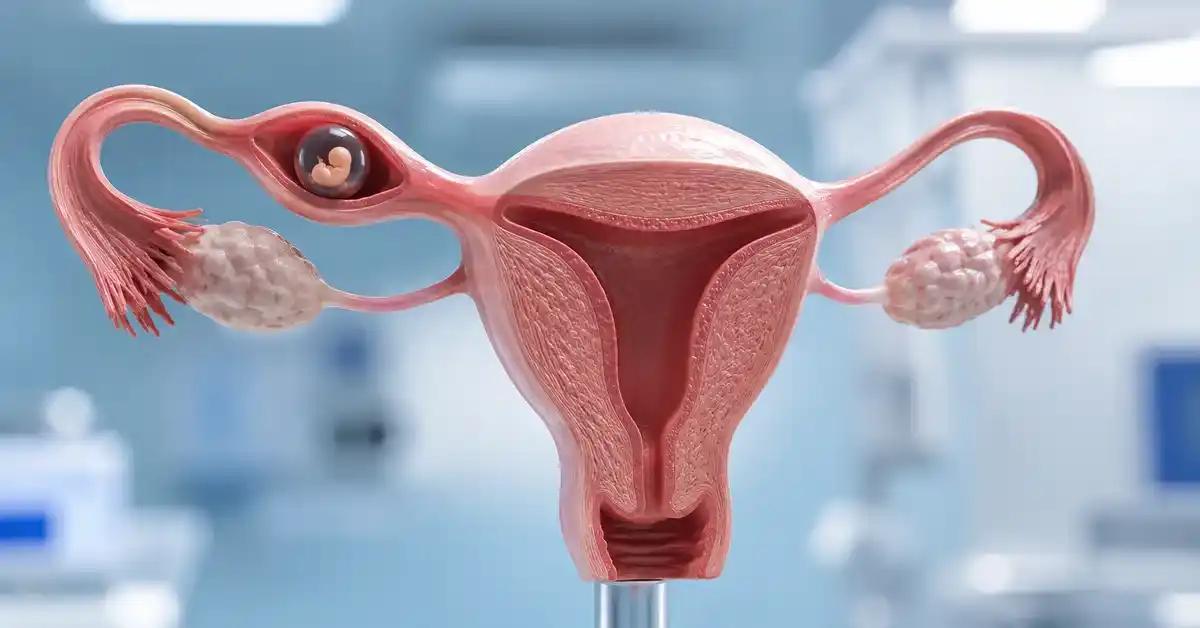
Ectopic pregnancy after IVF can be emotionally frightening because it may appear after the joy of a positive pregnancy test. Although the embryo is transferred into the uterus during IVF or ICSI, pregnancy can still implant outside the uterine cavity, most commonly in the fallopian tube. This is why a positive pregnancy test confirms pregnancy, but does not confirm that the pregnancy is in the correct location.
At Fertiliv, follow-up after embryo transfer is treated as an essential part of care. After a positive test, hCG levels and ultrasound timing help confirm whether the pregnancy is developing inside the uterus. Early diagnosis is important because ectopic pregnancy cannot continue safely as a normal pregnancy and may become dangerous if not detected in time.
What Is Ectopic Pregnancy After IVF?
Ectopic pregnancy means that the pregnancy implants outside the uterine cavity. The fallopian tube is the most common location, but implantation may also occur in the cervix, ovary, abdomen, or a previous cesarean scar. After IVF, this may seem surprising because the embryo was placed inside the uterus.
Sometimes, after a positive hCG test, the pregnancy location may not be visible yet because it is too early. This is called a pregnancy of unknown location until follow-up confirms where the pregnancy is. In this situation, doctors usually repeat hCG testing and ultrasound before making a final decision.
How Can It Happen After Embryo Transfer?
During embryo transfer, the embryo is placed inside the uterus. However, uterine contractions, transfer fluid, and tubal factors may allow movement toward the fallopian tube. If the tube is damaged or has poor function, implantation may occur there.
This does not automatically mean that the transfer was performed incorrectly. Ectopic pregnancy after embryo transfer can happen even when the procedure is done properly, especially when there are previous tubal problems, pelvic adhesions, endometriosis, or a history of ectopic pregnancy.
Is It Dangerous?
Yes, ectopic pregnancy is medically serious because it cannot grow safely outside the uterus. If it develops in the fallopian tube, the tube may stretch or rupture, causing internal bleeding. Severe pain, fainting, dizziness, or heavy bleeding should never be ignored.
Early detection can make treatment safer. Some early and stable cases may be managed with monitoring or medication, while others require surgery. The decision depends on symptoms, hCG level, ultrasound findings, and whether the patient is stable.
Read about: Complete IVF Process Guide: Master Every Step to Achieve Your Parenthood Dream
Causes Of Ectopic Pregnancy After IVF
Causes of ectopic pregnancy after IVF are often linked to factors that existed before treatment. Tubal disease is one of the most important. If a tube is swollen, partially blocked, scarred, or affected by previous surgery or infection, the risk of ectopic implantation may be higher.
Other risk factors may include previous ectopic pregnancy, pelvic inflammatory disease, endometriosis, pelvic adhesions, and sometimes transfer of more than one embryo. Still, having a risk factor does not mean ectopic pregnancy will definitely happen, and having no risk factor does not completely remove the risk.
Tubal Problems
Tubal problems are especially important in IVF planning. A damaged tube may not work normally and may create an environment where implantation happens outside the uterus. In some couples, tubal disease is also the original reason for infertility.
Doctors may evaluate the tubes before fertility treatment if there is a history of infection, tubal surgery, hydrosalpinx, or previous ectopic pregnancy. Fertiliv reviews these details because understanding tubal status helps guide safer treatment and follow-up.
Previous Ectopic Pregnancy
A previous ectopic pregnancy means that the next pregnancy needs early monitoring, whether conception occurs naturally or through IVF. It does not mean the next pregnancy will also be ectopic, but it increases the need to confirm location early.
Patients should tell the medical team about previous tubal surgery, removed fallopian tube, pelvic infection, or ectopic pregnancy. This information helps plan the timing of hCG follow-up and ultrasound after a positive test.
Read about: Your Complete IVF Journey: From Start to Success
IVF Ectopic Pregnancy Symptoms
IVF ectopic pregnancy symptoms can be mild at first and may resemble normal pregnancy or post-transfer symptoms. A woman may feel fatigue, nausea, breast tenderness, or mild lower abdominal discomfort. These symptoms alone cannot confirm or rule out ectopic pregnancy.
Warning signs include severe or one-sided pelvic pain, abnormal vaginal bleeding, dizziness, fainting, shoulder-tip pain, or sudden weakness. These symptoms may suggest internal bleeding or irritation and require urgent medical assessment.
Pain After Embryo Transfer
Mild pain after embryo transfer may be normal if it is temporary and tolerable. It can be related to the procedure, medications, or uterine changes. However, pain that becomes stronger, stays on one side, or is associated with bleeding or dizziness should not be dismissed.
Waiting for the next scheduled ultrasound despite severe symptoms can be risky. If pain is intense, or if fainting, severe dizziness, or shoulder pain occurs, urgent evaluation is needed.
Bleeding After IVF
Bleeding after IVF may happen for several reasons, including progesterone use, cervical sensitivity, the start of a period, or pregnancy-related concerns. Bleeding does not always mean ectopic pregnancy, but it should be reported if it is unusual or associated with pain.
Light bleeding may be monitored according to medical advice. Heavy bleeding, bleeding with severe pain, or bleeding with weakness or dizziness needs urgent assessment. Support medications should not be stopped without medical instructions.

Diagnosis After A Positive Pregnancy Test
After a positive pregnancy test, the key question is not only whether pregnancy occurred, but where it is located. Serial hCG testing and transvaginal ultrasound are commonly used to understand whether the pregnancy is developing as expected.
If hCG rises in an unusual pattern, or if no gestational sac is seen in the uterus when it should be visible, the doctor may suspect ectopic pregnancy or pregnancy of unknown location. Follow-up is then needed to avoid both premature treatment and dangerous delay.
Serial hCG Testing
Serial hCG testing helps monitor pregnancy development, but it does not identify pregnancy location by itself. In ectopic pregnancy, hCG may rise more slowly or irregularly, but diagnosis must combine hCG results with ultrasound and symptoms.
Sometimes the first results are unclear. Repeating the blood test and ultrasound after a short interval may be necessary. This can be emotionally stressful, but it is often the safest way to reach the correct diagnosis.
Ultrasound After IVF
Ultrasound after IVF is used to confirm the pregnancy sac inside the uterus. If the scan is too early, the sac may not be visible yet, so the result should be interpreted according to timing and hCG level.
Seeing a pregnancy inside the uterus is usually reassuring. However, after assisted reproduction, a rare condition called heterotopic pregnancy can occur. This means one pregnancy is inside the uterus and another is outside. For this reason, unusual pain still needs evaluation even if an intrauterine pregnancy is seen.
Read about: IVF: Your Journey to Parenthood Between Turkey and the United States
Heterotopic Pregnancy After IVF
Heterotopic pregnancy after IVF means that an intrauterine pregnancy and an ectopic pregnancy exist at the same time. It is rare, but it is more relevant after assisted reproductive treatment than in natural conception. The challenge is that seeing a pregnancy inside the uterus may reduce suspicion of a second pregnancy outside the uterus.
If symptoms such as one-sided pelvic pain, unusual bleeding, dizziness, or severe pain occur, the tubes and pelvis should still be evaluated. Early diagnosis matters because treatment must protect the mother and, when possible, preserve the intrauterine pregnancy.
Why It Requires Special Care
Heterotopic pregnancy requires special care because some medications used for ectopic pregnancy are not suitable when there is an ongoing intrauterine pregnancy. Treatment must be chosen carefully based on the ectopic location and the mother’s condition.
If the patient is stable, treatment may aim to manage the ectopic pregnancy while preserving the uterine pregnancy when possible. If there is internal bleeding or danger to the mother, maternal safety is the first priority.
Does More Than One Embryo Increase Concern?
Transferring more than one embryo may increase the chance of multiple pregnancy and is one of the reasons follow-up after IVF should be careful. It does not mean heterotopic pregnancy will happen, but it supports the importance of timely ultrasound and symptom reporting.
At Fertiliv IVF Center, embryo number is discussed carefully before transfer according to age, embryo quality, history, and pregnancy chances. The aim is to support a healthy pregnancy while reducing avoidable risks.
Read about: Nutrition and IVF Success: Your Comprehensive Guide to Optimal Outcomes
Ectopic Pregnancy Treatment
Ectopic pregnancy treatment depends on the patient’s condition. If the patient is stable, there is no internal bleeding, hCG is suitable, and ultrasound findings allow it, the doctor may discuss close monitoring or medical treatment. If there is rupture, internal bleeding, or severe pain, surgery may be necessary.
There is no single treatment for every case. Treatment depends on pregnancy location, ectopic mass size, hCG level, whether cardiac activity is present, whether an intrauterine pregnancy exists, and the goal of protecting future fertility as much as possible.
Monitoring Or Medication
In selected early and stable cases, monitoring with repeated hCG and ultrasound may be possible. In other cases, medication such as methotrexate may be used to stop ectopic pregnancy growth, but only when there is no ongoing intrauterine pregnancy.
After medication, hCG must be followed until it reaches a safe level. This may take several weeks. Feeling better does not always mean the condition is fully resolved, so follow-up appointments are very important.
When Surgery Is Needed
Surgery is needed when the patient is unstable, internal bleeding is suspected, the fallopian tube may have ruptured, pain is severe, or medication is not appropriate. The main goal is to stop bleeding and protect the mother’s life.
Laparoscopy may be possible in many cases, depending on the situation. However, urgency, surgical expertise, and the patient’s condition guide the decision. After surgery, physical and emotional recovery are both important.
Read about: Proper Nutrition for Women After IVF: Complete Guide to Pregnancy Success
What Happens After Ectopic Pregnancy?
After ectopic pregnancy, recovery takes time. hCG should be followed until it becomes safe, and the possible cause should be reviewed when possible. The couple should also discuss when it is safe to try again or plan a frozen embryo transfer if embryos are available.
An ectopic pregnancy does not mean that a healthy pregnancy is impossible in the future. Many women conceive again later. However, the next pregnancy should be monitored early to confirm that it is inside the uterus.
Can I Get Pregnant Again?
Yes, many women can become pregnant again after ectopic pregnancy. The next step depends on the treatment used, tubal condition, frozen embryos, and other fertility factors. If methotrexate was used, the doctor may recommend waiting before trying again.
In the next pregnancy, early hCG testing and ultrasound are usually advised. This is not negative thinking; it is safe care after a previous ectopic pregnancy.
How Can Risk Be Reduced Next Time?
Risk reduction begins with reviewing medical history. Are the tubes damaged? Is there fluid in the tubes? Was there a previous ectopic pregnancy? Is endometriosis or pelvic adhesion present? These details may change the next plan.
The doctor may discuss tubal treatment before another attempt if a clear problem exists. The number of embryos transferred may also be reviewed. The plan should be individualized rather than based on one general rule.
Read about: What Is The Success Rate Of IVF? Key Factors And How To Improve Your Chances
Fertiliv’s Role In Safe Follow-Up
Fertiliv’s role does not end with a positive pregnancy test. Patients are guided on when to repeat hCG, when ultrasound should be performed, and which symptoms require urgent contact. This structure helps detect ectopic pregnancy early when it occurs.
Fertiliv also reviews risk factors before treatment, including previous ectopic pregnancy, tubal disease, endometriosis, or transfer of more than one embryo. Careful follow-up is not about creating fear; it is about protecting the patient and reducing surprises.
Important Instructions After Embryo Transfer
After embryo transfer, support medications should be used exactly as prescribed and should not be stopped without medical advice. At the same time, severe pain, abnormal bleeding, dizziness, fainting, or shoulder pain should not be ignored.
Home pregnancy tests and personal symptom interpretation are not enough. Blood testing and ultrasound provide the safest way to understand pregnancy development and location. Early communication with the medical team is better than waiting when symptoms are concerning.
Emotional Support After Diagnosis
An ectopic pregnancy diagnosis after IVF can be deeply painful. A patient may move from the joy of a positive test to fear for her health and possible pregnancy loss. Clear explanation, compassionate support, and a calm treatment plan are essential.
At Fertiliv, this stage is handled with sensitivity. The patient needs understanding, not blame. Emotional support helps her understand the decision, recover physically and mentally, and prepare for the next step when she is ready.
Read about: Understanding IVF Failure: Your Guide to Improving Success Rates
Conclusion
Ectopic pregnancy after IVF can happen even when the embryo is transferred into the uterus, especially with tubal problems, previous ectopic pregnancy, adhesions, or other risk factors. Symptoms may be mild at first, but severe pain, bleeding, dizziness, shoulder pain, or fainting require urgent evaluation.
Diagnosis depends on serial hCG testing and ultrasound. Treatment may involve close monitoring, medication, or surgery depending on the case. The most important point is not to stop at a positive pregnancy test, but to confirm pregnancy location and development. Fertiliv supports patients after embryo transfer with clear follow-up to protect safety and future fertility chances.
If you have a positive pregnancy test after IVF and feel pain, bleeding, or concern about pregnancy location, Fertiliv can help guide your next step safely.
Start a WhatsApp conversation with Fertiliv when you need clearer follow-up after embryo transfer.
Frequently Asked Questions: Ectopic Pregnancy After IVF: Causes, Symptoms, And How To Manage It
Can Ectopic Pregnancy Happen After IVF?
Yes. Even after embryo transfer into the uterus, pregnancy may implant outside the uterus, especially with tubal risk factors.
What Are The Main Warning Symptoms?
Severe one-sided pain, abnormal bleeding, dizziness, fainting, shoulder pain, or sudden weakness need urgent medical assessment.
Does A Positive hCG Confirm A Uterine Pregnancy?
No. Positive hCG confirms pregnancy, but ultrasound and follow-up are needed to confirm the location.
How Is Ectopic Pregnancy Treated?
Treatment may include monitoring, methotrexate, or surgery depending on symptoms, hCG level, ultrasound findings, and stability.
Can I Get Pregnant Again After Ectopic Pregnancy?
Yes, many women can. The next pregnancy should be monitored early to confirm that it is inside the uterus.