
ICSI After Failed IVF: Does It Give You Better Chances of Success?

Manar Hegazy

Majd Eddin Khaled
Experiencing IVF failure is one of the most difficult moments couples face in their journey to parenthood. After months of physical and emotional preparation, undergoing tests and treatments, and waiting with hope, the news of failure can be devastating and raise many questions: Why did it fail? Is there still hope? What's the next step? This is where ICSI after failed IVF emerges as a promising alternative that brings renewed hope and greater chances of success.
The most important question on every couple's mind after experiencing IVF failure: Does ICSI work after failed IVF? And what is the ICSI success rate after failed IVF? The short answer: Yes, ICSI achieves higher success rates in many cases, especially in specific situations we'll detail in this comprehensive article.
At Fertiliv Fertility Clinic, we fully understand the mixed emotions of frustration and hope you're experiencing. Our specialized medical team has extensive experience in handling IVF failure cases and transforming them into success stories through advanced ICSI technology. This article will take you on a comprehensive journey to understand ICSI vs IVF, repeated ICSI failure causes and how to avoid them, ICSI success rates, ICSI cost, and the most important tips for ICSI success from our experts.
What is ICSI and How Does It Differ from IVF?
Before discussing the ICSI success rate after failed IVF, it's essential to clearly understand ICSI vs IVF.
ICSI vs IVF
ICSI vs IVF: The difference lies in the fertilization method, while the remaining steps are largely similar:
IVF (In Vitro Fertilization):
- Eggs and sperm are placed together in a laboratory dish
- Fertilization occurs naturally without direct intervention
- Sperm penetrate the egg using their own strength
- Requires a large number of healthy and motile sperm
- Suitable when sperm quality is good
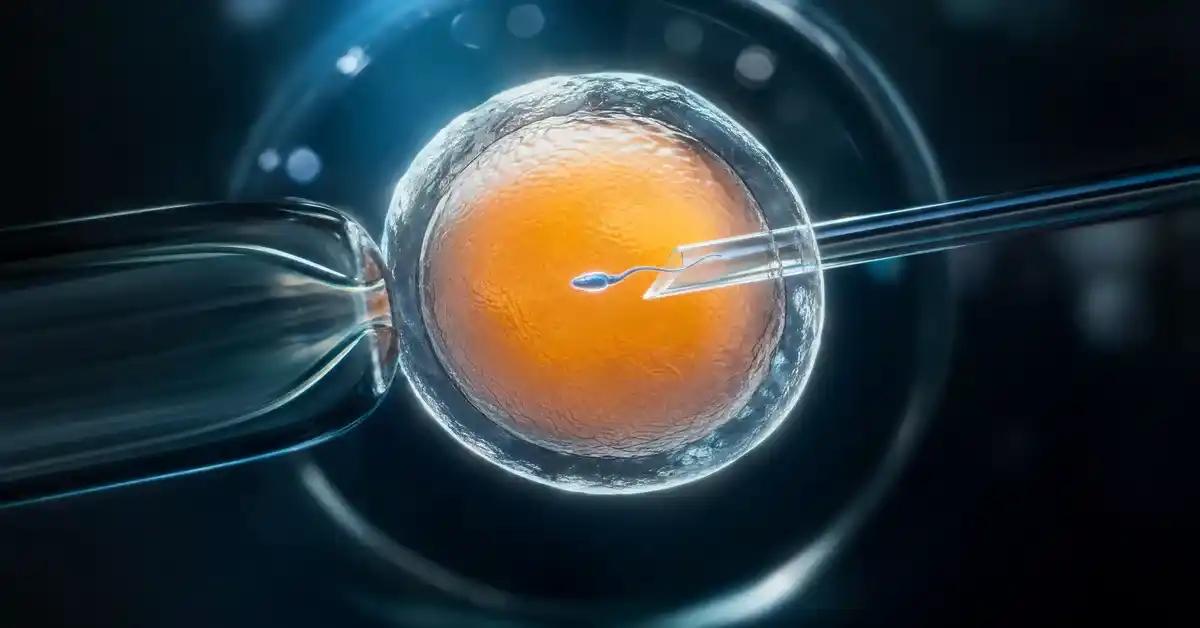
ICSI (Intracytoplasmic Sperm Injection):
- A single sperm is injected directly into each egg
- Fertilization is done with direct intervention by the embryologist
- Uses a very fine needle to inject the sperm
- Only needs one healthy sperm per egg
- Suitable for cases of poor sperm quality or previous fertilization failure
Similarities:
- Ovarian stimulation is done the same way
- Egg retrieval follows the same procedure
- Embryo culture in the laboratory for the same duration
- Embryo transfer to the uterus in the same manner
- Waiting period and pregnancy monitoring are similar
The fundamental difference is that ICSI guarantees sperm entry into the egg, while in IVF, fertilization may not occur even with sperm and eggs present.
Read about: Comprehensive Comparison of Modern Fertility Techniques: IVF and ICSI Explained
Step-by-Step ICSI Procedure
The step-by-step ICSI procedure includes:
- Initial Assessment and Tests: Comprehensive tests for both partners, semen analysis, ovarian and uterine examination, and hormone tests
- Ovarian Stimulation: Using hormonal medications for 8-14 days to stimulate ovaries to produce multiple eggs
- Close Monitoring: Tracking egg growth via ultrasound and blood tests every 2-3 days
- Trigger Injection: Hormonal injection to complete egg maturation 34-36 hours before retrieval
- Egg Retrieval: Simple procedure under anesthesia taking 15-30 minutes
- Sperm Collection: On the same day as egg retrieval, either naturally or surgically
- ICSI Procedure: Embryologist injects one sperm into each mature egg using a very fine needle
- Embryo Culture: Fertilized eggs are placed in special incubators for 3-5 days
- Embryo Assessment: Daily monitoring of embryo development and selecting the best quality
- Embryo Transfer: Transferring one or two embryos to the mother's uterus in a simple procedure without anesthesia
- Waiting and Follow-up: Waiting period of 10-14 days then pregnancy test
Each step of the step-by-step ICSI procedure requires high precision and specialized expertise to ensure the best ICSI success rates.
For a deeper understanding of your specific case and how ICSI can help you, connect with the Fertiliv team via WhatsApp to book a free consultation with our experts.

Why Does IVF Fail in Some Cases?
Understanding reasons for IVF failure helps determine whether ICSI after failed IVF is the right solution.
Reasons for IVF Failure
Reasons for IVF failure are multiple and complex, including:
1. Fertilization Problems:
- Complete Fertilization Failure: Sperm inability to penetrate eggs despite being together
- Poor Sperm Quality: Low count, poor motility, or morphological abnormalities
- Egg Shell Problems: Shell too thick preventing sperm entry
- Egg Quality Issues: Immature or poor quality eggs
2. Embryo Quality Problems:
- Weak embryos that don't develop normally
- Chromosomal abnormalities (especially with advancing maternal age)
- Embryo development arrest before transfer stage
- Embryo fragmentation
3. Implantation Problems:
- Unsuitable Endometrium: Too thin or too thick
- Hormonal Issues: Imbalance in pregnancy hormones
- Immune Problems: Body rejection of the embryo
- Uterine Abnormalities: Fibroids, adhesions, or congenital defects
4. Other Factors:
- Smoking and alcohol consumption
- Severe obesity or underweight
- Severe stress and psychological pressure
- Uncontrolled chronic diseases (diabetes, hypertension, thyroid)
- Infections or inflammation in the reproductive system
In many cases, especially when the cause is fertilization failure or poor sperm quality, ICSI after failed IVF is the optimal solution.
The Effect of Age on IVF Success Rates
Female age is one of the most important factors affecting IVF success rates and ICSI success rates alike:
Age Impact on Egg Quality:
- Under 30 years: High-quality eggs, 50-60% success rate
- 30-35 years: Good quality, 40-50% success rate
- 35-37 years: Beginning quality decline, 35-40% success rate
- 38-40 years: Noticeable quality decline, 25-30% success rate
- 41-42 years: Significant decline, 15-20% success rate
- Over 42 years: Very low quality, less than 10% success rate
Why Does Age Matter?
- The rate of chromosomally abnormal eggs increases with age
- Ovarian reserve (remaining egg count) decreases
- Egg ability to divide and develop decreases
- Miscarriage likelihood increases
- Ovarian response to stimulation medications decreases
Does ICSI Improve Results with Advancing Age?
ICSI doesn't improve egg quality, but it increases chances of successful fertilization. In other words, if you have good eggs but fertilization didn't occur in IVF, ICSI after failed IVF can achieve much better results.
Read about: ICSI Success Rates by Woman's Age: A Comprehensive Guide to Achieving Motherhood
Does ICSI Offer Higher Success Rates After Failed IVF?
The most important question: Does ICSI work after failed IVF? The answer depends on the reason for failure.
ICSI Success Rates Compared to IVF
ICSI success rates compared to IVF success rates:
Fertilization Rates:
- IVF: 60-75% fertilization rate of eggs
- ICSI: 70-85% fertilization rate of eggs
- ICSI guarantees sperm entry into the egg
Overall Pregnancy Rates:
- When sperm quality is good: Results are comparable
- When there are sperm problems: ICSI is clearly superior
- In cases of previous fertilization failure: ICSI achieves much higher success rates
Cases Where ICSI Excels:
- Severe Sperm Weakness: Low count, poor motility, or many abnormalities
- Previous Fertilization Failure: No fertilization in previous IVF attempt
- Few Eggs: Less than 5 eggs, to ensure maximum fertilization
- Using Frozen Sperm: May be less viable
- Surgical Sperm Retrieval: From testicle or epididymis
- Female Age Over 35: To maximize fertilization chances from limited eggs
ICSI Success Rate After Failed IVF
ICSI success rate after failed IVF depends on the failure reason:
If the Cause Was Fertilization Failure:
- ICSI success rate reaches 60-70% in obtaining embryos
- Pregnancy rate ranges between 40-50% depending on age and other factors
- Very significant improvement compared to failed IVF attempt
If the Cause Was Poor Sperm Quality:
- ICSI completely bypasses this problem
- Success rate depends on egg quality and female age
- Can achieve success rates similar to normal cases
If the Cause Was Embryo or Implantation Problems:
- ICSI alone may not solve the problem
- May need additional techniques like preimplantation genetic testing (PGT)
- Or treatment for endometrial or hormonal issues
Real Statistics:
- 60-70% of couples who failed with IVF succeed with ICSI
- In fertilization failure cases specifically, the rate reaches 80%
- Pregnancy after ICSI following IVF failure ranges between 35-55% depending on age
To know your expected success rate based on your specific case, book a consultation with Fertiliv experts via WhatsApp for an accurate assessment and personalized treatment plan.
Read about: ICSI Success Rates After 40: Everything You Should Know
Factors That Influence ICSI Success
To achieve the best ICSI success rates, you must understand the influencing factors and how to improve them.
Repeated ICSI Failure and Causes
Although ICSI solves the fertilization problem, there are repeated ICSI failure causes to be aware of:
1. Egg Quality Problems:
- Immature or poor quality eggs
- Chromosomal abnormalities within the egg
- Egg inability to divide after fertilization
- Advancing female age (most important factor)
2. Sperm Problems:
- Although ICSI bypasses count and motility problems, DNA quality is important
- Sperm DNA fragmentation reduces embryo development chances
- Severely immature or abnormal sperm
3. Embryo Development Problems:
- Embryo development arrest in the laboratory
- Weak or fragmented embryos
- Chromosomal abnormalities in embryos
- Laboratory condition problems (rare in specialized centers)
4. Implantation Problems:
- Unprepared endometrium (too thin or too thick)
- Uterine problems (fibroids, adhesions, abnormalities)
- Hormonal imbalance preventing pregnancy stability
- Immune problems attacking the embryo
- Wrong timing for embryo transfer
5. Lifestyle Factors:
- Smoking (reduces success rate by 30-50%)
- Severe obesity (BMI over 30)
- Severe underweight (BMI under 18)
- Severe stress and psychological pressure
- Sleep deprivation and fatigue
- Poor nutrition and vitamin deficiencies
Tips for ICSI Success
Most important tips for ICSI success from Fertiliv experts:
Before Starting Treatment (At Least 3 Months):
- Improve Lifestyle:
- Complete cessation of smoking and alcohol
- Achieve ideal weight (BMI between 18.5-24.9)
- Practice moderate exercise 30 minutes daily
- Sleep 7-9 hours daily
- Proper Nutrition:
- Balanced diet rich in proteins and vegetables
- Take folic acid 400-800 mcg daily
- Vitamin D, Omega-3, Vitamin E
- Reduce caffeine (no more than one cup of coffee daily)
- For Men Specifically:
- Take zinc and vitamin C supplements
- Avoid excessive heat (sauna, hot baths)
- Avoid tight clothing
- Reduce stress and fatigue
During Treatment:
- Complete adherence to medication schedules and doses
- Attend all follow-up appointments
- Relative rest without exaggeration
- Avoid stress and psychological pressure
- Psychological support from partner and family
After Embryo Transfer:
- Rest for 24-48 hours (no need for complete bed rest)
- Avoid intercourse until pregnancy result
- Avoid lifting heavy objects
- Avoid hot baths and sauna
- Continue prescribed medications precisely
- Drink plenty of water
- Avoid anxiety and overthinking
- Don't take early home pregnancy tests
Read about: Key Steps for ICSI Success: Your Complete Guide from Fertility Experts
Pregnancy Chances After ICSI
Understanding pregnancy after ICSI and pregnancy rates following IVF failure helps set realistic expectations.
Pregnancy After ICSI
Pregnancy after ICSI rates following IVF failure:
By Age:
- Under 30 years: 50-60% pregnancy chance per attempt
- 30-34 years: 45-55% pregnancy chance
- 35-37 years: 35-45% pregnancy chance
- 38-40 years: 25-35% pregnancy chance
- 41-42 years: 15-25% pregnancy chance
- Over 42 years: 5-15% pregnancy chance
By Reason for IVF Failure:
- Fertilization Failure: 60-70% success chance with ICSI
- Poor Sperm Quality: 50-65% success chance
- Few Embryos: 45-60% success chance
- Implantation Problems: 30-45% (may need additional treatments)
By Number of Attempts:
- First ICSI Attempt: Rates mentioned above
- Second Attempt: Similar or slightly higher rate (due to learning from first experience)
- Third Attempt: Rate remains good if protocol is adjusted
- Cumulative Rate: After 3 ICSI attempts, cumulative success rate reaches 70-80% for women under 35
Factors That Increase Pregnancy Chances:
- Age under 35 years
- Good ovarian reserve (AMH above 1.5)
- Excellent embryo quality
- Suitable endometrium (8-12 mm)
- No chronic diseases
- Ideal weight
- Non-smoking
- Specialized and experienced medical center
Symptoms of Successful ICSI
Symptoms of successful ICSI (but not definitive):
6-12 Days After Embryo Transfer:
- Implantation Bleeding: Light bleeding or pink/brown spotting (occurs in 20-30% of cases)
- Mild Cramping: Similar to menstrual cramps
- Bloating and Gas: Due to rising progesterone hormone
10-14 Days (Near Test Date):
- Breast Tenderness: Due to rising pregnancy hormones
- Mild Nausea: Especially in the morning
- Fatigue: Desire to sleep more than usual
- Frequent Urination: Need to use bathroom frequently
- Changes in Sense of Smell: Increased sensitivity to odors
- Mood Swings: Due to hormonal changes
Important Note:
- These symptoms may also be due to progesterone medications you're taking
- Absence of symptoms doesn't mean pregnancy failure
- The only definitive method is blood test 10-14 days after embryo transfer
- Don't take early home pregnancy tests as they may give false results
For accurate monitoring and psychological support during the waiting period, the Fertiliv team is always available via WhatsApp to answer your questions and reassure you.
Does ICSI Work After Failed IVF?
Does ICSI work after failed IVF? An important question on couples' minds:
The Truth:
- Failure rate in first ICSI attempt ranges between 40-60% depending on age and other factors
- But this doesn't mean failure will repeat in subsequent attempts
- In fact, cumulative success rate increases with each attempt
Why Do Success Chances Increase in Subsequent Attempts?
- Learning from Previous Experience:
- Doctor knows how your body responded to medications
- Protocol can be adjusted to improve results
- Knowledge of best timing for embryo transfer
- Improving Conditions:
- Treating any problems discovered in first attempt
- Improving lifestyle and nutrition
- Reducing stress (as experience becomes familiar)
- Statistics Support Optimism:
- After 3 ICSI attempts, cumulative success rate reaches 70-80% for women under 35
- Even for women 35-40 years, cumulative rate reaches 50-65%
When to Worry About Repeated Failure?
- After 3-4 failed attempts, additional tests should be done
- Search for hidden causes (immune problems, genetic defects, uterine issues)
- But the vast majority succeed before reaching this stage
Important Advice:
Don't give up after one or two attempts. Most couples who succeed didn't succeed on the first try. Patience and perseverance with choosing the right medical center are the keys to success.
Read about: Essential Pre-ICSI Tests: Your First Step Toward Achieving Parenthood
The Cost of ICSI Treatment
ICSI cost is an important consideration when planning treatment.
ICSI Cost Compared to IVF
ICSI: Higher cost due to precise technique and additional time required from embryologist
Why Is ICSI More Expensive?
- Requires very high skill from embryologist
- Takes longer time (injecting each egg individually)
- Needs very precise equipment (special microscope, fine needles)
- Higher success rate in certain cases justifies additional cost
Is ICSI Worth the Additional Cost?
- Definitely yes if you have:
- Previous fertilization failure in IVF
- Poor sperm quality
- Few eggs
- Age over 35 years
- In these cases, ICSI significantly increases success chances, saving you from repeating attempts
Factors That Determine ICSI Cost
Factors affecting ICSI cost:
- Type of Treatment Protocol:
- Long or short protocol
- Type and dose of stimulation medications
- Duration of stimulation (longer means higher cost)
- Tests and Analyses:
- Comprehensive initial tests
- Hormone and ultrasound monitoring during stimulation
- Additional tests as needed
- Additional Techniques:
- Preimplantation genetic testing (PGT)
- Embryo freezing
- Assisted hatching
- Surgical sperm retrieval
- Center and Doctor Experience:
- Centers with high reputation and excellent results are usually more expensive
- But they provide higher success rates, reducing need for repeated attempts
- Geographic Location:
- Costs vary between cities and countries
- Major cities are usually more expensive than smaller ones
Important Cost Advice:
- Don't choose the cheapest center, choose the best center
- Lower cost may mean less experience or less advanced equipment
- One failed attempt due to lack of experience costs more than paying higher cost at an excellent center
- At Fertiliv, we offer the best value for money: high expertise + advanced technologies + excellent success rates
Read about: ICSI Cost in Turkey 2026: Your Smart Investment Toward Achieving Parenthood
Doctors' Recommendations to Improve ICSI Success Rates
Tips for ICSI success from Fertiliv experts to achieve the best results.
Healthy Lifestyle Before ICSI
Healthy lifestyle at least 3 months before starting treatment:
For Women:
- Ideal Weight:
- BMI between 18.5-24.9 is best
- Obesity reduces success rate by 30-40%
- Severe underweight affects egg quality
- Stop Smoking:
- Smoking reduces success rate by 50%
- Affects egg quality and endometrium
- Must stop completely at least 3 months before
- Reduce Caffeine:
- No more than one cup of coffee daily (200 mg caffeine)
- Excessive caffeine affects fertility
- Moderate Exercise:
- 30 minutes daily of walking or yoga
- Avoid vigorous exercise
- Exercise improves circulation and reduces stress
- Adequate Sleep:
- 7-9 hours of sleep daily
- Good sleep regulates hormones
- Avoid staying up late and fatigue
- Stress Management:
- Practice meditation and relaxation
- Talk to a counselor if needed
- Severe stress affects hormones and success rate
For Men:
- Improve Sperm Quality:
- Stop smoking and alcohol
- Avoid excessive heat (sauna, hot baths, laptop on lap)
- Avoid tight clothing
- Reduce stress
- Ideal Weight:
- Obesity affects sperm quality
- Maintaining healthy weight improves fertility
- Avoid Harmful Substances:
- Pesticides and chemicals
- Radiation and excessive heat
- Some medications (consult doctor)
Supplements to Boost Fertility for ICSI
Supplements recommended by doctors:
For Women:
- Folic Acid: 400-800 mcg daily (most important supplement, reduces embryo defects)
- Vitamin D: 1000-2000 IU daily (improves egg quality and implantation rate)
- Omega-3: 1000 mg daily (improves egg quality)
- CoQ10: 200-600 mg daily (powerful antioxidant improves egg quality especially over 35 years)
- Vitamin E: 400 IU daily (antioxidant)
- Iron: If deficient (improves blood quality)
- Multivitamins for Fertility: Contains balanced mix
For Men:
- Zinc: 15-30 mg daily (improves sperm count and motility)
- Vitamin C: 500-1000 mg daily (antioxidant improves sperm quality)
- Vitamin E: 400 IU daily (protects sperm)
- Folic Acid: 400 mcg daily (improves DNA quality)
- Selenium: 200 mcg daily (improves sperm motility)
- L-Carnitine: 2000-3000 mg daily (improves sperm motility and count)
- CoQ10: 200-300 mg daily (improves sperm energy)
Duration of Supplement Use:
- Must start at least 3 months before beginning treatment
- Egg formation cycle is 3 months, sperm is 2.5-3 months
- Therefore supplements need time to show effect
Note: Consult your doctor before taking any supplements to determine the appropriate dose for your case.
Read about: Modern ICSI Protocols: Advanced Techniques for Achieving Parenthood
Is ICSI the Right Solution After IVF Failure?
ICSI Is Strongly Recommended in the Following Cases:
- Complete Fertilization Failure: If no fertilization occurred at all in IVF attempt (this is the strongest indicator)
- Partial Fertilization Failure: If less than 50% of eggs were fertilized
- Severe Sperm Weakness: Low count, poor motility, or many abnormalities
- Few Eggs: Less than 5 eggs, to ensure maximum fertilization
- Female Age Over 35: To maximize fertilization chances from limited eggs
- Using Frozen Sperm: May be less viable
- Surgical Sperm Retrieval: From testicle or epididymis
- Thick Egg Shell: Prevents natural sperm entry
- Anti-Sperm Antibodies: Prevent natural fertilization
When ICSI May Not Be Enough?
- If the problem is egg or embryo quality (may need genetic testing)
- If the problem is endometrium or implantation (needs additional treatment)
- If there are immune or hormonal problems (needs specialized treatment)
- In these cases, ICSI is part of the solution, not the complete solution
Best Fertility Clinics for ICSI Success
How to choose the best center for ICSI after failed IVF?
Medical Center Selection Criteria:
- Documented Success Rates:
- Request actual success rates of the center
- Success rates by age groups
- Success rates in cases similar to yours
- Medical Team Experience:
- Doctor's experience in treating IVF failure cases
- Embryologist's experience in ICSI technique
- Years of experience and cases treated
- Available Technologies:
- Embryology lab with international standards
- Advanced techniques (Time-lapse, genetic testing, rapid freezing)
- Modern and advanced equipment
- Customization and Individual Attention:
- Is your case studied individually?
- Is protocol adjusted based on your previous experiences?
- Is there precise and continuous monitoring?
- Psychological Support:
- Availability of psychological counseling
- Emotional support from medical team
- Patient support groups
- Cost Transparency:
- Clear costs from the beginning
- No hidden costs
- Flexible payment options
- Reputation and Reviews:
- Previous patient reviews
- Documented success stories
- Center's reputation in medical community
Why Fertiliv?
- High Success Rates: Success rates exceeding national average in all age groups
- Specialized Experience: Medical team with extensive experience in treating IVF failure cases
- Advanced Technologies: Latest technologies and equipment in embryology lab
- Personal Care: Customized treatment plan for each case
- Comprehensive Support: Medical and psychological support throughout the journey
- Complete Transparency: Clarity in costs and expectations
- Real Success Stories: Hundreds of couples achieved their dream with us after previous failed attempts
Don't let IVF failure crush your dreams. Connect with the Fertiliv team via WhatsApp to book a free consultation and learn how we can help you achieve your dream of parenthood.
Read about: Modern ICSI Steps to Improve Fertility Success: A Comprehensive Guide for Couples
Conclusion: Your New Hope Begins Here
ICSI after failed IVF is not just an alternative option, but a real opportunity to achieve your dream of parenthood. ICSI success rate after failed IVF reaches 60-70% in fertilization failure cases, which is a very encouraging rate that gives hope to many couples.
Key Points We Covered:
- ICSI vs IVF: ICSI guarantees sperm entry into the egg, while IVF relies on natural fertilization
- Reasons for IVF Failure: Fertilization failure, poor sperm quality, embryo problems, or implantation issues
- ICSI Success Rates: Higher than IVF in specific cases, especially fertilization failure and poor sperm quality
- Repeated ICSI Failure: Egg quality, embryo problems, implantation issues, or lifestyle factors
- Tips for ICSI Success: Healthy lifestyle, supplements, ideal weight, stop smoking, and stress management
- Pregnancy Chances: Depend on age and previous failure reason, but very encouraging in most cases
- ICSI Cost: Slightly higher than IVF, but worth the investment due to higher success rates
- Does Failure Repeat: No, cumulative success rate increases with each attempt
The Most Important Message: Don't give up. IVF failure is not the end of the road, but the beginning of a new path to success. ICSI has proven successful with thousands of couples who experienced failure then achieved their dream. With the right medical team, good preparation, and determination to succeed, your chances of achieving your dream of parenthood are very high.
At Fertiliv Clinic, we don't just treat medical cases, we make dreams come true. Every couple who comes to us after previous failure is a new story of hope for us. We believe everyone deserves a chance to become a parent, and we work with all our energy and expertise to turn this dream into reality.
Start your new journey to parenthood today. Connect with the Fertiliv team via WhatsApp to book a free comprehensive consultation including assessment of your case, discussion of treatment options, and answers to all your questions. Together, we will achieve your dream.
Frequently Asked Questions: ICSI After Failed IVF: Does It Give You a Better Chance of Success?
What is the Difference Between ICSI and IVF?
The difference between ICSI and IVF lies in the fertilization method: in conventional IVF, eggs and sperm are placed together in a laboratory dish and fertilization occurs naturally without intervention, while in ICSI, a single sperm is injected directly into each egg using a very fine needle. ICSI ensures sperm entry into the egg, making it suitable for cases of poor sperm quality or previous fertilization failure. The remaining ICSI steps in detail (ovarian stimulation, egg retrieval, embryo culture, and transfer) are similar in both techniques.
Does ICSI Succeed After Failed IVF?
Yes, ICSI succeeds after failed IVF in many cases, especially if the cause of failure was lack of fertilization or poor sperm quality. ICSI success rates after failed IVF reach 60-70% in fertilization failure cases and 50-65% in poor sperm cases. Statistics show that 60-70% of couples who failed with IVF succeed with ICSI, and in fertilization failure cases specifically, the rate reaches 80%. Pregnancy rates after failed IVF and switching to ICSI range from 35-55% depending on age and other factors.
What are the Causes of ICSI Failure?
Causes of ICSI failure include: problems with egg quality such as immature eggs or chromosomal abnormalities, especially with advancing age, problems with sperm DNA quality even though ICSI bypasses number and motility issues, problems with embryo development such as growth arrest or fragmentation, implantation problems such as inadequate uterine lining or uterine problems (fibroids, adhesions), lifestyle factors such as smoking which reduces success rates by 30-50%, obesity, severe stress, and poor nutrition. To avoid these causes, follow tips for ICSI success from experts.
What are Tips for ICSI Success?
The most important tips for ICSI success: 3 months before treatment: complete cessation of smoking and alcohol, reaching ideal weight (BMI 18.5-24.9), moderate exercise 30 minutes daily, 7-9 hours sleep, proper nutrition: balanced diet, taking folic acid 400-800 micrograms daily, vitamin D and omega-3, reducing caffeine, for men: zinc and vitamin C supplements, avoiding excessive heat and tight clothing, during treatment: adherence to medication schedules, attending follow-up appointments, avoiding stress, after embryo transfer: rest 24-48 hours, avoid intercourse and heavy objects, continue medications, drink plenty of water, do not do early pregnancy tests.
How Much Does ICSI Cost Compared to IVF?
ICSI cost is about 10-20% higher than IVF. The reason is that ICSI requires very high skill from an embryologist, takes longer (injecting each egg individually), and requires very precise equipment. However, ICSI is worth the additional cost if you have previous fertilization failure, poor sperm quality, few eggs, or are over 35 years old, because it significantly increases success chances and saves you from repeated attempts. Factors affecting ICSI cost include: protocol type, tests, additional techniques (genetic testing, freezing), center experience, and geographic location.