
Modern ICSI Steps to Improve Fertility Success: A Comprehensive Guide for Couples

Manar Hegazy

Majd Eddin Khaled
Modern ICSI techniques have revolutionized the landscape of fertility treatment, offering renewed hope to couples facing challenges with natural conception. The ICSI procedure steps combine cutting-edge laboratory technology with personalized medical protocols to achieve optimal ICSI success rates across diverse patient populations.
Understanding the comprehensive journey from preparation before ICSI through ovulation stimulation for ICSI, choosing embryos for ICSI with precision, and pregnancy monitoring after ICSI empowers couples to make informed decisions about their fertility journey. The ICSI cost remains a significant consideration, yet the investment in advanced ICSI success techniques often translates to higher pregnancy rates and reduced need for repeated cycles.
At Fertiliv IVF Clinic, we implement the latest methods in IVF ICSI procedure, ensuring painless ICSI experiences through refined techniques and compassionate care. Whether addressing ICSI and delayed pregnancy concerns or providing specialized protocols for ICSI for women over 40, our approach integrates post-ICSI tips with continuous support to navigate potential ICSI side effects.
The best ICSI clinics distinguish themselves not merely through technology but through individualized treatment plans that account for each couple's unique medical history, age factors, and fertility goals. For couples considering ICSI for twin pregnancy, understanding both the enhanced possibilities and associated risks becomes essential.
This comprehensive guide explores every dimension of modern ICSI steps, from necessary medical tests before procedure through the nuanced decision-making around choosing embryos for ICSI, providing couples with the knowledge foundation necessary to embark on their fertility journey with confidence and realistic expectations about what contemporary reproductive medicine can achieve.
Modern ICSI Steps: The Complete Treatment Journey
Initial Phase: Preparation Before ICSI and Comprehensive Diagnostic Testing
Preparation before ICSI represents the foundational stage that significantly influences treatment outcomes, typically beginning several weeks before the actual procedure commences. This preparatory phase involves comprehensive evaluation of both partners to identify any underlying factors that might affect fertility and to optimize physical and psychological readiness for the treatment ahead. The necessary medical tests before procedure provide the clinical team with essential data to customize treatment protocols and set realistic expectations regarding ICSI success rate for each individual case.
For the female partner, the diagnostic workup includes detailed hormonal profiling performed on specific days of the menstrual cycle to assess ovarian function and reserve. Blood tests measure follicle-stimulating hormone (FSH), luteinizing hormone (LH), estradiol, and anti-Müllerian hormone (AMH), which collectively provide insights into the quantity and quality of remaining eggs. Thyroid function tests and prolactin levels are equally important, as hormonal imbalances in these systems can significantly impair fertility and reduce ICSI success rate even when other factors appear favorable. Transvaginal ultrasound examination allows visualization of the uterus and ovaries, revealing any structural abnormalities such as fibroids, polyps, or ovarian cysts that might interfere with embryo implantation or complicate ovulation stimulation for ICSI.
The male partner undergoes comprehensive semen analysis that evaluates sperm concentration, motility, morphology, and volume. In cases where initial results indicate poor sperm quality, additional specialized testing may be recommended, including sperm DNA fragmentation analysis that assesses genetic integrity of sperm cells. This test proves particularly valuable when couples have experienced repeated fertilization failures or early pregnancy losses, as high DNA fragmentation rates can compromise embryo development even when basic sperm parameters appear adequate. Hormonal evaluation for the male partner, including testosterone, FSH, and LH levels, helps identify endocrine disorders that might be contributing to impaired sperm production.
Nutritional and health tips before ICSI play a crucial role in optimizing gamete quality for both partners. Evidence-based recommendations include adopting a Mediterranean-style diet rich in antioxidants, omega-3 fatty acids, and micronutrients that support reproductive health. Specific supplements such as coenzyme Q10, vitamin D, folic acid, and zinc have demonstrated benefits in improving egg quality and sperm parameters when taken for at least three months prior to treatment. Lifestyle modifications are equally important, with strong evidence supporting the elimination of tobacco use, moderation of alcohol consumption, maintenance of healthy body weight, and management of chronic stress through mindfulness practices or counseling.
At Fertiliv for Infertility Treatment, our preparation before ICSI program extends beyond medical testing to include personalized nutritional counseling, stress management resources, and psychological support services. We recognize that the emotional dimensions of fertility treatment are as significant as the physical aspects, and our holistic approach addresses both.
Controlled Ovarian Stimulation: Ovulation Stimulation for ICSI with Personalized Protocols
Ovulation stimulation for ICSI constitutes one of the most critical modern ICSI steps, designed to induce the development of multiple mature eggs rather than the single egg typically produced during a natural menstrual cycle. This controlled ovarian hyperstimulation phase generally spans ten to fourteen days and requires meticulous monitoring to optimize outcomes while minimizing risks. The selection of stimulation protocol represents a highly individualized decision based on factors including the woman's age, ovarian reserve markers, body mass index, and response to any previous fertility treatments.
The long agonist protocol begins with pituitary suppression in the mid-luteal phase of the preceding cycle, using gonadotropin-releasing hormone (GnRH) agonists to prevent premature ovulation. Once adequate suppression is confirmed, gonadotropin injections commence to stimulate follicular development. This protocol offers excellent control over the cycle and typically produces good numbers of mature eggs, making it suitable for women with normal to high ovarian reserve. The antagonist protocol, conversely, initiates gonadotropin stimulation on day two or three of the menstrual cycle, with GnRH antagonist added later to prevent premature luteinizing hormone surge. This shorter protocol reduces treatment duration and medication exposure, proving particularly beneficial for women with diminished ovarian reserve or those at risk for ovarian hyperstimulation syndrome.
Mild stimulation protocols employ lower gonadotropin doses and represent an emerging approach that prioritizes egg quality over quantity while reducing physical burden and ICSI side effects. Though this strategy typically yields fewer eggs, research suggests comparable pregnancy rates per embryo transferred when compared to conventional stimulation, particularly for women with good prognosis. The choice of protocol significantly impacts both the ICSI cost and the patient experience, with shorter protocols generally requiring fewer medications and monitoring visits.
Throughout the stimulation phase, patients undergo regular monitoring every two to three days, combining transvaginal ultrasound to measure follicle growth and endometrial thickness with blood tests assessing estradiol levels. This dual monitoring approach allows clinicians to adjust medication dosages in real-time, optimizing the balance between achieving adequate follicle numbers and avoiding overstimulation. When ultrasound reveals multiple follicles measuring eighteen to twenty millimeters in diameter and hormonal levels indicate appropriate maturation, a trigger injection of human chorionic gonadotropin (hCG) or GnRH agonist is administered to induce final egg maturation. The timing of this trigger injection is precisely calculated, with egg retrieval scheduled exactly thirty-four to thirty-six hours later to capture eggs at their optimal maturity.
Modern ICSI techniques in ovarian stimulation include the use of recombinant gonadotropins that offer greater purity and consistency compared to urinary-derived products, as well as advanced ultrasound technologies that provide three-dimensional visualization of follicle development. These refinements contribute to improved ICSI success rate by enabling more precise protocol management. Additionally, innovations in injection devices have made painless ICSI stimulation increasingly achievable, with ultra-fine needles and pen-style injectors that minimize discomfort and simplify self-administration.
Egg Retrieval and Laboratory Fertilization: The Core IVF ICSI Procedure
The egg retrieval procedure represents a pivotal moment in the ICSI procedure steps, performed under conscious sedation or light general anesthesia to ensure patient comfort. This outpatient procedure typically requires fifteen to thirty minutes, during which the reproductive endocrinologist uses transvaginal ultrasound guidance to visualize the ovaries and direct a thin aspiration needle through the vaginal wall into each follicle. The follicular fluid containing eggs is gently aspirated and immediately passed to the embryology laboratory, where embryologists examine the fluid under microscopy to identify and isolate eggs. The number of eggs retrieved varies considerably based on ovarian reserve, stimulation protocol, and individual response, with typical yields ranging from five to twenty eggs, though not all retrieved eggs will be mature enough for fertilization.
Concurrent with egg retrieval, the male partner provides a fresh semen sample that undergoes specialized processing in the andrology laboratory. This preparation involves separating motile, morphologically normal sperm from seminal plasma, non-motile sperm, and debris through density gradient centrifugation and washing techniques. In cases of severe male factor infertility where ejaculated sperm are absent or of extremely poor quality, surgical sperm retrieval procedures such as testicular sperm extraction (TESE) or percutaneous epididymal sperm aspiration (PESA) may be performed to obtain sperm directly from the reproductive tract.
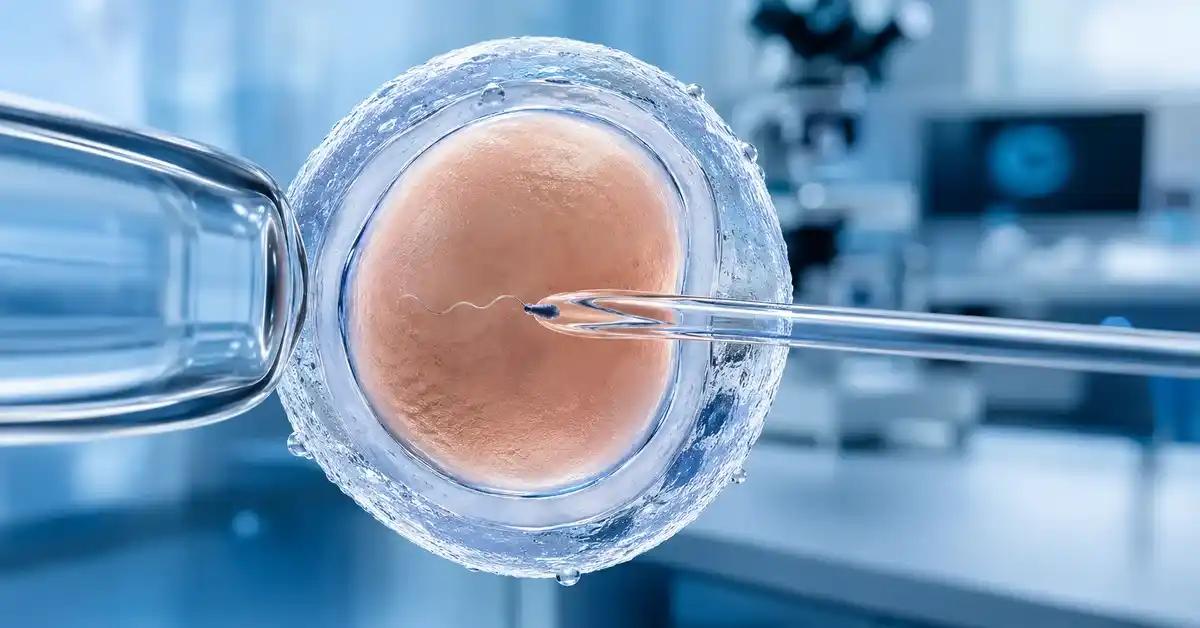
The intracytoplasmic sperm injection procedure itself occurs three to four hours after egg retrieval, once eggs have been assessed for maturity. Using sophisticated micromanipulation equipment including inverted microscopes with high-powered optics and precisely controlled micropipettes, the embryologist selects individual morphologically normal, motile sperm and injects one sperm directly into the cytoplasm of each mature egg. This microinjection technique bypasses all natural barriers to fertilization, making it particularly valuable for severe male factor infertility, previous fertilization failure with conventional IVF, or cases involving frozen eggs or surgically retrieved sperm. The precision required for this procedure underscores why the best ICSI clinics invest heavily in advanced laboratory equipment and highly trained embryology staff.
Following injection, fertilized eggs are placed in specialized incubators that maintain optimal environmental conditions mimicking the natural fallopian tube environment. Modern embryology laboratories utilize time-lapse incubation systems that continuously photograph developing embryos without disturbing them, generating thousands of images that document every cell division. These systems represent significant advances in modern ICSI techniques, as the continuous monitoring data enables more sophisticated embryo selection based on developmental kinetics rather than static morphology alone. The controlled environment provided by these advanced incubators contributes meaningfully to improved ICSI success rate by supporting healthy embryo development during the critical first days after fertilization.
Embryo Development and Selection: Choosing Embryos for ICSI Transfer
Choosing embryos for ICSI represents one of the most consequential decisions in the entire treatment process, directly influencing both the likelihood of pregnancy and the risk of multiple gestation. Approximately sixteen to eighteen hours after sperm injection, embryologists examine the eggs to confirm successful fertilization, identified by the presence of two pronuclei representing genetic material from both egg and sperm. Successfully fertilized eggs, now termed zygotes, continue developing in culture while embryologists monitor their progress through sequential cell divisions.
By day three post-retrieval, normally developing embryos have divided to the six to eight-cell stage. Traditional embryo grading at this stage assesses the number of cells, their symmetry and size uniformity, and the degree of fragmentation present. High-quality day-three embryos display even-sized cells with minimal fragmentation and appropriate cell numbers for their developmental stage. Some programs transfer embryos on day three, while others extend culture to day five or six when embryos reach the blastocyst stage, characterized by formation of a fluid-filled cavity and differentiation into inner cell mass and trophectoderm. Blastocyst culture allows for more stringent embryo selection, as only embryos with robust developmental potential reach this stage, potentially improving ICSI success rate per transfer while enabling confident single embryo transfer to avoid twin pregnancy risks.
Advanced ICSI success techniques in embryo selection include time-lapse imaging systems that capture images of developing embryos every ten to fifteen minutes throughout their culture period. Sophisticated algorithms analyze these images to identify embryos displaying optimal developmental kinetics, including appropriate timing of cell divisions and absence of abnormal cleavage patterns. This technology enhances embryo selection accuracy without requiring embryos to be removed from their controlled environment for assessment, thereby maintaining optimal culture conditions. Preimplantation genetic testing for aneuploidy (PGT-A) represents another powerful tool, particularly relevant for ICSI for women over 40 or couples with recurrent pregnancy loss. This testing analyzes chromosome numbers in embryos before transfer, allowing selection of chromosomally normal embryos that have higher implantation potential and lower miscarriage risk.
The embryo transfer procedure itself is remarkably simple and painless, requiring no anesthesia. Using a soft, flexible catheter loaded with the selected embryo or embryos, the physician gently passes the catheter through the cervix into the uterine cavity under ultrasound guidance, depositing the embryo in an optimal location for implantation. The number of embryos transferred involves careful consideration of multiple factors including maternal age, embryo quality, and patient preferences regarding multiple pregnancy risk. Current best practices at leading fertility centers favor single embryo transfer when high-quality blastocysts are available, particularly for younger women, as this approach maintains excellent pregnancy rates while virtually eliminating the risks associated with ICSI for twin pregnancy or higher-order multiples.
At Fertiliv Advanced Fertility Center, our embryology laboratory incorporates the latest technologies for choosing embryos for ICSI, including time-lapse incubation and comprehensive chromosome screening when indicated. Our experienced embryologists work collaboratively with physicians and patients to make informed, individualized decisions about embryo selection and transfer strategy.

Post-Transfer Care: Pregnancy Monitoring After ICSI
Pregnancy monitoring after ICSI begins immediately following embryo transfer and continues through the critical early weeks of pregnancy establishment. The luteal phase support regimen typically includes progesterone supplementation administered via vaginal suppositories, oral tablets, or intramuscular injections, sometimes combined with estrogen supplementation. These hormones support the endometrial lining and create an optimal environment for embryo implantation and early pregnancy development. Adherence to the prescribed medication schedule is essential, as premature discontinuation can jeopardize pregnancy establishment.
Post-ICSI tips for the two-week period between embryo transfer and pregnancy testing emphasize balanced activity levels. While complete bed rest is neither necessary nor beneficial, patients are advised to avoid strenuous exercise, heavy lifting, sexual intercourse, and activities that significantly elevate body temperature such as hot tubs or saunas. Normal daily activities including work, walking, and light household tasks can be resumed, as research demonstrates that reasonable activity does not compromise implantation rates. Nutritional recommendations include maintaining a balanced diet rich in protein, fruits, vegetables, and whole grains while ensuring adequate hydration. Emotional wellbeing during this waiting period can be challenging, and many patients benefit from stress-reduction techniques such as meditation, gentle yoga, or counseling support.
The first pregnancy test occurs ten to fourteen days after embryo transfer, measuring serum beta-human chorionic gonadotropin (β-hCG) levels through blood draw. A positive result indicates pregnancy establishment, though the specific hormone level and its pattern of rise over subsequent days provide important prognostic information. The test is typically repeated forty-eight hours later to confirm appropriate doubling of β-hCG levels, which indicates healthy early pregnancy development. Approximately two to three weeks after a positive pregnancy test, the first ultrasound examination visualizes the gestational sac within the uterus and, shortly thereafter, fetal cardiac activity, providing reassuring confirmation of viable intrauterine pregnancy.
Pregnancy monitoring after ICSI continues with regular ultrasound examinations and clinical assessments through the first trimester, with particular attention to early pregnancy complications such as ectopic pregnancy or miscarriage. Luteal support medications typically continue until approximately ten to twelve weeks of gestation, when the placenta assumes full responsibility for progesterone production. Throughout this period, patients maintain close communication with their fertility team, reporting any concerning symptoms such as heavy bleeding, severe abdominal pain, or signs of ovarian hyperstimulation syndrome.
Understanding potential ICSI side effects during the post-transfer period helps patients distinguish normal symptoms from those requiring medical attention. Mild abdominal bloating, breast tenderness, fatigue, and mood fluctuations are common and typically benign, reflecting hormonal changes from medications and, potentially, early pregnancy. Light spotting may occur and does not necessarily indicate treatment failure, though heavy bleeding warrants immediate medical evaluation. Severe abdominal pain, rapid weight gain, difficulty breathing, or markedly decreased urination may signal ovarian hyperstimulation syndrome requiring urgent assessment.
Read about: Comprehensive Comparison of Modern Fertility Techniques: IVF and ICSI Explained
ICSI Success Rate: Understanding Outcomes and Influencing Factors
ICSI success rate varies considerably across patient populations, influenced by multiple biological, technical, and clinical factors that interact in complex ways. International registry data indicate that live birth rates per ICSI cycle average approximately forty to fifty percent for women under thirty-five years of age, declining progressively to thirty to thirty-five percent for women aged thirty-five to thirty-nine, twenty to twenty-five percent for women aged forty to forty-two, and ten to fifteen percent for women over forty-two. These statistics underscore the profound impact of maternal age on treatment outcomes, primarily reflecting age-related decline in egg quality and increased chromosomal abnormalities in embryos. However, the best ICSI clinics often report success rates exceeding these averages through implementation of advanced ICSI success techniques and individualized treatment protocols.
Factors affecting success rate extend well beyond maternal age, though age remains the single most powerful predictor. Ovarian reserve, assessed through AMH levels, antral follicle count, and day-three FSH levels, significantly influences both the number of eggs retrieved and their developmental competence. Women with diminished ovarian reserve face the dual challenges of fewer eggs available and potentially reduced egg quality, both of which impact cumulative success rates. The underlying cause of infertility also affects outcomes, with couples experiencing infertility due to tubal factors or mild male factor generally achieving higher success rates than those with severe endometriosis, advanced maternal age, or poor egg or sperm quality.
Male factor parameters, while directly addressed through the ICSI procedure itself, still influence outcomes. Severe sperm DNA fragmentation, even when basic semen parameters are adequate, can compromise embryo development and increase miscarriage risk. Body mass index affects ICSI success rate in both directions, with obesity associated with reduced response to ovarian stimulation, lower egg quality, and increased miscarriage rates, while significant underweight status can also impair reproductive function. Lifestyle factors including smoking, excessive alcohol consumption, chronic stress, and inadequate sleep negatively impact gamete quality and treatment outcomes, emphasizing the importance of optimization during preparation before ICSI.
The technical expertise of the clinic and laboratory significantly influences success rates. Embryology laboratory quality, including equipment sophistication, culture media selection, and staff experience, directly affects fertilization rates, embryo development, and ultimately pregnancy rates. Physician experience in performing egg retrievals and embryo transfers matters considerably, as technical precision during these procedures impacts outcomes. The best ICSI clinics maintain rigorous quality control programs, participate in external proficiency testing, and continuously update protocols based on emerging evidence. At Fertiliv in Turkey, our commitment to excellence in all technical aspects of care, combined with investment in the latest laboratory technologies, enables us to achieve ICSI success rates that compare favorably with leading international centers.
Advanced ICSI success techniques that demonstrably improve outcomes include preimplantation genetic testing for aneuploidy, which increases implantation rates and reduces miscarriage risk by ensuring transfer of chromosomally normal embryos. Time-lapse embryo monitoring enhances embryo selection accuracy, potentially improving pregnancy rates per transfer. Assisted hatching, a technique that creates a small opening in the embryo's outer shell to facilitate implantation, may benefit specific patient populations including women over thirty-seven, those with previous implantation failure, or embryos with thick zona pellucida. Intracytoplasmic morphologically selected sperm injection (IMSI), which uses ultra-high magnification to select sperm free of subtle structural defects, shows promise for cases with previous fertilization failure or recurrent miscarriage associated with male factor.
Understanding ICSI and delayed pregnancy in context helps couples maintain realistic expectations while remaining hopeful. Success rates represent probabilities, not guarantees, and many couples require multiple treatment cycles to achieve pregnancy. Cumulative success rates across multiple cycles are substantially higher than per-cycle rates, with most couples who ultimately succeed doing so within three to four attempts. This reality underscores the importance of persistence and emotional resilience throughout the fertility treatment journey.
Read about: ICSI Success Rates by Woman's Age: A Comprehensive Guide to Achieving Motherhood
ICSI Cost Considerations and Value Assessment
ICSI cost represents a significant consideration for most couples pursuing fertility treatment, with expenses varying widely based on geographic location, clinic reputation, included services, and the specific technologies employed. Understanding the components of treatment costs and evaluating value rather than price alone helps couples make informed decisions that balance financial constraints with treatment quality and success potential.
In Turkey, ICSI cost typically ranges substantially lower than comparable treatment in Western Europe, North America, or Australia, often representing savings of fifty to seventy percent while maintaining equivalent or superior quality standards. This cost advantage reflects differences in healthcare economics, operational expenses, and labor costs rather than compromises in medical expertise or technology. Many international patients find that even after accounting for travel and accommodation expenses, pursuing treatment in Turkey offers significant financial advantages. The country's well-developed medical tourism infrastructure, including international patient coordinators, translation services, and streamlined logistics, further enhances the value proposition for overseas patients.
When evaluating ICSI cost, couples should carefully examine what services are included in quoted prices. Comprehensive packages typically encompass initial consultations, all monitoring visits and ultrasounds during stimulation, egg retrieval procedure, anesthesia, sperm processing, ICSI fertilization, embryo culture, embryo transfer, and immediate post-transfer care. However, medications for ovarian stimulation often represent a separate substantial expense, potentially adding significantly to the base procedure cost. Additional services such as preimplantation genetic testing, assisted hatching, embryo freezing, or surgical sperm retrieval incur supplementary charges. Clarifying exactly what is and is not included in quoted prices prevents unexpected financial surprises and enables accurate cost comparisons between clinics.
Price comparison between clinics should extend beyond simple cost figures to consider success rates, patient experience, and included services. A clinic offering treatment at a lower price but with below-average success rates may ultimately prove more expensive if multiple cycles are required, whereas a higher-priced clinic with superior outcomes might represent better value through higher probability of success in fewer attempts. Evaluating doctors and techniques used provides insight into whether higher costs reflect genuine quality advantages such as more experienced physicians, superior laboratory facilities, or access to advanced ICSI success techniques, versus simply premium pricing without corresponding quality differentiation.
Cost versus success rate analysis requires considering both per-cycle expenses and cumulative costs to achieve pregnancy. Some clinics offer multi-cycle packages or refund programs that reduce financial risk by guaranteeing partial refunds if pregnancy is not achieved within a specified number of cycles. While these programs typically cost more upfront, they can provide valuable financial protection and peace of mind for couples anticipating the possible need for multiple treatment attempts. When assessing such programs, carefully review eligibility criteria, success definitions, and refund terms to ensure they align with your specific situation and expectations.
At Fertiliv Clinic, we maintain transparent pricing that clearly delineates included services and any additional costs, enabling couples to plan financially with confidence. Our competitive ICSI cost reflects our commitment to making high-quality fertility care accessible while maintaining the advanced technologies and expertise that drive superior outcomes. We offer flexible payment options and can provide detailed cost estimates tailored to your specific treatment plan.
Read about: ICSI Cost in Turkey 2026: Your Smart Investment Toward Achieving Parenthood
Advanced Technologies and Special Considerations
Cutting-Edge Laboratory Techniques: Using Microscopes and Advanced Tools
Modern ICSI techniques have evolved dramatically through integration of sophisticated laboratory technologies that enhance every stage of the IVF ICSI procedure. Using microscopes and advanced tools, contemporary embryology laboratories achieve levels of precision and success that were unimaginable just a decade ago. These technological advances contribute directly to improved ICSI success rate while simultaneously reducing treatment risks and enhancing patient experience.
Intracytoplasmic morphologically selected sperm injection (IMSI) exemplifies how enhanced visualization technology improves outcomes. This technique employs ultra-high magnification microscopy exceeding six thousand times, compared to the four hundred times magnification used in standard ICSI, enabling embryologists to detect subtle structural abnormalities in sperm heads that are invisible at conventional magnification. Specifically, IMSI allows identification of vacuoles within the sperm head that correlate with DNA damage and reduced fertilization and pregnancy potential. By selecting sperm free of these defects, IMSI may improve outcomes for couples with previous ICSI failure, recurrent miscarriage, or severe male factor infertility, though its routine application remains debated given increased procedural complexity and cost.
Physiological intracytoplasmic sperm injection (PICSI) represents an alternative sperm selection method based on functional rather than morphological criteria. This technique exploits the biological principle that mature, DNA-intact sperm bind to hyaluronic acid, a natural component of the cumulus cells surrounding eggs. By presenting sperm with hyaluronic acid-coated dishes, embryologists can identify and select sperm that demonstrate this binding capacity, theoretically enriching for sperm with better developmental potential. PICSI offers a more physiological selection approach compared to morphology-based selection, potentially reducing the risk of selecting sperm with DNA damage that appears morphologically normal.
Time-lapse embryo monitoring systems represent perhaps the most significant recent advance in embryology laboratory technology. These specialized incubators contain built-in cameras that capture images of developing embryos at regular intervals, typically every ten to fifteen minutes, throughout their culture period. The continuous imaging generates comprehensive developmental profiles for each embryo without requiring removal from the controlled incubator environment for assessment. Sophisticated software analyzes the thousands of images to identify embryos displaying optimal developmental kinetics, including appropriate timing of cell divisions, absence of abnormal cleavage patterns, and smooth progression through developmental stages. Multiple studies suggest that embryo selection enhanced by time-lapse data improves implantation rates and reduces time to pregnancy compared to conventional morphological assessment alone.
Assisted hatching techniques facilitate embryo implantation by creating a small opening in the zona pellucida, the protective shell surrounding the embryo. This intervention may benefit embryos with abnormally thick zona pellucida, frozen-thawed embryos, embryos from women over thirty-seven, or cases with previous implantation failure. The procedure can be performed using mechanical, chemical, or laser methods, with laser-assisted hatching offering the most precision and control. While not universally applied, assisted hatching represents a valuable tool for specific patient populations where the zona pellucida may impede natural hatching and implantation processes.
Special Considerations: ICSI for Twin Pregnancy and High-Risk Populations
ICSI for twin pregnancy represents a complex topic requiring careful consideration of both the enhanced possibilities and substantial risks associated with multiple gestation. While some couples actively desire twin pregnancy to complete their family in a single treatment cycle, medical evidence consistently demonstrates that singleton pregnancies carry significantly lower risks for both mother and babies compared to twin or higher-order multiple pregnancies.
The risks and benefits of twin pregnancy must be thoroughly understood before making transfer decisions. For mothers carrying twins, pregnancy complications occur at substantially higher rates, including gestational hypertension, preeclampsia, gestational diabetes, anemia, and postpartum hemorrhage. The cesarean delivery rate exceeds seventy percent for twin pregnancies compared to approximately thirty percent for singletons. For babies, twin pregnancy dramatically increases the risk of preterm birth, with more than half of twins born before thirty-seven weeks compared to less than ten percent of singletons. Prematurity carries serious health implications including respiratory distress syndrome, feeding difficulties, developmental delays, and long-term neurological complications. Twin babies also face higher risks of low birth weight, intrauterine growth restriction, and twin-to-twin transfusion syndrome in identical twins.
Given these substantial risks, current best practices at leading fertility centers strongly favor elective single embryo transfer (eSET) when high-quality embryos are available, particularly for women under thirty-eight with good prognosis. Research demonstrates that eSET achieves comparable cumulative pregnancy rates to double embryo transfer when considering multiple cycles, while virtually eliminating multiple pregnancy risks. For couples who desire twins despite counseling about risks, or in situations where embryo quality or patient age makes single embryo transfer less optimal, transfer of two embryos may be considered after thorough discussion of the implications.
Medical follow-up tips during pregnancy after ICSI emphasize the importance of early and regular prenatal care, particularly for twin pregnancies or women over thirty-five. More frequent ultrasound monitoring tracks fetal growth and development, screens for complications, and guides timing of delivery. Nutritional needs increase substantially during twin pregnancy, requiring higher caloric intake and supplementation with iron, folic acid, and other micronutrients. Activity modifications and increased rest become necessary as pregnancy progresses, particularly in the third trimester when the physical burden of carrying twins becomes substantial.
ICSI for women over 40 presents unique challenges and requires realistic expectation-setting regarding success probabilities. The age-related decline in egg quality and quantity accelerates markedly after forty, with both lower numbers of eggs retrieved and higher rates of chromosomal abnormalities in resulting embryos. However, modern ICSI techniques including preimplantation genetic testing can significantly improve outcomes for this population by enabling selection of chromosomally normal embryos for transfer. Some women over forty may benefit from more aggressive stimulation protocols to maximize egg numbers, accepting higher medication costs and ICSI side effects in exchange for better chances of obtaining viable embryos. Alternatively, milder stimulation approaches that prioritize quality over quantity may prove optimal for some patients in this age group.
Read about: Modern ICSI Protocols: Advanced Techniques for Achieving Parenthood
Managing Side Effects and Complications
ICSI side effects vary in type and severity across the treatment timeline, with most being mild and self-limited while a small percentage of patients experience more significant complications requiring medical intervention. Understanding what to expect and how to manage side effects helps patients navigate treatment with greater confidence and recognize situations requiring medical attention.
During ovarian stimulation, common side effects include abdominal bloating and discomfort as ovaries enlarge with developing follicles, breast tenderness from elevated estrogen levels, mood fluctuations and emotional lability related to hormonal changes, fatigue, and mild headaches. Injection site reactions such as redness, bruising, or tenderness are common but typically mild, especially with proper injection technique using ice before injection and rotating injection sites. These symptoms generally intensify as stimulation progresses and peak around the time of trigger injection, then gradually resolve after egg retrieval or menstruation if pregnancy does not occur.
Following egg retrieval, patients typically experience mild to moderate pelvic pain and cramping similar to menstrual discomfort, abdominal bloating that may persist or worsen for several days, light vaginal spotting or bleeding, and fatigue related to the procedure and anesthesia. These symptoms usually resolve within two to three days and can be managed with prescribed pain medications, rest, adequate hydration, and avoidance of strenuous activity. Most patients return to normal activities within one to two days, though heavy exercise and sexual intercourse should be avoided until after embryo transfer or menstruation.
Potential complications after procedure, while uncommon, require recognition and appropriate management. Ovarian hyperstimulation syndrome (OHSS) represents the most significant complication, occurring when ovaries respond excessively to stimulation medications, becoming markedly enlarged and leaking fluid into the abdominal cavity. Mild OHSS affects approximately ten to twenty percent of patients, causing moderate abdominal bloating, nausea, and discomfort that resolve spontaneously within a week. Moderate to severe OHSS occurs in one to two percent of cycles, characterized by rapid weight gain, severe abdominal pain and distension, nausea and vomiting, decreased urination, and shortness of breath. Severe cases require hospitalization for intravenous fluids, monitoring, and occasionally drainage of accumulated abdominal fluid. Risk factors for OHSS include young age, low body weight, polycystic ovary syndrome, high AMH levels, and large numbers of developing follicles during stimulation.
How to manage side effects begins with prevention strategies including careful protocol selection based on individual risk factors, conservative gonadotropin dosing with close monitoring, and use of GnRH agonist trigger instead of hCG trigger in high-risk patients. For patients experiencing OHSS symptoms, management includes increased fluid intake targeting two to three liters daily, high-protein diet, avoidance of strenuous activity, and close medical monitoring. Severe cases may require hospitalization for intravenous fluid administration, anticoagulation to prevent blood clots, and paracentesis to drain accumulated abdominal fluid.
Home care after procedure focuses on symptom management and recognition of warning signs. Mild pain and bloating respond to over-the-counter pain relievers, heating pads, and rest. Maintaining adequate hydration and consuming easily digestible, high-protein foods supports recovery. Patients should contact their clinic immediately for heavy vaginal bleeding, severe abdominal pain unrelieved by prescribed medications, fever above thirty-eight degrees Celsius, severe nausea and vomiting preventing oral intake, marked abdominal distension with rapid weight gain, difficulty breathing, or decreased urination. These symptoms may indicate complications requiring urgent evaluation and intervention.
At Fertiliv IVF Clinic, we implement evidence-based protocols designed to minimize ICSI side effects while maximizing treatment efficacy. Our individualized approach to stimulation protocol selection, careful monitoring throughout treatment, and twenty-four-hour access to medical staff for urgent concerns ensure that patients receive comprehensive support throughout their treatment journey. We prioritize patient safety and comfort while pursuing optimal outcomes, recognizing that the treatment experience matters as much as the end result.
Read about: Modern ICSI Steps to Improve Fertility Success: A Comprehensive Guide for Couples
Conclusion
Modern ICSI steps represent a sophisticated, evidence-based approach to treating infertility, offering hope to couples facing diverse reproductive challenges. From comprehensive preparation before ICSI through carefully controlled ovulation stimulation for ICSI, precise laboratory procedures for fertilization and embryo culture, strategic approaches to choosing embryos for ICSI, and attentive pregnancy monitoring after ICSI, every phase of treatment reflects decades of scientific advancement and clinical refinement.
Understanding ICSI success rate in context, including the multiple factors that influence outcomes and the advanced ICSI success techniques available to optimize results, empowers couples to make informed decisions and maintain realistic expectations. While ICSI cost represents a significant consideration, the investment in high-quality care at the best ICSI clinics often proves worthwhile through higher success rates, reduced need for repeated cycles, and superior patient experience.
Modern ICSI techniques including sophisticated embryo selection technologies, enhanced sperm selection methods, and optimized culture systems continue advancing the field, incrementally improving outcomes year by year. Managing ICSI side effects through prevention strategies, patient education, and responsive medical care ensures treatment safety while minimizing discomfort.
Special considerations for populations such as ICSI for women over 40 or couples considering ICSI for twin pregnancy require individualized counseling and customized treatment approaches. Post-ICSI tips regarding activity, medications, and symptom monitoring support optimal conditions for pregnancy establishment.
At Fertiliv Fertility Center, we integrate all these elements into comprehensive, personalized care that addresses each couple's unique medical situation, personal preferences, and emotional needs. Our commitment to excellence in every aspect of the IVF ICSI procedure, from initial consultation through pregnancy confirmation and beyond, reflects our understanding that fertility treatment represents one of life's most significant journeys.
To begin your path toward parenthood with a team dedicated to your success, contact Fertiliv in Istanbul via WhatsApp now for a detailed consultation that will establish the foundation for your treatment plan and address all your questions about modern ICSI steps and how they can help you achieve your family-building goals.
Frequently Asked Questions: Modern ICSI Steps to Improve Fertility Success
What is the ICSI success rate by age?
ICSI success rate varies significantly by maternal age, with live birth rates per cycle averaging forty to fifty percent for women under thirty-five, thirty to thirty-five percent for women aged thirty-five to thirty-nine, twenty to twenty-five percent for women aged forty to forty-two, and ten to fifteen percent for women over forty-two. These statistics reflect the age-related decline in egg quality and increased chromosomal abnormalities in embryos. However, the best ICSI clinics using advanced ICSI success techniques such as preimplantation genetic testing and time-lapse embryo monitoring often achieve rates exceeding these averages. Individual success probability depends on multiple factors beyond age, including ovarian reserve, sperm quality, cause of infertility, and clinic expertise. At Fertiliv, our personalized approach and advanced technologies enable us to optimize outcomes across all age groups.
How much does ICSI cost in Turkey?
ICSI cost in Turkey typically ranges substantially lower than comparable treatment in Western Europe or North America, often representing savings of fifty to seventy percent while maintaining equivalent quality standards. The exact cost varies based on clinic location, included services, and whether additional procedures such as preimplantation genetic testing or assisted hatching are performed. Medication costs for ovarian stimulation represent a separate expense that can vary considerably based on protocol and dosing requirements. When evaluating ICSI cost, consider what services are included in quoted prices and assess cost versus success rate rather than price alone. At Fertiliv Clinic, we provide transparent, comprehensive pricing and can offer detailed cost estimates tailored to your specific treatment plan during your initial consultation.
What are the most important post-ICSI tips?
Post-ICSI tips for the two-week period after embryo transfer include taking all prescribed medications exactly as directed, particularly progesterone supplementation; maintaining normal daily activities while avoiding strenuous exercise, heavy lifting, and sexual intercourse; staying well-hydrated and eating a balanced, nutritious diet; managing stress through relaxation techniques and support from loved ones; and avoiding home pregnancy tests before the scheduled blood test to prevent anxiety from potentially inaccurate results. Home care after procedure should focus on listening to your body, resting when needed, and promptly reporting any concerning symptoms such as heavy bleeding, severe pain, or signs of ovarian hyperstimulation syndrome. Remember that implantation occurs independently of activity level, so moderate movement is perfectly safe and bed rest is unnecessary.
Is ICSI painful?
Painless ICSI has become increasingly achievable through refined techniques and technologies. Daily hormone injections during ovarian stimulation cause mild discomfort but modern ultra-fine needles and pen-style injectors minimize pain. The egg retrieval procedure is performed under conscious sedation or light anesthesia, so patients experience no pain during the procedure itself, though mild to moderate cramping and discomfort typically occur for one to two days afterward and respond well to prescribed pain medications. The embryo transfer procedure is painless and requires no anesthesia, feeling similar to a routine pelvic examination. Overall, while ICSI involves some discomfort, particularly during the stimulation and post-retrieval phases, most patients find the experience quite manageable, and ICSI side effects are generally mild and temporary.
What advanced techniques improve ICSI success?
Advanced ICSI success techniques that demonstrably improve outcomes include time-lapse embryo monitoring systems that enable more accurate embryo selection based on developmental kinetics; preimplantation genetic testing for aneuploidy (PGT-A) that identifies chromosomally normal embryos with higher implantation potential and lower miscarriage risk; intracytoplasmic morphologically selected sperm injection (IMSI) using ultra-high magnification to select optimal sperm; physiological ICSI (PICSI) that selects sperm based on functional maturity; and assisted hatching to facilitate embryo implantation in specific patient populations. These modern ICSI techniques, combined with optimized culture conditions and individualized stimulation protocols, contribute to the superior ICSI success rate achieved at the best ICSI clinics. The appropriate combination of techniques depends on individual patient factors and should be determined through consultation with experienced fertility specialists.