
Modern ICSI Protocols: Advanced Techniques for Achieving Parenthood

Manar Hegazy

Majd Eddin Khaled
ICSI protocols have undergone remarkable advancements in recent years, leading to significant improvements in ICSI success rates and fertility outcomes for couples facing infertility challenges.
These modern protocols incorporate innovative techniques such as advanced ICSI sperm selection methods, optimized ICSI ovarian stimulation protocols, and enhanced ICSI embryo transfer protocols, all designed to maximize pregnancy rates while minimizing risks.
ICSI fertilization techniques have evolved to address various causes of infertility, particularly male factor infertility, with specialized approaches for sperm DNA fragmentation and poor sperm quality.
At Fertiliv IVF clinic, we utilize the latest evidence-based ICSI protocols globally recognized for their effectiveness, customizing treatment for each case based on multiple factors including female age, ovarian reserve, and specific infertility causes, ensuring the highest possible success rates for every couple striving to achieve their dream of parenthood.
Understanding ICSI Protocols and Their Evolution
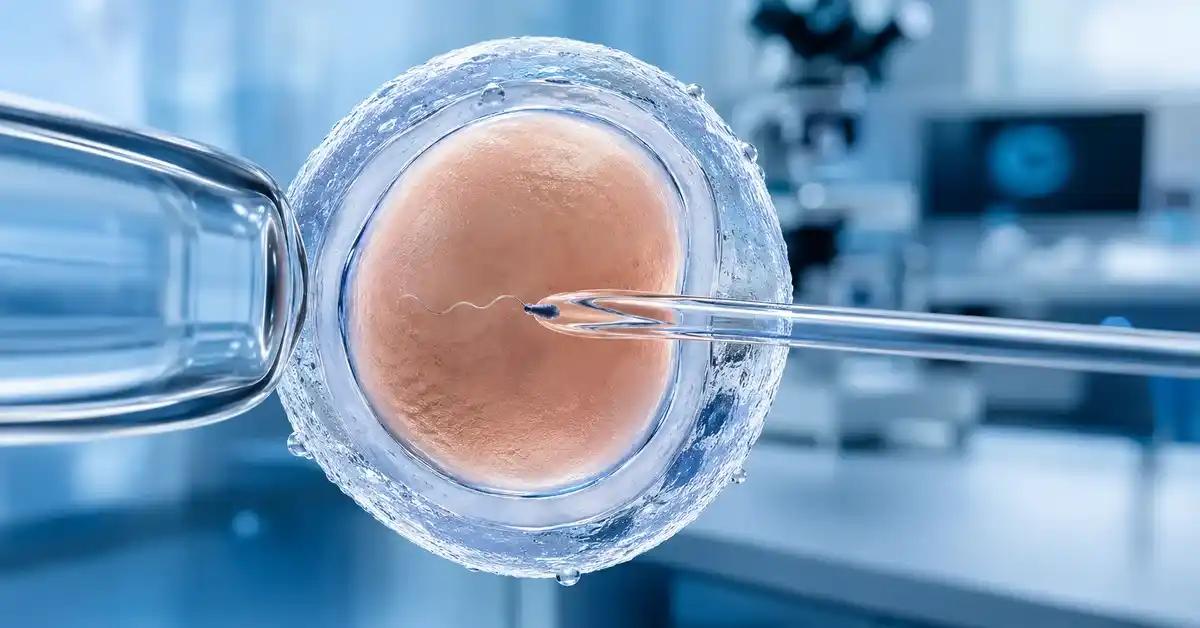
ICSI protocols refer to the comprehensive set of medical procedures and techniques used to facilitate fertilization by directly injecting a single sperm into a mature egg, followed by embryo culture and transfer to the uterus. These protocols have evolved significantly since ICSI was first introduced in the early 1990s, with continuous refinements improving outcomes.
What is ICSI and How Does It Differ from IVF?
ICSI IVF comparison reveals important distinctions between these two assisted reproductive technologies. While both involve egg retrieval and embryo culture, the fertilization method differs fundamentally:
| Aspect | ICSI | Conventional IVF |
|---|---|---|
| Fertilization Method | Direct injection of single sperm into egg | Sperm and eggs mixed together naturally |
| Sperm Requirements | Can use very few sperm, even from testicular extraction | Requires higher sperm count and motility |
| Best For | Severe male factor infertility, previous fertilization failure | Normal sperm parameters, unexplained infertility |
| Fertilization Rate | 70-80% of mature eggs | 60-70% of mature eggs |
| Cost | Slightly higher due to specialized technique | Standard IVF cost |
Overview of Modern ICSI Protocols
Modern ICSI protocols encompass several key components that work synergistically to optimize outcomes:
- Ovarian Stimulation: Controlled hormonal stimulation to produce multiple mature eggs
- Monitoring: Regular ultrasound and hormonal assessments to track follicle development
- Egg Retrieval: Minimally invasive procedure to collect mature eggs
- Sperm Selection: Advanced techniques to identify the healthiest sperm
- ICSI Procedure: Microinjection of selected sperm into each mature egg
- Embryo Culture: Cultivation of fertilized eggs in optimal laboratory conditions
- Embryo Transfer: Placement of selected embryos into the uterus
- Luteal Phase Support: Hormonal support to facilitate implantation
At Fertiliv in Turkey, we implement personalized ICSI protocols tailored to each patient's unique characteristics, ensuring optimal stimulation, fertilization, and embryo development.
Read about: Comprehensive Comparison of Modern Fertility Techniques: IVF and ICSI Explained
ICSI Success Rates and Advanced Techniques
Factors Influencing ICSI Success Rates
ICSI success rates vary significantly based on multiple factors, with female age being the most critical determinant. Understanding these factors helps set realistic expectations:
| Female Age | Success Rate Per Cycle | Cumulative Success (3 Cycles) |
|---|---|---|
| Under 30 | 50-60% | 80-90% |
| 30-35 | 45-55% | 75-85% |
| 35-37 | 40-45% | 65-75% |
| 38-40 | 30-35% | 50-60% |
| Over 40 | 15-25% | 30-45% |
Additional factors affecting ICSI pregnancy rates include:
- Ovarian reserve: AMH levels and antral follicle count significantly impact egg quantity and quality
- Sperm quality: Even with ICSI, sperm DNA fragmentation affects embryo development
- Uterine health: Endometrial thickness, polyps, fibroids, or adhesions can affect implantation
- Embryo quality: Morphological grading and genetic health of embryos
- Previous attempts: History of failed cycles may indicate underlying issues
- Lifestyle factors: BMI, smoking, alcohol consumption, and stress levels

Recent Advances in ICSI Fertilization Techniques
Recent advances in ICSI techniques have significantly improved outcomes through several innovations:
- ICSI assisted hatching: Creating a small opening in the embryo's outer shell to facilitate implantation, particularly beneficial for women over 37 or those with previous implantation failure
- Physiological ICSI (PICSI): Using hyaluronic acid binding to select mature, DNA-intact sperm, reducing miscarriage rates
- Intracytoplasmic morphologically selected sperm injection (IMSI): High-magnification sperm selection identifying the best morphology at 6000x magnification
- Time-lapse embryo monitoring: Continuous observation of embryo development without disturbing incubation conditions
- ICSI genetic testing (PGT-A): Preimplantation genetic testing to identify chromosomally normal embryos, improving pregnancy rates and reducing ICSI miscarriage rates
- Artificial intelligence in embryo selection: AI algorithms analyzing embryo images to predict implantation potential
At Fertiliv fertility center, we incorporate these cutting-edge ICSI fertilization techniques into our protocols to maximize success rates and minimize risks.
Read about: ICSI Success Rates by Woman's Age: A Comprehensive Guide to Achieving Motherhood
Sperm Selection and Embryo Transfer Optimization
ICSI Sperm Selection Methods
ICSI sperm selection methods have evolved from simple visual assessment to sophisticated techniques that evaluate sperm at molecular and functional levels. Traditional vs. modern sperm selection techniques comparison:
| Technique | Method | Advantages |
|---|---|---|
| Traditional Morphology | Visual selection at 400x magnification | Standard method, widely available |
| IMSI | High-magnification (6000x) selection | Identifies subtle morphological defects |
| PICSI | Hyaluronic acid binding test | Selects mature, DNA-intact sperm |
| Microfluidic Sperm Sorting | Mimics natural selection process | Reduces DNA fragmentation |
| MACS (Magnetic Activated Cell Sorting) | Removes apoptotic sperm | Improves embryo quality |
Impact of sperm quality on ICSI outcomes is substantial, particularly regarding ICSI sperm DNA fragmentation. High DNA fragmentation (gt;30%) is associated with:
- Lower fertilization rates
- Reduced embryo quality and development
- Decreased implantation rates
- Higher ICSI miscarriage rates
- Increased risk of genetic abnormalities
Addressing male infertility with ICSI requires comprehensive evaluation and treatment. Indications for ICSI in male infertility include:
- Severe oligozoospermia (very low sperm count)
- Asthenozoospermia (poor sperm motility)
- Teratozoospermia (abnormal sperm morphology)
- Azoospermia requiring surgical sperm retrieval (TESE/Micro-TESE)
- High sperm DNA fragmentation
- Previous fertilization failure with conventional IVF
- Antisperm antibodies
ICSI Embryo Transfer Protocols
ICSI embryo transfer protocols have been refined to optimize timing and technique. Timing and techniques for embryo transfer include:
Transfer Timing Options:
- Day 3 Transfer (Cleavage Stage): Embryos with 6-8 cells, suitable when few embryos are available
- Day 5/6 Transfer (Blastocyst Stage): Preferred option with better implantation rates, allows natural selection of viable embryos
- Frozen Embryo Transfer (FET): Often yields higher success rates as endometrium is optimally prepared
ICSI blastocyst culture benefits:
- Better embryo selection through extended culture
- Higher implantation rates (40-50% vs. 25-35% for Day 3)
- Reduced multiple pregnancy risk with single embryo transfer
- Better synchronization with endometrial receptivity
- Opportunity for genetic testing without compromising embryo viability
Single vs. multiple embryo transfer: The modern trend in ICSI protocols favors single embryo transfer (SET) for younger women with high-quality blastocysts to minimize twin pregnancy risks while maintaining excellent pregnancy rates. Multiple embryo transfer may be considered for women over 38 or those with previous implantation failures.
At Fertiliv in Istanbul, we carefully evaluate each case to determine the optimal embryo transfer strategy, balancing success rates with safety considerations.
Read about: ICSI Success Rates After 40: Everything You Should Know
Ovarian Stimulation and Luteal Phase Support
Optimizing ICSI Ovarian Stimulation
ICSI ovarian stimulation protocols are crucial for obtaining optimal numbers of high-quality eggs. Protocols for ovarian stimulation include several approaches tailored to individual patient characteristics:
| Protocol Type | Duration | Best For | Key Features |
|---|---|---|---|
| Short Protocol | 10-12 days | Younger women, good ovarian reserve | Shorter duration, lower cost, patient-friendly |
| Long Protocol | 4-6 weeks | Good responders | Better control, higher egg quality |
| Antagonist Protocol | 8-10 days | Risk of ovarian hyperstimulation | Reduced OHSS risk, flexible |
| Modified Natural | Variable | Poor responders, advanced age | Minimal stimulation, more natural |
Monitoring and adjusting stimulation protocols involves:
- Baseline assessment: Day 2-3 ultrasound and hormonal evaluation (FSH, LH, E2, AMH)
- Regular monitoring: Ultrasound every 2-3 days to measure follicle size and count
- Hormonal tracking: Estradiol levels to assess ovarian response
- Dose adjustments: Modifying medication based on individual response
- Trigger timing: Administering hCG or GnRH agonist when follicles reach 18-20mm
ICSI Luteal Phase Support
ICSI luteal phase support is essential for maintaining early pregnancy and facilitating embryo implantation. Importance of luteal phase support stems from the fact that ovarian stimulation and egg retrieval disrupt normal hormonal patterns, requiring supplementation.
Common medications used in luteal phase support include:
- Progesterone: Available as vaginal suppositories, injections, or oral capsules - maintains endometrial receptivity
- Estrogen: Sometimes added to support endometrial thickness and quality
- hCG injections: Occasionally used to stimulate corpus luteum function
- Low-dose aspirin: May improve uterine blood flow in selected cases
- Corticosteroids: Used in cases of immune factors or repeated implantation failure
Luteal phase support typically continues until pregnancy test (12-14 days post-transfer) and, if positive, continues until 10-12 weeks of pregnancy when placental hormone production becomes sufficient.
Read about: ICSI After Failed IVF: Does It Give You Better Chances of Success?
Egg Retrieval, Embryo Freezing, and Special Considerations
ICSI Egg Retrieval Techniques
ICSI egg retrieval techniques have been refined to maximize egg yield while minimizing patient discomfort and complications. Methods of egg retrieval involve:
Standard Procedure:
- Mild sedation or light anesthesia administered
- Transvaginal ultrasound probe with needle guide positioned
- Fine needle inserted through vaginal wall into each follicle
- Follicular fluid containing egg aspirated
- Eggs immediately identified and assessed by embryologist
- Procedure typically takes 20-30 minutes
- Recovery period of 1-2 hours before discharge
Optimizing egg retrieval for ICSI includes:
- Precise trigger timing (36 hours before retrieval)
- Gentle aspiration pressure to avoid egg damage
- Flushing follicles when necessary to retrieve eggs
- Immediate egg assessment and preparation for ICSI
- Optimal laboratory conditions (temperature, pH, light exposure)
ICSI Embryo Freezing and Special Considerations
ICSI embryo freezing has become an integral component of modern protocols, offering multiple benefits:
- Preservation of surplus high-quality embryos for future attempts
- Avoiding fresh transfer when endometrium is suboptimal
- Reducing ovarian hyperstimulation syndrome risk
- Allowing time for genetic testing results
- Banking embryos before medical treatments affecting fertility
- Potentially higher pregnancy rates with frozen embryo transfer
ICSI egg donation considerations: When using donor eggs with ICSI, success rates are primarily determined by donor age rather than recipient age, offering excellent outcomes for women with diminished ovarian reserve or premature ovarian failure.
Comparing ICSI pregnancy rates to IVF: For male factor infertility, ICSI typically achieves 10-15% higher fertilization rates than conventional IVF. However, for cases without male factor, pregnancy rates are similar between ICSI and IVF, making proper indication assessment crucial.
Addressing ICSI miscarriage rates: While ICSI itself doesn't increase miscarriage risk, underlying factors like advanced maternal age, poor egg quality, or genetic abnormalities may contribute to pregnancy loss. ICSI genetic testing (PGT-A) can significantly reduce miscarriage rates by identifying chromosomally normal embryos.
At Fertiliv, we provide comprehensive ICSI services incorporating all modern techniques and protocols, with careful attention to each couple's specific needs and circumstances. Our experienced team monitors every step from ovarian stimulation through embryo transfer and beyond, ensuring optimal care and support throughout your fertility journey. To begin your journey toward parenthood with the latest ICSI protocols and highest success rates, contact the Fertiliv team via WhatsApp now for a comprehensive consultation.
Conclusion
Modern ICSI protocols offer tremendous hope for couples facing infertility challenges, with ICSI success rates continuously improving through advanced techniques and personalized approaches.
ICSI fertilization techniques have evolved to address various infertility causes, particularly male factor infertility, through sophisticated ICSI sperm selection methods and optimized protocols.
ICSI ovarian stimulation, when properly tailored to individual patients, produces optimal egg numbers and quality, while ICSI luteal phase support ensures the best environment for embryo implantation. ICSI blastocyst culture and ICSI assisted hatching further enhance pregnancy rates, and ICSI embryo freezing provides flexibility and additional opportunities for success.
At Fertiliv fertility center, we implement the latest ICSI protocols and provide comprehensive, personalized care for every couple, focusing on achieving the dream of parenthood with the highest success rates and minimal risks.
To start your journey toward parenthood with cutting-edge ICSI protocols and advanced techniques, contact the Fertiliv team via WhatsApp now for a comprehensive consultation tailored to your needs.
Frequently Asked Questions: Modern ICSI Protocols: Advanced Techniques for Achieving Parenthood
What is the success rate of ICSI compared to IVF?
ICSI success rates are generally similar to or slightly higher than conventional IVF, particularly for male factor infertility cases. For severe male factor infertility, ICSI achieves fertilization rates of 70-80% compared to potentially very low or zero fertilization with conventional IVF. However, for cases without male factor, pregnancy rates are comparable between ICSI and IVF. The choice between ICSI and IVF should be based on specific indications rather than assuming ICSI is always superior.
How does sperm DNA fragmentation affect ICSI outcomes?
ICSI sperm DNA fragmentation significantly impacts outcomes even though ICSI bypasses natural sperm selection barriers. High DNA fragmentation (gt;30%) is associated with lower fertilization rates, reduced embryo quality, decreased implantation rates, and higher miscarriage rates. Advanced sperm selection techniques like PICSI, IMSI, and microfluidic sorting can help identify sperm with intact DNA, improving ICSI outcomes in cases of high DNA fragmentation.
Is single or multiple embryo transfer better in ICSI?
The modern trend in ICSI protocols favors single embryo transfer (SET) for younger women with high-quality blastocysts. SET minimizes twin pregnancy risks (preterm birth, low birth weight, maternal complications) while maintaining excellent pregnancy rates of 50-60% per transfer for women under 35. Multiple embryo transfer may be considered for women over 38, those with previous implantation failures, or when only lower-quality embryos are available. The decision should balance success rates with safety considerations.
What are the advantages of blastocyst culture in ICSI?
ICSI blastocyst culture offers several advantages: better embryo selection through extended culture (only the most viable embryos reach blastocyst stage), higher implantation rates (40-50% vs. 25-35% for Day 3 embryos), reduced multiple pregnancy risk with single embryo transfer, better synchronization with endometrial receptivity, and opportunity for genetic testing without compromising viability. However, blastocyst culture requires sufficient numbers of fertilized eggs and advanced laboratory capabilities.
Can ICSI reduce miscarriage rates?
ICSI itself doesn't inherently reduce miscarriage rates, but when combined with preimplantation genetic testing (PGT-A), ICSI genetic testing can significantly lower miscarriage risk by identifying chromosomally normal embryos. ICSI miscarriage rates are primarily influenced by maternal age, egg quality, and genetic factors rather than the ICSI procedure itself. Advanced sperm selection techniques in ICSI may also reduce miscarriage rates by selecting sperm with intact DNA and better fertilization potential.