
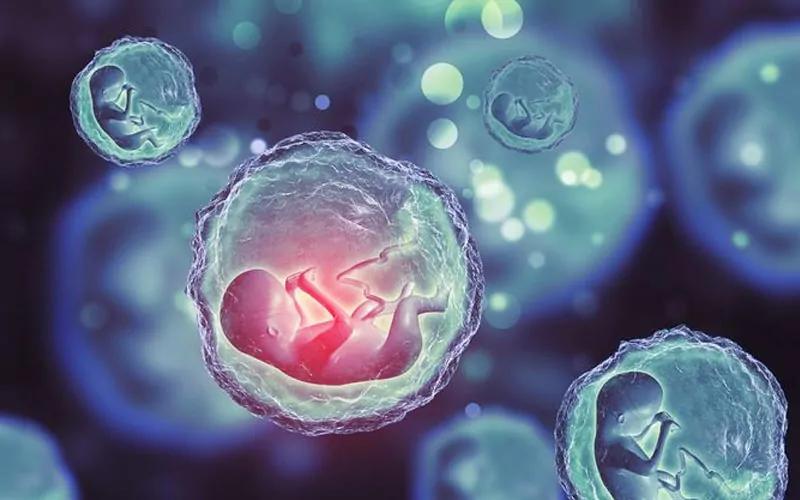
In Vitro Fertilization (IVF)

Manar Hegazy

Majd Eddin Khaled
In vitro fertilization (IVF) is one of the most effective medical techniques for treating various cases of infertility, whether female, male, or unexplained. Although it may seem complex at first, IVF follows precise and well-organized stages designed to help couples achieve pregnancy outside the body, followed by safe embryo transfer into the uterus.
In this article, we will explain the main steps of IVF — including initial preparation, ovarian stimulation, egg retrieval, fertilization, and embryo transfer — and provide guidance on how couples can prepare for this journey with accuracy and awareness.
Step 1: Initial Exams and Comprehensive Evaluation
Before starting the IVF process, both partners undergo a thorough evaluation that includes:
- Hormone tests for the woman to determine her ovaries' response to medications.
- Ultrasound imaging of the uterus and ovaries to assess their anatomical condition.
- Semen analysis for the man , including sperm count, motility, and morphology.
- General blood tests to screen for infectious or genetic conditions.
This assessment forms the basis for selecting the most suitable protocol and helps determine whether advanced techniques like ICSI , IMSI , or preimplantation genetic testing (PGT) are needed.
Step 2: Ovarian Stimulation to Produce Eggs
After completing the preliminary exams, the stage of ovarian stimulation begins using hormonal medications such as:
- FSH
- LH
- Ovulation-regulating drugs
What happens during this phase:
- Medications are taken via injection or orally.
- Regular monitoring takes place through ultrasounds and hormone tests.
- The ideal time for egg retrieval is determined once follicles have matured.
The better the response, the more eggs retrieved, which increases the chances of producing healthy embryos.
Step 3: Egg Retrieval
Once the follicles reach the appropriate size, the woman receives a trigger shot (hCG) to finalize egg maturation. The egg collection procedure is then performed after 34–36 hours .
How Is It Done?
- Under light or general anesthesia.
- A vaginal ultrasound probe and fine needle are used to extract eggs from the follicles.
- The procedure usually takes around 15–30 minutes .
- After retrieval, the eggs are immediately transferred to the laboratory.
Some women may experience mild pain or bloating afterward, but long recovery periods are not required.
Step 4: Sperm Preparation and Fertilization
On the same day as egg retrieval, the male partner provides a semen sample, which is processed in the lab to select the healthiest sperm cells.
Fertilization Options:
- Conventional IVF: Eggs are placed in a culture dish with sperm and left to fertilize naturally.
- ICSI Technique: A single sperm is directly injected into each egg under a microscope. This is used in cases of poor sperm quality.
- IMSI Technique: An advancement of ICSI where sperm are examined under higher magnification to choose those with the best internal structure.
After fertilization, the eggs are placed in a special incubator to support cell division and embryo development.
Step 5: Monitoring Embryo Development in the Lab
Embryos are monitored daily in the laboratory for 2–5 days , and the medical team evaluates:
- The number of embryos developing normally.
- The quality of cellular division.
- Their readiness for implantation.
In modern clinics, continuous monitoring systems allow embryologists to observe development without removing the embryos from the incubator, helping them choose the strongest ones.
Step 6: Embryo Transfer to the Uterus
This is the highly anticipated stage, where one or two embryos are transferred into the uterus using a thin catheter inserted through the cervix.
Does Embryo Transfer Require Anesthesia?
No, the procedure is usually painless and does not require anesthesia.
After the Transfer:
- Taking luteal support medications such as progesterone.
- Avoiding intense physical activity and emotional stress.
- Waiting approximately 10–14 days before taking a pregnancy test.
Step 7: Pregnancy Test and Follow-Up
About two weeks after embryo transfer, a blood test is conducted to measure hCG levels and confirm whether pregnancy has occurred.
If Pregnancy Occurs:
- Early prenatal care and monitoring begin.
- An ultrasound is performed after 4–5 weeks to check the embryo’s development.
If No Pregnancy Occurs:
- The medical team discusses potential reasons for failure.
- Observations are made to improve future attempts.
- Psychological and medical support is provided to help the couple recover and prepare for another cycle.
IVF is more than just a medical procedure — it is a journey that requires strong will, good health, and comprehensive medical and psychological support. Each step must be carried out with precision because success depends on the interaction between eggs, sperm, and the uterine environment.
At Fertiliv Clinic , we believe every couple has a unique story that deserves a personalized approach and a compassionate, experienced medical team. We accompany you from the very beginning until the end, providing accurate consultation, ongoing emotional support, and advanced medical care to help you achieve a healthy and safe pregnancy.