
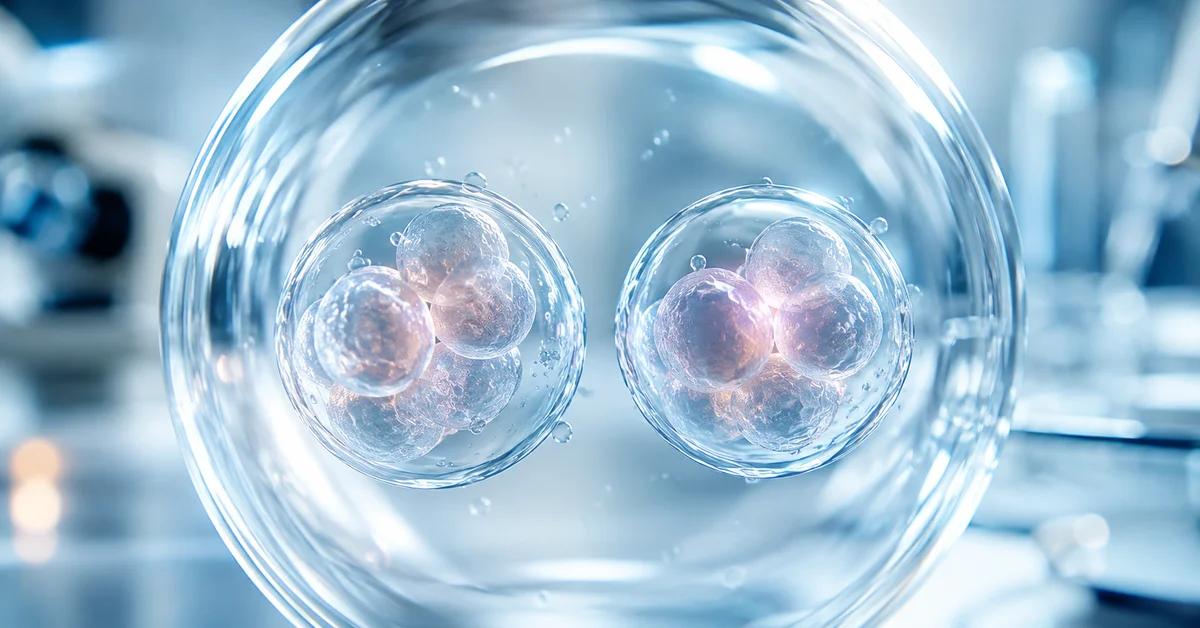
Twin Pregnancy After IVF: Risks, And Special Care

Manar Hegazy

Majd Eddin Khaled
Twin pregnancy after IVF can bring great happiness, especially after a long fertility journey. For many couples, the news feels like double hope after months or years of waiting, treatment, and emotional pressure. However, multiple pregnancy after IVF is not only a joyful result. It also requires careful medical awareness because the mother’s body and the two babies need closer monitoring than in a singleton pregnancy.
At Fertiliv in Istanbul, IVF and twin pregnancy are handled with careful counseling from the beginning. The goal of treatment is not simply to achieve twins, but to support a healthy pregnancy and a safe outcome whenever possible. This is why embryo transfer and twins should be discussed before transfer. The number of embryos to transfer depends on the woman’s age, embryo quality, medical history, previous attempts, and uterine factors.
Twin Pregnancy After IVF
Twin pregnancy after IVF may happen when more than one embryo is transferred and more than one implants. It can also happen, less commonly, when one embryo splits into identical twins. Although the news can feel exciting, twin pregnancy is medically considered a pregnancy that needs closer attention.
This does not mean every twin pregnancy will have complications. Many twin pregnancies progress well with good monitoring. The important point is that they should not be treated exactly like a singleton pregnancy. At Fertiliv, couples are guided to understand that success is not only achieving pregnancy, but also protecting the mother and babies throughout the pregnancy.
Why Multiple Pregnancy After IVF Happens
Multiple pregnancy after IVF is often linked to the number of embryos transferred. When two embryos are transferred, both may implant and develop into twins. In rare situations, a single embryo may divide after transfer, leading to identical twins even after single embryo transfer.
For this reason, the decision to transfer one or more embryos should be medical and individualized. Embryo transfer and twins are directly connected, but transferring more embryos does not always mean a better outcome. It may increase the chance of twins and the risks that come with multiple pregnancy.
Are Twins The Goal Of IVF?
Some couples hope for twins, but the medical goal of IVF is a healthy pregnancy and a healthy baby, not necessarily a multiple pregnancy. Twin pregnancy after IVF can be joyful, but it is not always the safest option, especially if the mother has medical conditions, previous preterm birth, or higher pregnancy risks.
At Fertiliv, this is explained in a gentle and realistic way. If the chance of pregnancy is good with one embryo, single embryo transfer may be safer. If transferring more than one embryo is considered, the benefits and risks should be clearly discussed before the decision.
Read about: Modern ICSI Steps to Improve Fertility Success: A Comprehensive Guide for Couples
Emotional Joy And Responsible Planning
The joy of twin pregnancy after IVF is completely understandable. After infertility, treatment, injections, and waiting, hearing that two babies are growing can feel overwhelming in the most beautiful way. Couples may feel that their dream is finally becoming real.
Still, joy should come with planning. Multiple pregnancy after IVF usually means more appointments, closer ultrasound monitoring, more attention to nutrition, and greater awareness of warning signs. Fertiliv helps couples hold both sides together: celebrating the pregnancy while preparing responsibly for the care it requires.
Managing Anxiety After Twin News
A mother may feel happy and anxious at the same time. She may be grateful for the pregnancy but worried about IVF twin pregnancy risks, preterm birth, or whether she can manage a more demanding pregnancy. These mixed emotions are normal.
Healthy coping begins with understanding the medical plan. When the mother knows the monitoring schedule, important tests, warning signs, and daily care steps, anxiety usually becomes easier to manage. Twin pregnancy care is not about constant fear; it is about knowing what to watch and how to respond.
Partner Support During Twin Pregnancy
Partner support is very important in twin pregnancy care. The mother may need more physical and emotional support as the pregnancy progresses. The partner can help with appointments, daily tasks, healthy meals, and reducing unnecessary stress.
When the couple acts as a team, twin pregnancy monitoring becomes easier. Emotional support can also reduce anxiety, especially in the first weeks after the twin pregnancy is confirmed. Fertiliv encourages both partners to understand the plan, so the mother does not feel alone with every detail.
Read about: Comprehensive IVF Preparation: Complete Guide to Tests and Hormonal Analysis
IVF Twin Pregnancy Risks
IVF twin pregnancy risks do not mean that something bad will definitely happen. They mean that the pregnancy needs closer observation. Twin pregnancy places extra demand on the mother’s body and may be associated with preterm birth, gestational diabetes, high blood pressure, anemia, and more frequent medical visits.
The babies may also need closer growth monitoring because one baby may grow differently from the other. For this reason, twin pregnancy after IVF should be approached as a pregnancy with special care needs. Early and regular monitoring helps identify concerns before they become more serious.
Preterm Birth In Twins
Preterm birth twins is one of the most important issues in multiple pregnancy. Twin pregnancies are more likely to deliver earlier than singleton pregnancies. This is why doctors may monitor cervical length, fetal growth, contractions, and symptoms that suggest early labor.
Preterm birth is not guaranteed, but awareness helps the mother respond quickly. Twin pregnancy care includes watching for regular contractions, pelvic pressure, fluid leakage, bleeding, or unusual pain. If any concerning sign appears, medical contact should not be delayed.
Gestational Diabetes And Blood Pressure
Gestational diabetes twins and pregnancy-related high blood pressure may be more common because the body is under greater demand. The doctor may recommend blood sugar checks, blood pressure monitoring, weight review, and periodic blood tests.
Balanced nutrition, suitable activity when allowed, and regular medical visits can reduce risk and support early detection. Fertiliv helps mothers understand that prevention is not about fear or restrictions only. It is about daily awareness and structured follow-up.
Read about: ICSI in Turkey vs America: A Comprehensive Comparison of Success and Quality
Embryo Transfer And Twins
Embryo transfer and twins should be discussed clearly before IVF treatment reaches the transfer stage. Some couples believe transferring more embryos is always better, but this may increase the chance of multiple pregnancy and related complications. The decision should balance pregnancy chance with pregnancy safety.
The number of embryos transferred depends on age, embryo quality, previous IVF attempts, miscarriage history, uterine condition, and medical background. At Fertiliv, the decision is made through clear counseling because the safest choice differs from one couple to another.
One Embryo Or Two?
Single embryo transfer may be suitable in many cases, especially when embryo quality is good and pregnancy chance is encouraging. This can reduce the chance of twin pregnancy and therefore reduce some risks linked to multiple pregnancy.
Transferring two embryos may be discussed in selected cases, depending on age, previous attempts, and medical factors. The decision should be shared, informed, and realistic. Twin pregnancy after IVF requires more care than singleton pregnancy, so the choice should never be based on emotion alone.
How Embryo Assessment Helps Reduce Risk
Accurate embryo assessment can make embryo transfer decisions clearer. Laboratory quality, embryo development monitoring, and choosing the right stage for transfer may help reduce the need to transfer more embryos only because of uncertainty.
Fertiliv focuses on making embryo transfer decisions based on embryo quality and the couple’s specific situation, not fear alone. The more precise the selection is, the better the balance between pregnancy chance and reducing IVF twin pregnancy risks.

Twin Pregnancy Care After IVF
Twin pregnancy care after IVF begins as soon as pregnancy is confirmed. Early steps may include monitoring pregnancy hormone levels, ultrasound confirmation of the number of sacs, heartbeat, and whether the twins share any pregnancy structures. This information helps guide follow-up.
After confirmation, regular visits are important to monitor both babies’ growth and the mother’s health. The mother may need more frequent appointments, additional tests, and special guidance about nutrition, rest, and activity. Monitoring is not meant to create fear; it is meant to make the pregnancy safer.
Early Twin Pregnancy Monitoring
Early twin pregnancy monitoring helps confirm that the pregnancy is developing correctly. The doctor checks the number of sacs, heartbeats, and whether each baby has a separate sac and placenta. These details may affect the follow-up plan.
The mother may experience stronger nausea or fatigue, which can be normal in twin pregnancy. However, bleeding, severe pain, or unusual symptoms should always be discussed with the medical team. Fertiliv encourages mothers not to compare their symptoms with others, because every pregnancy is different.
Nutrition And Rest In Twin Pregnancy
Nutrition in twin pregnancy should be rich and balanced, not simply excessive. The mother needs good protein, iron, fluids, pregnancy vitamins, and healthy weight monitoring. Supplements should be decided according to medical advice and test results.
Rest is also important, but bed rest is not automatically needed unless the doctor recommends it. Some women may continue gentle activity, while others need more limitations. Twin pregnancy care should always be individualized, not based on one general rule.
Read about: Comparison of ICSI Protocols in Turkey and Germany
When Twin Pregnancy Needs Special Attention
Twin pregnancy always needs closer follow-up, but special attention is even more important if the mother has a history of preterm birth, high blood pressure, diabetes, cervical problems, bleeding, or unequal fetal growth. The type of twin pregnancy may also change the monitoring plan.
The doctor may recommend closer visits, repeated ultrasounds, cervical length measurement, or regular blood tests. The aim is early detection. Even if the mother feels well, keeping appointments is important because some changes may appear before symptoms are obvious.
Warning Signs Not To Ignore
Warning signs include bleeding, fluid leakage, severe pain, regular contractions, strong headache, vision changes, sudden swelling, or reduced baby movement later in pregnancy. These signs do not always mean a serious problem, but they require medical assessment.
In twin pregnancy after IVF, it is better to ask early than to wait. Twin pregnancy monitoring is based on safety first, because timely communication can help manage complications sooner.
Planning For Birth
Birth planning in twin pregnancy depends on the babies’ positions, gestational age, maternal health, fetal growth, and any complications. Some twin pregnancies may be suitable for vaginal birth, while others may need cesarean delivery.
The birth plan should not be fixed too early without later reassessment. At Fertiliv, mothers are guided to understand that the final decision becomes clearer in the later stages of pregnancy. The goal is safe delivery, not choosing one method without medical reason.
Read about: ICSI Success Symptoms: When Can a Pregnancy Test Be Done?
Fertiliv’s Role In Reducing Risk Early
Fertiliv’s role begins before twin pregnancy occurs. Embryo number, embryo quality, uterine preparation, and counseling before transfer all influence the chance of multiple pregnancy after IVF. Clear explanation before transfer helps couples make safer decisions.
After pregnancy occurs, the mother is guided toward appropriate monitoring based on her situation. Fertiliv helps her understand each stage, which tests are important, when symptoms are normal, and when medical contact is needed. This clarity makes twin pregnancy after IVF feel more manageable.
A Personalized Plan For Every Couple
Not every IVF and twin pregnancy case is the same. The woman’s age, previous attempts, embryo quality, medical history, and uterine condition all affect the decision. Fertiliv uses individualized planning instead of applying the same rule to every couple.
In some cases, reducing the chance of twins may be the priority. In others, transferring more than one embryo may be discussed carefully. The key is balancing pregnancy chance with pregnancy safety after honest counseling.
Support After Twin Pregnancy Confirmation
After twin pregnancy is confirmed, the mother needs clear information rather than scattered advice. Fertiliv helps explain follow-up steps, ultrasound timing, pregnancy tests, nutrition, rest, and warning signs. This support can reduce anxiety and improve confidence.
The partner is also encouraged to be involved. Twin pregnancy care is easier when the mother has practical and emotional support. Shared responsibility helps reduce exhaustion, especially as pregnancy progresses.
Read about: ICSI Success Rates by Woman's Age: A Comprehensive Guide to Achieving Motherhood
Conclusion
Twin pregnancy after IVF can be a beautiful and emotional result, but it requires awareness and special care. Multiple pregnancy after IVF may increase the chance of preterm birth, gestational diabetes, high blood pressure, and differences in fetal growth. For this reason, it should be managed with both joy and medical responsibility.
The safest approach begins before embryo transfer, by choosing the appropriate number of embryos, assessing embryo quality, and understanding the relationship between embryo transfer and twins. After pregnancy is confirmed, twin pregnancy monitoring becomes essential for protecting the mother and both babies. At Fertiliv in Istanbul, care is built on medical experience, clear explanation, and individualized support for each couple.
Frequently Asked Questions: Twin Pregnancy After IVF: Joy, Risks, And Special Care
Is Twin Pregnancy After IVF Common?
It can happen, especially when more than one embryo is transferred, but the main goal of IVF is a healthy and safe pregnancy.
Is Twin Pregnancy Always Dangerous?
No, but twin pregnancy needs closer monitoring because risks like preterm birth, gestational diabetes, and high blood pressure are higher.
Is Transferring Two Embryos Better Than One?
Not always. Single embryo transfer may be safer in many cases, while two embryos may be considered only after medical review.
When Does Twin Pregnancy Monitoring Start?
Monitoring begins after pregnancy confirmation, then ultrasound checks the number of sacs, heartbeats, and the follow-up plan.
How Does Fertiliv Help With Twin Pregnancy?
Fertiliv helps choose the right embryo transfer plan and guides the mother through organized twin pregnancy follow-up.