
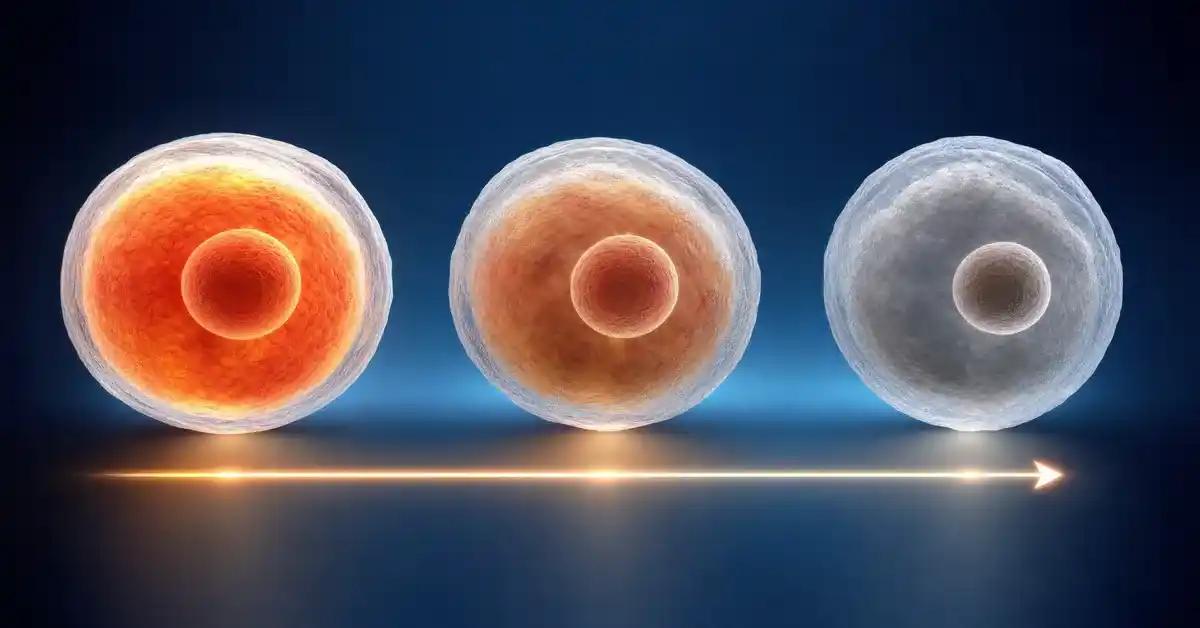
ICSI Success Rates by Woman's Age: A Comprehensive Guide to Achieving Motherhood

Manar Hegazy

Majd Eddin Khaled
Age represents one of the most critical factors influencing ICSI (Intracytoplasmic Sperm Injection) success rates and fertility outcomes overall. Every woman dreaming of motherhood naturally wonders about her genuine chances of achieving pregnancy through this advanced reproductive technique. At Fertiliv IVF Center, we are committed to providing accurate, transparent information about real success rates based on age, empowering women to make informed decisions about their journey toward motherhood.
The truth is that age significantly impacts egg quality and fertilization capability, directly affecting success rates. Understanding this relationship between age and success enables better planning and selection of the optimal timing to begin your fertility journey.
ICSI Success Rates by Woman's Age: Facts and Figures
When discussing ICSI success rates by age, we must understand that these rates are based on reliable scientific studies conducted by advanced fertility centers worldwide. Success rates vary considerably across different age groups, reflecting natural changes that occur in eggs over time.
How Age Affects ICSI Success Rates
Age influences ICSI success through several important biological mechanisms:
- Egg Quality: Egg quality declines gradually with advancing age, reducing successful fertilization rates.
- Available Egg Numbers: As age increases, fewer eggs can be retrieved from the ovaries.
- Overall Reproductive Health: Age-related factors such as uterine fibroids and pelvic inflammation affect reproductive capacity.
Success Rate Variations Across Different Ages
The following table illustrates ICSI success rates across various age groups:
| Age Group | Pregnancy Success Rate | Live Birth Rate | Notes |
|---|---|---|---|
| Under 25 years | 50-55% | 45-50% | Highest success rates |
| 25-30 years | 45-50% | 40-45% | Excellent rates |
| 30-35 years | 40-45% | 35-40% | Good rates |
| 35-40 years | 25-35% | 20-30% | Noticeable decline |
| 40-45 years | 15-25% | 10-20% | Significant decline |
| Over 45 years | 5-15% | 3-10% | Very low rates |
ICSI Success Rates in Your Twenties: The Golden Window for Success
The twenties represent the optimal period for ICSI, when women enjoy the best egg quality and highest success rates. At this age, eggs are in their best condition regarding health and capacity for proper fertilization and division.
Factors Contributing to ICSI Success in Your Twenties
Several factors contribute to elevated success rates during this age:
- Exceptionally high egg quality with normal cell division rates
- Excellent response to hormonal stimulation medications
- Minimal age-related health complications
- Low rate of chromosomal abnormalities
- Better overall health and faster recovery capacity
Tips for Maximizing Success Rates in Your Twenties
Although success rates are already very high at this age, following certain recommendations can further improve outcomes:
- Maintain healthy, balanced body weight
- Exercise regularly with moderate physical activity
- Eat nutritious food rich in vitamins and minerals
- Completely avoid smoking and alcohol
- Manage psychological stress and anxiety
- Get adequate sleep and rest
Read about: Comprehensive Comparison of Modern Fertility Techniques: IVF and ICSI Explained
ICSI Success Rates in Your Thirties: Beginning of Initial Challenges
The thirties witness a gradual decline in success rates, but this does not mean opportunities have ended. Most women in this age group achieve excellent results with ICSI, especially if they maintain good overall health and have no other reproductive problems.
Challenges Facing ICSI in Your Thirties
Beginning at age thirty, certain challenges start to emerge:
- Slight decline in egg quality
- Higher probability of health issues such as uterine fibroids or endometriosis
- Some women may require higher doses of hormonal stimulation
- Slight increase in spontaneous miscarriage rates
ICSI Experiences in Your Thirties
Many women in their thirties achieve successful pregnancy from the first or second attempt. Their experiences demonstrate that with attention to overall health and careful monitoring by specialized medical teams, excellent results are achievable. At Fertiliv, we witness daily how women in their thirties successfully realize their motherhood dreams.
Read about: ICSI Success Rates After 40: Everything You Should Know
ICSI Success Rates After Age Forty: Challenges and Solutions
After age forty, ICSI success rates decline noticeably, but this does not mean pregnancy becomes impossible. Multiple strategies and solutions exist to help women at this age achieve their motherhood dreams.
The Critical Importance of Egg Quality at Forty
At age forty, egg quality becomes the decisive factor in ICSI success. Most retrieved eggs may contain chromosomal abnormalities, leading to:
- Reduced successful fertilization rates
- Increased spontaneous miscarriage rates
- Fewer healthy embryos available for transfer
For this reason, medical teams may recommend genetic testing of embryos (PGD) to select only healthy embryos.
Using Frozen Eggs After Age Forty
One effective solution for women over forty is using frozen eggs from earlier years when quality was better. This can significantly improve success rates:
- Frozen eggs from younger ages retain their original quality
- Success rates depend on egg age, not the woman's current age
- This provides women with a genuine second chance for pregnancy
Read about: ICSI After Failed IVF: Does It Give You Better Chances of Success?
The Relationship Between Age and Egg Quality in ICSI: Science and Facts
The relationship between age and egg quality is direct and powerful. Understanding this relationship helps explain why success rates decline with advancing age.
Reasons for Egg Quality Deterioration with Age
Several scientific reasons explain egg quality decline:
- Oxidative Stress: Increases with age and damages DNA integrity in eggs
- Chromosomal Abnormalities: Increase significantly with age, especially after 35
- Declining Egg Numbers: Women are born with a fixed number of eggs that decreases over time
- Division Problems: Older eggs may experience improper cell division
Methods to Improve Egg Quality Before ICSI
Although age cannot be stopped, practical methods exist to improve egg quality:
- Nutritional Supplements: Such as CoQ10 and vitamins that improve egg quality
- Healthy Diet: Rich in antioxidants and essential nutrients
- Regular Exercise: Improves blood circulation and oxygen delivery to ovaries
- Stress Management: Stress negatively affects egg quality
- Avoiding Toxins: Such as smoking, alcohol, and environmental pollutants
Read about: Key Steps for ICSI Success: Your Complete Guide from Fertility Experts
Optimal Age for ICSI According to Scientific Studies: Facts and Recommendations
Recent scientific studies clearly indicate that the optimal age for ICSI is before thirty-five, with younger age associated with better outcomes.
Peak Age Range for ICSI Success
According to reliable international studies:
- Under 30 years: Highest success rates (45-55%)
- 30-35 years: Excellent rates (40-45%)
- 35-40 years: Good rates but beginning to decline (25-35%)
- After 40 years: Low rates declining further with each year
Importance of Choosing the Right Timing for ICSI
Selecting the appropriate timing to begin ICSI can make a significant difference:
- Starting at a younger age increases success chances
- Delaying the procedure may result in substantial rate declines
- If fertility indicators suggest problems, starting early is crucial
- Early consultation with your doctor helps make the right decision at the right time

Factors Affecting ICSI Success Beyond Age: A Comprehensive Perspective
Although age is very important, it is not the only factor affecting ICSI success. Multiple other factors play crucial roles in the final outcome.
How Overall Health Impacts Success Rates
A woman's overall health directly affects ICSI success:
- Body Weight: Excessive obesity or severe underweight reduces success chances
- Chronic Diseases: Such as diabetes and hypertension may affect results
- Mental Health: Psychological stress and depression may affect hormonal response
- Lifestyle: Smoking, alcohol, and poor sleep reduce success chances
Impact of Medical Team Experience and Technologies Used
Quality of medical care has tremendous impact on outcomes:
- Doctor Experience: Experienced physicians achieve higher success rates
- Laboratory Equipment: Advanced and modern laboratories improve embryo quality
- Medical Protocols: Using latest protocols increases success chances
- Psychological Support: Psychological support and counseling improve outcomes
At Fertiliv, we take pride in our experienced medical team, advanced equipment, and modern protocols. We are committed to providing the best possible service to every patient.
Read about: Essential Pre-ICSI Tests: Your First Step Toward Achieving Parenthood
Tips for Improving ICSI Success Rates by Woman's Age: A Practical Plan
Regardless of age, practical steps can be taken to improve success chances. These recommendations are scientifically proven and recommended by fertility specialists.
Medical Preparations Before ICSI Procedure
Before beginning ICSI, several tests and preparations are necessary:
- Comprehensive Blood Tests: To ensure absence of infectious diseases or hormonal disorders
- Ultrasound Imaging: To examine the uterus and ovaries and rule out problems
- Fertility Testing: To assess ovarian reserve and egg quality
- Uterine Examination: May be important to exclude problems such as fibroids
- Psychological Consultation: To ensure psychological readiness for the procedure
Dietary Tips and Healthy Lifestyle for Improving Success Chances
A healthy lifestyle plays a very important role in ICSI success:
- Balanced Healthy Diet: Rich in fruits, vegetables, and healthy proteins
- Avoid Processed Foods: And excess sugars and saturated fats
- Moderate Exercise: Such as brisk walking, yoga, and swimming
- Adequate Sleep: 7-8 hours daily is essential
- Limit Excess Caffeine: Reduce coffee and tea consumption
- Manage Stress: Through meditation, relaxation, and enjoyable activities
- Nutritional Supplements: After doctor consultation, such as vitamins and minerals
Read about: ICSI Cost in Turkey 2026: Your Smart Investment Toward Achieving Parenthood
In the end, age remains a key factor in determining the success rates of IVF and ICSI, but your daily habits and healthy lifestyle choices make a real difference in your journey toward motherhood. Remember, every small step toward a healthier lifestyle increases your chances of success.
At Fertiliv Clinic, we are committed to supporting you at every stage—from pre-procedure preparation to careful follow-up after embryo transfer—through comprehensive programs designed to help you achieve the best possible results.
If you would like a specialized consultation or want to better understand your options, the Fertiliv team is here to answer all your questions. Contact us now via WhatsApp and start your journey with confidence toward motherhood.
Frequently Asked Questions: ICSI Success Rates by Woman's Age: A Comprehensive Guide to Achieving Motherhood
What are the Best ICSI Success Rates by Age?
The best ICSI success rates are before age 35, reaching 40-50% for pregnancy and 35-45% for live birth. In the twenties, rates are slightly higher (45-55% for pregnancy). After age 40, rates drop significantly to 15-25% for pregnancy and 10-20% for live birth. ICSI success rates by age reflect egg quality and its ability to be fertilized and divide correctly.
Can I Get Pregnant with ICSI After Forty?
Yes, you can get pregnant with ICSI after forty, but the rates are much lower. ICSI success rates after age forty range between 15-25% for pregnancy and 10-20% for live birth. The best solution may be using frozen eggs from previous years. You should consult with your doctor to evaluate the best options for your specific case.
How Does Age Affect Egg Quality in ICSI?
Age affects egg quality through several mechanisms: First, oxidative stress increases with age, affecting DNA integrity. Second, chromosomal abnormalities increase significantly after age 35. Third, the number of available eggs decreases. Fourth, older eggs may face problems during division. Age's effect on ICSI success reflects these changes in egg quality.
What is the Best Age to Start ICSI?
The best age to start ICSI is before age 35, and the younger the woman, the better her chances. If there are indications of reproductive problems, starting early is important before age affects egg quality. Consulting with your doctor early helps make the right decision at the right time. ICSI success rates by age emphasize the importance of not delaying.
Can Egg Quality Be Improved Before ICSI?
Yes, there are practical ways to improve egg quality before ICSI. Taking supplements like CoQ10 and vitamins helps. A healthy diet rich in antioxidants is very important. Regular exercise improves blood circulation. Managing psychological stress is necessary. Avoid smoking, alcohol, and environmental pollutants. Adequate sleep and psychological rest are very important. These steps are scientifically proven and help improve success chances regardless of age.