
ICSI Treatment: What It Is and How It Helps Fertilization

Manar Hegazy

Majd Eddin Khaled
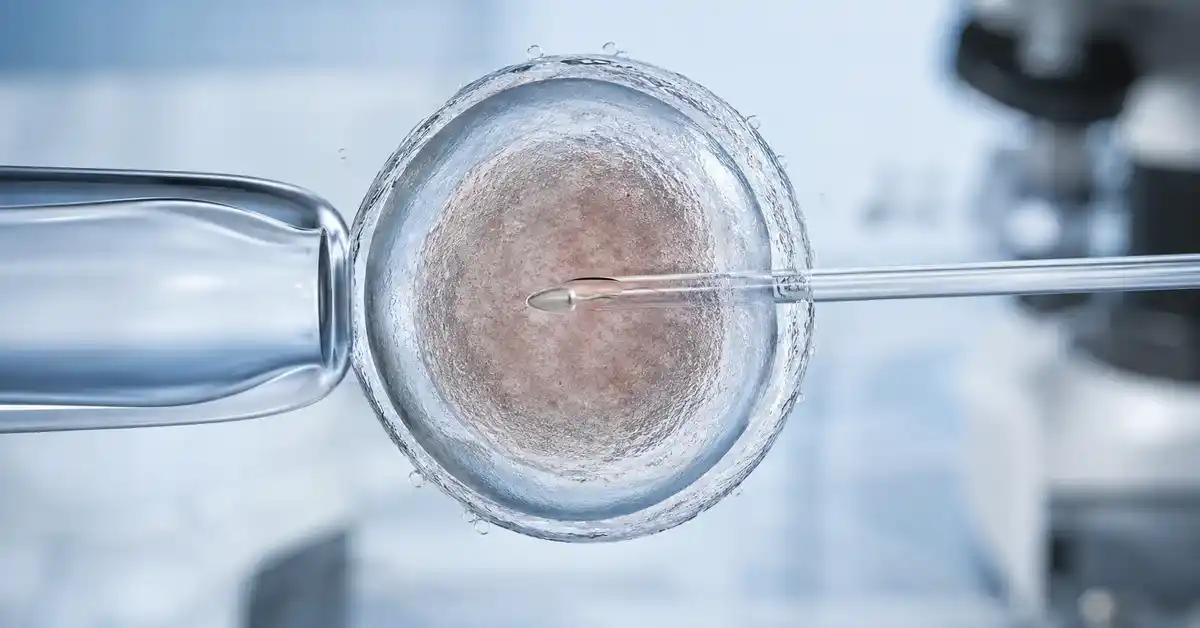
Intracytoplasmic sperm injection, or ICSI, is an advanced fertilization method used within an IVF cycle. Instead of placing eggs and sperm together and waiting for fertilization to happen on its own in the laboratory, one sperm cell is selected and injected directly into a mature egg. This makes ICSI especially useful when sperm quality may not be strong enough for conventional fertilization.
What ICSI means inside an IVF cycle
ICSI is not a completely separate treatment from IVF. It is a fertilization method used after ovarian stimulation and egg retrieval. Mature eggs are identified in the laboratory, and each suitable egg is injected with one selected sperm cell. The embryos are then monitored for several days before transfer or freezing, depending on the treatment plan.
The difference between ICSI and conventional IVF fertilization
In conventional IVF fertilization, eggs are placed with many sperm cells in the laboratory, and sperm must fertilize the egg without direct injection. In ICSI, one sperm is injected directly into the egg. This difference is important when sperm count, motility, morphology, or previous fertilization results suggest that standard fertilization may not be enough.
Does ICSI always improve pregnancy chances?
No. ICSI does not automatically improve pregnancy chances for every couple. Its benefit is clearer when there is male factor infertility or previous fertilization failure. When semen parameters are normal and there is no prior fertilization problem, routine ICSI may not improve live birth or pregnancy rates compared with conventional fertilization.
ICSI Steps from Ovarian Stimulation to Embryo Development
An ICSI cycle includes several connected stages. The actual sperm injection is only one part of the process. Success depends on ovarian stimulation, egg maturity, sperm preparation, laboratory technique, embryo culture, and the decision to transfer or freeze embryos.
Ovarian stimulation and egg retrieval before ICSI
The cycle usually begins with ovarian stimulation to develop several follicles. Ultrasound and blood tests may be used to monitor response. When the eggs are ready, they are retrieved through a medical procedure and sent to the laboratory. Only mature eggs are usually suitable for ICSI.
Sperm preparation before ICSI fertilization
On the day of egg retrieval, a semen sample is prepared, or frozen or surgically retrieved sperm may be used when appropriate. The laboratory selects sperm based on movement and appearance. If sperm are retrieved surgically because they are absent from the semen, ICSI is usually the practical method for using them.
Sperm injection and embryo monitoring after ICSI
The egg is held carefully under the microscope, and one sperm is injected into it with a very fine needle. The next day, the laboratory checks for fertilization. Embryos are then followed during early development, and the team decides whether to transfer an embryo or freeze embryos for later use.
Who Is ICSI Recommended For in Male Infertility?
ICSI is most clearly recommended when the main fertility barrier is related to sperm. It can help when sperm may not be able to reach, bind to, or penetrate the egg effectively. However, not every mild semen change automatically requires ICSI; the decision should be based on severity, sperm function, previous outcomes, and the female partner’s fertility profile.
ICSI for low sperm count or poor sperm motility
When sperm count is low or motility is poor, fewer sperm may be capable of reaching and fertilizing the egg through standard methods. ICSI can be useful because only a small number of usable sperm are needed. It is especially relevant when the male factor is moderate to severe or when time is limited.
ICSI for severe abnormal sperm morphology
Abnormal sperm morphology does not always prevent pregnancy, but severe morphology problems can reduce fertilization potential. In these cases, ICSI allows the laboratory to choose a sperm cell that appears more suitable and inject it directly into the egg. Still, embryo development depends on egg quality and other biological factors as well.
ICSI with surgically retrieved sperm
In some men with azoospermia, sperm may be retrieved surgically from the testicle or reproductive tract. Because the number of retrieved sperm is often limited, ICSI is usually the most practical way to attempt fertilization. This requires careful coordination between the male fertility team, embryology laboratory, and female treatment plan.
Read about: Comprehensive Comparison of Modern Fertility Techniques: IVF and ICSI Explained
When ICSI May Be Recommended Without Severe Male Factor
Although ICSI was originally developed mainly for male factor infertility, it may also be discussed in selected non-male-factor situations. The key point is that it should not be used automatically for every IVF cycle without a clear reason, because routine use does not necessarily improve outcomes for all couples.
ICSI after previous fertilization failure
If a previous IVF cycle resulted in complete fertilization failure or very low fertilization, ICSI may be considered in a future cycle. The goal is to reduce the chance of the same fertilization problem recurring. Before deciding, the previous cycle should be reviewed carefully, including egg maturity, sperm quality, fertilization method, and laboratory findings.
ICSI with frozen eggs or very limited egg numbers
When frozen eggs are used or when very few eggs are available, the team may prefer ICSI because each egg is especially valuable. ICSI may reduce the risk of fertilization failure in these situations, but it cannot correct poor egg quality or age-related embryo problems by itself.
ICSI in selected embryo testing plans
In some embryo testing plans, ICSI may be discussed to reduce the presence of extra sperm around the egg and embryo. This decision depends on the laboratory method and the couple’s treatment goals. It should be explained as a case-based laboratory decision, not as a universal requirement.

When ICSI Is Not Always Necessary
ICSI should not be treated as automatically better simply because it is more advanced. In some couples, conventional IVF fertilization may be suitable when semen quality is normal, there has been no previous fertilization failure, and there is no specific laboratory indication for ICSI.
Normal semen analysis without previous fertilization failure
If semen parameters are normal and there has been no prior fertilization failure, ICSI may not be necessary in every case. The treatment focus may be egg quality, stimulation strategy, female age, uterine health, and embryo development. The fertilization method should be chosen based on the full medical picture.
Unexplained infertility does not automatically require ICSI
In unexplained infertility, basic tests may look reassuring even though pregnancy has not occurred. This does not automatically mean sperm cannot fertilize the egg. The choice between ICSI and conventional fertilization should consider age, infertility duration, previous treatments, egg number, and laboratory strategy.
ICSI does not treat every cause of failed pregnancy
ICSI supports fertilization, but it does not solve every fertility problem. If the main issue is egg quality, embryo chromosome problems, uterine cavity disease, endometrial receptivity, or implantation failure, ICSI alone may not change the outcome. It should be part of a complete treatment plan.
Read about: ICSI After Failed IVF: Does It Give You Better Chances of Success?
Fertiliv’s Approach to Choosing ICSI for Each Couple
At Fertiliv, ICSI is chosen based on the couple’s diagnosis, not simply because it is a well-known technology. Semen analysis, female age, ovarian reserve, uterine and tubal status, previous cycle history, and expected egg number are reviewed together before deciding whether ICSI is the most suitable fertilization method.
Evaluating both partners before deciding on ICSI
Even when the male factor is clear, the female partner must be evaluated at the same time. Female age, ovarian reserve, egg quality, and uterine health strongly influence the final outcome. Likewise, if the main issue is female factor infertility, ICSI may not be automatically required unless there is a clear fertilization-related reason.
Choosing ICSI when it can improve fertilization chances
ICSI is chosen when direct sperm injection is expected to add real value, such as in significant sperm problems, surgically retrieved sperm, or previous fertilization failure. When there is no strong indication, couples should understand the alternatives rather than adding steps without a clear benefit.
Embryo follow-up after ICSI and planning transfer or freezing
After ICSI, the plan continues with embryo monitoring. The team evaluates fertilization, embryo division, embryo quality, hormone situation, uterine readiness, and medical safety before deciding on fresh transfer or embryo freezing. The injection is only one step in a larger fertility pathway.
Read about: Essential Pre-ICSI Tests: Your First Step Toward Achieving Parenthood
Conclusion
ICSI is a precise laboratory technique used within IVF, where one sperm cell is injected directly into one mature egg. It is most clearly useful for significant male factor infertility, surgically retrieved sperm, previous fertilization failure, or selected situations where every egg is especially important. However, ICSI is not necessary for every couple and does not guarantee pregnancy if the main problem lies in egg quality, embryo development, uterine factors, or other causes.
Frequently Asked Questions: ICSI
Is ICSI the same as IVF?
Not exactly. ICSI is a fertilization method used inside an IVF cycle, where one sperm is injected directly into a mature egg.
Who is usually recommended for ICSI?
It is usually recommended for significant sperm problems, surgically retrieved sperm, previous fertilization failure, or selected cases where fertilization support is needed.
Does ICSI guarantee pregnancy?
No. ICSI helps fertilization, but pregnancy also depends on egg quality, embryo development, uterine health, female age, and the overall treatment plan.
Is ICSI needed when semen analysis is normal?
Not always. If there is no male factor or previous fertilization failure, ICSI may not be necessary in every case.
Can ICSI use sperm retrieved from the testicle?
Yes. If usable sperm are surgically retrieved, ICSI is usually the practical method to attempt fertilization.