
Intrauterine Insemination (IUI)

Manar Hegazy

Majd Eddin Khaled
Many couples face difficulties in conceiving naturally, which leads them to seek effective and safe medical solutions. Intrauterine insemination (IUI) is one of the most prominent options that can be considered before moving on to more complex techniques such as in vitro fertilization (IVF) or intracytoplasmic sperm injection (ICSI) .
In this article, we will explore what IUI is, how it is performed, its benefits and risks, and the cases in which this procedure is most effective.
What Is Intrauterine Insemination (IUI)?
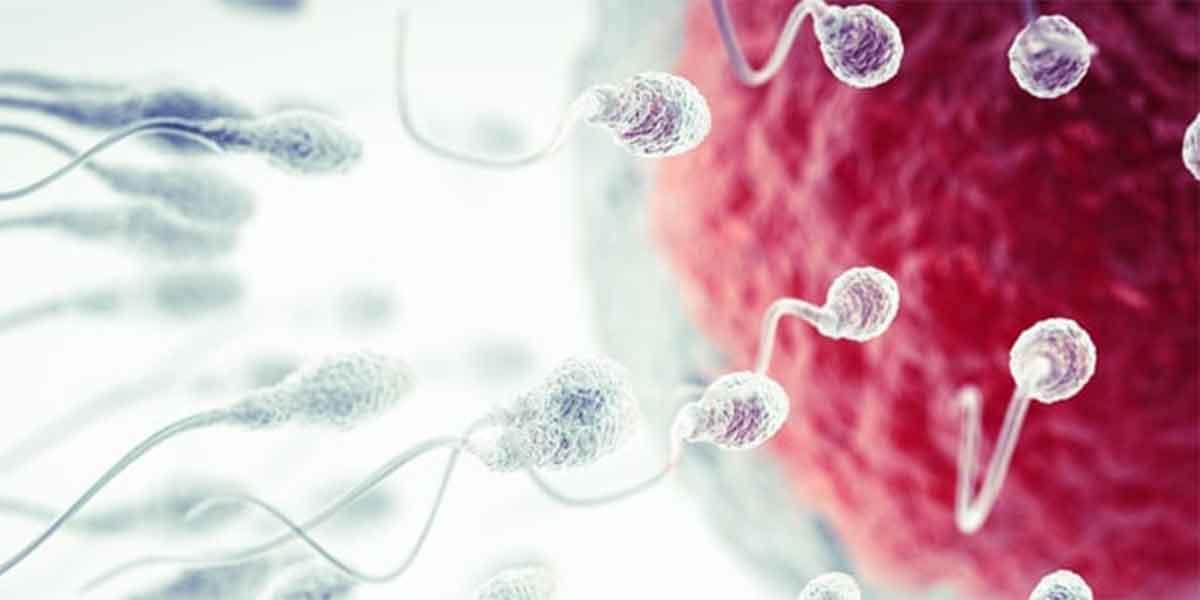
Intrauterine insemination (IUI) is a procedure in which sperm are directly injected into the uterus to bring them closer to the egg, increasing the chances of natural fertilization. This method is commonly used in cases such as:
- Mild male infertility.
- Cervical issues.
- Unexplained infertility.
IUI is one of the types of artificial insemination and differs from lab-based fertilization techniques like IVF or ICSI , because it does not involve retrieving eggs or fertilizing them in a laboratory setting.
How Is IUI Performed?
Initial Preparation
Before undergoing IUI, both partners go through several steps:
- Fertility evaluation to identify the exact cause of infertility.
- Ovulation stimulation using hormonal medications to increase the number of mature eggs.
- Monitoring follicle growth with ultrasound and hormone tests to determine the optimal time for insemination.
Sperm Collection and Processing
- A semen sample is collected from the male partner after a short period of abstinence.
- The sample is processed in the lab to remove impurities and select the most active and healthy sperm cells.
Performing the Insemination
- Processed sperm are inserted into the woman's uterus using a thin catheter.
- The procedure is quick and does not require anesthesia.
- For best results, the insemination should take place close to ovulation.
Main Benefits of IUI
- Increased chance of pregnancy: By placing sperm directly into the uterus, they bypass natural barriers that may prevent them from reaching the egg.
- Simple and painless procedure: It takes only a few minutes and doesn’t require anesthesia or hospitalization.
- Lower cost compared to IVF and ICSI: IUI is among the most affordable fertility treatments, making it a common first-line option.
- Can be repeated multiple times: If the first attempt fails, the process can be repeated in the next cycle, possibly with adjustments to the protocol.
Does IUI Work in All Cases?
Not always. Success rates depend on several factors:
- The woman’s age
- The quality of the sperm
- The underlying cause of infertility
- The ovarian response to stimulation drugs
Pregnancy rates per cycle generally range between 10% - 20% , and these can increase when combined with ovulation-stimulating medications.
Risks and Side Effects of IUI
- Multiple Pregnancy: Because ovarian stimulation drugs may lead to the release of more than one egg, there is an increased risk of twins or triplets.
- Ovarian Hyperstimulation Syndrome (OHSS): Although rare, OHSS can occur, especially if the ovaries respond too strongly to medication.
- Mild Pain or Discomfort During the Procedure: Some women experience mild cramping during catheter insertion, but the discomfort usually passes quickly.
- Rare Risk of Infection: As with any medical procedure involving the reproductive system, there is a small risk of infection, though it is uncommon.
When Is IUI Recommended?
IUI is typically recommended in the following situations:
- Mild male fertility issues.
- Cervical abnormalities.
- When the couple prefers less invasive procedures than IVF.
Is IUI a Replacement for IVF or ICSI?
No, not entirely. IUI supports natural conception and facilitates the process. However, IVF and ICSI are more advanced options used when:
- Sperm quality is very poor.
- There are fallopian tube problems.
- Multiple IUI attempts have failed.
IUI is a suitable and beneficial medical option in the early stages of treatment, particularly when infertility is due to minor fertility issues. However, it is not a solution for all types of infertility and requires careful evaluation to determine its suitability for each individual case.
At Fertiliv Clinic , we believe choosing the right treatment begins with a clear understanding of your health condition and personal and family needs. We offer comprehensive consultation and detailed follow-up to help you and your partner make the best decision together.