
Zinc And Selenium For Fertility Support: A Natural Guide For Reproductive Health

Manar Hegazy

Majd Eddin Khaled
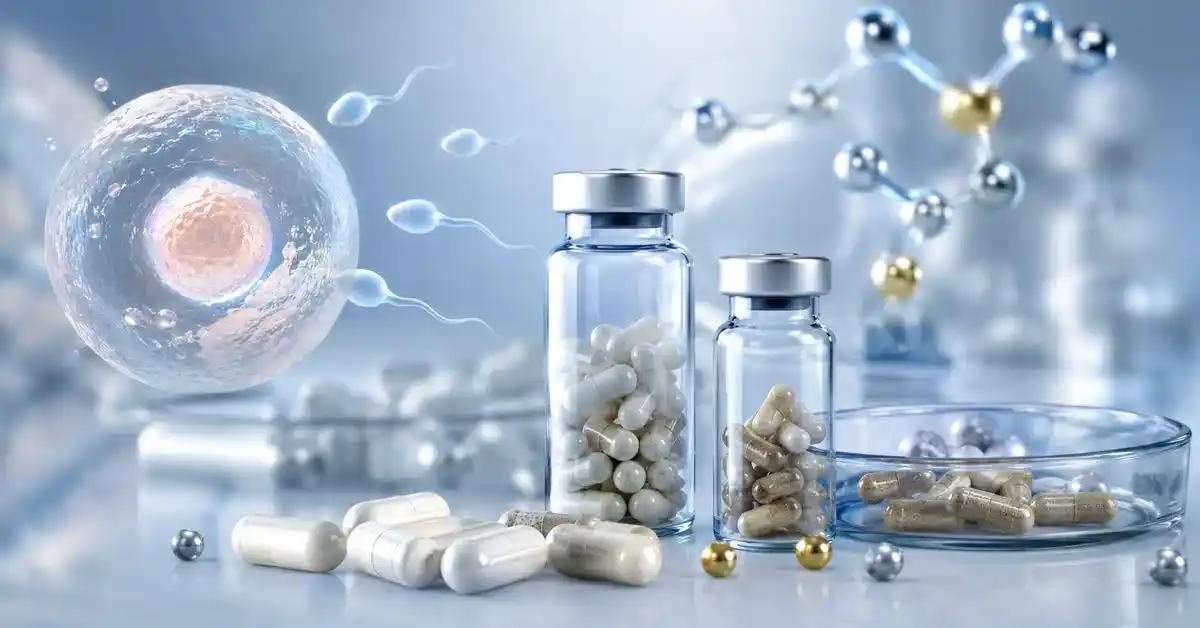
Zinc And Selenium For Fertility Support is an important topic for couples who want to improve reproductive health in a natural and medically balanced way. These two minerals are involved in many body functions, including cell protection, hormone activity, immune support, sperm health, and antioxidant defense. For this reason, many couples consider Natural Fertility Supplements as part of their pregnancy preparation.
However, supplements should not be seen as a complete treatment for delayed pregnancy. Fertility depends on many factors, including ovulation, sperm quality, egg quality, uterine health, age, lifestyle, and medical history. At Fertiliv IVF Center in Istanbul, Zinc And Selenium For Fertility Support is considered only as one part of a wider fertility assessment. The goal is to support the body safely, correct real deficiencies when present, and avoid unnecessary or excessive supplementation.
Zinc And Selenium For Fertility Support
Zinc And Selenium For Fertility Support may help when the body needs additional mineral support or when a deficiency affects reproductive wellness. Zinc is involved in cell division, hormone function, and male reproductive health, while selenium helps protect cells from oxidative stress and supports several biological processes related to reproduction.
Still, Minerals For Fertility Health should be used with realistic expectations. Zinc and selenium cannot correct all causes of infertility. They may support fertility when used properly, but they should be combined with a healthy diet, medical evaluation, semen analysis when needed, hormone assessment, and lifestyle improvement.
Role Of Zinc In Fertility
Zinc plays an important role in fertility because it supports cell growth, immune function, hormone activity, and sperm production. The Benefits Of Zinc For Fertility are often discussed in male reproductive health because zinc is present in the male reproductive system and may be linked with semen quality when deficiency exists.
For women, zinc also contributes to general reproductive wellness and may be included among Female Fertility Vitamins when there is a nutritional need. However, zinc should not be used randomly. Zinc Deficiency And Fertility should be evaluated carefully, especially if a couple has been trying to conceive for a long time.
Importance Of Selenium In Reproduction
Selenium Role In Reproduction is connected mainly to its antioxidant function and its role in protecting cells from oxidative damage. Oxidative stress may affect sperm quality and overall reproductive health, so selenium can be considered part of a supportive fertility strategy.
Selenium For Fertility Health may be useful when dietary intake is low or when a doctor recommends it as part of fertility preparation. Still, selenium is needed only in small amounts, and excessive intake may be harmful. This is why Daily Zinc And Selenium Dosage should be reviewed carefully before starting supplements.
Benefits Of Natural Supplements
Natural Fertility Supplements may help support the body when there are nutritional gaps. They may include zinc, selenium, folate, vitamin D, omega-related nutrients, or antioxidants, depending on the individual situation. Supplements For Trying To Conceive should be selected based on real needs, not marketing claims.
The Benefits Of Natural Supplements are usually supportive rather than curative. They may help improve general health, but they do not replace testing for ovulation problems, sperm abnormalities, hormonal imbalance, or uterine factors. Fertiliv approaches supplements as part of a complete fertility plan.
Read about: Modern Fertility Treatments for Men and Women: Transform Your Parenthood Dreams
Benefits Of Zinc For Fertility
Benefits Of Zinc For Fertility are especially relevant in male fertility because zinc is involved in sperm development and semen function. Zinc may support sperm count, motility, and cell protection when deficiency or poor nutritional status is present. This is why Zinc For Sperm Count is commonly mentioned in fertility discussions.
However, zinc alone is not a guaranteed treatment for male or female infertility. Low sperm count, poor sperm movement, or delayed pregnancy can have many causes, including varicocele, infection, hormone imbalance, smoking, heat exposure, age, or other medical factors. Zinc should be part of a broader evaluation.
Zinc For Sperm Count
Zinc For Sperm Count may be helpful in selected cases where low zinc intake or deficiency is contributing to poor semen parameters. Zinc supports sperm cell formation and may be included in Male Fertility Vitamins along with antioxidants and other nutrients.
Still, Zinc For Sperm Count should not be used as the only solution when semen analysis shows abnormal results. The number, movement, shape, and concentration of sperm all need medical interpretation. In some cases, treatment requires more than supplements.
Improve Sperm Quality
Improve Sperm Quality Naturally is a common goal for men trying to conceive. This may involve balanced nutrition, avoiding smoking, reducing heat exposure, managing stress, sleeping well, and treating any medical conditions that affect sperm health.
Zinc and selenium may support efforts to Improve Sperm Quality Naturally when used correctly, but they work best alongside lifestyle changes and medical guidance. Sperm development takes time, so improvements are not immediate. A structured plan gives better expectations and reduces random supplement use.
Treat Zinc Deficiency
Treat Zinc Deficiency when it is confirmed or strongly suspected may support general health and reproductive function. Zinc deficiency can be related to low dietary intake, absorption problems, restrictive diets, or certain health conditions.
Treat Zinc Deficiency should be done with an appropriate dose and clear duration. Excess zinc may cause digestive discomfort and may interfere with other minerals. Therefore, Zinc Deficiency And Fertility should be handled carefully, especially when a person is already taking multivitamins or fertility blends.
Read about: Do Natural Fertility Vitamins Really Boost Your Chances of Conception?
Selenium For Fertility Health
Selenium For Fertility Health is important because selenium helps form antioxidant enzymes that protect cells. In fertility, this protection may matter because sperm and reproductive cells can be sensitive to oxidative stress. Selenium may also support thyroid function, which is linked to reproductive hormones.
However, Selenium For Fertility Health should be used wisely. More selenium does not mean better fertility. The body needs a small amount, and too much can be harmful. Therefore, selenium supplementation should fit into a safe and individualized fertility plan.
Hormonal Balance Support
Selenium may contribute to Hormonal Balance Support through its relationship with thyroid health and antioxidant activity. Thyroid function can affect menstrual cycles, ovulation, and pregnancy preparation, so mineral balance may indirectly influence reproductive wellness.
Still, Hormonal Balance Support should not depend on selenium alone. If a woman has irregular periods, ovulation problems, or thyroid-related symptoms, medical testing is needed. Supplements can support the body, but they cannot replace diagnosis and treatment when a hormonal disorder is present.
Female Fertility Benefits
Selenium For Female Fertility may be considered when a woman needs antioxidant or nutritional support. It may be included in Female Fertility Vitamins or prenatal-style supplementation when appropriate. Its role is supportive, especially when diet quality is limited.
Female Fertility Benefits from selenium should be understood realistically. Fertility in women is influenced by age, ovulation, ovarian reserve, egg quality, uterine health, and hormonal balance. Selenium can support reproductive wellness, but it cannot correct every fertility problem.
Dietary Sources Of Selenium
Dietary Sources Of Selenium may include fish, eggs, whole grains, dairy products, meat, and some nuts. The selenium content of food can vary depending on soil quality and food source, so a varied diet is usually the safest foundation.
Before adding supplements, it is helpful to review diet and existing multivitamins. Many Supplements For Trying To Conceive already contain selenium. Taking several products together may increase the total intake beyond what is needed.

Best Fertility Supplements
Best Fertility Supplements are not the same for every person. A man with abnormal semen analysis may need a different plan from a woman preparing for pregnancy or IVF. The right supplement depends on age, diet, lab results, lifestyle, fertility diagnosis, and treatment goals.
For some couples, Zinc And Selenium For Fertility Support may be useful. For others, vitamins, folate, vitamin D, or other nutrients may be more relevant. The safest approach is choosing supplements based on a clear reason.
Supplements For Men
Best Fertility Supplements For Men may include zinc, selenium, antioxidants, and selected vitamins when there is a need to support sperm health. Male Fertility Vitamins can be helpful as part of a broader plan that also addresses lifestyle, smoking, heat exposure, and medical causes of poor sperm quality.
Supplements for men should not replace semen analysis or medical evaluation. If sperm count, movement, or shape is abnormal, a fertility specialist should review the results and recommend the right plan.
Supplements For Women
Fertility Supplements For Women may include folate, vitamin D, zinc, selenium, and other nutrients depending on the woman’s health and pregnancy goals. Female Fertility Vitamins may be especially useful when a woman has dietary gaps or is preparing for pregnancy.
However, Fertility Supplements For Women should be chosen carefully. A woman with PCOS, low ovarian reserve, thyroid concerns, or irregular ovulation may need specific medical care in addition to supplements. Fertiliv evaluates the full fertility picture before recommending support.
Choosing The Right Supplement
Choosing The Right Supplement begins with understanding the goal. Is the aim to correct a deficiency, support sperm health, prepare for pregnancy, or improve general nutrition? Once the purpose is clear, the supplement can be selected more safely.
A good supplement strategy should review the label, total daily mineral intake, possible overlap between products, and medication interactions. Natural Fertility Supplements are most useful when they match real needs and are not taken in excessive amounts.
Read about: The Best Foods to Naturally Boost Fertility in Men and Women
Daily Zinc And Selenium Dosage
Daily Zinc And Selenium Dosage should be handled carefully because both minerals are needed in limited amounts. Adults generally need small daily amounts from food and supplements combined, and the safe upper limit should not be exceeded without medical guidance.
The exact Daily Zinc And Selenium Dosage depends on age, sex, pregnancy status, breastfeeding, diet, deficiency, and medical conditions. A doctor may recommend a different dose when a deficiency is identified, but routine high-dose supplementation is not appropriate for everyone.
Recommended Intake
Recommended Intake for zinc and selenium varies between men and women and may change during pregnancy or breastfeeding. Adult men usually need more zinc than adult women, while selenium requirements are generally measured in micrograms rather than milligrams.
Recommended Intake should consider both diet and supplements. If a person already takes multivitamins, fertility blends, or prenatal vitamins, the total zinc and selenium amount may be higher than expected. This is why checking labels is important.
Risks Of Overdose
Risks Of Overdose are important because excessive zinc or selenium may cause health problems. Too much zinc can lead to nausea, stomach upset, and mineral imbalance. Too much selenium may cause unpleasant symptoms and can become unsafe at high levels.
Minerals For Fertility Health should be used for balance, not excess. Taking high doses does not guarantee better sperm quality or faster pregnancy. Safe supplementation means using the right amount for the right reason.
Usage Tips
Usage Tips for zinc and selenium include reading supplement labels, avoiding duplication between products, taking the supplement as directed, and informing the doctor about all vitamins and medications being used.
If the goal is to Improve Sperm Quality Naturally, supplements should be combined with lifestyle improvement and enough time for sperm development. If the goal is pregnancy preparation, Female Fertility Vitamins or Supplements For Trying To Conceive should be chosen with medical guidance.
Read about: Natural Fertility Treatments: Effective Solutions to Increase Pregnancy Chances
Zinc Deficiency And Fertility
Zinc Deficiency And Fertility may be connected because zinc supports many functions related to reproductive health. When zinc is low, some body processes may be affected, including immune function, cell development, and possibly reproductive performance.
However, deficiency should not be assumed from symptoms alone. Zinc Deficiency And Fertility should be evaluated through diet history, medical context, and testing when needed. Fertility should also be assessed in both partners, not only through mineral status.
Symptoms Of Deficiency
Symptoms Of Deficiency may include poor wound healing, weak immunity, appetite changes, skin problems, or hair changes, but these symptoms are not specific to zinc deficiency. They can appear with many other health conditions.
If Symptoms Of Deficiency are present and fertility is delayed, a medical review is helpful. Supplements may be recommended when deficiency is likely, but random high-dose zinc use is not the best approach.
Impact On Reproduction
Impact On Reproduction may be more visible in men because zinc is connected to semen quality and sperm production. Zinc may be included in Male Fertility Vitamins when semen health needs support, especially if dietary intake is poor.
For women, zinc is part of broader reproductive wellness, but fertility depends on many factors. Zinc alone cannot correct blocked tubes, severe ovulation disorders, uterine issues, or age-related egg quality concerns. It should be seen as supportive, not definitive.
Treatment Options
Treatment Options for zinc deficiency begin with improving dietary intake. Zinc-rich foods may include meat, seafood, legumes, nuts, seeds, and dairy products. Supplements may be used when food intake is not enough or when deficiency is suspected.
If fertility delay continues, Treatment Options should not stop at zinc. The couple may need hormone testing, semen analysis, ovulation evaluation, and uterine assessment. Supplements work best when the full cause of delayed pregnancy is understood.
Read about: Enhancing Ovarian Function Through Natural Approaches
Increase Fertility Naturally
Increase Fertility Naturally requires a complete lifestyle and medical awareness approach. A healthy diet, stable sleep, regular movement, stress control, avoiding smoking, and correcting nutritional gaps can support reproductive wellness for both partners.
Zinc And Selenium For Fertility Support may fit into this approach when appropriate. However, Increase Fertility Naturally does not mean avoiding medical care. If pregnancy is delayed, professional evaluation helps identify whether supplements are enough or whether treatment is needed.
Healthy Diet
A Healthy Diet is the foundation of fertility support. It should include vegetables, fruits, quality protein, healthy fats, whole grains, and mineral-rich foods. This approach helps provide zinc, selenium, and other nutrients naturally.
Vitamins To Boost Fertility should complement a Healthy Diet, not replace it. The body often responds better when supplements are part of a broader wellness plan that includes balanced meals and consistent habits.
Lifestyle Changes
Lifestyle Changes can strongly influence fertility health. Smoking, poor sleep, excessive stress, inactivity, and unhealthy weight patterns may affect hormones, sperm quality, and treatment response. Improving these habits can support both male and female fertility.
Lifestyle Changes may also help Improve Sperm Quality Naturally and support hormone balance in women. Supplements may be more useful when harmful habits are reduced and the body is supported consistently.
Supplement Strategies
Supplement Strategies should be simple, safe, and personalized. The best plan is not to take many products at once, but to choose the nutrients that match the couple’s needs. This may include Zinc And Selenium For Fertility Support, folate, vitamin D, or other nutrients depending on the case.
When using Supplements For Trying To Conceive, couples should avoid high doses, overlapping formulas, and unverified products. Fertiliv helps couples understand whether supplements are suitable and how they fit into a wider fertility plan.
Read about: Lifestyle Choices and Fertility: Daily Habits That Can Shape Pregnancy Chances
Conclusion
Zinc And Selenium For Fertility Support can be a helpful part of a natural fertility plan when used correctly. Zinc may support sperm production, hormone activity, and cell health, while selenium may contribute to antioxidant protection and reproductive wellness. These benefits are most meaningful when a true need exists and when supplements are used safely.
Still, Natural Fertility Supplements should not replace fertility diagnosis or medical treatment when pregnancy is delayed. A complete plan should include nutrition, lifestyle improvement, semen analysis when needed, hormone assessment, and couple-based fertility evaluation.
At Fertiliv IVF Center in Istanbul, supplements are viewed as supportive tools within a wider fertility strategy, not as stand-alone solutions. For couples who want a clearer view of their fertility needs, Fertiliv can help organize the next steps through WhatsApp with calm, practical guidance.
Frequently Asked Questions: Zinc And Selenium For Fertility Support
Can Zinc And Selenium For Fertility Support help couples conceive?
Zinc And Selenium For Fertility Support may help when a deficiency or nutritional gap affects reproductive wellness. These minerals may support sperm health, hormone function, and antioxidant protection.
However, they do not guarantee pregnancy. If conception is delayed, both partners should be evaluated to check ovulation, semen quality, hormones, and other fertility factors.
What are the Benefits Of Zinc For Fertility in men?
Benefits Of Zinc For Fertility in men are mainly related to sperm formation, semen health, and cell function. Zinc For Sperm Count may be useful when zinc intake is low or deficiency is suspected.
Still, poor semen quality can have many causes. Supplements should be used alongside semen analysis, lifestyle improvement, and medical guidance when results are abnormal.
Is Selenium For Female Fertility useful?
Selenium For Female Fertility may support antioxidant protection and general reproductive wellness. It may be included in Female Fertility Vitamins when appropriate.
However, selenium should not be taken in excessive doses. The need for selenium depends on diet, health status, and whether other Supplements For Trying To Conceive already contain it.
What is the right Daily Zinc And Selenium Dosage?
Daily Zinc And Selenium Dosage depends on age, sex, pregnancy status, diet, and whether a deficiency is present. The safest approach is to follow professional guidance and avoid high-dose use without need.
Checking labels is important because many fertility supplements contain both minerals. Taking multiple products together may increase the total dose too much.
Can supplements alone Increase Fertility Naturally?
Supplements alone rarely solve every fertility issue. Increase Fertility Naturally usually requires a healthy diet, better sleep, regular movement, stress control, avoiding smoking, and correcting real deficiencies.
Natural Fertility Supplements may support the plan, but delayed pregnancy should be evaluated medically. This helps identify whether supplements are enough or whether fertility treatment is needed.