
Sperm DNA Fragmentation: What Is It And How Does It Affect Fertilization Success And Miscarriage?

Manar Hegazy

Majd Eddin Khaled
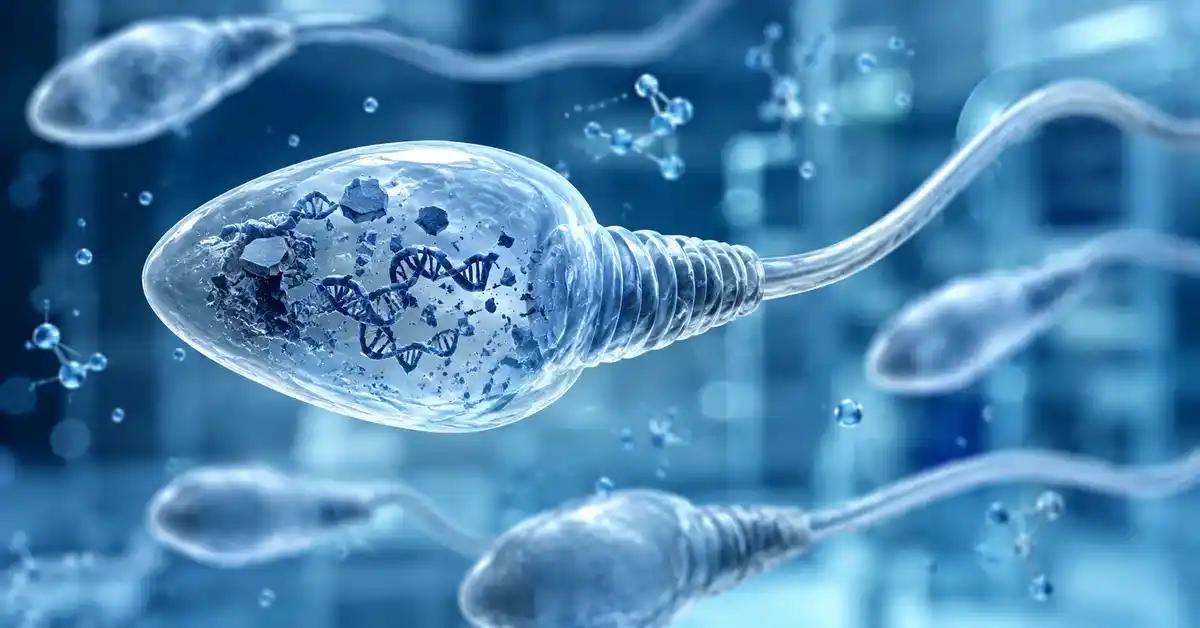
Sperm DNA fragmentation, often called SDF, refers to damage or breaks in the genetic material inside the sperm head. A semen analysis may look acceptable in terms of count, motility, and morphology, yet the sperm may still carry internal DNA damage that standard semen testing does not show. This is why SDF testing is sometimes discussed in unexplained infertility, failed IVF/ICSI, poor embryo development, or recurrent miscarriage.
SDF is important, but it should not be interpreted alone. A high result does not mean pregnancy is impossible, and it does not automatically mean the male partner is the only cause. At Fertiliv, sperm DNA fragmentation is evaluated together with female age, egg quality, ovarian reserve, embryo history, miscarriage history, semen analysis, varicocele, infection risk, and lifestyle factors.
What Is Sperm DNA Fragmentation?
Sperm DNA fragmentation means that the genetic material carried by sperm is damaged or broken. Sperm do more than swim toward the egg; they deliver half of the genetic instructions needed to create an embryo. For this reason, DNA integrity matters after fertilization and during embryo development.
A sperm cell may look normal under a microscope but still have DNA damage. Standard semen analysis cannot reliably measure this internal genetic quality. SDF testing may therefore add useful information in selected cases, especially when fertility outcomes do not match the basic semen report.
Why Semen Analysis Is Not Always Enough
Semen analysis measures volume, count, motility, morphology, and sometimes other basic parameters. These are essential, but they do not fully assess DNA integrity. Some men with normal semen parameters may still have high DNA fragmentation.
This does not mean every man needs SDF testing. It becomes more relevant in recurrent miscarriage, repeated IVF/ICSI failure, poor embryo development, varicocele, infections, heavy smoking, or unexplained infertility.
Is DNA Fragmentation A Genetic Disease?
SDF is not the same as having a known genetic disease or chromosomal abnormality. It usually refers to breaks or damage in sperm DNA, often linked to oxidative stress, heat, inflammation, varicocele, smoking, environmental exposures, or medical conditions.
However, because sperm DNA contributes to the embryo, high fragmentation may affect embryo development and pregnancy maintenance. It should be taken seriously, but without panic.
Read about: Male Infertility: Causes and Advanced Medical Solutions
How SDF Affects Fertilization
Fertilization may still occur even when sperm DNA fragmentation is high, especially with ICSI, where one sperm is injected directly into the egg. This means the problem may not appear at the fertilization stage. It may appear later as slow embryo division, poor blastocyst development, implantation failure, or miscarriage.
The egg has some ability to repair sperm DNA damage, but this repair capacity depends on egg quality, female age, and the extent of damage. If the damage is high or egg quality is reduced, repair may be less effective.
Fertilization Is Not The Whole Story
A positive fertilization result is only one step. The embryo must continue dividing, activate its own genetic program, reach a suitable stage, implant, and continue developing. If sperm DNA damage is significant, embryo development may stop even after fertilization occurs.
This is why SDF may be considered when fertilization happens but embryos repeatedly arrest or pregnancy does not continue. The issue may become visible after day three or during blastocyst development.
The Egg’s Repair Role
Eggs naturally carry mechanisms that may repair some sperm DNA damage after fertilization. However, this ability is not unlimited. Female age, ovarian reserve, and egg quality can influence how much damage can be repaired.
This explains why the same SDF result may have different clinical meaning in different couples. It must be interpreted in the context of the female partner’s fertility factors.
Read about: Male Sperm Weakness: Comprehensive Guide to Causes and Treatment
SDF And Recurrent Miscarriage
High sperm DNA fragmentation has been associated with recurrent pregnancy loss in some studies and guidelines. If embryos are created with sperm carrying significant DNA damage, early development or pregnancy maintenance may be affected. This does not mean every miscarriage is caused by sperm DNA, but it means the male factor should not be ignored.
Recurrent miscarriage has many possible causes, including female age, egg quality, uterine factors, chromosomal issues, thyroid disease, diabetes, immune factors, and other conditions. SDF testing should be part of a broader evaluation, not a replacement for it.
When Should The Male Factor Be Suspected?
The male factor should be considered when miscarriage is recurrent and unexplained, when IVF/ICSI has repeatedly failed, when embryos develop poorly, or when semen analysis is abnormal. It may also be considered in men with varicocele, infection, smoking, heat exposure, older paternal age, or chronic illness.
In these cases, saying that the semen analysis is normal may not be enough. SDF testing may help explain hidden sperm quality problems.
Can Treating SDF Prevent Miscarriage?
No treatment can guarantee miscarriage prevention. However, if a correctable cause is found—such as varicocele, infection, smoking, obesity, heat exposure, or oxidative stress—addressing it may improve sperm quality and possibly reduce risk.
The goal is to lower modifiable risks and improve embryo chances. SDF treatment should be combined with evaluation of other miscarriage causes.
Read about: Low Sperm Count: Genetic, Environmental Factors, and Treatment Options
Causes Of Sperm DNA Fragmentation
Sperm DNA fragmentation has many possible causes. One of the most important is oxidative stress, a condition in which harmful reactive molecules exceed the body’s antioxidant defenses. Sperm are particularly sensitive to oxidative stress because of their structure and DNA packaging.
Contributing factors may include smoking, obesity, diabetes, varicocele, infections, fever, heat exposure, pollution, poor sleep, stress, and some environmental toxins. Sometimes no clear cause is found, but lifestyle improvement and male evaluation may still help.
Varicocele
Varicocele is a common condition that may be linked to increased sperm DNA fragmentation. It can raise testicular temperature and increase oxidative stress, affecting sperm production and quality. Not every varicocele requires surgery, but varicocele with abnormal semen parameters or high SDF should be evaluated by a male fertility specialist.
The decision depends on varicocele grade, symptoms, semen analysis, female age, infertility duration, and the couple’s treatment plan. It should not be considered in isolation.
Smoking, Heat, And Lifestyle
Smoking, shisha, obesity, prolonged heat exposure, frequent sauna use, laptops on the lap, very tight clothing, poor sleep, and fever can negatively affect sperm quality. Fever or infection may increase SDF temporarily for several weeks.
Because sperm production takes time, lifestyle changes usually need at least two to three months before meaningful improvement can be seen.
Read about: Seminal Tract Obstruction: Causes, Diagnosis, And Surgical Sperm Retrieval Methods
When Should SDF Testing Be Considered?
SDF testing is not required for every couple at the first visit. It may be useful in unexplained infertility, repeated IVF/ICSI failure, poor embryo development, recurrent miscarriage, varicocele, recurrent infection, abnormal semen analysis, heavy smoking, or strong lifestyle risk factors.
It may also be considered when semen analysis appears normal but clinical results are poor. For example, if fertilization occurs but embryos arrest or pregnancies end early, SDF testing may provide additional insight.
Types Of SDF Tests
Several tests can measure sperm DNA fragmentation, including SCSA, TUNEL, Comet, and SCD or HALO. Each method measures DNA damage differently and has different thresholds. Results from different methods should not be compared casually.
Interpretation should be done by an experienced fertility team. The number alone is not enough; the couple needs to know whether the result is clinically significant and whether a correctable cause exists.
Should The Test Be Repeated?
Repeating the test may be useful after lifestyle changes or treatment of a possible cause. It may also be repeated if the first result was unexpected or performed soon after fever or infection. Sperm quality changes over time.
However, repeating the test without a plan is not helpful. The better approach is to identify modifiable factors, treat them, and then reassess.
Read about: The Effect of Heat and Medications on Sperm Quality
How Can SDF Be Reduced?
Reducing SDF starts with identifying the cause. Infection should be treated. Varicocele should be assessed. Smoking, heat exposure, obesity, poor sleep, diabetes, and other chronic conditions should be addressed. These steps may be central to improving sperm DNA quality.
Antioxidants may be recommended in selected cases, but they should be used as part of a medical plan rather than randomly. Supplements alone cannot replace diagnosis or correction of the underlying cause.
Lifestyle Improvement
Stopping smoking, reducing shisha or alcohol when relevant, improving weight, sleeping better, reducing heat exposure, exercising moderately, and eating a balanced diet may reduce oxidative stress. Anabolic steroids and bodybuilding hormones should be avoided because they may suppress sperm production.
Results are not immediate. Improvements may take weeks to months, so expectations should be realistic.
Treating Varicocele And Infection
If varicocele is clinically significant, the male fertility specialist may discuss treatment. If infection or inflammatory cells are present in semen, proper evaluation and treatment are needed. Random antibiotics without evidence are not recommended.
In some cases, treating the cause improves semen parameters and SDF. In others, SDF remains high and laboratory strategies during IVF/ICSI may be discussed.
Read about: Semen Analysis
IVF/ICSI Options When SDF Is High
High SDF does not always mean treatment must be canceled. Often, the plan includes improving male factors first and then choosing the right IVF/ICSI strategy. This may include shorter abstinence before sample collection, careful sperm selection, or laboratory selection techniques depending on availability and case details.
Some laboratories may use methods such as microfluidic sperm selection, PICSI, or advanced microscopic selection in selected cases. These techniques may help select better sperm, but they do not guarantee pregnancy and do not replace treating the cause.
Does ICSI Bypass SDF?
ICSI can bypass problems with sperm count, movement, or fertilization, but it does not remove DNA damage inside the sperm. Fertilization may occur, but high SDF may still affect embryo development or miscarriage risk.
This is why severe or persistent SDF should be addressed with both male treatment and laboratory planning, instead of relying on ICSI alone.
Testicular Sperm In Selected Cases
In highly selected non-azoospermic men with persistently high SDF in ejaculated sperm despite treatment, testicular sperm for ICSI may be discussed. The idea is that some DNA damage may occur during sperm transit, and testicular sperm may have lower fragmentation in selected cases.
This is not a first-line option and is not suitable for everyone. It requires counseling, male fertility evaluation, and a careful discussion of benefits, risks, cost, and alternatives.

Fertiliv’s Role In SDF Evaluation
Fertiliv evaluates sperm DNA fragmentation as part of a complete couple plan. The team reviews semen analysis, male medical history, varicocele, infection, lifestyle factors, female age, ovarian reserve, previous embryo development, and miscarriage history. This helps determine whether SDF is a central issue or part of a multifactorial problem.
The plan may include SDF testing, referral to a male fertility specialist, treatment of varicocele or infection, lifestyle optimization, repeat testing, or choosing an appropriate IVF/ICSI strategy. The goal is to improve fertilization, embryo development, and pregnancy chances as much as realistically possible.
Evaluating Both Partners
When embryo failure or miscarriage occurs, focusing on only one partner is not enough. Egg, sperm, uterus, and laboratory factors all affect outcomes. Fertiliv balances male and female evaluation.
This is especially important when female age is advanced or ovarian reserve is low, because egg repair capacity may be reduced. The plan should protect time while not ignoring the male factor.
A Personalized Plan
Not every elevated SDF result requires the same response. Mild elevation with otherwise favorable factors is different from severe elevation with recurrent miscarriage or embryo arrest. Treatment depends on severity, cause, history, and the couple’s goals.
Some couples may need lifestyle changes and retesting. Others may need male treatment or adjusted sperm selection during IVF/ICSI.
Read about: A Medical Roadmap to Enhancing Sperm Motility and Male Fertility
Conclusion
Sperm DNA fragmentation is an important marker of sperm genetic quality. It may affect fertilization, embryo development, implantation, and miscarriage risk. However, it is not a final diagnosis by itself and does not explain every case of infertility or pregnancy loss. It must be interpreted within a full evaluation of both partners.
Treatment depends on the cause: lifestyle improvement, infection treatment, varicocele assessment, chronic disease control, antioxidants when appropriate, and IVF/ICSI strategy adjustment when needed. Fertiliv helps couples understand the meaning of SDF results and build a realistic plan without exaggerated promises.
Frequently Asked Questions: Sperm DNA Fragmentation: What Is It And How Does It Affect Fertilization Success And Miscarriage?
Can SDF Prevent Fertilization?
Not always. Fertilization may occur, but embryo development, implantation, or miscarriage risk may be affected.
Can Semen Analysis Be Normal With High SDF?
Yes. Count, motility, and morphology may look acceptable while DNA fragmentation is elevated.
When Is SDF Testing Useful?
It may be useful in recurrent miscarriage, failed IVF/ICSI, poor embryos, unexplained infertility, varicocele, or abnormal semen.
Can SDF Improve?
It may improve when causes such as smoking, heat, infection, varicocele, or oxidative stress are addressed.
Does ICSI Solve High SDF?
ICSI helps fertilization but does not remove DNA damage. Male treatment and sperm selection strategies may still be needed.