
Ovarian Hyperstimulation Syndrome: Causes, Symptoms, And Prevention During IVF Treatment

Manar Hegazy

Majd Eddin Khaled
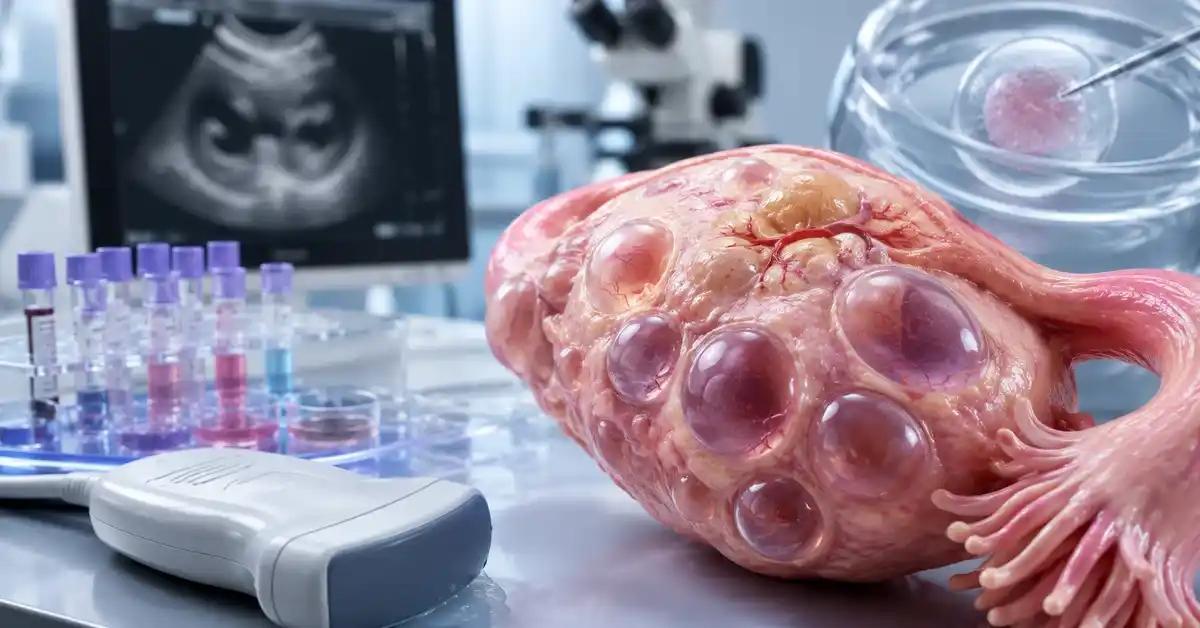
Ovarian hyperstimulation syndrome, or OHSS, is a possible complication of IVF or ICSI treatment. It happens when the ovaries respond too strongly to stimulation medications. The ovaries may enlarge, and fluid may shift from the bloodstream into the abdomen, causing bloating, pain, nausea, and in more serious cases, symptoms that require urgent medical care.
Although OHSS can sound frightening, modern IVF protocols have made prevention much safer and more effective. At Fertiliv, the risk of OHSS is assessed before treatment begins, especially in women with PCOS, high AMH, many follicles, or a previous strong response. The goal is not simply to collect many eggs, but to do so safely and with a personalized plan.
What Is Ovarian Hyperstimulation Syndrome?
OHSS is an excessive ovarian response to fertility medications used during ovarian stimulation. In a natural cycle, usually one follicle grows. In IVF, medications are used to grow several follicles so more eggs can be collected. In some women, the ovaries respond very strongly.
This response can lead to enlarged ovaries and changes in fluid balance. OHSS ranges from mild discomfort to severe illness. Mild symptoms may include bloating and nausea, while severe OHSS may involve rapid weight gain, vomiting, reduced urination, shortness of breath, or blood changes.
Why Does OHSS Happen During IVF?
OHSS develops because the ovaries are stimulated and then exposed to the trigger used for final egg maturation. In high responders, hCG can increase the signals that make blood vessels more permeable, allowing fluid to move into the abdomen.
OHSS can worsen if pregnancy occurs after a fresh embryo transfer because pregnancy produces hCG naturally. This is why doctors may recommend freezing all embryos and postponing transfer in high-risk cases.
Is OHSS Common?
Mild bloating and discomfort after stimulation or egg retrieval can be common, but this does not always mean dangerous OHSS. Moderate and severe OHSS are less common, especially in clinics using modern prevention strategies.
The key is knowing which symptoms are expected and which are warning signs. Patients at higher risk should leave the clinic with clear instructions after egg retrieval.
Read about: Weak Ovulation: A Clear Guide to Diagnosis and Treatment Options
Who Is At Higher Risk?
OHSS risk is higher in women who respond strongly to stimulation. Common risk factors include PCOS, high AMH, a high antral follicle count, younger age, previous OHSS, or a very high follicle response during the current cycle.
Having a risk factor does not mean OHSS will definitely happen. It means the doctor should choose the stimulation dose carefully, monitor the response closely, and adjust the plan if needed.
PCOS And High AMH
Women with PCOS often have many small follicles and may respond strongly to stimulation. High AMH may also suggest a high ovarian response. This can be helpful for egg numbers, but it requires careful planning to prevent overstimulation.
In such cases, the doctor may use lower starting doses, a GnRH antagonist protocol, closer monitoring, and a freeze-all plan if warning signs appear.
High Response During Treatment
Sometimes a patient does not seem high-risk before treatment, but the ovaries respond more strongly than expected during stimulation. Many growing follicles or rapidly rising markers may lead the doctor to change the plan.
Changing the plan is not a failure. It is good clinical monitoring. The doctor may adjust medications, change the trigger type, freeze all embryos, or postpone fresh transfer to protect the patient.
Read about: The Impact of Excess Weight on Reproductive Health: Understanding the Link Between Obesity and Fertility
Symptoms Of OHSS
Symptoms depend on severity. Mild OHSS may cause abdominal bloating, pelvic heaviness, mild pain, nausea, and small weight changes. These symptoms often appear after the trigger injection or egg retrieval.
More concerning symptoms include rapid weight gain, severe abdominal pain, persistent vomiting, marked bloating, reduced urination, dizziness, shortness of breath, or leg pain and swelling. These symptoms require prompt medical contact.
Mild Symptoms
Mild symptoms may be uncomfortable but are often manageable with follow-up. The patient may feel bloated or heavy, especially after many eggs are retrieved. The doctor may advise appropriate fluids, rest, monitoring weight, and avoiding strenuous activity.
Symptoms should improve gradually. If they worsen instead, the patient should contact the clinic.
Warning Signs
Urgent medical advice is needed for severe pain, vomiting that prevents drinking, rapid weight gain, shortness of breath, reduced urination, faintness, or leg swelling and pain. These may indicate more significant fluid shift, blood concentration, or clot risk.
Clear instructions help patients act early instead of waiting until symptoms become severe.
Read about: The Hidden Link Between Thyroid Function and Fertility: A Complete Clinical Guide
Degrees Of OHSS
OHSS may be classified as mild, moderate, or severe. Mild OHSS usually involves bloating, mild pain, and nausea. Moderate OHSS may include more significant swelling, vomiting, and fluid seen on ultrasound. Severe OHSS may involve blood changes, reduced urination, breathing difficulty, or need for hospitalization.
Classification matters because it guides monitoring and treatment. Not every case requires hospital care, but not every case should be managed at home. The decision depends on symptoms, examination, ultrasound, blood tests, and general condition.
When Home Monitoring May Be Enough
If symptoms are mild, the patient can drink, eat, urinate normally, and pain is controlled, home monitoring may be enough. The doctor may ask the patient to track weight, urine, pain, and symptom changes.
Home monitoring still requires clear communication. The patient should know when to call the clinic.
When Hospital Care Is Needed
Hospital care may be needed for severe vomiting, dehydration, reduced urination, breathing symptoms, severe pain, abnormal blood tests, significant fluid accumulation, or clot suspicion. In hospital, fluids, blood monitoring, urine monitoring, and treatment of complications can be provided.
Severe OHSS is less common with modern prevention, but it must be taken seriously when it occurs.

Prevention Before And During IVF
OHSS prevention starts before stimulation. The doctor reviews age, AMH, antral follicle count, PCOS history, and previous response. Based on this, the starting dose and protocol are chosen.
During treatment, ultrasound and hormone monitoring help assess follicle number and growth. If the ovaries respond too strongly, the plan can be adjusted. A personalized protocol is safer than a fixed protocol for every patient.
Choosing The Right Dose
Higher medication doses are not always better. Women with high AMH or PCOS may respond strongly to low or moderate doses. The goal is to collect a good number of mature eggs without unnecessary risk.
A careful dose supports both safety and treatment quality.
GnRH Antagonist Protocol
GnRH antagonist protocols are commonly used in IVF and are especially useful in higher-risk patients because they allow the use of a GnRH agonist trigger when needed. This can reduce OHSS risk compared with hCG trigger in high responders.
The best protocol depends on the patient’s ovarian reserve, history, and response during treatment.
Read about: PCOS Treatment to Improve Fertility and Support Pregnancy Chances
The Role Of The Trigger Shot
The trigger shot prepares eggs for retrieval. hCG trigger is effective but can increase OHSS risk in high responders. In suitable antagonist cycles, a GnRH agonist trigger may be used to reduce risk.
This decision affects egg retrieval timing, luteal support, and whether fresh transfer is safe. The trigger type should be chosen by the doctor based on the full response.
GnRH Agonist Trigger
GnRH agonist trigger can be an important prevention strategy in high-risk patients, especially when combined with freezing all embryos. It reduces prolonged stimulation that may occur with hCG.
It is not used the same way in every protocol. The decision depends on the stimulation plan and follicle response.
Freeze-All Strategy
When OHSS risk is high, freezing all embryos and postponing embryo transfer can be one of the most important safety steps. Pregnancy after fresh transfer can increase natural hCG and worsen OHSS. A freeze-all plan allows the body to recover before transfer.
This may be disappointing for patients expecting immediate transfer, but it is often safer. Postponing transfer is not failure; it is prevention.
Read about: Endometriosis And Pregnancy: Is Natural Conception Possible Or Is IVF Necessary?
Medications And Additional Prevention
The doctor may use additional medications in selected high-risk patients, such as cabergoline, which may reduce vascular permeability. Other strategies include dose adjustment, closer monitoring, and canceling fresh transfer.
Prevention should not rely on one medication alone. The best protection comes from early risk recognition, the right protocol, correct trigger choice, and freeze-all when needed.
Cabergoline
Cabergoline may be prescribed for some high-risk patients around the time of trigger or after retrieval. It should not be used without medical instruction because dose, timing, and suitability depend on the case.
It may reduce risk, but it does not make the risk zero. Monitoring remains important.
Monitoring After Egg Retrieval
After egg retrieval, especially when many eggs were collected, symptoms should be followed. The doctor may request a visit, ultrasound, or blood tests if warning signs appear.
Post-retrieval care is part of prevention because OHSS may appear or worsen several days after egg collection.
Read about: Uterine Fibroids And Fertility: When Do They Affect Pregnancy And How Are They Treated?
Does OHSS Affect IVF Success?
OHSS does not necessarily mean egg or embryo quality is poor. In fact, it often occurs in high responders who produce many eggs. However, patient safety becomes the priority, and fresh embryo transfer may be postponed.
If good embryos are frozen, they can be transferred later in a safer cycle. The plan may change from fresh transfer to freeze-all without losing the treatment opportunity.
Does Freezing Reduce Pregnancy Chance?
Embryo freezing is widely used in modern IVF. In high-risk OHSS patients, freezing allows embryo transfer when the body and endometrium are more stable.
The decision depends on embryo quality, uterine preparation, and the medical plan. Safety should not be sacrificed for a fresh transfer.
Why Fresh Transfer Is Not Always Best
Fresh transfer is suitable for many patients, but not all. In high OHSS risk, pregnancy can worsen the condition. Delaying transfer may be the safest choice.
At Fertiliv, patients are informed clearly that freeze-all is a protective strategy, not a failure of treatment.
Read about: Chronic Diseases And Fertility: How Can You Achieve Parenthood Despite Health Challenges?
What Should Patients Do If Symptoms Appear?
If mild bloating or discomfort appears after retrieval, the patient should follow the clinic’s instructions and monitor symptoms. If symptoms worsen quickly or warning signs appear, the clinic should be contacted immediately.
Patients should not take diuretics, random medications, or home remedies without medical advice. Incorrect treatment may worsen dehydration or blood concentration.
Monitoring Weight And Urination
The doctor may ask high-risk patients to monitor daily weight and urination. Rapid weight gain or reduced urine may suggest fluid shift. This information helps the doctor decide whether the patient needs assessment.
Monitoring is not meant to cause anxiety. It helps detect worsening early.
Avoiding Strenuous Activity
After stimulation, the ovaries may be enlarged and sensitive. The doctor may recommend avoiding intense exercise, sudden twisting movements, or intercourse for a period of time. This may reduce pain and the risk of ovarian torsion.
Instructions vary by case, so patients should follow their doctor’s advice.
Read about: Blocked Fallopian Tubes: Is It The End Of The Motherhood Dream?
Fertiliv’s Role In OHSS Prevention
Fertiliv treats OHSS as a risk that can often be reduced through planning. The process begins with ovarian reserve assessment, PCOS review, previous response, and follicle count. A suitable protocol and dose are then chosen.
If a high response appears during treatment, the plan may be adjusted through trigger choice, freeze-all strategy, or postponing transfer. The goal is not the highest possible egg number, but a safe and successful treatment path.
Personalized Protocols
Every patient responds differently. A patient with PCOS is not managed like a patient with low ovarian reserve. A patient with previous OHSS needs extra caution. Fertiliv uses personalized planning rather than a one-size-fits-all protocol.
This approach supports safety and improves the patient’s experience during IVF.
Clear Patient Education
Prevention also depends on patient understanding. When the patient knows why the dose is adjusted, why the trigger is changed, or why embryos are frozen, the plan becomes less stressful.
Fertiliv aims to make patients partners in the plan, not only recipients of instructions.
Read about: Premature Ovarian Insufficiency (POF): Causes, Symptoms, And Medically Available Fertility Options
Conclusion
Ovarian hyperstimulation syndrome is a possible complication of IVF, especially in high responders such as some women with PCOS or high AMH. Symptoms may be mild, such as bloating and nausea, or more serious, such as severe pain, rapid weight gain, reduced urination, or shortness of breath. It should be taken seriously without unnecessary fear.
Prevention depends on risk assessment, individualized medication doses, safe protocols, close monitoring, the right trigger choice, cabergoline when appropriate, and freeze-all when needed. Fertiliv helps patients undergo IVF with a safer plan that protects health while preserving pregnancy chances.
Frequently Asked Questions: Ovarian Hyperstimulation Syndrome: Causes, Symptoms, And Prevention During IVF Treatment
Is OHSS Always Dangerous?
No. Many cases are mild, but moderate or severe OHSS requires medical follow-up and sometimes hospital care.
Who Is At Higher Risk Of OHSS?
Women with PCOS, high AMH, many follicles, previous OHSS, or strong ovarian response are at higher risk.
Is Freeze-All Necessary In High OHSS Risk?
It may be recommended to prevent worsening symptoms after pregnancy or fresh embryo transfer.
What Are Warning Symptoms After Egg Retrieval?
Severe pain, persistent vomiting, rapid weight gain, reduced urination, shortness of breath, dizziness, or leg swelling.
Can OHSS Be Prevented?
Risk can be reduced with individualized dosing, safer protocols, close monitoring, appropriate trigger choice, and freeze-all when needed.