
Fertility Diet for Men and Women: How Food May Support Conception

Manar Hegazy

Majd Eddin Khaled
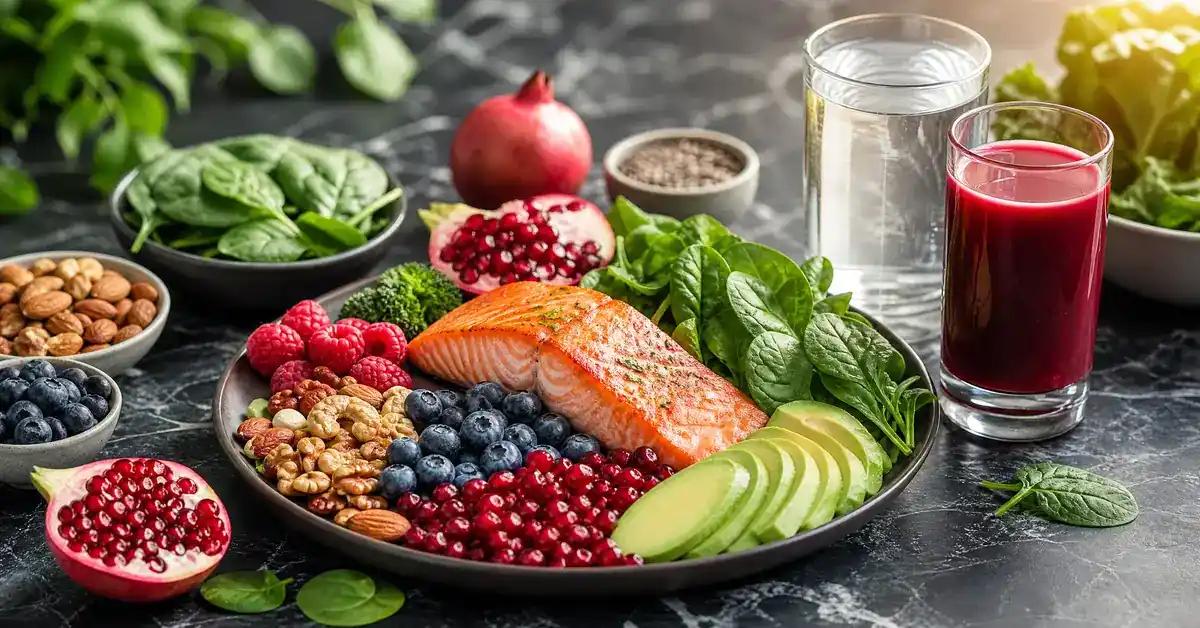
A fertility diet is not a strict plan or a magical list of foods that guarantees pregnancy. It is a balanced eating pattern that supports hormones, ovulation, sperm quality, healthy weight, insulin sensitivity, and inflammation control. For both women and men, the most consistently discussed pattern is close to a Mediterranean-style diet rich in vegetables, fruits, whole grains, legumes, nuts, olive oil, and low-mercury fish.
What a fertility diet really means
A fertility diet means choosing nutrient-dense foods most of the time while reducing sugary drinks, ultra-processed foods, trans fats, and frequent fast food. The goal is not to change fertility overnight, but to improve the body’s reproductive environment over several weeks or months.
Can food alone treat infertility?
No. Diet cannot open blocked tubes, reverse severe low ovarian reserve, treat azoospermia, or remove uterine problems. However, it can be an important supportive factor when weight, insulin resistance, ovulation, semen quality, or inflammation are part of the picture.
Why Mediterranean-style eating is often recommended
Mediterranean-style eating is rich in fiber, antioxidants, unsaturated fats, and anti-inflammatory foods. Reviews suggest possible associations with better fertility markers or assisted reproduction outcomes in selected groups, although results are not consistent enough to present it as a guaranteed fertility treatment.
Best Foods to Support Female Fertility and Pregnancy Preparation
Nutrition before pregnancy should support stable blood sugar, ovulation, endometrial health, and early pregnancy needs. Consistency matters more than short-term changes made only around ovulation or embryo transfer.
Leafy greens, legumes, and folate-rich foods
Leafy greens, lentils, beans, chickpeas, broccoli, avocado, and citrus fruits provide folate, fiber, and minerals. Still, food alone may not be enough; preconception guidance commonly recommends a prenatal vitamin containing at least 400 micrograms of folic acid daily, starting at least one month before pregnancy when possible.
Whole grains instead of refined carbohydrates
Oats, bulgur, brown rice, whole-grain bread, and quinoa support steadier blood sugar than sweets, white pastries, and sweetened juices. This may be especially relevant in PCOS, insulin resistance, and ovulation irregularity.
Healthy fats for hormones and inflammation balance
Olive oil, nuts, seeds, avocado, and low-mercury fish provide healthier fats. Low-mercury fish also supplies omega-3 fats and nutrients such as iodine and choline, which are important around pregnancy planning.
Best Foods to Support Male Fertility and Sperm Quality
Male fertility depends on sperm count, movement, shape, DNA integrity, and overall reproductive health. Diet may help by reducing oxidative stress and supporting testicular function, especially when lifestyle factors are not ideal.
Fish, nuts, and olive oil for semen quality
A diet rich in fish, olive oil, nuts, vegetables, and fruits has been associated in several studies with better semen parameters such as sperm concentration, count, and motility. However, better semen numbers do not always guarantee pregnancy, so abnormal semen results still need medical evaluation.
Natural antioxidants from fruits and vegetables
Berries, citrus fruits, tomatoes, peppers, leafy greens, carrots, and pomegranate provide antioxidants that may help protect cells from oxidative stress. This is relevant because sperm are sensitive to smoking, heat, inflammation, and oxidative damage.
Better protein choices and fewer processed meats
Good protein choices include fish, eggs, poultry, legumes, yogurt, and moderate dairy. Processed meats and high-fat fast foods should be limited. Diets high in saturated fats, high-glycemic carbohydrates, and low-quality processed foods have been linked with poorer fertility-related patterns in reviews.
Read about: Modern Fertility Treatments for Men and Women: Transform Your Parenthood Dreams
Best Drinks for Fertility and What to Limit
Drinks can support or weaken a fertility plan depending on what they contain. Sugary drinks, energy drinks, excess caffeine, and alcohol can add calories, affect sleep, and reduce overall diet quality.
Water as the main fertility-friendly drink
Water should be the main daily drink because it hydrates without sugar or calories. Mint, lemon, cucumber, or berries can be added for flavor instead of relying on sweetened juices or soda.
Coffee and tea in moderation
Caffeine does not need to be completely avoided by everyone trying to conceive. Moderate intake, such as one to two cups of coffee per day or equivalent, has not shown clear adverse effects on fertility or pregnancy outcomes in general guidance. The key is avoiding excess and counting caffeine from tea, cola, chocolate, and energy drinks.
Limiting alcohol, sweetened drinks, and energy drinks
When trying to conceive, reducing alcohol is the safer approach, and alcohol should be avoided once pregnancy is possible or confirmed. Sweetened drinks and energy drinks should also be limited because they add sugar and stimulants without meaningful fertility benefits.

A Practical Fertility-Friendly Daily Meal Plan
A fertility diet should be realistic, affordable, and sustainable. Couples do not need rare foods; they need regular meals built around vegetables, protein, whole grains, healthy fats, and fewer added sugars.
Fertility-friendly breakfast ideas
Good breakfast options include eggs with vegetables and whole-grain bread, natural yogurt with oats, nuts, and fruit, or beans/chickpeas with olive oil and salad. The aim is protein, fiber, and healthy fat instead of sugary pastries or sweet drinks.
Balanced lunch for women and men
A balanced plate can include half vegetables, one quarter protein, and one quarter whole-grain carbohydrates or potatoes, with olive oil or nuts for healthy fats. This supports fullness, energy, and blood sugar balance.
Light dinner and supportive drinks
Dinner may include lentil soup, salad with low-mercury fish, yogurt with seeds, or chicken with vegetables. Heavy late meals may disturb sleep and digestion, while water or mild herbal tea can replace soda.
Read about: Do Natural Fertility Vitamins Really Boost Your Chances of Conception?
Foods and Drinks to Be Careful With When Trying to Conceive
The goal is not perfection, but reducing foods that worsen diet quality, inflammation, weight control, and blood sugar. The more space taken by ultra-processed foods, the less room remains for nutrients needed before pregnancy.
Trans fats, fried foods, and frequent fast food
Frequent fried foods, packaged pastries, industrial snacks, and fast food often contain low-quality fats, excess calories, and little nutritional value. Reviews link diets high in saturated fats and high-glycemic carbohydrates with poorer fertility-related patterns.
High-mercury fish and unsafe foods
Fish can be helpful, but people who may become pregnant should choose low-mercury options. Current fish advice recommends two to three servings per week from lower-mercury choices and avoiding high-mercury fish. Raw or undercooked meat and seafood should also be avoided when pregnancy is possible.
Extreme dieting and under-eating
Severe calorie restriction, rapid weight loss, or removing entire food groups without medical need can disturb cycles, energy, and hormone balance. A gradual, medically appropriate approach is safer than aggressive dieting.
Read about: The Best Foods to Naturally Boost Fertility in Men and Women
Fertiliv’s Approach to Fertility Nutrition Before Pregnancy and IVF
At Fertiliv, nutrition advice is individualized. A woman with PCOS may need a different plan from a woman with low ovarian reserve, and a man with abnormal semen parameters may need different guidance from a man with normal results.
Assessing weight and hormones before diet planning
If excess weight, insulin resistance, or PCOS is part of the problem, nutrition can be very important. If age or ovarian reserve is time-sensitive, diet improvement should support treatment rather than delay it.
Choosing preconception supplements when needed
Folic acid is important before pregnancy, and some patients may need vitamin D, iron, B12, iodine, or omega-3 depending on diet and test results. Supplements should be targeted rather than taken randomly in large combinations.
Combining fertility diet with proper medical treatment
If infertility is caused by blocked tubes, azoospermia, severe low ovarian reserve, uterine cavity disease, or a genetic condition, diet alone is not enough. Nutrition supports the body while medical treatment targets the real cause.
Read about: Natural Fertility Treatments: Effective Solutions to Increase Pregnancy Chances
Conclusion
The best fertility diet for women and men is a balanced Mediterranean-style pattern: daily vegetables and fruits, whole grains, legumes, nuts, olive oil, good protein, and low-mercury fish, while limiting sugary drinks, fast food, trans fats, ultra-processed foods, and alcohol. This pattern may support ovulation, sperm quality, healthy weight, and overall reproductive health, but it does not guarantee pregnancy or replace medical evaluation.
Frequently Asked Questions: Fertility Diet and Foods for Conception
What is the best diet for fertility?
A Mediterranean-style diet is a strong general choice because it is rich in vegetables, fruits, whole grains, legumes, nuts, olive oil, and fish.
Are there foods that guarantee pregnancy?
No. No food guarantees pregnancy, but healthy nutrition can support ovulation, sperm quality, weight, and treatment preparation.
What is the best drink for fertility?
Water is the best main drink. Coffee and tea can be taken in moderation, while sugary drinks and energy drinks should be reduced.
Are nuts good for sperm quality?
They may help as part of a balanced diet because they provide healthy fats, minerals, and antioxidants, but they are not a substitute for medical care.
Should coffee be stopped when trying to conceive?
Not necessarily. Moderate intake is generally acceptable, but excess caffeine should be avoided.