
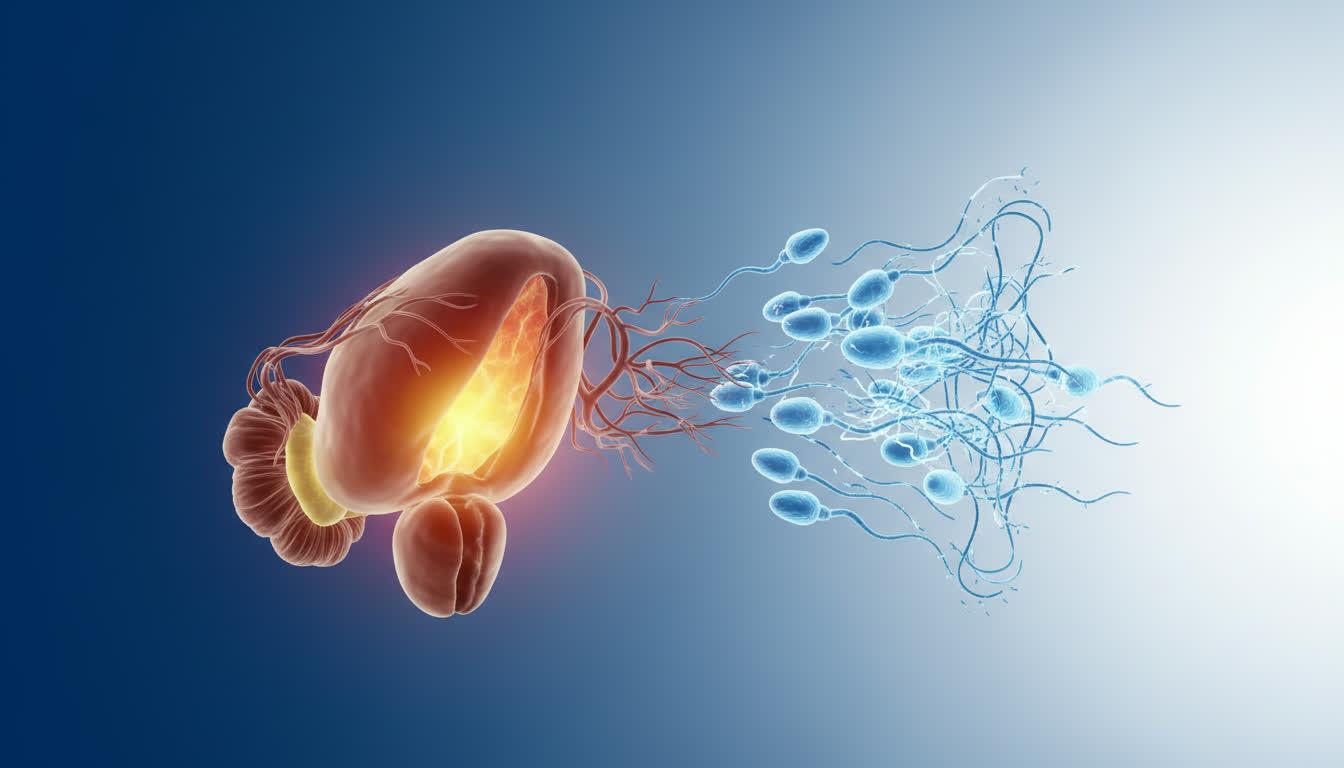
Chronic Prostatitis and Its Impact on Fertility: What You Need to Know

Manar Hegazy

Majd Eddin Khaled
Chronic prostatitis is a common condition affecting millions of men worldwide and may have a significant impact on fertility and reproduction. At Fertiliv IVF Center, we see many men suffering from chronic prostatitis seeking solutions to improve their fertility. This article provides comprehensive information about chronic prostatitis and its impact on reproduction.
What is Chronic Prostatitis?
Chronic prostatitis is a long-term inflammation of the prostate gland. The prostate is a small gland located below the bladder that produces seminal fluid that carries sperm.
Definition of the Condition and the Difference Between It and Acute Inflammation
Acute prostatitis occurs suddenly and causes severe symptoms. Chronic prostatitis lasts more than 3 months and causes milder but continuous symptoms. Chronic prostatitis may be bacterial or non-bacterial. The non-bacterial type is more common and is also called chronic pelvic pain syndrome.
Why Diagnosis and Treatment Can Be Challenging
Diagnosing chronic prostatitis can be difficult because symptoms may be nonspecific. It may be difficult to determine the exact cause of inflammation. Treatment may take a long time and may not give quick results. Some men may not respond to the first treatment and need to try different treatments.
How Does Chronic Prostatitis Affect Male Fertility?
Chronic prostatitis may affect fertility in several different ways. Understanding these effects is important for taking the right steps for treatment.
Effect on Semen Quality (Viscosity, Acidity)
The prostate produces a large part of seminal fluid. When inflamed, it may affect the quality of seminal fluid. Inflammation may change the viscosity of seminal fluid. Inflammation may change the acidity of seminal fluid which affects sperm motility.
Effect on Sperm Motility and Count
Prostatitis may reduce sperm count. Inflammation may reduce sperm motility. Inflammation may increase sperm abnormalities. These effects may make it difficult for sperm to reach and fertilize the egg.
Possibility of Causing Obstruction of Ejaculatory Ducts
In severe cases, prostatitis may cause obstruction of the ejaculatory ducts. This may prevent sperm from being ejaculated at all. The obstruction may be partial or complete. In this case, surgical intervention may be needed.
Symptoms of Chronic Prostatitis You May Overlook
Symptoms of chronic prostatitis may be mild and many may overlook them. It is important to know the symptoms to diagnose the condition early.
Recurring Pain in the Pelvic Area or Genitals
Pain may be in the pelvic area or between the testicle and anus. Pain may be continuous or intermittent. Pain may increase after ejaculation or prolonged sitting. Pain may affect quality of life and sexual relationships.
Urinary Problems and Pain During Ejaculation
You may feel a frequent urge to urinate especially at night. You may feel pain or burning during urination. You may feel pain during ejaculation. There may be a delay in starting urination. These symptoms may affect daily and sexual life.
Diagnosis and Treatment of Chronic Prostatitis
Early diagnosis and appropriate treatment are very important to improve fertility and maintain quality of life.
Clinical Examination and Urine and Semen Analysis
The doctor may perform a clinical examination of the prostate. Urine analysis may reveal the presence of bacteria or white blood cells. Semen analysis may reveal the effect on semen quality. The doctor may also request an ultrasound of the prostate. Contact the Fertiliv team for a comprehensive evaluation.
Treatment Options: Antibiotics, Anti-inflammatory Drugs, and Lifestyle Changes
If the inflammation is bacterial, the doctor may recommend antibiotics. Anti-inflammatory drugs may help relieve pain and inflammation. Lifestyle changes such as avoiding spicy foods and caffeine may help. Relaxation exercises and stress reduction may also help. Treatment may take several weeks or months.
Tips for Living with the Condition and Improving Chances of Conception
Living with chronic prostatitis can be difficult, but there are steps you can take to improve the condition and fertility.
Importance of Continuous Medical Follow-up
Regular follow-up with the doctor is very important to assess treatment progress. The doctor may need to adjust treatment if symptoms do not improve. Periodic semen analysis may help monitor the effect of inflammation on fertility. Follow-up may help detect complications early.
Lifestyle Modifications That May Help Relieve Symptoms and Improve Fertility
Avoiding spicy foods, caffeine, and alcohol may help relieve symptoms. Drinking plenty of water may help relieve symptoms. Practicing relaxation exercises such as yoga and meditation may help reduce stress. Avoiding prolonged sitting may help relieve pain. Maintaining regular sexual activity may help improve fertility.
Chronic prostatitis may affect fertility, but there are multiple treatment options available. Early diagnosis and appropriate treatment may help improve fertility and maintain quality of life. Lifestyle changes and continuous medical follow-up are very important.
If you are experiencing symptoms of prostatitis or facing fertility problems, contact the Fertiliv team via WhatsApp for specialized consultation and a comprehensive treatment plan.