
Abnormal Sperm Morphology: When Is ICSI Needed?

Manar Hegazy

Majd Eddin Khaled
Abnormal sperm morphology is a common semen analysis finding, yet it is also one of the most misunderstood male fertility results. Many couples assume that poorly shaped sperm automatically means natural pregnancy is impossible. In reality, sperm shape is important, but it is only one part of the fertility picture. Sperm count, motility, semen volume, the couple’s fertility history, female age, and the duration of delayed pregnancy all matter when deciding the next step.
At Fertiliv, abnormal sperm morphology is never interpreted in isolation. The real question is not simply whether sperm look abnormal, but whether those abnormalities significantly reduce the chance of natural conception, whether there are treatable causes, and whether ICSI offers a more efficient path to pregnancy. Understanding that difference helps couples move from fear to a clear, medically sound plan.
What Abnormal Sperm Morphology Means in Semen Analysis
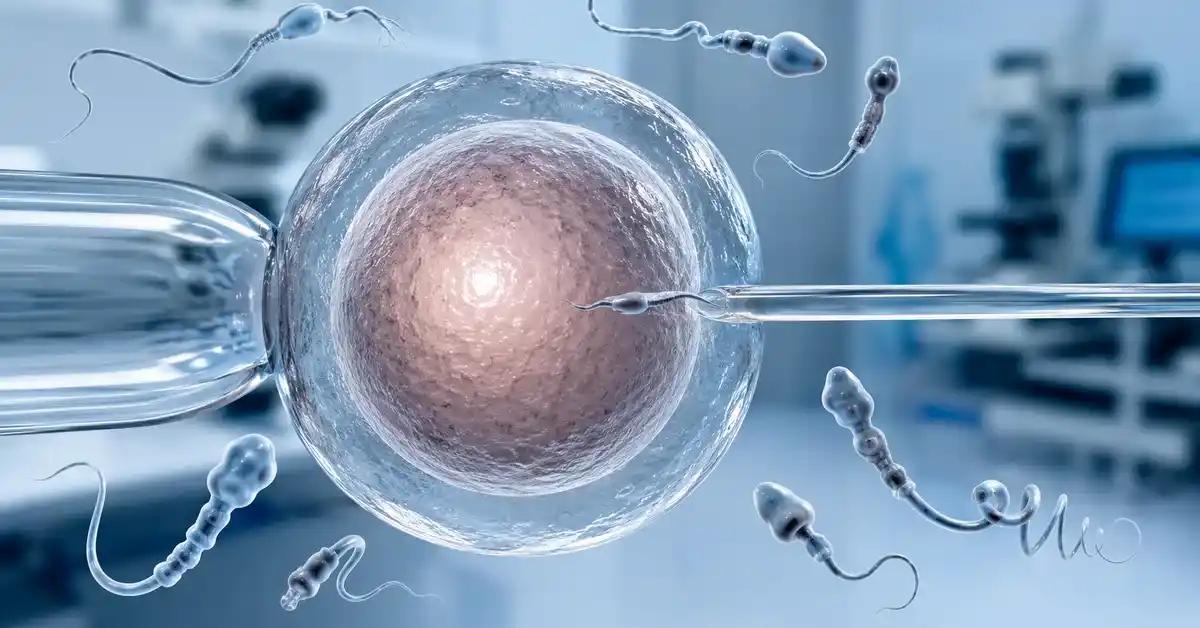
Abnormal sperm morphology means that a significant proportion of sperm show structural defects in the head, midpiece, or tail. These shape changes may affect how sperm move, how they reach the egg, or how they penetrate it. However, semen samples naturally contain a mixture of normal and abnormal sperm forms, so the presence of abnormal forms alone does not automatically define infertility.
How abnormal sperm morphology is evaluated in semen analysis
In the laboratory, sperm morphology is assessed under the microscope using strict criteria. Specialists examine head symmetry, midpiece structure, and tail appearance to determine how many sperm meet normal standards. A poor morphology result becomes more meaningful when it is severe or when it appears alongside low count, weak motility, or a long history of delayed pregnancy.
Does abnormal sperm morphology always mean infertility?
No. Abnormal sperm morphology does not automatically mean infertility. Some men with reduced morphology still achieve natural pregnancy, especially when other semen parameters are acceptable and there are no major female fertility factors. In other men, abnormal morphology is part of a broader sperm quality problem, and that is when fertility support becomes more important.
Causes of Abnormal Sperm Morphology and Their Effect on Fertility
Abnormal sperm morphology may result from medical conditions, lifestyle factors, environmental exposures, or a combination of several influences. This is why identifying the cause is just as important as reading the semen analysis itself.
What medical conditions can cause abnormal sperm morphology?
Common medical causes include varicocele, genital tract inflammation, hormonal imbalance, long-term heat exposure around the testes, certain chronic illnesses, and some genetic factors. Previous illnesses, metabolic disorders, or conditions that affect testicular function can also reduce semen quality and increase the percentage of abnormal sperm forms.
How smoking, heat, obesity, and stress affect sperm shape
Lifestyle has a major effect on semen quality. Factors that may worsen sperm morphology include:
- Smoking and oxidative stress
- Obesity and its hormonal effects
- Frequent heat exposure around the testes
- Poor sleep and chronic stress
- Unbalanced nutrition and low micronutrient intake
These factors do not mean every case can be fully reversed, but in mild to moderate situations, improving them may support better sperm quality over time.
Read about: Male Infertility: Causes and Advanced Medical Solutions
Diagnosing Abnormal Sperm Morphology and Understanding Semen Analysis Results
A single semen analysis should not always be the final word, because sperm quality may be affected by temporary issues such as fever, recent illness, stress, abstinence timing, or sample collection conditions. A proper diagnosis often requires repeating the analysis and placing the result into the wider clinical picture.
When semen analysis is needed in delayed pregnancy
Semen analysis is usually requested when pregnancy has not occurred after an appropriate period of trying, or when there is a known male factor risk such as varicocele, prior testicular surgery, genital infections, or ejaculation problems. It becomes even more important when time matters, especially if the female partner’s age makes prolonged delay less acceptable.
What tests may complement abnormal sperm morphology evaluation?
Depending on the case, the doctor may recommend:
- Repeating the semen analysis
- Clinical examination of the testes and spermatic cord
- Evaluation for varicocele
- Hormonal testing when indicated
- Assessment for inflammation or infection
- Review of medications and lifestyle habits
These steps help clarify whether poor morphology is an isolated issue or part of a broader male fertility problem.

Can Abnormal Sperm Morphology Be Treated Before ICSI?
Before moving directly to ICSI, many couples benefit from treating reversible causes when that is realistic and when time allows. This is especially true if the female partner is younger, pregnancy has not been delayed for too long, and there are no major additional fertility obstacles.
How treatment of abnormal sperm morphology is approached
Treatment depends on the underlying cause. It may include addressing genital infections, managing varicocele when appropriate, improving metabolic or hormonal health, adjusting harmful habits, or correcting lifestyle factors. Since sperm production takes time, improvement usually requires patience and a follow-up plan rather than expecting immediate change.
Do supplements and lifestyle improvement help sperm morphology?
Lifestyle improvement and carefully selected supplements may support semen quality, but they are not instant solutions. A structured plan often includes:
- Stopping smoking
- Reducing excess weight
- Limiting heat exposure
- Improving diet and sleep
- Using physician-directed supplements
- Repeating semen analysis after a suitable interval
If results improve and the couple’s overall fertility profile is reassuring, natural conception or a lower-level fertility approach may still be reasonable.
Read about: Male Sperm Weakness: Comprehensive Guide to Causes and Treatment
When ICSI Becomes the Best Option for Abnormal Sperm Morphology
ICSI is not recommended only because the sperm morphology result looks abnormal. It becomes more relevant when natural pregnancy chances are low, when other semen parameters are also poor, or when the couple cannot afford a long period of trial and error.
Which abnormal sperm morphology cases make ICSI more appropriate?
ICSI is often considered the better option when:
- Sperm morphology abnormalities are severe
- Morphology problems are combined with low count or poor motility
- Pregnancy has been delayed despite treatment and lifestyle correction
- Female age or ovarian reserve makes time especially valuable
- The female partner also has additional fertility factors
- Simpler approaches are unlikely to offer a strong chance
In these situations, ICSI helps bypass problems related to sperm reaching or fertilizing the egg naturally.
Is intrauterine insemination suitable, or is ICSI better for abnormal sperm morphology?
This depends on the severity of the abnormality and the full fertility picture. If morphology issues are mild and other semen parameters are acceptable, a simpler approach may sometimes be discussed. But when abnormal sperm morphology is significant or accompanied by reduced count or motility, ICSI often becomes more precise and more efficient because it allows direct sperm selection and fertilization support.
Read about: Low Sperm Count: Genetic, Environmental Factors, and Treatment Options
Pregnancy Chances with Abnormal Sperm Morphology and How to Choose the Right Time for ICSI
The decision to move to ICSI should not be too early without reason, and it should not be delayed so long that valuable reproductive time is lost. The best timing comes from balancing male factor findings with female age, ovarian reserve, pregnancy history, and the couple’s overall fertility timeline.
How female age and other fertility factors affect the ICSI decision
Even when the main concern is abnormal sperm morphology, the female partner’s age, ovulation status, ovarian reserve, uterine health, and tubal factors remain central. A moderate sperm morphology problem may still justify ICSI if female age makes time limited. On the other hand, if the female partner is younger and the rest of the fertility picture is reassuring, there may be space for treatment and observation before moving to ICSI.
How to prepare for ICSI with abnormal sperm morphology
Preparation includes understanding the treatment plan, completing necessary tests for both partners, improving lifestyle before treatment, and coordinating semen preparation with egg retrieval. It is also important for couples to know that ICSI success does not depend on sperm morphology alone. Egg quality, female age, embryology laboratory quality, embryo development, and overall treatment planning all play major roles.
Read about: Seminal Tract Obstruction: Causes, Diagnosis, And Surgical Sperm Retrieval Methods
Conclusion
Abnormal sperm morphology does not always eliminate the chance of natural pregnancy, but it is also not a result that should be ignored or oversimplified. The right decision starts with understanding how severe the morphology problem is, whether treatable causes are present, whether other semen parameters are affected, and how all of this fits with female age, infertility duration, and the couple’s broader fertility profile. In many cases, ICSI becomes the most appropriate option when sperm abnormalities are severe, when they are combined with other male factor issues, or when time is too valuable for prolonged low-yield attempts. If you are dealing with abnormal sperm morphology and want to know whether conservative treatment is still reasonable or whether it is time for ICSI, you can contact the Fertiliv team directly via WhatsApp for a clear evaluation and a focused treatment plan.
Frequently Asked Questions About Abnormal Sperm Morphology and ICSI
Does abnormal sperm morphology completely prevent natural pregnancy?
No. Mild or moderate morphology issues do not always block natural pregnancy, especially when count and motility are acceptable.
Is one semen analysis enough to diagnose abnormal sperm morphology?
Often no. Repeating the test may be useful because semen quality can vary over time and may be influenced by temporary factors.
Can abnormal sperm morphology be treated without ICSI?
Yes, in some cases. Treatable causes, lifestyle correction, and time-based reassessment may improve the fertility picture.
When does ICSI become better than waiting?
When morphology problems are severe, combined with low count or poor motility, or when female age and time make prolonged waiting less suitable.
Does ICSI success depend only on sperm shape?
No. Female age, egg quality, ovarian response, embryo quality, and laboratory performance are also critical.