When Is ICSI Recommended? Appropriate and Necessary Cases

Manar Hegazy

Majd Eddin Khaled
Intracytoplasmic sperm injection (ICSI) using advanced microinjection technique is considered one of the most prominent and important medical solutions for treating severe male infertility cases. While conventional IVF is used in many different cases, ICSI technique is used when there are clear difficulties and specific problems with sperm that prevent natural fertilization even in the controlled laboratory environment. In this comprehensive article, we will explain exactly when ICSI technique is recommended, what are the most important medical cases that require resorting to it, while highlighting the benefits and medical reasons supporting this important procedure.
What Exactly Is ICSI Technique?
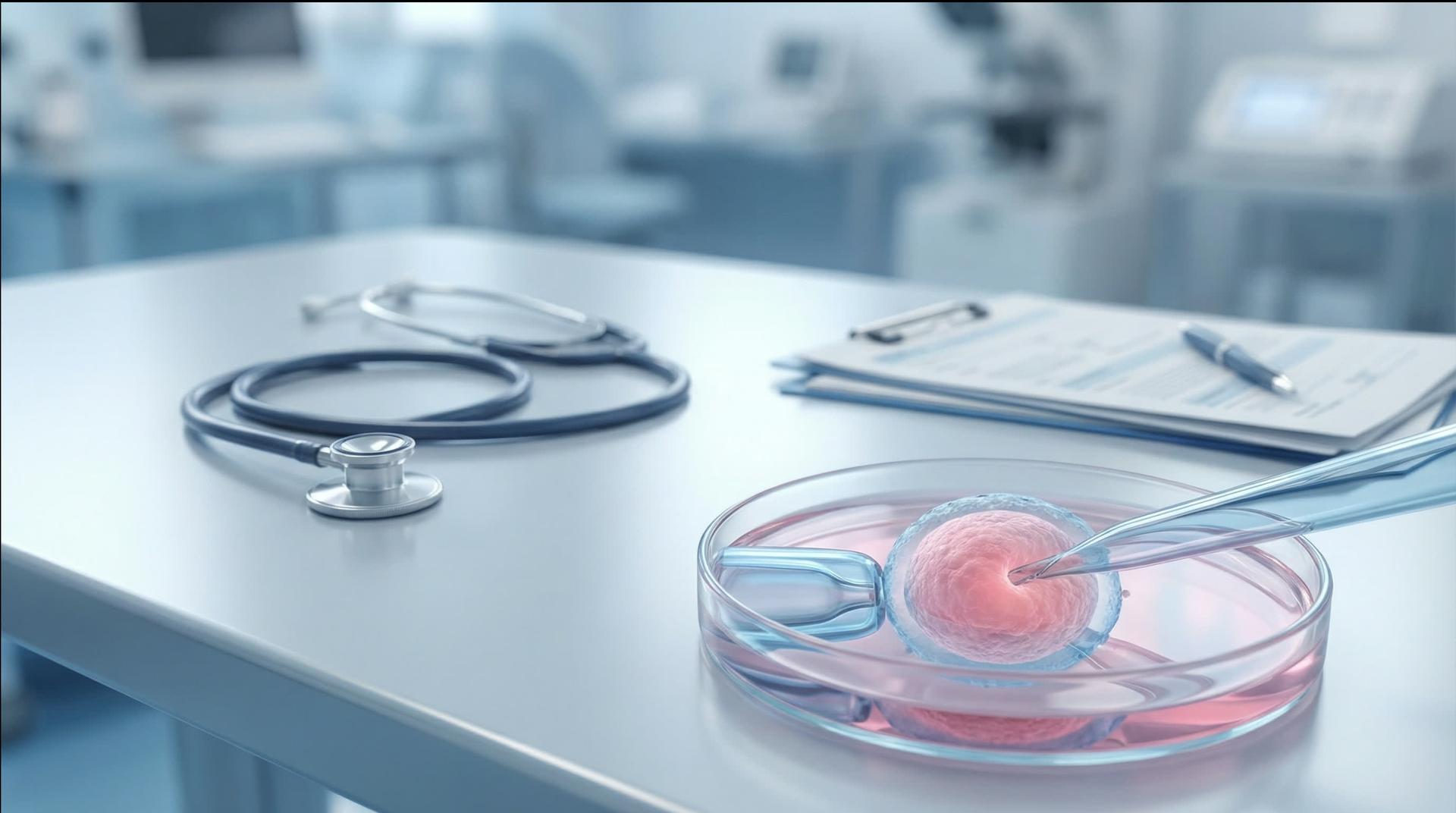
ICSI (intracytoplasmic sperm injection) means injecting a single sperm directly into the egg using a high-precision microscope and an extremely fine needle invisible to the naked eye. This technique is considered an important and decisive advancement within the framework of modern IVF procedures, and is used primarily to overcome certain problems and specific difficulties with sperm that may prevent natural fertilization. This technique provides an effective and reliable solution for many complex male infertility cases.
Medical Cases Where ICSI Technique Is Recommended
Low Sperm Count (Oligozoospermia)
When the number of sperm is noticeably lower than normal, the seminal fluid may not contain enough sperm to fertilize eggs naturally, even in the controlled laboratory environment. In this case, ICSI technique is considered the optimal and most effective solution, as it allows selecting one healthy sperm and injecting it directly into each egg to ensure fertilization.
Poor Sperm Motility (Asthenozoospermia)
If sperm are present but do not move sufficiently or adequately, they will not be able to penetrate the egg and reach its nucleus, even if placed together in a culture dish as in conventional IVF. In this specific case, a single healthy sperm is selected and injected directly into the egg to ensure fertilization occurs successfully.
Severe Sperm Morphology Abnormalities (Teratozoospermia)
When most sperm have abnormal and unhealthy shapes, such as deformed heads or bent tails or other strange shapes, fertilization chances decrease severely and noticeably. In this case, ICSI technique is used to select the sperm that appears visually more natural and morphologically healthy.
Failure of Conventional IVF in Previous Attempts
If a previous IVF attempt failed due to lack of fertilization despite having healthy eggs and apparently healthy sperm, the real reason may be difficulty in sperm penetrating the egg's outer membrane. In this case, ICSI technique is recommended in the next attempt to ensure fertilization occurs.
Use of Surgically Extracted Sperm
In some special cases, the seminal fluid contains no sperm at all, either due to duct obstruction or a production problem in the testes. In this case, sperm may be extracted directly from the testes or epididymis using advanced techniques such as TESE or PESA, and ICSI technique is used to inject these rare and valuable sperm into the eggs.
When Performing Genetic Testing of Embryos (PGT)
In some advanced medical centers, ICSI technique is preferred when performing genetic testing of embryos (PGT), to avoid any possible contamination between multiple sperm and the egg, which could negatively affect the reliability of genetic test results.
Is ICSI Technique Used in All IVF Cases?
No, ICSI is definitely not used in every case without exception. It is not the default first choice for every couple undergoing IVF, but only in specific cases that require direct and decisive intervention to effectively facilitate the fertilization process. If sperm quality is normal and healthy, conventional IVF is sufficient to achieve fertilization successfully. Therefore, the decision to use ICSI should be based on accurate and comprehensive medical evaluation of sperm health.
Does ICSI Technique Increase Chances of Pregnancy and Success?
In cases where it is actually required, yes, ICSI clearly increases fertilization and pregnancy chances, because it allows complete and precise control over selecting the most appropriate and best sperm. However, in cases where sperm are normal and healthy, success rates between IVF and ICSI are very similar and there is no significant difference. Therefore, ICSI should not be recommended as a routine and default procedure for all IVF cases, but only in specific cases that require it based on medical evaluation.
Factors Affecting ICSI Technique Success
Several important factors affect ICSI technique success and effectiveness. First, egg quality plays a crucial role in success, as high-quality eggs have better chances of fertilization and development. Second, the medical and laboratory team's experience in performing the procedure with very high precision directly affects success rates. Third, the woman's age affects egg quality and thus the technique's success. Fourth, the couple's general health and absence of other health problems increase chances of success.
Conclusion and Key Points
ICSI technique is not just a complex technical name, but a practical, effective, and real solution for difficult and complex male infertility problems. It is recommended in cases of low sperm count, poor motility, abnormal morphology, or fertilization failure in previous attempts. However, the decision to use ICSI should be based on accurate and comprehensive evaluation by a specialized fertility doctor, not as a default and routine procedure for every case. The goal is always to achieve safe, fruitful, and healthy pregnancy, not just reaching the fertilization stage. At Fertiliv IVF Center, we believe that true success is not just in fertilization, but in achieving stable pregnancy and healthy delivery. You can contact us now to find out if ICSI technique is suitable for your case, or visit the clinic directly for consultation.
Frequently Asked Questions About When ICSI Is Recommended
Yes, ICSI technique is very effective with most types of sperm problems, including low count, poor motility, and morphological abnormalities.
ICSI success rates in achieving fertilization range between 50-80%, and depend on egg and sperm quality and other factors.
Yes, ICSI is very safe when performed by a specialized and highly experienced team. The damage rate to eggs is very low.
Yes, ICSI can be combined with PGT to improve genetic test accuracy and avoid possible contamination between sperm.

Comments (0)
There's no more comments