What is Hysteroscopy?

Manar Hegazy

Majd Eddin Khaled
Are you looking for precise and effective solutions to problems such as irregular bleeding, difficulty conceiving, or chronic pelvic pain? Hysteroscopy is a modern medical technique that provides a clear and direct view inside the uterine cavity. Whether you are seeking to diagnose certain causes or need immediate treatment, this procedure is considered a gateway to discovering appropriate solutions. But how is hysteroscopy performed, and why is it important? Let’s review everything you need to know.
What is Hysteroscopy?
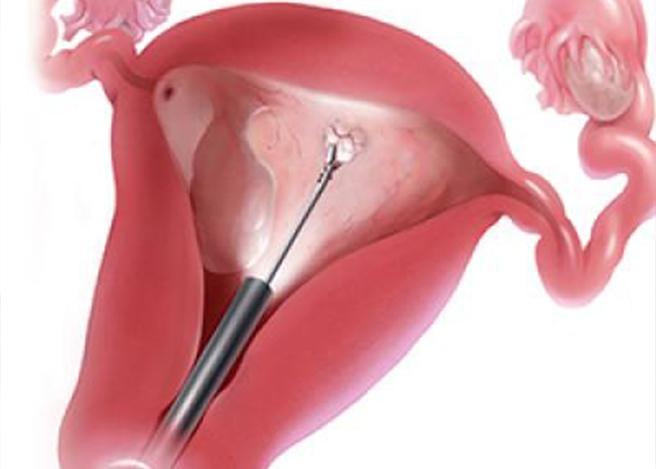
Hysteroscopy is a medical procedure that uses a small camera attached to a thin tube (a hysteroscope) inserted through the cervix to examine the inside of the uterine cavity. This examination is conducted to diagnose various medical conditions or even perform minor treatments without the need for major surgery.
The Importance of Hysteroscopy and Why It’s Requested
Hysteroscopy is not just a diagnostic tool; it is a versatile procedure that helps with:
- Diagnosing potential causes of irregular or postmenopausal bleeding.
- Detecting structural abnormalities such as fibroids or polyps.
- Identifying blockages or adhesions inside the uterus.
- Evaluating cases of recurrent miscarriage or difficulty conceiving.
- Treating certain issues, such as removing polyps or small tumors.
It is typically requested for women who:
- Experience abnormal vaginal bleeding.
- Face difficulty conceiving or have recurrent miscarriages.
- Have a history of uterine surgeries or cesarean deliveries.
When is Hysteroscopy Performed?
Hysteroscopy is performed at different times depending on the purpose of the examination:
- During the first few days of the menstrual cycle: To reduce the thickness of the uterine lining and ensure better visibility.
- After bleeding has stopped: To avoid any interference with the examination.
- Before planning for pregnancy: To assess the health of the uterus and ensure there are no abnormalities.
How is Hysteroscopy Performed? Step-by-Step
- Preparation: The cervix is cleaned and prepared to receive the hysteroscope.
- Insertion of the Hysteroscope: The hysteroscope is gently inserted through the cervix to examine the uterine cavity.
- Filling the Cavity: A liquid or gas is injected to expand the uterine cavity and improve visibility.
- Evaluation or Treatment: The doctor evaluates the condition and may perform minor treatments if necessary.
- Follow-Up: The results are analyzed, and the patient is guided accordingly.
How to Interpret Hysteroscopy Results
The results of hysteroscopy depend on the purpose of the examination and may indicate one of the following:
- Normal Result: No abnormalities or issues are found inside the uterus.
- Presence of Polyps or Fibroids: These may require removal or monitoring.
- Adhesions or Structural Abnormalities: These may hinder pregnancy or cause bleeding.
- Signs of Infections or Scarring: These may indicate previous issues that require treatment.
The Importance of Hysteroscopy in Intrauterine Insemination (IUI)
- Assessment of the Uterine Environment: Before performing IUI, it is essential to ensure that the uterine cavity is free of abnormalities such as polyps or fibroids that may hinder the implantation of the fertilized egg. Hysteroscopy provides a precise view of these issues.
- Removal of Obstacles: Hysteroscopy can be used not only to diagnose problems but also to remove polyps or small tumors that may reduce the chances of success.
- Ensuring Adequate Endometrial Thickness: One of the key factors for the success of IUI is having a thick and healthy uterine lining. Hysteroscopy helps evaluate the condition of the lining and determine if it is ready to receive the embryo.
- Detection of Structural Abnormalities: Hysteroscopy can identify uterine septums or other abnormalities that may reduce the chances of successful IUI.
The Importance of Hysteroscopy in In Vitro Fertilization (IVF)
- Preparing the Uterus for Embryo Transfer: Before transferring embryos to the uterus, it is crucial to ensure the uterus is in optimal condition to accept the embryo. Hysteroscopy provides a detailed view of the uterine cavity and identifies any issues that may hinder embryo implantation.
- Avoiding Repeated Implantation Failures: A common cause of failed embryo implantation is the presence of uterine abnormalities such as polyps or inflammation. Hysteroscopy helps detect and address these issues before the procedure.
- Evaluating Endometrial Health: In IVF procedures, the uterine lining must be optimally prepared to support the embryo. Hysteroscopy allows the doctor to assess the quality of the lining and its readiness to receive the embryo.
- Removal of Adhesions or Blockages: Adhesions or blockages inside the uterus can lead to failure in the embryo transfer process. Hysteroscopy helps detect and remove these issues during the procedure.
Cost of Hysteroscopy for 2025
The cost of hysteroscopy varies from country to country and differs significantly between government and private hospitals. Typically, prices in the private sector are higher compared to government facilities due to additional services offered, such as specialized consultations, immediate result evaluations, or the use of advanced technologies and high-quality equipment. These factors contribute to the higher cost compared to public centers.
It is always advisable to contact the medical center where you plan to undergo the procedure for accurate information regarding costs and available services, as prices vary based on location, the expertise of the medical staff, and the imaging equipment used.
Book an Appointment for Hysteroscopy at Fertiliv Clinic
In conclusion, hysteroscopy is a powerful diagnostic and therapeutic tool that can open doors of hope for a better understanding of your reproductive health. Thanks to modern technology and advanced medical expertise, you can now obtain accurate answers to any issues you may face. Book your appointment now.

Comments (0)
There's no more comments