What is a Hysterosalpingography (HSG) Test?

Manar Hegazy

Majd Eddin Khaled
Have you ever wondered why it’s difficult to get pregnant or why conception is delayed? The answer might be closer than you think! The hysterosalpingography (HSG) test is one of the modern medical examinations that has become an essential tool for detecting issues related to the female reproductive system. Whether you’re seeking answers about your ability to conceive or simply want to ensure the health of your uterus and fallopian tubes, this test provides a detailed and precise insight into your reproductive health. But how is this test performed, and why is it important? Let’s explore everything you need to know.
What is the HSG Test?
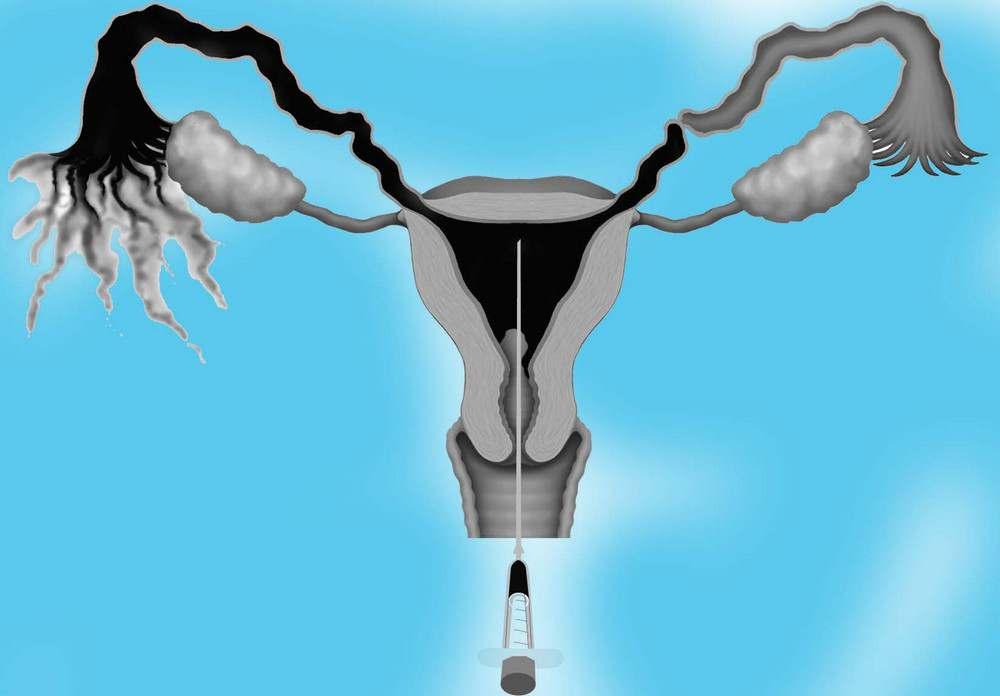
The hysterosalpingography (HSG) test is a non-surgical diagnostic procedure that uses X-ray technology to examine the condition of the uterus and fallopian tubes. A special dye is injected through the cervix to fill the uterine cavity and fallopian tubes, allowing doctors to visualize any blockages or abnormalities that may be causing difficulty in conceiving.
The Importance of the HSG Test and Why It’s Requested
This test is not just a routine medical procedure; it’s a gateway to uncovering hidden problems that may hinder pregnancy. It is typically requested for women who:
- Face difficulty conceiving after a year of trying.
- Experience chronic pelvic pain.
- Have a history of uterine surgeries or cesarean deliveries.
- Wish to confirm the health of their reproductive system before attempting pregnancy.
This test helps by:
- Detecting blockages in the fallopian tubes.
- Identifying structural abnormalities in the uterus, such as fibroids or polyps.
- Evaluating how the uterine lining responds to the dye, providing an indication of its health.
When is the HSG Test Performed?
The HSG test is usually performed during the early days of the menstrual cycle, after bleeding has stopped but before ovulation (typically between days 7 and 10). This timing ensures the uterus is free of any residual tissue and minimizes the chances of pregnancy during the procedure.
How is the HSG Test Performed? Step-by-Step
- Preparation: The cervix is cleaned and prepared to receive the dye.
- Dye Injection: A thin tube is inserted through the cervix, and a special dye is injected.
- X-ray Imaging: Multiple images are captured using X-rays to track the movement of the dye within the uterus and fallopian tubes.
- Follow-Up: The X-ray images are analyzed to evaluate the results.
How to Interpret HSG Test Results
The results of the test can indicate one of the following conditions:
- Normal Result: The dye fills the uterus and flows freely through the fallopian tubes without any blockages.
- Blockage Detected: If the dye does not flow through the fallopian tubes, it may indicate a blockage.
- Uterine Abnormalities: Structural issues such as fibroids or polyps may appear.
The Importance of HSG in Intrauterine Insemination (IUI)
- Assessment of Fallopian Tube Health: One of the key factors for the success of IUI is ensuring that the fallopian tubes are open and free of blockages. Using HSG, the doctor can verify the health of the tubes and their ability to transport the fertilized egg to the uterus.
- Detection of Uterine Structural Abnormalities: HSG can identify abnormalities such as fibroids or polyps inside the uterus, which may hinder the implantation of the fertilized egg and reduce the chances of success.
- Problem Identification: If the fallopian tubes are blocked or if there are uterine abnormalities, HSG helps pinpoint the problem accurately, enabling the doctor to develop a customized treatment plan.
The Importance of HSG in In Vitro Fertilization (IVF)
- Evaluation of Tubes Before the Procedure: In IVF procedures, the fallopian tubes are generally bypassed since eggs are directly retrieved from the ovaries and fertilized in the lab. However, HSG remains important to ensure there are no blockages or infections that could affect the health of the reproductive system.
- Ensuring Uterine Health for Embryo Transfer: Before transferring embryos to the uterus, it is crucial to confirm that the uterus is free of abnormalities such as fibroids or polyps that may hinder embryo implantation. HSG provides a precise view of the uterine cavity and identifies any issues that require treatment.
- Avoiding Repeated Implantation Failures: A common cause of failed embryo implantation is uterine abnormalities or blockages in the fallopian tubes. HSG helps detect these issues early, increasing the chances of success.
- Initial Assessment for Treatment Planning: Based on HSG results, the doctor can determine whether it is best to proceed with IVF or explore other options, such as corrective surgery to treat blocked tubes.
Cost of HSG Tests for 2025
The cost of hysterosalpingography (HSG) varies from country to country and differs significantly between government and private hospitals. Typically, prices in private hospitals are higher compared to government facilities due to additional services offered, such as specialized consultations, immediate result evaluations, or the use of advanced dyes and high-quality imaging equipment. These factors contribute to the higher cost compared to public centers.
It is always advisable to contact the medical center where you plan to undergo the test for accurate information regarding costs and available services, as prices vary based on location, the expertise of the medical staff, and the imaging equipment used.
Book an Appointment for an HSG Test at Fertiliv Clinic
In conclusion, the hysterosalpingography (HSG) test is a powerful diagnostic tool that can open doors of hope for achieving the dream of motherhood. Thanks to modern technology and advanced medical expertise, you can now obtain accurate answers about your reproductive health. Don’t let worry take over; take the first step toward a brighter future. Book your appointment now.

Comments (0)
There's no more comments