What is the Endometrial Receptivity Array (ERA) Test?

Manar Hegazy

Majd Eddin Khaled
Are You Suffering from Repeated Embryo Implantation Failures During IVF? The solution may lie in the timing of embryo transfer! The Endometrial Receptivity Analysis (ERA) is a modern and innovative technique that helps determine the optimal moment for embryo implantation. If you are looking for a scientific and precise way to increase your chances of pregnancy success, this test could be the ideal solution. But what exactly is the ERA test, and why is it important? Let’s explore everything you need to know.
What Is the Endometrial Receptivity Analysis (ERA)?
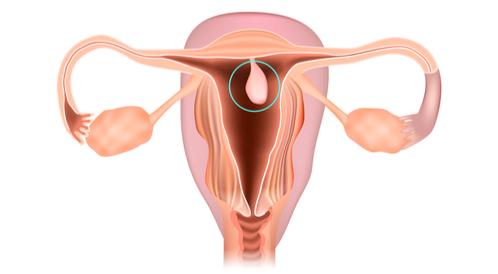
The Endometrial Receptivity Analysis is an advanced diagnostic procedure that uses gene analysis technology to determine whether the uterine lining is ready to receive an embryo at the right time. A small sample of the endometrium is taken and analyzed to identify the "window of receptivity" – the specific time period when the uterine lining is most prepared for successful embryo implantation.
The Importance of the Endometrial Receptivity Analysis
This test is not just a routine medical step but a vital diagnostic tool that helps with:
- Accurately determining the timing of embryo transfer.
- Increasing the chances of pregnancy success for women who experience repeated implantation failures during IVF.
- Improving the outcomes of IVF procedures.
- Providing a personalized treatment plan for each woman based on the test results.
Who Needs the Endometrial Receptivity Analysis?
It is typically requested for women who:
- Experience repeated implantation failures during IVF cycles.
- Have a history of recurrent miscarriages.
- Want to increase their chances of pregnancy success in general.
When Is the Endometrial Receptivity Analysis Performed?
The ERA test is conducted before starting an IVF cycle or between treatment cycles if there have been repeated implantation failures. The sample is taken at a specific time during the menstrual cycle, usually during or shortly after the ovulation phase, when the uterine lining is likely to be receptive.
How Is the Endometrial Receptivity Analysis Performed? Step-by-Step
- Preparation: The woman is prepared for the procedure by identifying a specific day in her menstrual cycle to take the sample.
- Sample Collection: A small sample of the endometrium is collected using a thin tube (catheter) inserted through the cervix.
- Sample Analysis: The sample is sent to the laboratory to analyze the expression of 248 genes associated with endometrial receptivity.
- Follow-Up: The results are analyzed to determine the individual's "window of receptivity," guiding the doctor to choose the optimal timing for embryo transfer.
How to Interpret the Results of the Endometrial Receptivity Analysis
The results of the ERA test can fall into one of the following categories:
- Normal (Receptive): Indicates that the uterine lining is ready to receive embryos at the time the sample was taken.
- Abnormal (Non-Receptive): Indicates that the uterine lining is not ready to receive embryos at the current time, requiring adjustments to the timing of embryo transfer.
- Window of Receptivity Identification: The optimal timeframe for embryo transfer is determined based on genetic analysis.
The Importance of the Endometrial Receptivity Analysis in IVF Procedures
- Increasing Implantation Success Rates: One of the main reasons for embryo implantation failure is the mismatch between the timing of embryo transfer and the window of receptivity. The ERA test helps identify the optimal timing to increase the chances of success.
- Personalized Treatment Plans: Based on the ERA results, the doctor can create a customized treatment plan tailored to your individual needs.
- Avoiding Recurrent Miscarriages: When embryos are implanted at the right time, the risk of miscarriage due to an incompatible uterine environment decreases.
- Improving the Treatment Experience: The ERA test provides precise insights into the health of the uterine lining, reducing the need for repeated IVF cycles.
Cost of the Endometrial Receptivity Analysis (ERA) for 2025
The cost of the Endometrial Receptivity Analysis (ERA) varies from country to country and differs significantly between government and private hospitals. Typically, prices in the private sector are higher compared to government facilities due to additional services offered. In private hospitals, the cost may include additional services such as specialized medical consultations, advanced laboratory analysis, or the use of modern technologies and high-quality equipment. These factors contribute to the higher cost compared to public centers. It is always advisable to contact the medical center where you plan to undergo the test for accurate information regarding costs and available services, as prices vary based on location, the expertise of the medical staff, and the equipment used for analysis.
Book an Appointment for the Endometrial Receptivity Analysis (ERA) at Fertiliv Clinic
In conclusion, the Endometrial Receptivity Analysis (ERA) is an advanced diagnostic tool that can open doors of hope for achieving the dream of motherhood. Thanks to modern technology and advanced medical expertise, you can now obtain precise answers about the timing of embryo transfer and increase your chances of a successful pregnancy. Book your appointment now.

Comments (0)
There's no more comments