
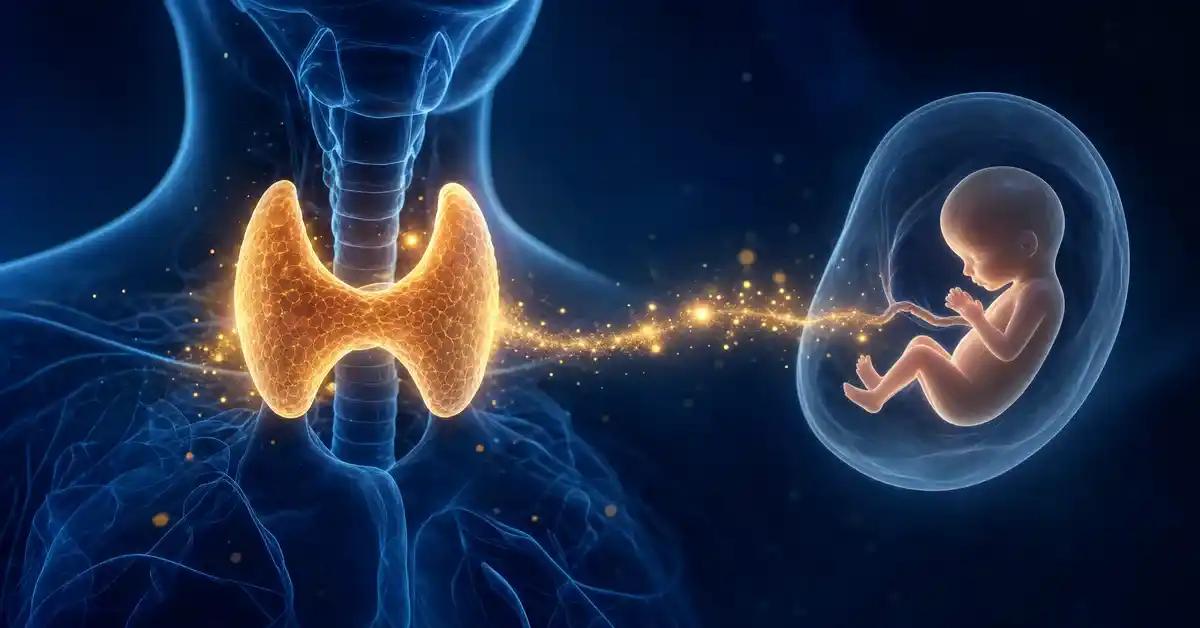
The Hidden Link Between Thyroid Function and Fertility: A Complete Clinical Guide

Manar Hegazy

Majd Eddin Khaled
The thyroid gland, a small butterfly-shaped organ in the neck, exerts a profound influence on reproductive health that is often underestimated. Thyroid related infertility affects millions of women worldwide, yet it remains one of the most frequently overlooked causes of delayed conception. The intricate relationship between thyroid hormones and fertility encompasses every stage of the reproductive cycle, from ovulation to implantation and early pregnancy development. This comprehensive guide explores how thyroid dysfunction infertility manifests, how it is diagnosed, and what modern medicine offers in terms of effective treatment.
How Thyroid Dysfunction Shapes Reproductive Health
The Deep Connection Between Thyroid Function and Female Fertility
Understanding thyroid and fertility requires appreciating the hormonal cascade that governs the female reproductive system. Thyroid hormones — thyroxine (T4) and triiodothyronine (T3) — regulate the production of sex hormones including estrogen and progesterone, which are fundamental to a healthy menstrual cycle and successful conception. When thyroid dysfunction infertility occurs, this hormonal balance is disrupted, leading to irregular cycles, poor egg quality, and difficulties with implantation. Research indicates that even subclinical thyroid abnormalities — those without obvious symptoms — can significantly reduce a woman's chances of conceiving naturally.
Thyroid Dysfunction and Its Effect on Ovulation
Thyroid ovulation problems represent one of the most direct pathways through which thyroid disease impairs fertility. The thyroid-stimulating hormone (TSH) interacts with prolactin and gonadotropins (FSH and LH), the hormones responsible for triggering ovulation. When TSH levels fall outside the optimal range, this interaction is disrupted, potentially causing anovulation (absence of ovulation) or irregular ovulation. Female fertility thyroid issues of this nature can manifest as irregular or absent periods, making it difficult to predict fertile windows and further complicating natural conception efforts.
The Broader Spectrum of Thyroid Dysfunction and Infertility
Thyroid dysfunction infertility encompasses a wide spectrum of reproductive challenges beyond ovulation problems. Women with thyroid disorders may experience recurrent miscarriage, poor embryo implantation, and complications during early pregnancy. The autoimmune component of many thyroid conditions — particularly Hashimoto's thyroiditis — adds another layer of complexity, as thyroid antibodies may directly interfere with egg quality and uterine receptivity. Recognizing the full scope of female fertility thyroid issues is essential for developing a comprehensive and effective treatment strategy.
Read about: Modern Fertility Treatments for Men and Women: Transform Your Parenthood Dreams
Hypothyroidism: When an Underactive Thyroid Undermines Fertility
Understanding Hypothyroidism and Its Impact on Reproductive Capacity
Hypothyroidism and infertility are closely intertwined, with an underactive thyroid creating a cascade of hormonal imbalances that undermine reproductive function. When the thyroid produces insufficient hormones, the body's metabolic processes slow down, affecting everything from menstrual regularity to egg development. Elevated prolactin levels — a common consequence of hypothyroidism — suppress the release of FSH and LH, disrupting the ovulatory cycle. Delayed pregnancy thyroid causes frequently trace back to undiagnosed or inadequately treated hypothyroidism, making thyroid screening an essential component of any fertility evaluation.
Low Thyroid Hormone Effects on the Reproductive System
The low thyroid hormone effects on fertility are multifaceted and far-reaching. Insufficient thyroid hormones impair the development of the uterine lining, reducing its receptivity to an embryo. They also affect egg quality at the cellular level, diminishing the chances of successful fertilization. Additionally, hypothyroidism is associated with increased risk of chromosomal abnormalities in embryos, which contributes to the higher rates of miscarriage observed in women with this condition. Hormonal infertility causes of this type are particularly insidious because they may not produce obvious symptoms, allowing the condition to go undetected for years.
Thyroid Treatment for Fertility: Restoring Hormonal Balance
Thyroid treatment for fertility in cases of hypothyroidism centers on levothyroxine (synthetic T4) supplementation to restore normal hormone levels. The therapeutic target for women seeking pregnancy is a TSH level below 2.5 mIU/L, which is more stringent than the general population reference range. Managing thyroid levels to this optimal range often leads to significant improvements in fertility outcomes, including more regular ovulation, better egg quality, and reduced miscarriage risk. At Fertiliv ICSI Center, thyroid hormone management is integrated into a comprehensive fertility protocol, with regular monitoring and dose adjustments tailored to each patient's response.
Read about: Do Natural Fertility Vitamins Really Boost Your Chances of Conception?
Hyperthyroidism: When an Overactive Thyroid Threatens Pregnancy
Hyperthyroidism and Pregnancy: Understanding the Risks
Hyperthyroidism and pregnancy present a complex clinical challenge that requires careful management. An overactive thyroid accelerates the body's metabolic processes to an extent that disrupts the hormonal environment necessary for conception and a healthy pregnancy. Women with hyperthyroidism often experience shortened or irregular menstrual cycles, reduced ovarian reserve, and difficulties conceiving. Thyroid related infertility caused by hyperthyroidism is particularly concerning because the condition, if left untreated, can persist and worsen during pregnancy, creating risks for both mother and child.
Overactive Thyroid Pregnancy Risks: A Detailed Overview
The overactive thyroid pregnancy risks extend well beyond difficulty conceiving. If hyperthyroidism is not adequately controlled before and during pregnancy, it significantly increases the likelihood of miscarriage, preterm birth, low birth weight, and preeclampsia. Graves' disease — the most common cause of hyperthyroidism in women of reproductive age — carries additional risks due to the presence of thyroid-stimulating antibodies, which can cross the placental barrier and affect fetal thyroid function. Managing thyroid levels before attempting conception is therefore a critical step in reducing these risks and ensuring a safe pregnancy outcome.

Diagnosing Thyroid Problems as a Cause of Delayed Conception
TSH Levels for Pregnancy: Understanding the Optimal Range
TSH levels for pregnancy differ importantly from the general reference ranges used in standard laboratory testing. While most laboratories consider TSH levels between 0.4 and 4.0 mIU/L as normal, reproductive medicine specialists recommend a target of below 2.5 mIU/L for women planning to conceive or in early pregnancy. This distinction is critical: a TSH level of 3.5 mIU/L may be reported as "normal" on a standard blood test, yet it may be contributing to delayed pregnancy thyroid causes in a woman trying to conceive. Interpreting thyroid results within the specific context of fertility is therefore essential for accurate diagnosis.
Thyroid Testing for Women: A Comprehensive Diagnostic Approach
Thyroid testing for women in the context of fertility evaluation extends beyond a simple TSH measurement. A comprehensive thyroid assessment includes free T3 and free T4 levels, thyroid peroxidase antibodies (Anti-TPO), and thyroglobulin antibodies (Anti-Tg), which can reveal autoimmune thyroid conditions such as Hashimoto's thyroiditis even before TSH levels become abnormal. Thyroid ultrasound may also be recommended to assess the gland's structure and identify nodules or signs of inflammation. At Fertiliv ICSI Center, this comprehensive thyroid evaluation is conducted as part of the initial fertility workup for all patients experiencing difficulty conceiving.
Read about: The Best Foods to Naturally Boost Fertility in Men and Women
Effective Approaches to Treating Thyroid-Related Infertility
Evidence-Based Strategies to Treat Thyroid Infertility
The approach to treat thyroid infertility depends on the specific nature and severity of the thyroid disorder. For hypothyroidism, levothyroxine therapy is the cornerstone of treatment, with the goal of achieving optimal TSH levels before and during fertility treatment. For hyperthyroidism, antithyroid medications, radioactive iodine therapy, or surgery may be considered depending on the clinical situation, with a recommended waiting period of at least six months after achieving euthyroid status before attempting conception. In cases of autoimmune thyroid disease, additional interventions may be considered to reduce antibody levels and improve implantation outcomes.
Managing Thyroid Levels Throughout the Fertility Journey
Managing thyroid levels is not a one-time intervention but an ongoing process that requires regular monitoring and adjustment. During fertility treatment, TSH levels should be checked at regular intervals, as ovarian stimulation medications can affect thyroid function. Once pregnancy is achieved, thyroid hormone requirements typically increase by 30–50%, necessitating prompt dose adjustments to maintain optimal levels. The collaboration between an endocrinologist and a fertility specialist is invaluable in navigating this dynamic process, ensuring that thyroid balance for pregnancy is maintained at every stage of the journey.
Read about: How Do Hormones Affect Fertility? Essential Tests for Couples
Thyroid Hormones and the Path to Successful Conception
The Dynamic Relationship Between Thyroid Hormones and Fertility
Thyroid hormones and fertility are linked through a complex and dynamic relationship that changes throughout the reproductive cycle. During the follicular phase of the menstrual cycle, thyroid hormones support follicle development and egg maturation. During the luteal phase, they contribute to progesterone production and uterine lining preparation. Thyroid balance for pregnancy is particularly critical during the first trimester, when the embryo is entirely dependent on maternal thyroid hormones for its neurological development, as the fetal thyroid does not become functional until around week 12 of pregnancy.
Achieving Thyroid Balance as a Foundation for Pregnancy
Achieving thyroid balance for pregnancy involves more than medication; it encompasses lifestyle factors, nutritional support, and stress management. Adequate iodine and selenium intake are essential for thyroid hormone synthesis and conversion. Chronic stress elevates cortisol levels, which can suppress thyroid function and exacerbate hormonal infertility causes. Regular physical activity, a balanced diet rich in thyroid-supporting nutrients, and adequate sleep all contribute to maintaining optimal thyroid function. At Fertiliv ICSI Center, patients receive holistic guidance that addresses these lifestyle factors alongside medical treatment to optimize their chances of conception.
Read about: Hormones and Fertility: Complete Testing Guide for Couples
Root Causes of Hormonal Infertility Linked to Thyroid Dysfunction
Identifying the Underlying Hormonal Infertility Causes
Hormonal infertility causes related to the thyroid gland are diverse and often interconnected. Autoimmune conditions such as Hashimoto's thyroiditis and Graves' disease are among the most prevalent, affecting millions of women of reproductive age. Nutritional deficiencies — particularly iodine and selenium — can impair thyroid hormone production. Genetic predispositions, environmental exposures to endocrine-disrupting chemicals, and certain medications can also contribute to thyroid dysfunction. Understanding the root cause of thyroid dysfunction is essential for tailoring an effective treatment approach that addresses the underlying mechanism rather than simply managing symptoms.
Delayed Pregnancy and Its Connection to Thyroid Dysfunction
Delayed pregnancy thyroid causes are more prevalent than many couples realize. Studies suggest that thyroid disorders — including subclinical forms — may account for a significant proportion of unexplained infertility cases. For this reason, thyroid evaluation is recommended as a first-line investigation for any woman experiencing difficulty conceiving, even in the absence of obvious thyroid symptoms. Early identification and treatment of thyroid dysfunction can dramatically improve fertility outcomes, often enabling natural conception without the need for more invasive assisted reproductive technologies.
Read about: Natural Fertility Treatments: Effective Solutions to Increase Pregnancy Chances
Conclusion
Thyroid related infertility is a well-established yet frequently underdiagnosed cause of delayed conception and pregnancy complications. The good news is that with accurate diagnosis and appropriate treatment, thyroid dysfunction is highly manageable, and restoring normal thyroid function often leads to significant improvements in fertility outcomes. Whether the issue is hypothyroidism, hyperthyroidism, or autoimmune thyroid disease, a targeted and individualized treatment approach can make the difference between years of unexplained infertility and a successful pregnancy.
Reach out to Fertiliv ICSI Center for a comprehensive thyroid and fertility evaluation tailored to your individual needs
Frequently Asked Questions: The Hidden Link Between Thyroid Function and Fertility: A Complete Clinical Guide
Can subclinical hypothyroidism cause infertility even without obvious symptoms?
Yes, subclinical hypothyroidism — where TSH is elevated but T3 and T4 remain within the normal range — is a recognized cause of delayed conception and recurrent miscarriage. Many women with this condition experience no obvious symptoms, making it easy to overlook. However, even mildly elevated TSH levels above 2.5 mIU/L can impair ovulation, reduce egg quality, and affect uterine receptivity. This is why thyroid testing for women should be part of any comprehensive fertility evaluation, with results interpreted using fertility-specific reference ranges rather than general laboratory norms.
How does Hashimoto's thyroiditis affect fertility and pregnancy outcomes?
Hashimoto's thyroiditis is an autoimmune condition that progressively damages thyroid tissue, often leading to hypothyroidism over time. Beyond its effect on thyroid hormone levels, Hashimoto's is associated with elevated thyroid antibodies (Anti-TPO and Anti-Tg), which have been linked to reduced egg quality, impaired implantation, and increased miscarriage risk. Women with Hashimoto's who are planning pregnancy benefit from close monitoring of both TSH levels and antibody titers, along with appropriate thyroid hormone supplementation to maintain optimal levels throughout conception and pregnancy.
Should thyroid medication be continued or adjusted during pregnancy?
Thyroid medication should not only be continued during pregnancy but typically requires a dose increase of 25–50% to meet the elevated hormonal demands of the developing fetus. The fetal thyroid does not become functional until approximately week 12 of gestation, meaning the embryo is entirely dependent on maternal thyroid hormones during the critical first trimester. Stopping or reducing thyroid medication without medical guidance can jeopardize fetal neurological development and increase the risk of pregnancy complications. Women on thyroid medication are advised to inform their fertility specialist immediately upon confirming pregnancy so that dose adjustments can be made promptly.
What is the difference between a normal TSH level and an optimal TSH level for fertility?
Standard laboratory reference ranges typically classify TSH levels between 0.4 and 4.0 mIU/L as normal. However, reproductive medicine guidelines recommend a more stringent target of below 2.5 mIU/L for women seeking to conceive or in early pregnancy. A TSH level of 3.0 mIU/L, for example, would be reported as normal on a standard blood test but may be contributing to ovulation problems and delayed conception. This discrepancy underscores the importance of having thyroid results reviewed by a fertility specialist who can apply the appropriate clinical context to the interpretation.
Can thyroid disorders affect male fertility as well?
While thyroid disorders are more commonly associated with female infertility, they can also affect male reproductive health. Hypothyroidism and hyperthyroidism in men have been linked to reduced testosterone levels, impaired sperm production, decreased sperm motility, and abnormal sperm morphology. These effects can significantly reduce a couple's chances of natural conception. For this reason, comprehensive fertility evaluations at Fertiliv ICSI Center include thyroid function assessment for both partners, ensuring that no contributing factor is overlooked in the diagnostic process.