Step-by-Step Stages of the IUI Procedure

Manar Hegazy

Majd Eddin Khaled
Intrauterine insemination (IUI) is a fertility treatment used to help couples achieve pregnancy. Compared to more complex assisted reproductive techniques like IVF, IUI is simpler and often considered a popular option due to its success rates in certain conditions. This article aims to provide a comprehensive explanation of the different stages involved in the IUI process.
Intrauterine Insemination (IUI)
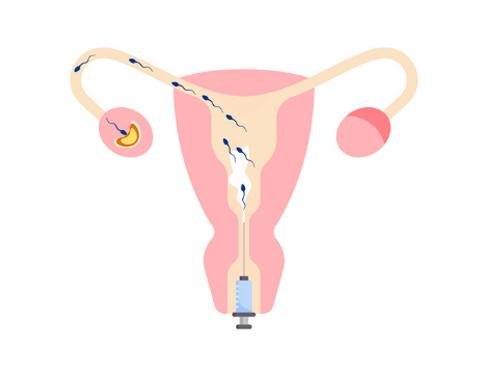
IUI is a simple medical procedure that involves placing sperm directly into the uterus to assist with fertilization. Unlike in vitro fertilization (IVF), it is less invasive and more affordable, making it especially suitable for cases involving mild infertility.
Reasons for Choosing IUI
There are several situations that may lead couples to choose IUI, including low sperm count or poor sperm motility, unexplained infertility, and cervical mucus problems that prevent sperm from reaching the egg naturally.
Stages of the IUI Procedure
First: Preparation Before the Procedure
- Initial Examinations: Both partners undergo comprehensive tests, including hormone analysis, tubal assessment, and semen analysis, to ensure they are suitable candidates for IUI.
- Ovulation-Stimulating Medications: Certain hormonal medications may be prescribed to stimulate the ovaries to produce multiple eggs, increasing the chances of conception. These medications are taken under close medical supervision to avoid complications such as ovarian hyperstimulation syndrome.
Second: Ovulation Monitoring
The growth of the eggs is tracked using ultrasound scans and blood tests to determine the optimal time for insemination. This step is crucial for identifying the fertile window accurately.
Third: Preparing the Sperm Sample
A semen sample is collected from the male partner on the day of the procedure. The sample is then processed in the laboratory to remove impurities and concentrate high-quality sperm for use in the insemination.
Fourth: Performing the Insemination
This stage is simple and quick. A thin catheter is used to insert the prepared sperm directly into the uterus. The procedure usually takes only a few minutes and typically does not require anesthesia, although some women may experience mild discomfort.
Fifth: Aftercare
After the insemination, the woman can return to her daily activities normally. Some doctors recommend resting briefly after the procedure, although studies show that regular activity doesn't affect the results. It is advisable to monitor for any unusual symptoms and contact the doctor if needed.
Results and Expectations
Success rates vary depending on several factors, including the woman’s age, the cause of infertility, and the quality of both the eggs and the sperm. Typically, success rates range between 10% and 20% per cycle. The procedure can be repeated to increase the chances of pregnancy, and it is recommended that couples discuss available options with their fertility specialist to make an informed decision.
IUI represents an effective option for many couples facing challenges with conception. It offers a less expensive and less complex alternative compared to other assisted reproduction techniques. Couples considering IUI are advised to consult with fertility specialists for an individualized evaluation and to make the best possible choice for their situation.

Comments (0)
There's no more comments