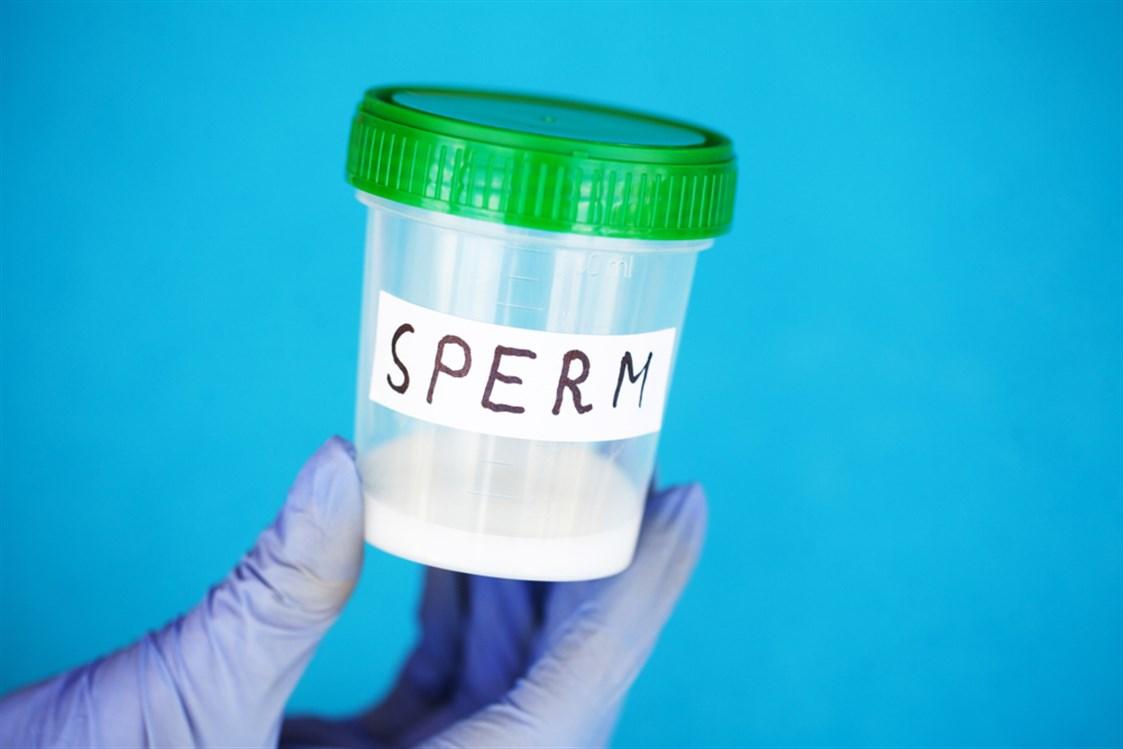
Semen Analysis: Importance, Procedures, and Interpretation

Manar Hegazy

Majd Eddin Khaled
Semen Analysis is a test conducted to assess the health, count, and quality of sperm in men. This analysis is essential for identifying causes of infertility and planning appropriate treatment. In this article, we will discuss the importance of this test, the procedures involved in conducting it, interpreting the results, as well as factors that may affect the outcomes and guidelines before and after the test.
First: The Importance of Semen Analysis
Fertility Assessment
It is used to evaluate a man's ability to reproduce by examining the health, count, and quality of sperm.
It helps detect issues such as low sperm count (Oligospermia), absence of sperm (Azoospermia), or poor motility (Asthenozoospermia).
Infertility Diagnosis
It can identify potential causes of infertility, such as problems with sperm movement, shape, or concentration.
It assists doctors in determining appropriate medical treatments based on the results.
Monitoring Cases
It is used to monitor the effectiveness of treatments and surgical procedures, such as vasectomy, to ensure no active sperm is present.
Medical Research
It is used in research studies to evaluate the impact of environmental factors, medications, and hormonal changes on semen quality.
Second: Procedures for Conducting the Test
Sample Preparation
It is recommended to abstain from sexual activity or ejaculation for 2-5 days before collecting the sample to ensure its quality.
Avoid using lubricants and oils that may affect the results.
Sample Collection Method
The sample is usually collected through masturbation into a clean, sterile container provided by the lab.
In rare cases, alternative methods such as collecting the sample using a specialized condom may be used.
Submission to the Lab
The sample should ideally be delivered to the lab within one hour of collection.
The sample should be kept at body temperature (approximately 37°C) until it reaches the lab.
Third: Interpreting the Results
Volume
The normal volume of semen ranges between 1.5 to 5 ml per sample.
Low volume may indicate blockage in the seminal ducts or problems with accessory glands like the prostate.
Count
The normal count is at least 15 million sperm per ml of semen.
A low count can hinder a man’s ability to conceive and requires further evaluation.
Motility
Refers to the ability of sperm to move properly to reach the egg.
A normal range is at least 40% of sperm showing good motility for successful fertilization.
Morphology
Measures the percentage of sperm with normal shape according to WHO standards.
At least 4% of sperm with normal morphology is considered acceptable.
pH Level
Normal pH ranges between 7.2 and 8.
Any deviation from this range may indicate problems with accessory glands like the prostate.
Liquefaction Time
Normal liquefaction time ranges between 20 to 30 minutes after ejaculation.
Delayed liquefaction may indicate issues with the prostate or seminal vesicles.
White Blood Cells (WBCs)
The normal count is less than one million cells per ml.
Elevated WBC levels may indicate infections or inflammation.
Fourth: Factors Affecting Semen Analysis Results
Environmental and Lifestyle Factors
Smoking: Can reduce sperm count and impair motility.
Alcohol and drugs: Negatively affect sperm quality.
Heat exposure: Hot baths, saunas, or prolonged use of laptops on the lap can impact sperm count and motility.
Stress: Can affect hormone production responsible for semen production.
Nutritional Factors
Poor nutrition: Deficiencies in essential vitamins and minerals like zinc and folate can affect semen quality.
Fast food: High in saturated fats, can harm sperm health.
Medical Factors
Medications and treatments: Certain drugs for hypertension or cancer can affect semen quality.
Chronic diseases: Such as diabetes and thyroid disorders can impair sperm production.
Hormonal Changes
Hormonal imbalances, such as low testosterone or high prolactin levels, can affect sperm quality.
Fifth: Possible Treatments
Lifestyle Modifications
Quitting smoking: Can significantly improve sperm quality.
Reducing alcohol consumption: And avoiding drugs.
Physical activity: Regular exercise improves blood circulation and overall health, positively impacting semen quality.
Medical Treatment
Medications: Used to improve testosterone production or combat infections.
Surgical interventions: To treat duct obstructions or remove varicoceles.
Hormonal Therapy
Hormonal treatment may be recommended to improve sperm production if hormonal imbalances are present.
Assisted Reproductive Techniques
Artificial insemination (IUI): Directly introducing sperm into the uterus.
Intracytoplasmic sperm injection (ICSI): Injecting sperm directly into the egg, often used in severe infertility cases.
Sixth: Guidelines Before and After the Test
Guidelines Before the Test
Abstain from sexual activity or ejaculation for 2-5 days before the test.
Avoid alcohol, drugs, and smoking before the test.
Ensure the sample is collected in a sterile environment and avoid using materials that may affect the results.
Guidelines After the Test
Consult a doctor to interpret the results.
Abnormal results may require retesting after a certain period to ensure accuracy.
Discuss possible treatment options or therapies based on the results with your doctor.
Semen Analysis Costs for 2025
The cost of semen analysis varies from country to country and differs significantly between government and private hospitals. Typically, prices in the private sector are higher compared to government facilities due to the additional services offered.
In private hospitals, the cost may include additional services such as specialized medical consultations, immediate result evaluations, or the use of advanced technologies and high-quality equipment. These factors contribute to the higher cost compared to public centers.
It is always advisable to contact the medical center where you plan to undergo the test for accurate information regarding costs and available services, as prices vary based on location, the expertise of the medical staff, and the imaging equipment used.
Book an Appointment for Semen Analysis at Fertiliv Clinic
Semen analysis is an important diagnostic tool for assessing the health and quality of sperm and is essential for identifying causes of infertility and planning appropriate treatment. Interpreting the results can help guide suitable treatment and enhance chances of conception. A good understanding of how various factors influence the test results can provide a comprehensive approach to improving fertility and overall male health. Book an appointment now.

Comments (0)
There's no more comments