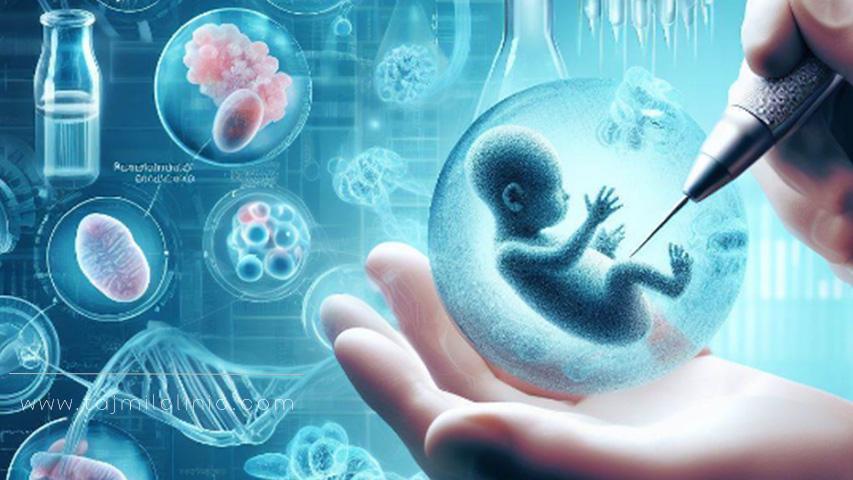
The Role of Genetic Testing in Improving IVF Outcomes

Manar Hegazy

Majd Eddin Khaled
In today's world, medicine and science are undergoing tremendous development, offering increasing opportunities for many couples facing challenges in natural conception to realize their dream of building a family. In vitro fertilization (IVF) is one such opportunity, considered one of the most effective techniques for addressing certain infertility issues. However, IVF success rates are not guaranteed and continue to vary based on multiple factors. This is where genetic testing emerges as a vital element that can significantly enhance the outcomes of this process.
Understanding Genetic Testing in the Context of IVF
Genetic testing plays an increasingly important role in modern medicine, and IVF is no exception. These tests focus on identifying specific genetic characteristics of embryos before implantation into the uterus, ensuring fetal health and preventing hereditary diseases. Among the procedures used are Preimplantation Genetic Diagnosis (PGD) and Preimplantation Genetic Screening (PGS).
Preimplantation Genetic Diagnosis (PGD)
PGD aims to detect specific inherited genetic diseases or mutations that an embryo may carry. This test is particularly important for couples with a known family history of genetic disorders, such as cystic fibrosis, hemophilia, or chromosomal abnormalities.
Preimplantation Genetic Screening (PGS)
On the other hand, PGS focuses on evaluating the number and structure of chromosomes in embryos to ensure there are no chromosomal abnormalities that could lead to pregnancy loss or conditions like Down syndrome.
Improving Success Rates: How Does Genetic Testing Help?
Simply put, genetic testing can improve IVF success rates by:
- Selecting the Healthiest Embryos: With genetic screening, doctors can choose genetically healthy embryos for transfer, reducing the likelihood of miscarriage or failed implantation due to genetic issues.
- Reducing the Number of IVF Cycles: Incorporating genetic testing leads to a more efficient and cost-effective approach by minimizing unsuccessful attempts through the transfer of only viable embryos.
- Increasing the Chances of a Healthy Pregnancy: By verifying chromosome count, structure, and the presence of any known genetic disorders, these tests help ensure the embryo is in optimal health. This reduces the risk of complications during pregnancy and improves the overall parental experience.
Challenges and Benefits of Genetic Testing
Despite its clear benefits, genetic testing is not without challenges. One of the main concerns is its high cost, which may be prohibitive for many couples. Additionally, there are ethical considerations surrounding genetic selection, including debates about selecting embryos based on specific traits.
However, the advantages—such as higher pregnancy rates, fewer miscarriages, and reduced risks associated with transferring abnormal embryos—make genetic testing an attractive option for many couples. It also provides psychological reassurance, giving couples peace of mind that they are doing everything possible to have a healthy baby.
Ethical and Social Considerations
Beyond the scientific benefits, it is essential to address some of the ethical and social implications of using genetic testing in IVF. These technologies may raise concerns regarding "genetic selection," where parents may choose certain genetic traits over others, raising questions about societal values and ethics. Moreover, laws and regulations must be in place to ensure responsible and ethical use of these technologies.
Future Research and Innovation
Continued research and innovation in this field represent a key window toward improving the accuracy and efficiency of genetic testing. Reducing costs and increasing access to these tests remain major research priorities, so that all couples—regardless of socioeconomic status or financial capability—can benefit from these innovations.
Looking Ahead
Thanks to ongoing advancements in genetic science and technology, the future looks promising for expanding the use of genetic testing within IVF. Scientists are continuously working on developing more effective and affordable methods for obtaining accurate genetic information about embryos before implantation. Research also suggests the potential future use of gene-editing technologies, which could allow correction of genetic defects before fertilization, potentially revolutionizing the field of IVF and enhancing outcomes beyond current expectations.
Ultimately, integrating genetic testing into IVF procedures represents a pivotal advancement that leverages genetic capabilities to provide tailored solutions for each couple striving to achieve parenthood. Continuous improvements in understanding genetics and technological tools reinforce hopes for positive results in this field, making dreams come true for families around the world. This requires ongoing collaboration between doctors, scientists, and legal professionals to ensure humanity benefits from this remarkable technology in a spirit of fairness and justice.

Comments (0)
There's no more comments