Real ICSI Success Rates by Age

Manar Hegazy

Majd Eddin Khaled
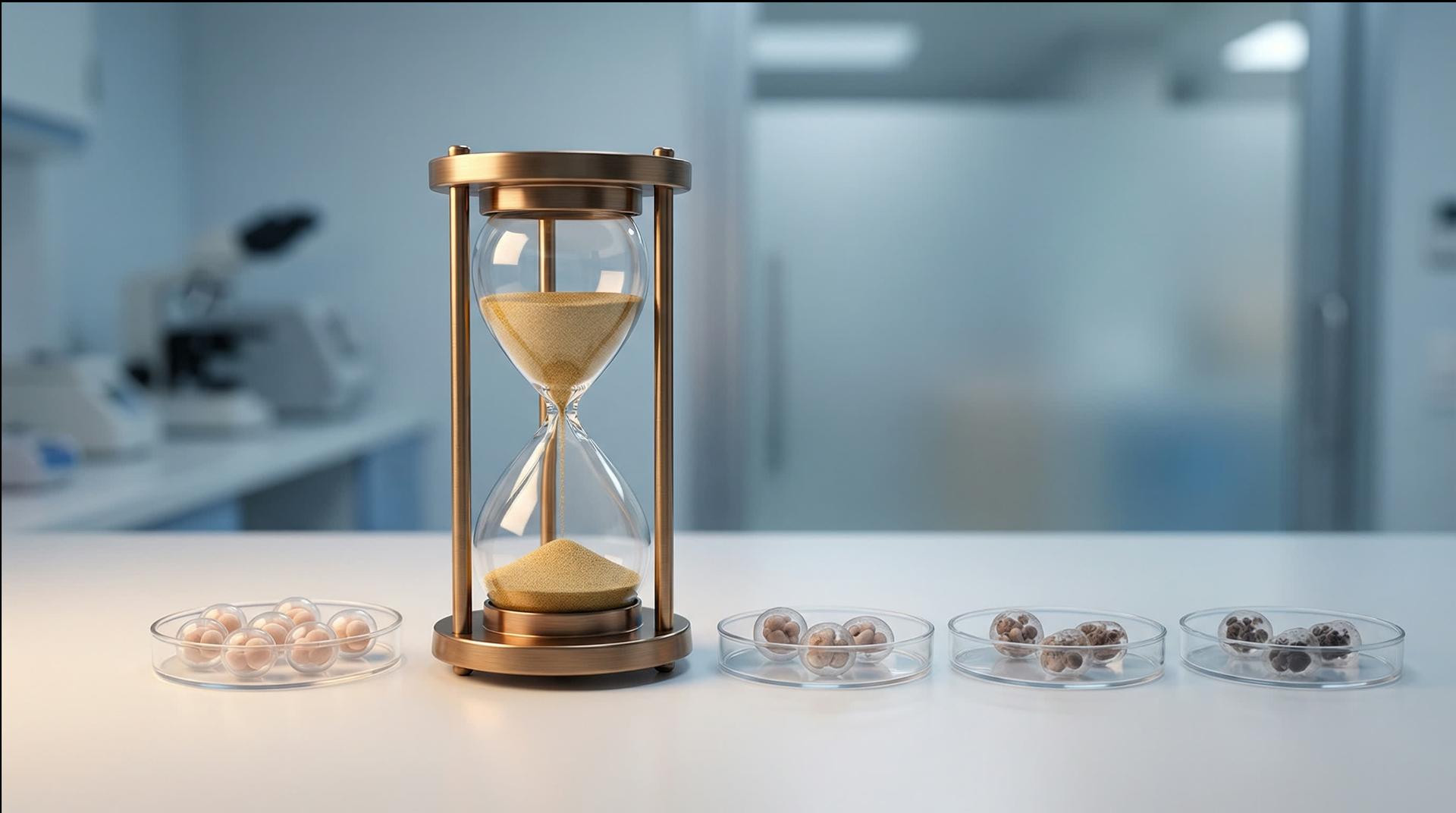
Intracytoplasmic sperm injection (ICSI) technique is considered one of the most prominent and advanced modern medical solutions for treating infertility, especially in cases of male factor infertility and poor sperm quality. However, despite the precision and sophistication of the procedure, a woman's age remains the primary factor that determines the chances of successful ICSI procedure. In this comprehensive and detailed article, we will explain the real success rates of ICSI technique according to age, clarify why age remains a crucial factor even when using advanced techniques like ICSI, and discuss how to improve chances of success despite the impact of age on fertility.
Does ICSI Technique Affect Pregnancy Chances Independently?
Although ICSI technique significantly and noticeably increases fertilization chances, it cannot modify egg quality or repair chromosomal abnormalities that may appear with advancing age. In other words, ICSI technique helps penetrate the egg and achieve successful fertilization, but it does not address the biological quality problems of eggs, which are significantly and fundamentally affected by age. This means that the success of the procedure depends largely on the quality of available eggs and their genetic integrity.
Real ICSI Success Rates by Age
Women Under 35 Years Old
This age group is considered the best and most positive in terms of egg quality and number of healthy and viable embryos. At this age, eggs are in their best condition in terms of quality and ability for natural development. Fertilization and implantation success rates are very high and noticeable. Pregnancy rates after ICSI range between 40% to 50% per attempt, which is a very encouraging rate. Live birth rates are approximately 35% to 45% per attempt, representing the best outcomes in fertility treatment.
Women Between 35 and 37 Years Old
At this stage, egg quality begins to decline gradually and slowly, but the decline is still relatively slow and manageable. Ovarian response to hormonal stimulation medications remains good and noticeable. Pregnancy rates after ICSI range between 35% to 40% per attempt. Live birth rates are approximately 28% to 35% per attempt, still representing reasonable success chances.
Women Between 38 and 40 Years Old
At this age, pregnancy chances begin to decline noticeably and obviously due to decreased egg quantity and increased likelihood of chromosomal abnormalities. Miscarriage rates increase noticeably. Pregnancy rates after ICSI range between 25% to 30% per attempt. Live birth rates are approximately 18% to 25% per attempt, showing a more significant decline in success.
Women Between 41 and 42 Years Old
This age is considered a difficult category in terms of IVF results regardless of the technique used. Ovarian reserve is usually very low, and the percentage of genetically abnormal embryos is much higher. Pregnancy rates after ICSI range between 15% to 20% per attempt. Live birth rates are approximately 10% to 15% per attempt, representing significantly lower success rates.
Women Over 42 Years Old
At this age, pregnancy chances decrease dramatically even with advanced techniques like ICSI. Very few eggs may be retrieved, and most may be unable to fertilize or result in genetically abnormal and non-viable embryos. Pregnancy rates after ICSI are less than 10% per attempt. Live birth rates are less than 5% per attempt, representing the lowest success rates in fertility treatment.
Why Do ICSI Success Rates Decrease with Advancing Age?
Declining Egg Quality
With advancing age, the likelihood of chromosomal abnormalities in eggs increases significantly and noticeably. This leads to fertilization failure, embryo implantation failure, early miscarriage, or non-viable pregnancy. Older eggs contain higher levels of chromosomal errors and genetic defects that cannot be corrected by ICSI.
Decreased Ovarian Response to Medications
With advancing age, ovaries may not respond with the same efficiency and effectiveness to hormonal stimulation medications, resulting in retrieval of fewer eggs per cycle. This reduces the available options to choose from and limits the number of embryos available for selection.
Changes in Uterine Lining
With age, the uterine lining may become thinner or less prepared and receptive for embryo implantation, reducing chances of successful implantation and pregnancy stability. Changes may occur in uterine blood flow and endometrial thickness.
Can ICSI Success Chances Be Improved with Advancing Age?
Although age is an unchangeable factor, there are practical and effective steps that can be taken to improve egg quality and significantly increase chances of success:
- Take nutritional supplements such as CoQ10, DHEA, and Omega-3 to improve egg quality
- Quit smoking, harmful drinks, and alcohol
- Exercise regularly and moderately
- Get adequate sleep and avoid psychological stress and pressure
- Freeze eggs at an early age (before 35 years) if possible
- Maintain a healthy and balanced weight
- Eat a healthy and balanced diet rich in vitamins and minerals
Conclusion and Key Points
Despite the advancement of ICSI technique and its ability to overcome many sperm-related problems with high efficiency, a woman's age remains the most important and fundamental factor in determining chances of successful pregnancy and healthy delivery. It is very important for women and their partners to have realistic and constructive expectations based on age, and to start treatment early if they have difficulty conceiving.
At Fertiliv IVF Center, we believe that time and knowledge are the keys to real success. Our medical team provides you with accurate assessment and personalized guidance to help you make the right decision at the right time. You can contact us now to learn more about ICSI technique or visit the clinic directly for consultation.
Frequently Asked Questions About ICSI Success Rates by Age
Yes, rates can be improved slightly through healthy lifestyle and nutritional supplements, but improvement will be limited due to age's effect on egg quality.
Yes, ICSI improves rates slightly in cases of poor sperm quality, but age's effect on egg quality remains the fundamental factor.
Yes, freezing eggs before age 35 provides better success rates when used later.
It is preferable not to exceed 3-4 attempts, and the doctor may recommend stopping if positive results are not achieved.

Comments (0)
There's no more comments