Poor Sperm Motility: Causes and Modern Treatment Methods

Manar Hegazy

Majd Eddin Khaled
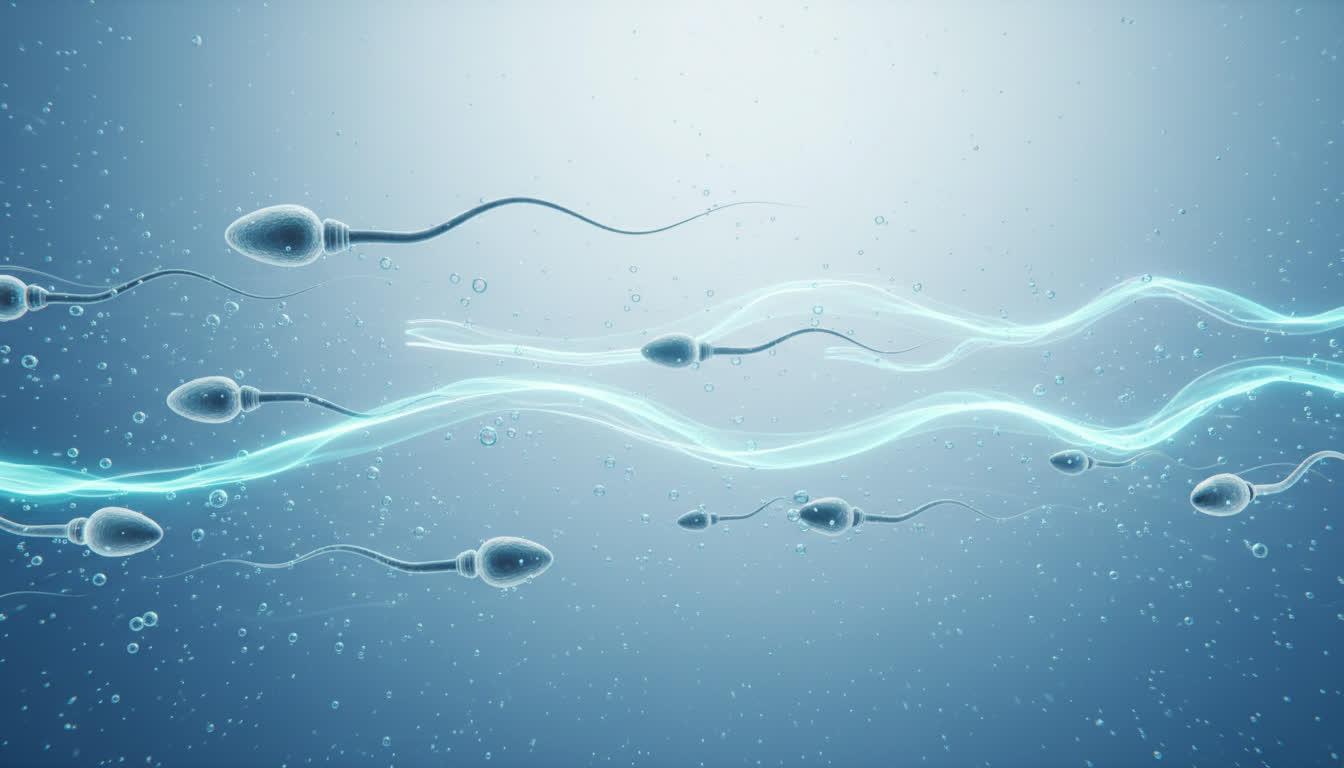
Poor sperm motility is one of the most common causes of male infertility. Sperm needs to move quickly and in the right direction to reach and penetrate the egg. When motility is poor, sperm may not be able to reach the egg, causing difficulty in achieving natural conception. At Fertiliv IVF Center, we see daily men suffering from poor sperm motility. This article explains the causes of this problem and the modern treatment methods available.
What Is Poor Sperm Motility (Asthenozoospermia)?
Poor sperm motility, also known as "asthenozoospermia," is a condition where a large number of sperm are unable to move effectively. This condition directly affects the sperm's ability to reach the egg.
Definition of Poor Motility and the Importance of Movement to Reach the Egg
Motility is one of the most important characteristics of healthy sperm. Sperm needs to move with strength and in the right direction to be able to:
- Pass through the vagina and uterus
- Reach the fallopian tube
- Reach the egg
- Penetrate the outer layers of the egg
- Fuse with the egg to form an embryo
When motility is poor, sperm may not be able to complete this complex journey.
Understanding Types of Movement: Progressive and Non-Progressive
There are two types of movement that are measured in semen analysis:
Progressive Motility:
- Sperm moves forward in a straight line or at an angle
- This type of movement is the most important for reaching the egg
- Normal percentage should be at least 32%
Non-Progressive Motility:
- Sperm moves but without obvious forward progress
- May move in circles or vibrate in place
- This type of movement does not help sperm reach the egg
If you suspect a problem with sperm motility, contact the Fertiliv team.
Common Causes of Poor Sperm Motility
There are several causes that may lead to poor sperm motility. Knowing the root cause is very important for choosing the right treatment.
Medical Causes Such as Varicocele and Infections
There are several medical conditions that may cause poor sperm motility:
Varicocele:
- Enlargement of veins in the testicle causes increased temperature
- Excess heat affects sperm motility
- May affect sperm quality in general
Infections and Inflammation:
- Prostatitis or seminal vesicle inflammation
- Bacterial infection may affect sperm motility
- May cause inflammation that creates oxidative stress harmful to sperm
Other Reproductive System Problems:
- Blockage of seminal ducts
- Prostate problems
- Seminal vesicle problems
The Effect of Lifestyle: Smoking, Obesity, and Heat
Lifestyle plays a very large role in sperm motility:
Smoking:
- Directly reduces sperm motility
- Increases oxidative stress
- Affects semen quality
- May cause permanent weakness in motility
Obesity:
- Raises testicle temperature
- Causes hormonal imbalance
- Increases oxidative stress
Heat Exposure:
- Hot baths and tight clothing
- Prolonged sitting
- Working in hot environments
Genetic and Hormonal Factors
Some causes may be genetic or hormonal:
- Hormonal imbalance: Low testosterone or FSH may affect motility
- Genetic problems: Some inherited conditions may cause poor motility
- Mitochondrial problems: Mitochondria provide energy for movement
Consult a specialist to determine the root cause of poor motility.
How Is Poor Sperm Motility Diagnosed?
Accurate diagnosis is the first step toward effective treatment.
The Role of Semen Analysis in Measuring Motility Rate
Semen analysis is the basic method for diagnosing poor sperm motility. The analysis is performed in a specialized laboratory:
Analysis Steps:
- Collect a semen sample
- Examine the sample under a microscope
- Measure the percentage of moving sperm
- Classify motility into progressive and non-progressive
- Measure movement speed
The analysis should be performed under certain conditions (specific temperature, specific time after ejaculation) to obtain accurate results.
Reading and Understanding Sperm Motility Results in Analysis
Test results show the following percentages:
- Fast Progressive Motility (PR): Normal percentage at least 25%
- Slow Progressive Motility (PR): Normal percentage at least 7%
- Non-Progressive Motility (NP): Any percentage
- Non-Moving Sperm (IM): Should be less than 50%
If progressive motility percentage is less than 32%, the condition is diagnosed as poor motility.
Modern Treatment Methods to Improve Sperm Motility
There are several treatment options available depending on the cause and condition.
Medical Treatments: Treating Underlying Causes (Such as Varicocele Surgery)
The first treatment should focus on treating the root cause:
Varicocele Surgery:
- Corrects enlarged veins
- Reduces testicle temperature
- Improves blood flow
- May improve sperm motility by 50-70%
Treating Infections:
- Antibiotics for bacterial infections
- Anti-inflammatory medications
- May improve motility after treating inflammation
Hormone Therapy:
- If the cause is hormonal
- Correct hormone levels
- May take several months to show results
Nutritional Supplements and Vitamins (Such as L-Carnitine, CoQ10)
Nutritional supplements may help improve sperm motility:
L-Carnitine:
- Provides energy for sperm
- May improve motility by 20-30%
- Recommended dose: 2-3 grams daily
CoQ10 (Ubiquinone):
- Powerful antioxidant
- Improves mitochondrial function
- May improve motility and count
- Recommended dose: 200-300 mg daily
Other Important Vitamins:
- Vitamin C: Antioxidant
- Vitamin E: Protects from oxidative stress
- Zinc: Important for sperm health
- Selenium: Improves motility
Assisted Reproductive Techniques Such as ICSI (Intracytoplasmic Sperm Injection)
If other treatments fail, assisted reproductive techniques may be the solution:
ICSI (Intracytoplasmic Sperm Injection):
- A single sperm is injected directly into the egg
- Sperm does not need to move
- Success rate is very high
- May be the best option for severe cases
IUI (Intrauterine Insemination):
- Sperm is placed directly in the uterus
- Reduces the distance sperm must travel
- May be helpful in mild to moderate cases
Practical Tips to Naturally Increase Sperm Motility
There are several steps that can be taken to improve sperm motility naturally.
Modifications to Diet and Lifestyle
Diet and lifestyle play a crucial role:
Beneficial Foods:
- Fatty fish (salmon and tuna)
- Nuts and seeds
- Fruits and vegetables rich in antioxidants
- Whole grains
- Poultry and eggs
Healthy Habits:
- Exercise regularly
- Get adequate sleep (7-9 hours)
- Reduce stress and psychological pressure
- Avoid smoking and alcohol
- Maintain a healthy weight
The Importance of Avoiding Excessive Heat on the Testicles
Heat directly affects sperm motility:
- Avoid hot baths: Use warm or cold water
- Avoid tight clothing: Wear loose and cotton clothes
- Avoid prolonged sitting: Take regular breaks
- Avoid laptop computers on the lap: Use a separate stand
- Avoid working in hot environments: If possible
Poor sperm motility is a common problem but treatable in most cases. Knowing the root cause is the first step toward solving it. There are several treatment options available, from lifestyle modifications to medical treatments and advanced techniques. Most men suffering from poor motility may restore fertility through appropriate treatment.
If you suffer from poor sperm motility, it is important to seek medical help. Early diagnosis and proper treatment may improve chances of natural or assisted conception. At Fertiliv IVF Center, we have expertise in diagnosing and treating poor sperm motility.
If you want a deeper understanding of your condition and available treatment options, contact the Fertiliv team via WhatsApp for specialized consultation and personalized treatment plan.

Comments (0)
There's no more comments