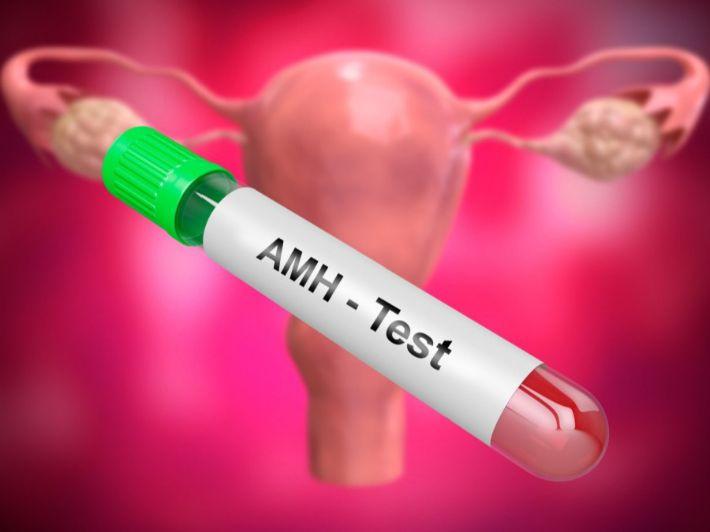
Ovarian Reserve Analysis: An Important Understanding for Women's Health

Manar Hegazy

Majd Eddin Khaled
Ovarian reserve analysis is one of the important tests that help women understand their reproductive health. This test is used specifically to assess fertility and provide an overview of a woman’s ability to conceive. Ovarian reserve is associated with the remaining number of eggs in the ovaries and serves as a key indicator of a woman’s biological age, unlike her chronological age. In this article, we will discuss the reasons why ovarian reserve analysis is important, how the test is conducted, the various expectations for the results, and how to handle these outcomes.
The Importance of Ovarian Reserve Analysis
Women turn to ovarian reserve analysis for several reasons, including:
- Fertility Assessment : This test is an initial step in evaluating a woman’s ability to conceive naturally. Many couples face fertility challenges, and ovarian reserve analysis can reveal an important aspect of this issue. It allows doctors to provide precise and personalized guidance on available options based on the condition of the ovaries.
- Future Pregnancy Planning : It can help women who plan to delay pregnancy make informed decisions. With the postponement of marriage and childbirth in many cultures, understanding ovarian reserve levels is an effective way to make early decisions about egg freezing or exploring other options to improve future chances of conception.
- Identifying Causes of Infertility : If a woman is having difficulty conceiving, ovarian reserve analysis can be part of the diagnostic tests that contribute to a broader understanding of infertility causes. This test can help determine whether the primary cause of infertility is due to a low egg count or other ovary-related issues.
- Determining Medical Intervention Plans : Doctors can use this analysis to identify the need for treatments such as in vitro fertilization (IVF). If the results indicate a low ovarian reserve, it may be advisable to consider IVF sooner rather than waiting and risking further loss of time.
How Ovarian Reserve Analysis is Conducted
Ovarian reserve analysis is usually performed through a simple blood test to measure levels of Anti-Müllerian Hormone (AMH), which is considered a direct indicator of the egg reserve in the ovaries. The test can be done at any time during the menstrual cycle and does not require fasting or special preparation. It can be performed at any medical center and is highly recommended for women between the ages of 30 and 40, especially if they are planning to delay childbearing.
Some additional steps may include:
- Transvaginal Ultrasound : Used to estimate the number of follicles within the ovaries. This test is performed in the clinic, where a small device called a transducer is inserted into the vagina to obtain a detailed image of the ovaries and assist in counting active antral follicles.
- Additional Hormone Testing : May include testing FSH and E2 levels on the third day of the menstrual cycle for a more comprehensive view. FSH (follicle-stimulating hormone) and E2 (estradiol) are important compounds that help assess ovarian health and function, providing a more complete picture of a woman’s reproductive status.
Interpreting the Results
The results of the AMH test are presented as a numerical reading indicating the hormone level in the blood. General interpretations are as follows:
- High Level (Above 2 ng/mL) : Indicates a good ovarian reserve and a strong ability to conceive. This level is reassuring, as it reflects an adequate number of antral follicles, increasing the chances of conceiving naturally.
- Moderate Level (Between 1 and 2 ng/mL) : Indicates a moderate ovarian reserve and reasonable ability to conceive. Women whose results fall within this range may still find their chances of pregnancy to be good, but regular monitoring is advised.
- Low Level (Below 1 ng/mL) : May indicate fertility challenges and requires specialized medical consultation. This could mean a low number of follicles producing eggs, which may affect a woman’s ability to conceive naturally.
It is worth noting that AMH levels can be influenced by various factors such as age, overall health, and sometimes genetic factors. Therefore, results should always be interpreted within a comprehensive medical context.
How to Handle the Results
Understanding the results and discussing them with a specialist doctor is the first step toward making the right decision. If the results are unsatisfactory, there may be several ways to address them, including:
- Medications : The doctor may prescribe medications to stimulate the ovaries. Such drugs increase the number of follicles produced each month, improving the chances of obtaining viable eggs for fertilization.
- Surgical Interventions : In some cases, surgery may be needed to improve ovarian function. For example, some women may benefit from surgery to remove ovarian cysts or other procedures that enhance ovarian health.
- Alternative Treatments : Some women explore alternative treatments like acupuncture or herbal remedies, but it is advisable to consult specialized doctors before starting any alternative treatment. While alternative therapies may improve overall health, they do not replace scientifically proven medical treatments.
- Assisted Reproductive Technologies (ART) : Techniques like IVF are commonly used when more complex interventions are required to achieve pregnancy. These methods can be particularly effective for women with low ovarian reserves.
- Egg Freezing : For women who wish to delay pregnancy, egg freezing can be considered as a means to preserve fertility for an extended period. This allows women to have viable eggs available for future use.
General Tips
- Regular Medical Consultation : Continuous follow-up with the treating doctor helps monitor reproductive health and take preventive measures if necessary.
- Maintaining a Healthy Lifestyle : This includes a balanced diet, regular physical exercise, and avoiding smoking and alcohol, as these factors significantly impact reproductive health.
Ovarian Reserve Test Costs for 2025
The cost of ovarian reserve testing varies from country to country and differs significantly between government and private hospitals. Typically, prices in the private sector are higher compared to government facilities due to the additional services offered.
In private hospitals, the cost may include additional services such as specialized medical consultations, immediate result evaluations, or the use of advanced technologies and high-quality equipment. These factors contribute to the higher cost compared to public centers.
It is always advisable to contact the medical center where you plan to undergo the test for accurate information regarding costs and available services, as prices vary based on location, the expertise of the medical staff, and the imaging equipment used.
Book an Appointment for Ovarian Reserve Testing at Fertiliv Clinic
Ovarian reserve analysis is a valuable tool that can provide deep insights into a woman’s reproductive health and assist her in planning for future pregnancy. Understanding these results and collaborating with specialized doctors can greatly contribute to achieving your fertility goals. Regardless of the results, accurate medical guidance and proactive planning remain the key to achieving the best health outcomes. Book an appointment now.

Comments (0)
There's no more comments