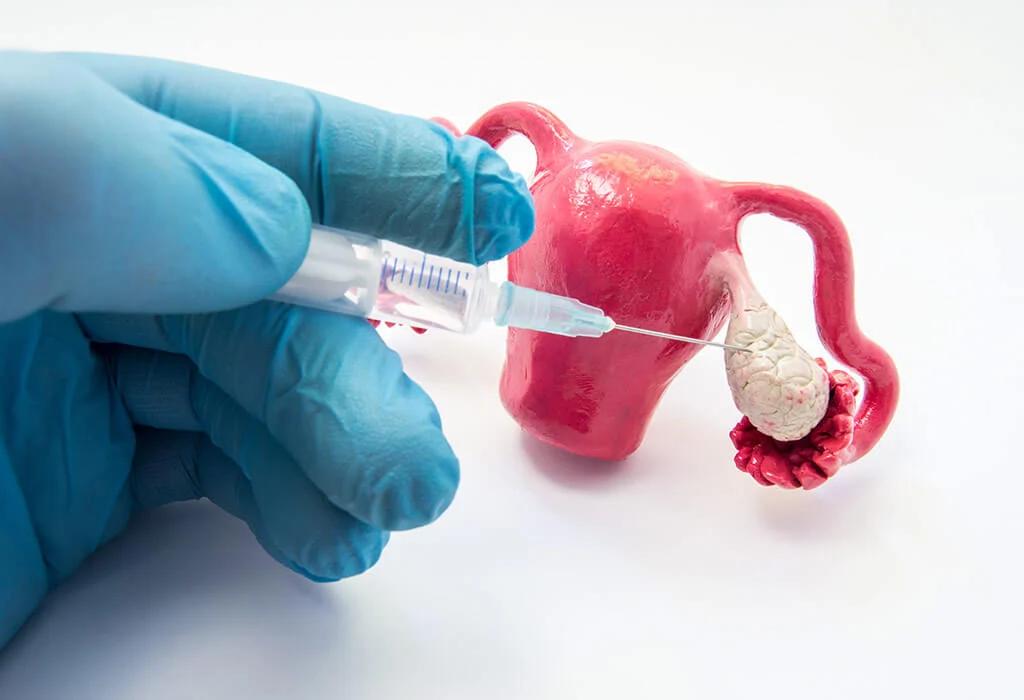
Optimal Use of Ovulation Induction Medications

Manar Hegazy

Majd Eddin Khaled
In the pursuit of the dream of parenthood by many couples, ovulation-stimulating medications have emerged as an effective medical solution for women who experience difficulties in ovulation. This treatment is often among the first options that doctors use to stimulate the ovaries to produce mature and fertilizable eggs. This article aims to explore the optimal use of these medications and the precautions that should be considered.
Types of Ovulation-Stimulating Medications
When discussing ovulation-stimulating drugs, attention is usually focused on several commonly used medications such as clomiphene citrate, letrozole, and hormonal drugs containing FSH and LH. These medications play a crucial role in inducing the ovaries to produce more eggs. They are typically taken orally or administered via injection, with the exact dosage depending on the individual and her response to treatment.
Medical Considerations for Using These Medications
To achieve the best results from these medications, their use must be under the supervision of a specialist in infertility and gynecology. The treating physician evaluates the patient's overall health condition and hormone levels to ensure that the treatment aligns with her needs. In addition, the doctor monitors progress using imaging and laboratory tests, such as ultrasound scans, to observe follicle growth and determine the optimal time for ovulation.
Potential Side Effects
It is also important to note that these medications may cause side effects such as bloating, mood swings, and headaches. Moreover, there is an increased risk of twin or multiple pregnancies due to the stimulation of the ovaries to release more than one egg at a time. Therefore, patients must be informed about the risks and benefits of treatment, and psychological support should be provided to help them successfully navigate this stage.
Enhancing Treatment Effectiveness
Adopting a healthy lifestyle plays a significant role in enhancing the effectiveness of ovulation-stimulating medications. Recommended practices include following a balanced diet rich in vitamins and minerals, engaging in regular physical activity, and maintaining a healthy weight. It is also advisable to reduce stress and anxiety, as these factors can impact medication effectiveness and treatment success.
Psychological and Social Aspects
Psychological and social support is an essential aspect that should not be overlooked during treatment. Couples can benefit from counseling to cope with potential changes and challenges that may arise during the treatment process. Joining support groups can also help individuals share experiences and receive helpful advice from others who have gone through similar situations.
In conclusion, the optimal use of ovulation-stimulating medications requires careful medical supervision and open communication between the patient and her doctor. Thanks to medical advancements and ongoing research, many women facing ovulation issues can safely and effectively achieve their dream of motherhood, provided that the treatment is part of a comprehensive and integrated care plan that considers the patient’s overall health status.

Comments (0)
There's no more comments