
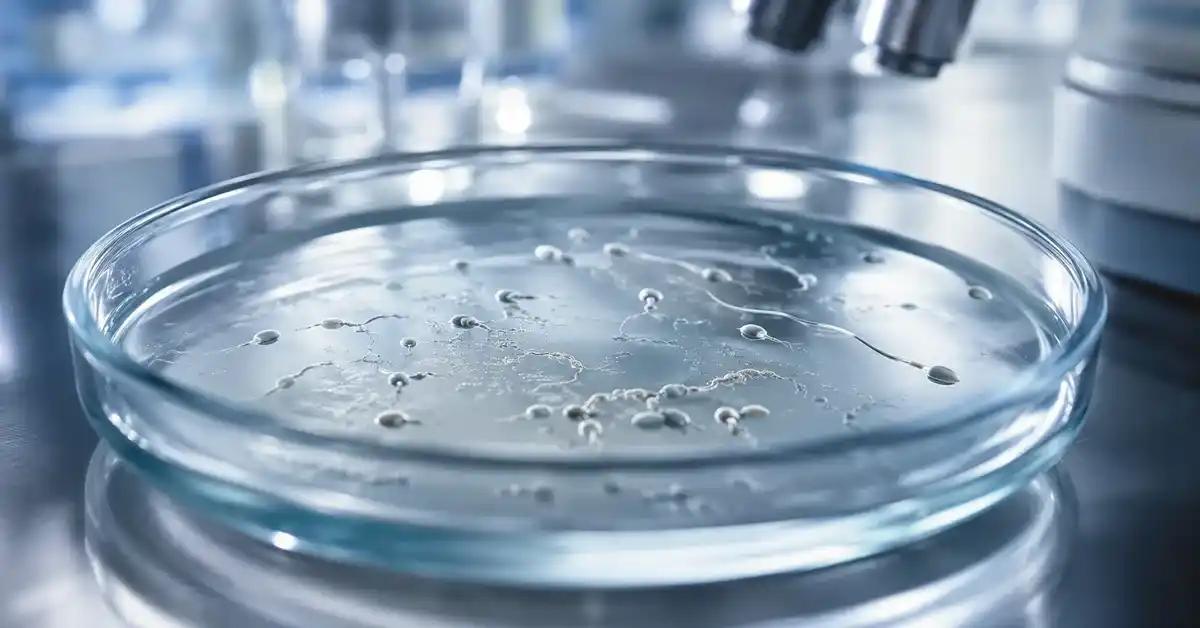
Male Sperm Weakness: Comprehensive Guide to Causes and Treatment

Manar Hegazy

Majd Eddin Khaled
Male sperm weakness, medically known as asthenozoospermia, is one of the most common causes of male infertility affecting couples worldwide. This condition is characterized by low sperm motility, meaning that sperm cells move slowly or inefficiently, reducing their ability to reach and fertilize an egg naturally. Poor sperm quality can significantly impact a couple's chances of achieving pregnancy, but the encouraging news is that numerous medical and natural treatment options are available to address this challenge.
Understanding the causes of male infertility related to sperm weakness is essential for choosing the right treatment approach. Factors contributing to male sperm weakness range from medical conditions such as varicocele and sperm health issues to hormonal imbalances, genetic factors, and environmental exposures. Lifestyle changes for sperm health, including diet, exercise, stress management, and avoiding harmful substances, play a crucial role in improving sperm motility. At Fertiliv in Istanbul, Turkey, we provide comprehensive evaluation and advanced treatments to help men overcome fertility challenges and achieve their dream of fatherhood.
This comprehensive guide explores everything you need to know about male sperm weakness, from understanding asthenozoospermia and its diagnosis through sperm analysis for motility, to exploring medical treatments including hormonal treatment for sperm weakness and surgical interventions. We will also discuss natural remedies for low sperm count, supplements for sperm motility, and practical daily habits for improving sperm motility. For couples facing severe cases, modern fertility treatments for men such as IUI for low sperm motility and IVF for male infertility with ICSI offer highly effective solutions. Understanding testicular health and sperm quality is the first step toward successful treatment and conception.
Understanding Asthenozoospermia: Definition and Types
Male sperm weakness, or asthenozoospermia, refers to a condition where sperm cells have reduced motility or movement capability. Normal sperm motility is essential for sperm to travel through the female reproductive tract, navigate the cervix, and reach the fallopian tubes where fertilization occurs. When sperm motility is compromised, the chances of natural conception decrease significantly, as sperm may not reach the egg in time or may lack the energy to penetrate it.
Sperm motility is classified into different categories according to World Health Organization standards. Progressive motility refers to sperm that move forward in straight lines or large circles, which is the most important type for fertility. Non-progressive motility includes sperm that move in small circles or vibrate in place without making forward progress. Low sperm motility means that the percentage of sperm with progressive movement is below normal levels, which is diagnosed through comprehensive sperm analysis for motility.
Medical Diagnostic Criteria
According to World Health Organization guidelines, a man is diagnosed with asthenozoospermia if less than 32% of his sperm demonstrate progressive motility. Total motility, which includes both progressive and non-progressive movement, is considered normal if it exceeds 40%. Any percentage below these thresholds indicates male sperm weakness and requires medical evaluation to determine the underlying causes of male infertility.
Sperm analysis for motility is the primary diagnostic tool for this condition. A semen sample is examined under a microscope to assess sperm count, morphology, and movement patterns. It is recommended to perform at least two analyses with a minimum two-week interval to confirm results, as sperm quality can be temporarily affected by factors such as illness, stress, or recent fever. This thorough evaluation helps identify poor sperm quality and guides treatment decisions.
Impact on Fertility and Conception
Male sperm weakness directly affects the ability to achieve natural pregnancy. Even if sperm count is normal and morphology is acceptable, low sperm motility can prevent sperm from reaching the egg in the limited time window available for fertilization. An egg remains viable for only 12-24 hours after ovulation, so slow-moving sperm may not arrive in time to complete fertilization successfully.
However, it is important to understand that asthenozoospermia does not mean pregnancy is impossible; rather, it means that natural conception chances are reduced and may take longer to achieve. Many couples dealing with this condition successfully achieve pregnancy through appropriate medical treatments, lifestyle changes for sperm health, or assisted reproductive technologies. At Fertiliv, we help couples understand their specific situation and select the most suitable treatment option to fulfill their dream of parenthood.
Read about: The Latest Treatments for Male Infertility: From Medications to Innovative Techniques
Medical and Genetic Causes of Sperm Weakness
The causes of male infertility related to sperm weakness are diverse and understanding them is crucial for selecting appropriate treatment. One of the most significant medical causes is varicocele and sperm health complications. Varicocele affects approximately 15% of all men and up to 40% of men experiencing fertility problems. This condition involves enlarged veins within the scrotum that cause increased testicular temperature and toxin accumulation, negatively impacting sperm production and motility.
Hormonal imbalances are closely linked to male sperm weakness. Hormones play a fundamental role in sperm production and maturation. Low testosterone levels or disorders affecting pituitary hormones such as FSH and LH can lead to poor sperm quality and reduced motility. Additionally, medical conditions including reproductive tract infections, sexually transmitted diseases, and chronic illnesses such as diabetes can be underlying causes of male infertility affecting sperm function.
Varicocele and Its Effect on Motility
Varicocele is an enlargement of veins within the scrotum, similar to varicose veins that occur in the legs. This condition impairs blood flow and raises testicular temperature above the optimal level needed for healthy sperm production. The elevated temperature damages the sperm production process and affects both quality and motility. Varicocele and sperm health are closely connected, and surgical treatment or embolization can significantly improve sperm parameters in many cases.
Research has shown that varicocele repair improves semen parameters in approximately 60-70% of cases, including notable improvements in sperm motility. Therefore, screening for varicocele is an essential part of evaluating causes of male infertility, and treating it may be the first solution before considering assisted reproductive technologies. At Fertiliv in Istanbul, we offer advanced varicocele treatment options with excellent success rates.
Hormonal Disorders and Their Impact
Hormonal treatment for sperm weakness becomes necessary when hormonal imbalances are identified as the underlying cause. The process of sperm production, known as spermatogenesis, requires a delicate balance of several hormones. Testosterone produced by the testes is essential for sperm maturation, while pituitary hormones FSH and LH regulate this process. Any disruption in these hormones can lead to low sperm motility and poor sperm quality.
Medical conditions such as pituitary insufficiency, thyroid disorders (both hyperthyroidism and hypothyroidism), and severe obesity can cause hormonal imbalances affecting fertility. Hormone level testing is an important part of evaluating causes of male infertility. Hormonal treatment for sperm weakness through medications or lifestyle modifications can significantly improve sperm motility and overall testicular health and sperm quality.
Genetic Factors and Congenital Abnormalities
Certain genetic conditions can be underlying causes of male infertility. Klinefelter syndrome, for example, is a genetic condition that affects hormone production and sperm generation. Additionally, genetic mutations in genes responsible for sperm motility, such as those affecting cilia and flagella structure, can lead to severe asthenozoospermia and male sperm weakness.
Congenital abnormalities in the reproductive system, such as obstructed sperm ducts or congenital absence of the vas deferens, can also affect sperm quality and motility. In these cases, surgical treatment or advanced assisted reproductive technologies may be the optimal solution. At Fertiliv, we provide comprehensive evaluations including genetic testing when necessary to identify the precise cause and deliver appropriate treatment for improving sperm motility.
Read about: Male Infertility: Causes and Advanced Medical Solutions
Lifestyle and Environmental Factors Affecting Sperm
Beyond medical causes, environmental factors and lifestyle choices play a significant role in influencing sperm motility. Exposure to harmful chemicals, pesticides, heavy metals, and radiation can damage sperm production and movement. Men working in industrial or agricultural environments may face higher risks from these exposures, making them common causes of male infertility in certain occupational groups.
Smoking and alcohol consumption are well-known factors that negatively affect poor sperm quality. Smoking contains toxic substances that damage sperm DNA and reduce motility, while alcohol affects hormone levels and sperm production. Obesity is also a significant factor, as it leads to hormonal imbalances and increased testicular temperature, both contributing to low sperm motility. Understanding these lifestyle changes for sperm health is essential for effective treatment.
Heat Exposure and Sperm Health
Sperm are highly sensitive to temperature, which is why the testicles are located outside the body in the scrotum to maintain a temperature approximately 2-4 degrees Celsius lower than core body temperature. Frequent exposure to high heat from hot baths, saunas, placing laptops on the lap, or wearing tight underwear can raise testicular temperature and harm sperm production and motility, affecting testicular health and sperm quality.
Studies have demonstrated that avoiding excessive heat exposure can improve sperm quality within a few months. Therefore, important lifestyle changes for sperm health include wearing loose-fitting underwear, avoiding prolonged hot baths, and keeping electronic devices away from the genital area. These simple modifications can make a noticeable difference in improving sperm motility over time.
Stress and Psychological Pressure
Chronic stress and psychological pressure can negatively impact fertility through several mechanisms. Stress leads to the release of hormones such as cortisol, which can disrupt the balance of sex hormones and reduce testosterone production. Additionally, stress can lead to unhealthy behaviors such as excessive smoking, poor sleep, and inadequate nutrition, all of which contribute to male sperm weakness.
Managing stress through relaxation techniques, regular exercise, adequate sleep, and psychological support can help improve overall health and fertility. At Fertiliv, we recognize the importance of the psychological aspect in the treatment journey and provide comprehensive support to help couples manage stress and emotional challenges associated with fertility concerns.

Medical and Surgical Treatment Options
Treatment for male sperm weakness depends on the underlying cause. In cases of varicocele and sperm health issues, surgical treatment or embolization can be highly effective. Varicocelectomy is a surgical procedure aimed at closing the enlarged veins and improving blood flow in the testicles. This treatment has shown excellent results in improving semen parameters, including sperm motility, in a significant percentage of cases.
When hormonal imbalances are identified, hormonal treatment for sperm weakness can correct the disorders. If there is a deficiency in testosterone or pituitary hormones, appropriate hormone therapies can be prescribed to stimulate sperm production and improve quality. Additionally, treating underlying medical conditions such as reproductive tract infections with antibiotics can improve sperm motility and overall testicular health and sperm quality.
Pharmaceutical Treatment and Supplements
Supplements for sperm motility have become an important part of treatment protocols. Antioxidants such as vitamin C, vitamin E, selenium, zinc, and folic acid have demonstrated effectiveness in improving sperm quality and movement. These supplements work by protecting sperm from oxidative damage caused by free radicals, thereby enhancing motility and fertilization capacity.
Coenzyme Q10 (CoQ10) is another supplement that has shown promising results in improving sperm motility. L-Carnitine and Acetyl-L-Carnitine play roles in energy production within sperm cells, enhancing their movement capability. Using these supplements for sperm motility should be under medical supervision, as it typically requires 3-6 months to see measurable improvements in sperm analysis for motility results.
Natural and Herbal Remedies
Herbal treatment for male infertility is an option some men prefer, although scientific evidence for its effectiveness is less robust than conventional medical treatments. Certain herbs such as ginseng, maca, tribulus, and ashwagandha have been traditionally used to improve male fertility. Some small studies have suggested these herbs may improve sperm count and motility, but more research is needed.
It is important to consult a fertility specialist before using any herbal remedies, as some herbs can interact with medications or cause side effects. The optimal treatment approach typically combines lifestyle changes for sperm health, scientifically-supported supplements for sperm motility, and medical treatments when necessary. At Fertiliv, we offer a comprehensive approach that integrates the best medical practices with nutritional support to achieve optimal results for improving sperm motility.
Read about: Modern Fertility Treatments for Men and Women: Transform Your Parenthood Dreams
Assisted Reproductive Technologies for Male Infertility
When medical and natural treatments do not sufficiently improve sperm motility for natural conception, assisted reproductive technologies become effective options. IUI for low sperm motility can be a suitable solution for mild to moderate cases of asthenozoospermia. In this procedure, sperm are washed and concentrated in the laboratory to select the most motile ones, then injected directly into the woman's uterus during ovulation, reducing the distance sperm must travel.
For more severe cases of male sperm weakness, IVF for male infertility offers better outcomes. In the in vitro fertilization process, eggs are retrieved from the woman and fertilized with sperm in the laboratory. If sperm motility is very poor, intracytoplasmic sperm injection (ICSI) can be used, where a single sperm is injected directly into an egg, completely bypassing the need for sperm motility.
Intrauterine Insemination (IUI)
IUI for low sperm motility works effectively when the problem is mild to moderate. This procedure is relatively simple and less costly than full IVF treatment. The semen sample is prepared in the laboratory through a process called "sperm washing" that separates the most motile and healthy sperm from seminal fluid and weak or dead sperm cells.
The concentrated sperm are then injected directly into the uterus using a thin catheter, timed with ovulation to maximize fertilization chances. This procedure reduces the distance and barriers sperm must overcome, increasing pregnancy chances even with low sperm motility. Success rates range from 10-20% per attempt, depending on several factors including the woman's age and egg quality. This represents one of the effective modern fertility treatments for men.
In Vitro Fertilization and ICSI
IVF for male infertility can achieve excellent results, especially when combined with ICSI technology. In ICSI, an embryologist selects a single sperm with good morphology (even if its motility is poor) and injects it directly into an egg using a very fine needle under a microscope. This technique completely bypasses the need for sperm motility, making it highly effective even in cases of severe asthenozoospermia and poor sperm quality.
ICSI success rates with male sperm weakness are high, with fertilization rates reaching 70-80% of mature eggs. Pregnancy rates depend primarily on the woman's age and egg and embryo quality, rather than solely on sperm quality. At Fertiliv in Istanbul, Turkey, we utilize the latest ICSI technologies and maintain high success rates, giving couples facing male infertility significant hope in achieving their dream of parenthood through these modern fertility treatments for men.
Read about: Do Natural Fertility Vitamins Really Boost Your Chances of Conception?
Practical Daily Habits for Better Sperm Health
Beyond medical treatments, there are numerous practical daily habits that can contribute to improving sperm motility. Maintaining a healthy weight through balanced nutrition and regular exercise helps optimize hormone levels and sperm quality. A diet rich in antioxidants, vitamins, and minerals supports testicular health and sperm quality while protecting against oxidative damage that contributes to low sperm motility.
Avoiding smoking, excessive alcohol, and recreational drugs is essential, as these substances directly harm sperm production and movement. Managing stress through relaxation techniques, yoga, meditation, or engaging in enjoyable hobbies can improve overall health and fertility. Getting adequate sleep (7-8 hours nightly) is important for hormonal balance and healthy sperm production. These lifestyle changes for sperm health can make a significant difference over time.
Nutrition and Dietary Supplements
A diet rich in vitamins and minerals plays a crucial role in testicular health and sperm quality. Foods high in antioxidants such as fresh fruits and vegetables (especially berries, citrus fruits, tomatoes, and dark leafy greens) protect sperm from oxidative damage. Foods rich in omega-3 fatty acids such as fatty fish, nuts, and flax seeds improve sperm quality and motility.
Supplements for sperm motility can be beneficial when diet does not provide adequate amounts of essential nutrients. Zinc, selenium, vitamin C, vitamin E, folic acid, and coenzyme Q10 are all supplements that have demonstrated effectiveness in improving semen parameters. It is recommended to take these natural remedies for low sperm count for at least 3-6 months to see measurable improvement, as the sperm production cycle takes approximately 74 days.
Healthy Daily Practices
Important lifestyle changes for sperm health include wearing loose-fitting underwear made from natural cotton, as tight clothing raises testicular temperature and harms sperm production. Avoiding prolonged hot baths, saunas, and placing laptops on the lap for extended periods is also important for maintaining optimal testicular temperature and improving sperm motility.
Regular moderate exercise (30-45 minutes, 3-5 times weekly) improves circulation, reduces stress, and optimizes hormone levels. However, excessive or very intense exercise should be avoided, as it can increase cortisol and decrease testosterone. Staying well-hydrated by drinking adequate water daily is also important for producing healthy semen. These simple adjustments represent effective natural remedies for low sperm count and poor sperm quality.
Read about: The Best Foods to Naturally Boost Fertility in Men and Women
Conclusion
Male sperm weakness is a common challenge many couples face on their journey to parenthood, but it is far from insurmountable. Understanding the causes of male infertility, whether medical such as varicocele and sperm health issues or hormonal imbalances, or environmental and lifestyle-related factors, is the first step toward effective treatment. Through comprehensive sperm analysis for motility and medical evaluations, the precise cause can be identified and appropriate treatment selected.
Treatment options are diverse and include medical and surgical interventions such as varicocele repair and hormonal treatment for sperm weakness, as well as supplements for sperm motility and lifestyle modifications. Natural remedies for low sperm count, including dietary changes, stress management, avoiding smoking and alcohol, and maintaining healthy weight, all contribute to improving sperm motility. Even herbal treatment for male infertility can be a useful complement when used wisely under medical supervision.
When conventional treatments are insufficient, assisted reproductive technologies such as IUI for low sperm motility or IVF for male infertility with ICSI offer highly effective solutions. At Fertiliv in Istanbul, Turkey, we provide comprehensive evaluation for each case and utilize the latest modern fertility treatments for men to help couples achieve their dream of parenthood. Our team of experts is ready to provide support and appropriate treatment for every couple, focusing on positive outcomes and comprehensive care. Understanding testicular health and sperm quality, along with symptoms of low sperm count, empowers men to take control of their fertility journey and seek timely help.
For additional information about daily habits for improving sperm motility and a personalized treatment plan for your case, you can contact the Fertiliv team via WhatsApp.
Frequently Asked Questions: Male Sperm Weakness - Comprehensive Guide
What are the most common causes of male sperm weakness?
The causes of male infertility related to sperm weakness are numerous and include medical, genetic, and environmental factors. One of the most significant medical causes is varicocele and sperm health complications, affecting approximately 40% of men with fertility problems. Varicocele causes increased testicular temperature and toxin accumulation, negatively impacting sperm production and motility. Hormonal imbalances are also closely linked to male sperm weakness, as disorders in testosterone or pituitary hormones affect sperm quality. Environmental and lifestyle factors such as smoking, alcohol consumption, obesity, heat exposure, and chronic stress all contribute to low sperm motility and poor sperm quality.
How is male sperm weakness diagnosed?
Male sperm weakness is primarily diagnosed through sperm analysis for motility. In this test, a semen sample is examined under a microscope to assess sperm count, morphology, and movement patterns. According to World Health Organization standards, a man is diagnosed with asthenozoospermia if less than 32% of sperm show progressive motility or if total motility is below 40%. It is recommended to perform at least two analyses with a minimum two-week interval to confirm results, as sperm quality can be temporarily affected by illness or stress. Additional tests may include hormone level assessments, testicular ultrasound, or genetic testing to identify the underlying causes of male infertility and determine testicular health and sperm quality.
What are the best treatments for improving sperm motility?
Treatment depends on the underlying cause. For varicocele and sperm health issues, surgical repair or embolization can improve motility in 60-70% of cases. When hormonal imbalances are identified, hormonal treatment for sperm weakness through medications can correct disorders and improve sperm production. Supplements for sperm motility such as antioxidants (vitamin C, E, selenium, zinc), folic acid, and coenzyme Q10 have demonstrated effectiveness in improving sperm quality. Lifestyle changes for sperm health including quitting smoking, reducing alcohol, losing weight, avoiding heat exposure, and managing stress are essential. Natural remedies for low sperm count through dietary improvements and herbal treatment for male infertility can also be beneficial. In severe cases, modern fertility treatments for men such as IUI for low sperm motility or IVF for male infertility with ICSI are highly effective options.
Can natural pregnancy occur with male sperm weakness?
Yes, natural pregnancy can occur with male sperm weakness, though chances are lower than normal and may take longer to achieve. Asthenozoospermia does not mean pregnancy is impossible; rather, it means reduced monthly conception probability. In mild cases of low sperm motility, natural pregnancy may occur within a year or more of regular attempts. Improving lifestyle and following recommendations for lifestyle changes for sperm health can increase natural conception chances. If pregnancy does not occur after one year of regular attempts (or six months if the woman is over 35), it is advisable to consult a fertility specialist to evaluate the condition and discuss treatment options or assisted reproductive technologies. Understanding symptoms of low sperm count and seeking timely medical attention improves outcomes significantly.
What are the success rates of assisted reproductive technologies for male sperm weakness?
Success rates for assisted reproductive technologies with male sperm weakness are very encouraging. IUI for low sperm motility achieves success rates of 10-20% per attempt in mild to moderate cases, where the most motile sperm are concentrated and injected directly into the uterus. IVF for male infertility, especially with ICSI technology, achieves excellent results even in severe asthenozoospermia cases. ICSI fertilization rates reach 70-80% of mature eggs, and pregnancy rates depend primarily on the woman's age and egg quality rather than solely on sperm quality. At Fertiliv in Istanbul, Turkey, we utilize the latest modern fertility treatments for men and achieve high success rates, giving couples facing poor sperm quality significant hope in achieving their dream of parenthood.