
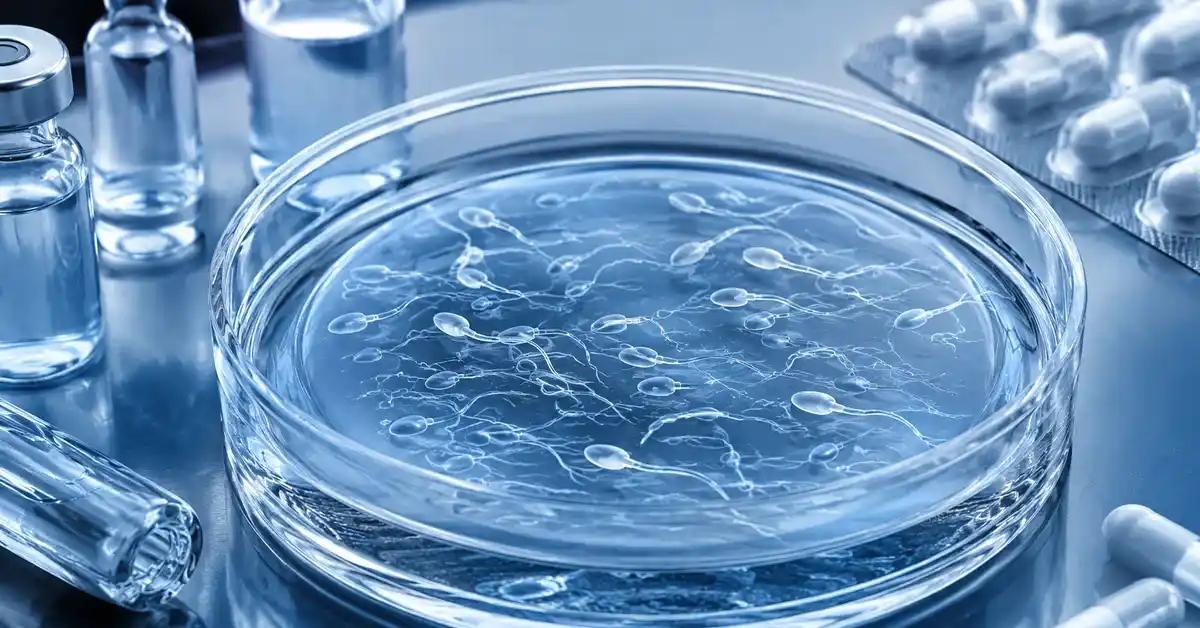
The Latest Treatments for Male Infertility: From Medications to Innovative Techniques

Manar Hegazy

Majd Eddin Khaled
The field of male infertility treatment has witnessed remarkable advancement in recent years, with the latest male infertility treatments ranging from traditional pharmaceutical approaches to innovative techniques based on stem cell therapy and gene editing. Hormonal treatment for male infertility represents an effective option for cases resulting from hormonal imbalance, while ICSI for male infertility provides advanced solutions for severe sperm weakness. Lifestyle changes for male infertility and antioxidants for sperm quality form the first lines of treatment, while techniques such as Micro TESE sperm extraction and TESA sperm retrieval technique offer new hope for men suffering from azoospermia. Male infertility treatment medications have evolved significantly, and innovative techniques for male infertility including stem cell therapy for male infertility and exosome therapy for male infertility are showing promising results. At Fertiliv, we offer a comprehensive range of these advanced treatments to help couples achieve their dream of parenthood.
Foundational Treatments: Lifestyle and Hormonal Medications
Lifestyle changes for male infertility represent the first and fundamental step in addressing male fertility problems. Recent studies have shown that simple lifestyle modifications can significantly improve sperm quality, count, and motility. Quitting smoking, reducing alcohol consumption, maintaining a healthy weight, exercising regularly, and avoiding excessive heat exposure all contribute to improving male fertility. Adequate sleep and stress management also have positive effects on sperm production. Research demonstrates that men who adopt a healthy lifestyle see improvements in semen parameters within 3-6 months, as the sperm production cycle takes approximately 74 days.
Antioxidants for sperm quality play a pivotal role in protecting sperm from oxidative damage. Oxidative stress is one of the primary causes of poor sperm quality, as free radicals damage sperm DNA and reduce motility. Antioxidants such as vitamin C, vitamin E, zinc, selenium, carnitine, and coenzyme Q10 have proven effective in improving semen parameters. Studies show that taking antioxidants for 3-6 months can improve sperm count by up to 50% and motility by up to 30%. These supplements work by neutralizing harmful free radicals and protecting sperm cell membranes and DNA from damage.
Hormonal Treatment: Modern Medications and Protocols
Hormonal treatment for male infertility targets cases resulting from hypogonadism or hormonal imbalance. Clomiphene citrate and letrozole are among the most commonly used male infertility treatment medications to stimulate sperm production. Clomiphene works by stimulating the pituitary gland to secrete LH and FSH hormones, thereby increasing testosterone and sperm production. Studies have shown that clomiphene treatment for 3-6 months can improve sperm concentration by 30-40% in appropriate cases. Letrozole, an aromatase inhibitor, works similarly by reducing estrogen conversion and increasing testosterone levels.
hCG (human chorionic gonadotropin) and FSH (follicle-stimulating hormone) are used in cases of secondary hypogonadism, where the problem lies in the pituitary gland rather than the testes. Combined treatment with hCG and FSH can stimulate sperm production in men with low levels of these hormones. Aromatase inhibitors such as anastrozole are used to achieve hormonal balance in men with high estrogen-to-testosterone ratios, improving sperm quality. The latest male infertility treatments rely on personalized hormonal protocols based on comprehensive hormonal analysis for each patient. At Fertiliv IVF clinic, we conduct thorough hormonal assessments to determine the most appropriate treatment protocol for each individual case.
Read about: Male Sperm Weakness: Comprehensive Guide to Causes and Treatment
Assisted Reproductive Techniques and Surgical Interventions
ICSI for male infertility (Intracytoplasmic Sperm Injection) represents a revolution in treating severe male infertility cases. In ICSI, a single sperm is injected directly into the egg, bypassing the need for large numbers of sperm or strong motility. This technique is particularly effective in cases of severely low sperm count, severe motility weakness, or morphological abnormalities. Success rates range from 50-70% depending on egg quality and the wife's age. ICSI has transformed the treatment landscape for male factor infertility, allowing men with very poor semen parameters to father biological children.
IMSI treatment for poor sperm quality (Intracytoplasmic Morphologically Selected Sperm Injection) is an advanced technique of ICSI that uses a high-power microscope (more than 6000x magnification) to select the optimal sperm in terms of shape and internal structure. This technique allows examination of very fine details in the sperm head, such as the presence of vacuoles that may indicate DNA damage. Studies have shown that IMSI can improve pregnancy and implantation rates in cases where conventional ICSI attempts have failed, especially in cases of recurrent miscarriage or repeated implantation failure. The ability to visualize sperm at such high magnification enables embryologists to select the healthiest sperm for injection.
Surgical Sperm Retrieval Techniques
Micro TESE sperm extraction (Microdissection Testicular Sperm Extraction) is the most advanced technique for extracting sperm directly from testicular tissue in cases of azoospermia. In this technique, the surgeon uses a surgical microscope to examine testicular tissue with high precision and identify seminiferous tubules containing sperm. Success rates for Micro TESE sperm extraction range from 40-60% in non-obstructive azoospermia cases, significantly higher than conventional techniques. This advanced surgical technique for male infertility allows careful examination of testicular tissue to locate areas of sperm production even in severely affected testes.
TESA sperm retrieval technique (Testicular Sperm Aspiration) and PESA (Percutaneous Epididymal Sperm Aspiration) are less complex techniques used in obstructive azoospermia cases, where sperm are produced normally but do not reach the semen due to blockage in the reproductive tract. TESA involves aspirating sperm directly from the testis using a fine needle, while PESA aspirates from the epididymis. Treatment of obstructive azoospermia can be done surgically in some cases, but sperm retrieval techniques provide an effective alternative when surgical repair is not possible or successful. At Fertiliv in Turkey, we offer all these advanced surgical techniques for male infertility with high success rates.
Corrective Surgeries for Fertility Improvement
Varicocele treatment and male infertility is one of the most common surgical interventions in male infertility treatment. Varicocele is the enlargement of veins within the scrotum, affecting about 15% of men and 40% of infertile men. Varicocele causes increased testicular temperature and toxin accumulation, negatively affecting sperm production. Surgical varicocele repair can improve semen parameters in 60-70% of cases, with improvements in sperm count, motility, and morphology. Studies show that natural pregnancy rates increase by 30-40% after varicocele repair in appropriate cases. Advanced surgical techniques like microsurgical varicocelectomy minimize complications and maximize success rates.
Read about: Male Infertility: Causes and Advanced Medical Solutions
Innovative Therapies: Stem Cells and Regenerative Medicine
Stem cell therapy for male infertility represents one of the most promising fields in regenerative medicine. Stem cells have the ability to differentiate into various cell types, including sperm-producing cells. Current research focuses on using embryonic stem cells, induced pluripotent stem cells (iPSCs), and mesenchymal stem cells (MSCs) to restore sperm production function in men suffering from complete sperm production failure. While still largely experimental, stem cell therapy for male infertility has shown encouraging results in animal studies and early human trials.
Mesenchymal stem cell-based medications for male infertility are among the experimental treatments derived from mesenchymal stem cells. These medications contain growth factors and cytokines secreted by stem cells, which can stimulate tissue regeneration and improve testicular function. Preliminary studies have shown promising results in improving sperm production and quality, though these treatments are still in clinical research stages and have not been widely approved. The potential of these innovative techniques for male infertility lies in their ability to address the root cause of sperm production failure rather than just managing symptoms.
Reprogrammed Stem Cells and Exosome Therapy
Reprogrammed stem cells to restore reproductive tissue functions use induced pluripotent stem cells (iPSCs) produced from the patient's own cells. These cells are reprogrammed to become capable of differentiating into sperm-producing cells. The main advantage of this approach is that it uses the patient's own cells, reducing the risk of immune rejection. Current research in Japan and the United States has shown success in producing sperm-like cells from iPSCs in the laboratory, though clinical use is still in early stages. This represents one of the most exciting frontiers in the future of male infertility treatments.
Exosome therapy for male infertility is an innovative approach using small vesicles (exosomes) secreted by stem cells. Exosomes contain proteins, DNA, and RNA that can transfer regenerative signals to target cells. Recent studies have shown that exosomes derived from mesenchymal stem cells can improve sperm motility, reduce oxidative stress, and enhance the testicular microenvironment. This treatment is considered safer than transplanting stem cells themselves, as there is no risk of tumor formation or immune rejection. At Fertiliv fertility center, we closely monitor developments in these innovative techniques for male infertility and participate in clinical research for promising experimental treatments.
Read about: Modern Fertility Treatments for Men and Women: Transform Your Parenthood Dreams
Genetic and Molecular Advanced Treatments
Genetic treatments for male infertility represent the next generation of therapies targeting genetic causes of infertility at the molecular level. Approximately 15-20% of male infertility cases have genetic causes, including Y chromosome microdeletions, Klinefelter syndrome, and mutations in genes responsible for sperm production. CRISPR gene editing and male infertility offers the possibility of correcting these genetic mutations at the DNA level. CRISPR-Cas9 technology allows precise cutting and replacement of specific DNA segments with high accuracy.
Current research in animals has shown success in correcting genetic mutations causing infertility and restoring sperm production. In mice, CRISPR has been used to correct mutations in genes such as DAZL and TEX11 that cause sperm production failure, leading to fertility restoration. However, use of CRISPR gene editing for male infertility treatment in humans is still in early research stages and faces significant ethical and regulatory challenges. The potential to correct genetic defects that cause infertility could revolutionize treatment for men with genetic forms of infertility.
Future Possibilities and Ethical Considerations
Future possibilities of genetic treatments for male infertility include not only correcting genetic mutations but also modifying gene expression to improve testicular function and sperm production. Gene therapy could also target genes responsible for hormone responsiveness, improving the effectiveness of hormonal treatment for male infertility. Techniques such as RNA interference (RNAi) therapy and microRNA therapy can be used to regulate gene expression without altering the DNA itself. These approaches may offer safer alternatives to direct gene editing.
Modern challenges include the safety and security of these new treatments, especially regarding long-term effects and the possibility of transmitting genetic modifications to future generations. Ethical issues related to human gene editing require broad discussion and establishment of strict regulatory frameworks. At Fertiliv in Istanbul, we follow developments in this field closely and offer our patients the latest approved and safe treatments while participating in clinical research for promising experimental therapies. The future of male infertility treatments will likely involve personalized medicine approaches combining genetic analysis with tailored treatment protocols.

Complex Cases and Future Outlook
Azoospermia (absence of sperm in semen) represents one of the most complex male infertility cases, where no sperm are found in the ejaculate. Azoospermia treatment for male infertility is divided into two types: obstructive (where sperm are produced but do not reach the semen due to blockage) and non-obstructive (where there is failure in sperm production). Hormonal azoospermia treatment can be effective in cases resulting from hypogonadism, where hormonal treatment with hCG and FSH can stimulate sperm production in some cases. Response to treatment depends on the underlying cause and severity of the condition.
In obstructive azoospermia cases, surgical treatment of blockage can be performed through reconstruction of the vas deferens or epididymis. However, when surgical repair is not possible or successful, sperm retrieval techniques such as TESA or PESA provide an effective alternative. In non-obstructive azoospermia cases, Micro TESE sperm extraction is the optimal choice, as small pockets of sperm production can be found even in testes suffering from near-complete failure. Success depends on the cause of azoospermia, with higher success rates in cases of maturation arrest compared to Sertoli cell-only syndrome.
Advanced Surgical Techniques and Recent Innovations
SIVCA (Single Incision Varicocelectomy with Cremasteric Artery preservation) is an advanced surgical technique for varicocele repair while preserving the cremasteric artery, reducing the risk of testicular atrophy after surgery. This technique uses a single small incision and surgical microscope to identify and preserve important arteries while ligating dilated veins. Success rates are high with fewer complications compared to conventional techniques. This represents one of the advanced surgical techniques for male infertility that minimizes risks while maximizing outcomes.
The latest male infertility treatments also include using artificial intelligence in selecting optimal sperm for ICSI, DNA fragmentation analysis to identify genetic damage, and advanced imaging techniques to assess sperm quality more accurately. Ongoing research also explores using 3D bioprinting to create artificial testicular tissue capable of producing sperm, and using nanotechnology to deliver medications directly to the testes with higher efficiency. These innovations represent the future of male infertility treatments and may revolutionize how we approach male factor infertility in the coming decades.
Read about: Do Natural Fertility Vitamins Really Boost Your Chances of Conception?
Conclusion
The latest male infertility treatments range from effective traditional options to promising innovative techniques. Lifestyle changes for male infertility and antioxidants for sperm quality represent first-line treatments, while hormonal treatment for male infertility provides effective solutions for hormonal cases. ICSI for male infertility, IMSI treatment for poor sperm quality, and Micro TESE sperm extraction offer hope for severe cases. Varicocele treatment and male infertility along with surgical correction of obstructions can restore natural fertility in many cases. Stem cell therapy for male infertility, exosome therapy for male infertility, and genetic treatments for male infertility represent the future of regenerative fertility medicine. Male infertility treatment medications continue to evolve, and innovative techniques for male infertility are constantly being developed. At Fertiliv, we offer a comprehensive range of these advanced treatments with the highest standards of quality and safety. For comprehensive consultation and to determine the best treatment plan for your condition, you can contact the Fertiliv team via WhatsApp.
Frequently Asked Questions: Latest Male Infertility Treatments
What are the latest male infertility treatments available today?
The latest male infertility treatments include a wide range of options. Hormonal treatment for male infertility uses medications such as clomiphene, hCG, and FSH to stimulate sperm production. ICSI for male infertility and IMSI treatment for poor sperm quality provide advanced solutions for severe cases. Micro TESE sperm extraction and TESA sperm retrieval technique are used in azoospermia cases. Stem cell therapy for male infertility and exosome therapy for male infertility are promising experimental treatments. Genetic treatments for male infertility and CRISPR gene editing represent the future of treatment. Male infertility treatment medications have evolved significantly, and innovative techniques for male infertility including advanced surgical techniques continue to develop. Varicocele treatment and male infertility through microsurgical repair also shows excellent results.
How does stem cell therapy for male infertility work?
Stem cell therapy for male infertility uses the ability of stem cells to differentiate into sperm-producing cells. Mesenchymal stem cell-based medications contain growth factors that can stimulate testicular regeneration. Reprogrammed stem cells to restore reproductive tissue functions use induced pluripotent stem cells from the patient's own cells. Exosome therapy for male infertility uses small vesicles from stem cells to improve sperm motility and reduce oxidative stress. These innovative techniques for male infertility can potentially restore sperm production function in severe cases. However, these treatments are still in clinical research stages and not yet widely approved. The future of male infertility treatments will likely include more refined stem cell approaches as research progresses.
What is the difference between ICSI and IMSI for male infertility?
ICSI for male infertility involves injecting a single sperm directly into the egg using a microscope with 200-400x magnification. IMSI treatment for poor sperm quality uses a high-power microscope (more than 6000x magnification) to examine fine details in sperm structure, such as the presence of vacuoles in the head. IMSI allows more precise selection of optimal sperm, improving success rates in cases of repeated ICSI failure or recurrent miscarriage. Both techniques are effective, but IMSI is recommended in more complex cases. These represent important innovative techniques for male infertility that have significantly improved outcomes for couples with severe male factor infertility.
When is Micro TESE sperm extraction used?
Micro TESE sperm extraction is used in non-obstructive azoospermia cases where no sperm are present in the semen due to production failure. This advanced surgical technique for male infertility uses a surgical microscope to examine testicular tissue with high precision and identify seminiferous tubules containing sperm. Success rates range from 40-60%. TESA sperm retrieval technique is used in obstructive azoospermia cases where sperm are produced but do not reach the semen due to blockage. Both techniques provide sperm that can be used in ICSI for male infertility. These represent the latest male infertility treatments for azoospermia and offer hope to men who previously had no treatment options.
Does varicocele treatment improve fertility?
Varicocele treatment and male infertility shows significant improvement in sperm quality. Varicocele causes increased testicular temperature and toxin accumulation, negatively affecting sperm production. Surgical varicocele repair improves semen parameters in 60-70% of cases, with improvements in count, motility, and morphology. Natural pregnancy rates increase by 30-40% after repair. SIVCA is an advanced surgical technique that preserves the cremasteric artery, reducing complications. Varicocele treatment is recommended for men with palpable varicocele and abnormal semen parameters. This represents one of the most effective advanced surgical techniques for male infertility with proven long-term benefits for male reproductive health.