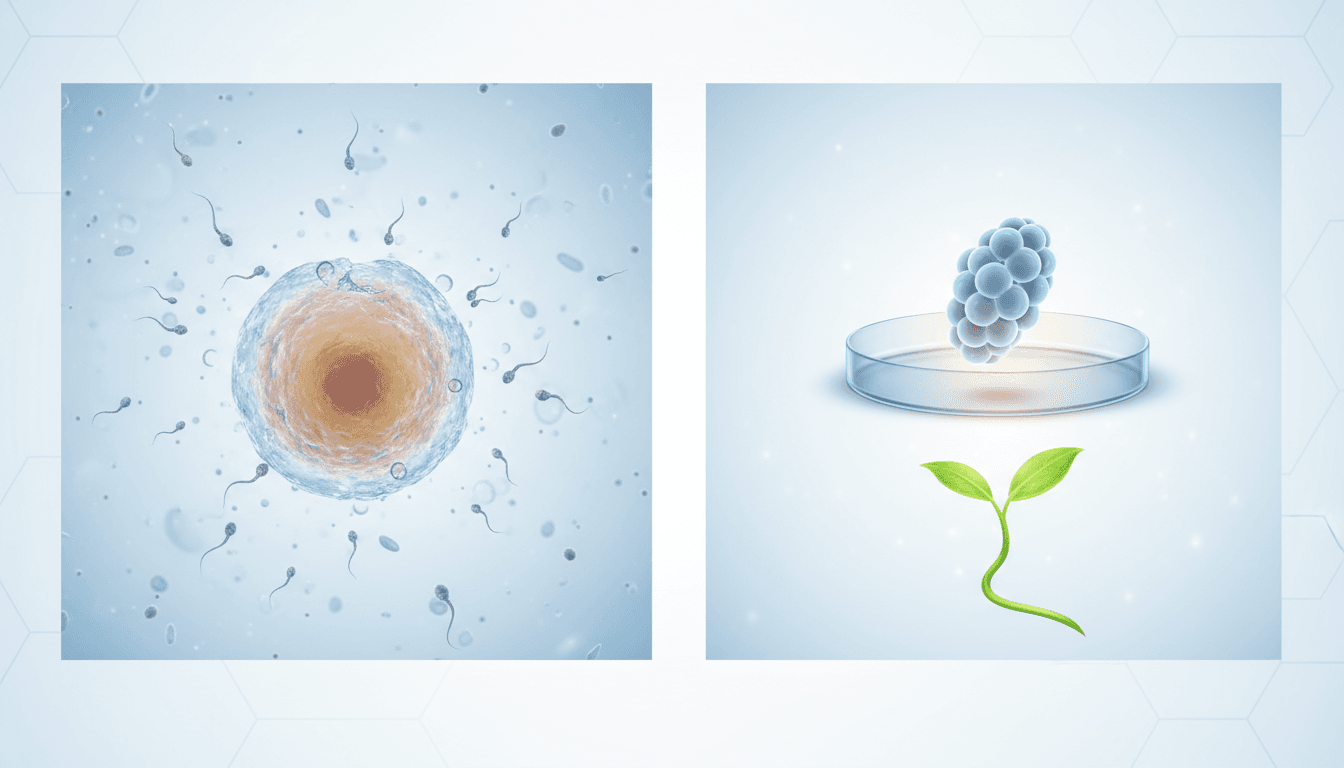
IVF Pregnancy After Age 50: What You Need to Know

Manar Hegazy

Majd Eddin Khaled
In an era where medical technology advances at a remarkable pace, the dream of motherhood has become achievable even at later stages of life. IVF after 50 presents a unique set of opportunities and challenges that require careful consideration, especially given the physiological changes a woman's body undergoes during this life stage.
Chances of pregnancy after 50 differ significantly from younger age groups, with advance planning playing a crucial role in achieving success. Women who froze their eggs at a younger age possess substantially better prospects compared to those attempting to use fresh eggs at this age, which is typically not possible due to menopause.
At Fertiliv Fertility Center, we provide specialized medical care that combines cutting-edge technology with extensive expertise to help women achieve their dream of motherhood safely. This comprehensive guide explores everything you need to know about IVF for women over 50, from success rates to critical medical advice for a safe pregnancy journey.
Pregnancy Chances and Success After Age 50
IVF Success Rate After 50 and Influencing Factors
IVF success after age 50 depends fundamentally on the source of eggs used in the procedure. Eggs that were frozen at a younger age (typically before 35) retain their high quality and ability to fertilize and develop into healthy embryos, giving women a genuine chance of pregnancy even after turning 50.
When a woman uses her own eggs frozen at a younger age, the IVF success rate after 50 becomes quite encouraging and comparable to success rates at younger ages. These rates depend on several factors:
Key Factors Affecting Success Rates:
1. Age of Eggs at Freezing:
The younger a woman was when freezing her eggs, the better the egg quality and higher the success chances. Eggs frozen before age 30 yield the best results, followed by those frozen between 30-35 years. After age 38, egg quality begins to decline noticeably even when frozen.
2. Number of Frozen Eggs:
Having a sufficient number of frozen eggs increases success chances. It's typically recommended to freeze an adequate number of eggs to ensure a good chance of obtaining viable embryos for transfer. Not all frozen eggs survive the thawing process, and not all surviving eggs fertilize successfully.
3. Uterine Health:
Although ovaries stop producing eggs after menopause, the uterus can remain capable of carrying a pregnancy if overall health is good. The uterine lining is prepared using hormone therapy (estrogen and progesterone) to make it receptive to the embryo.
4. Overall Health Status:
Women who enjoy good health, appropriate weight, normal blood pressure, and are free from uncontrolled chronic diseases have better chances for successful and safe pregnancy. Conditions like diabetes and hypertension must be under complete control.
5. Partner's Sperm Quality:
Although men can produce sperm at advanced ages, sperm quality is also affected by age. A comprehensive sperm analysis is necessary to assess successful fertilization chances.
Getting Pregnant After 50 with IVF: Reality and Expectations
Getting pregnant after 50 with IVF requires a realistic understanding of challenges and opportunities. Natural pregnancy chances after 50 are virtually non-existent, as most women enter menopause between 45-55 years, meaning the ovaries stop producing eggs.
Therefore, IVF for women over 50 relies entirely on using previously frozen eggs. This makes advance planning in one's twenties or early thirties a wise investment for women considering postponing childbearing for professional or personal reasons.
Stages of IVF After 50 Using Frozen Eggs:
- Comprehensive Medical Assessment: Complete evaluation of overall health, cardiac function, kidney and liver function, and uterine condition assessment
- Hormonal Preparation: Using estrogen to prepare the uterine lining and make it suitable for embryo reception
- Thawing Frozen Eggs: A precise process requiring high expertise to ensure maximum egg survival
- ICSI Fertilization: Direct injection of sperm into the egg to ensure highest fertilization rates
- Embryo Development Monitoring: Monitoring embryos for 5-6 days to reach the blastocyst stage
- Embryo Transfer: Transferring one or two embryos to the prepared uterus
- Close Monitoring: Intensive pregnancy monitoring after transfer
Best Age for IVF Treatment and Importance of Early Planning:
The best age for IVF treatment in terms of natural success chances is between 25-35 years, when eggs are at their optimal quality. However, freezing eggs at this age allows women to preserve these high chances even when deciding to conceive at a later age.
Therefore, advanced fertility centers like Fertiliv Fertility Center advise women to consider egg freezing in their early thirties if planning to postpone childbearing. For detailed consultation about egg freezing and future pregnancy chances, contact the Fertiliv team via WhatsApp.
Risks and Medical Challenges
IVF Risks After 50 and Potential Complications
Pregnancy risks after age 50 increase significantly compared to younger ages, even when using high-quality frozen eggs. These risks relate primarily to physiological changes in a woman's body rather than egg quality.
Main Risks of Pregnancy After 50:
1. Gestational Hypertension and Preeclampsia:
Women over 50 are significantly more susceptible to developing high blood pressure during pregnancy and preeclampsia. These conditions can be dangerous for both mother and baby and require intensive medical monitoring.
2. Gestational Diabetes:
The risk of developing gestational diabetes increases with age. This condition requires careful blood sugar monitoring and a special diet, and may need insulin treatment.
3. Cesarean Delivery:
Most pregnancies after age 50 end in cesarean delivery due to risks associated with natural birth at this age. Cesarean delivery itself carries higher risks with advancing age.
4. Preterm Birth:
The likelihood of preterm birth (before week 37) is higher in pregnancy after 50, which may lead to health problems for the baby requiring special care.
5. Cardiovascular Complications:
Pregnancy places additional stress on the heart and blood vessels. Women over 50 are more prone to cardiac problems during pregnancy, especially if they have a history of heart disease.
6. Blood Clots:
The risk of blood clots (deep vein thrombosis or pulmonary embolism) increases with both age and pregnancy combined.
IVF Failure After 50: Causes and Prevention
IVF failure after 50 may occur for several reasons, even when using eggs frozen at a younger age. Understanding these causes helps improve success chances.
Causes of IVF Failure After 50:
- Egg Survival from Thawing: Even with the best freezing techniques, not all eggs survive the thawing process
- Fertilization Failure: Some eggs may not fertilize even with direct ICSI
- Embryo Development Arrest: Some embryos may stop growing before reaching a suitable stage for transfer
- Implantation Failure: Even good-quality embryos may not implant in the uterine lining, especially if the lining is not optimal
- Early Miscarriage: Miscarriage risk increases with maternal age, even when using young eggs
- Uterine Condition: Presence of fibroids, adhesions, or other uterine problems may hinder pregnancy success
Strategies to Reduce Failure Risk:
- Freeze sufficient number of eggs at a young age
- Conduct comprehensive uterine examination before starting treatment
- Treat any uterine problems before embryo transfer
- Improve overall health and weight before starting treatment
- Complete control of any chronic diseases
- Choose a specialized center with extensive experience in advanced-age cases
- Psychological preparation for the possibility of needing more than one attempt
Menopause IVF pregnancy is entirely dependent on using previously frozen eggs, as the ovaries naturally stop producing eggs. However, with advance planning and egg freezing, this challenge can be successfully overcome.
Requirements and Conditions for IVF Over 50
Conditions for IVF Treatment and Medical Evaluation
Requirements for IVF treatment over 50 are more stringent than for younger age groups, ensuring the safety of both mother and baby. Comprehensive medical evaluation is the first and most important step before beginning any treatment.
Essential Requirements for IVF After 50:
1. Cardiovascular Health:
A comprehensive cardiac examination must be conducted including:
- Electrocardiogram (ECG)
- Echocardiogram to assess heart function
- Stress test if necessary
- Blood pressure must be normal or under complete control
2. Metabolic Tests:
- Blood sugar level and glycated hemoglobin (HbA1c)
- Kidney function (creatinine and urea)
- Liver function
- Blood lipid levels
3. Uterine Assessment:
- Ultrasound examination to assess uterine condition and endometrial thickness
- Hysteroscopy if there is suspicion of problems
- Ensuring absence of large fibroids or adhesions
4. Body Mass Index (BMI):
BMI should preferably be within the healthy range. Being overweight or severely underweight increases pregnancy risks.
5. Psychological Status:
Psychological assessment to ensure emotional and mental readiness to bear the responsibility of pregnancy and motherhood at this age.
6. Family Support:
Having a strong support network from spouse and family is extremely important.
Medical Preparation for IVF Treatment
Medical preparation for IVF after 50 requires a preparation period that may extend for several months to improve overall health and increase success chances.
Medical Preparation Steps:
1. Improving Overall Health:
- Achieving healthy weight through balanced diet and moderate exercise
- Complete control of any chronic diseases like diabetes or hypertension
- Complete smoking cessation at least several months in advance
- Avoiding alcohol and harmful substances
2. Nutritional Supplements:
- Folic acid several months before attempting conception
- Vitamin D if deficient
- Omega-3 to support cardiovascular health
- Multivitamin supplements designed for pregnancy
3. Medication Review:
Comprehensive review of all medications with the doctor to ensure they are safe during pregnancy. Some medications may need adjustment or replacement.
4. Hormonal Preparation:
Before embryo transfer, hormone therapy is used to prepare the uterine lining:
- Estrogen to stimulate uterine lining growth
- Progesterone to support implantation and early pregnancy
- Close ultrasound monitoring to measure endometrial thickness
5. Psychological Preparation:
- Counseling sessions to deal with anxiety and stress
- Realistic understanding of risks and challenges
- Preparation for the possibility of needing more than one attempt
- Planning for support during pregnancy and after delivery
For a comprehensive assessment of your health status and to determine if you are a suitable candidate for IVF after 50, contact Fertiliv Fertility Center experts via WhatsApp for specialized medical consultation.
Essential Advice for Safe Pregnancy After 50
Safe Pregnancy After 50 and Risk Reduction
Advice for safe pregnancy after 50 focuses on reducing potential risks and ensuring the safety of both mother and baby throughout pregnancy. Safe pregnancy after 50 is possible with careful medical monitoring and adherence to medical recommendations.
Essential Advice for Safe Pregnancy:
1. Intensive Medical Monitoring:
Pregnancy after 50 requires more frequent monitoring than regular pregnancy:
- Regular and frequent visits in the first trimester
- More frequent visits in the second trimester
- Weekly visits in the final trimester
- Continuous monitoring of blood pressure and blood sugar
- Regular tests to detect any complications early
2. Proper Nutrition:
A balanced diet rich in essential nutrients:
- High-quality proteins (lean meats, fish, eggs, legumes)
- Calcium for bone health (dairy products, leafy greens)
- Iron to prevent anemia (red meat, spinach, lentils)
- Folic acid throughout pregnancy
- Omega-3 for fetal brain development
- Avoiding raw or undercooked foods
3. Moderate Physical Activity:
- Daily walking for appropriate duration if doctor permits
- Light exercises designed for pregnant women
- Avoiding strenuous activities or vigorous sports
- Listening to your body and resting when needed
4. Stress Management:
- Relaxation techniques like deep breathing and meditation
- Getting psychological support when needed
- Avoiding stressful situations as much as possible
- Adequate sleep and appropriate rest
5. Monitoring Warning Signs:
Contact your doctor immediately if any of these symptoms appear:
- Vaginal bleeding
- Severe abdominal pain
- Persistent severe headache
- Sudden swelling in face or hands
- Vision disturbances
- Decreased fetal movement
- Symptoms of preterm labor
Fertility Treatment After 50: Practical Strategies
Fertility treatment after 50 requires a comprehensive approach that begins before pregnancy and continues throughout pregnancy and after delivery.
Risk Reduction Strategies:
1. Controlling Chronic Diseases:
If you have any chronic diseases, they must be under complete control:
- Diabetes: Maintaining blood sugar levels within normal range
- Hypertension: Controlling it with pregnancy-safe medications
- Thyroid Disorders: Adjusting hormone levels
- Autoimmune Diseases: Close monitoring with specialist
2. Preventive Medications:
The doctor may prescribe preventive medications at appropriate doses to prevent some complications, especially for women at high risk.
3. Monitoring Fetal Growth:
- Regular ultrasound examinations to monitor fetal growth
- Doppler examination to assess blood flow in umbilical cord and placenta
- Daily fetal movement monitoring in the final trimester
4. Delivery Planning:
- Most pregnancies after 50 require planned cesarean delivery
- Choosing a hospital equipped with neonatal intensive care unit
- Having a medical team specialized in high-risk cases
- Planning delivery at the appropriate time according to doctor's recommendations
5. Postpartum Care:
- Close monitoring of blood pressure and blood sugar after delivery
- Monitoring signs of postpartum depression
- Getting help with baby care
- Adequate rest and good nutrition
6. Importance of Early Egg Freezing:
The best way to reduce risks is advance planning. Freezing eggs in your twenties or early thirties provides:
- High-quality eggs with better success chances
- Sufficient time to improve overall health before pregnancy
- Flexibility in choosing the right timing for childbearing
- Reducing psychological pressure associated with the biological clock
Practical Considerations and Medical Follow-up
IVF Cost After 50 and Choosing the Right Clinic
IVF cost after 50 varies depending on several factors, including individual condition, chosen center, and required procedures. Understanding the different cost components is important for good financial planning.
Total Cost Components:
1. Egg Freezing Cost (if not done previously):
If you haven't frozen eggs previously, this opportunity may not be available after age 50 due to ovarian cessation. Therefore, the main cost will be for using previously frozen eggs.
2. IVF Cycle Cost:
- Thawing frozen eggs
- ICSI fertilization
- Embryo development monitoring
- Embryo transfer
- Cost varies by center and services provided
3. Hormonal Medications:
- Estrogen and progesterone for uterine preparation
- Pregnancy support medications after transfer
- Cost depends on medication type and duration of use
4. Medical Tests:
- Comprehensive medical assessment before starting
- Blood tests and ultrasounds
- Cardiac and cardiovascular examinations
5. Pregnancy Monitoring:
- Frequent doctor visits
- Additional tests for high-risk pregnancy
- Cost depends on health insurance system and center
Criteria for Choosing the Right IVF Clinic:
Choosing the right center is crucial for treatment success, especially in complex cases like pregnancy after 50:
- Experience with Advanced-Age Cases: Choose a center with extensive experience dealing with women over 45-50
- Success Rates: Request success rates specific to your age group
- Advanced Technologies: Ensure use of latest freezing and thawing techniques
- Integrated Medical Team: Presence of specialists in cardiology, endocrinology, and psychiatry
- Personalized Care: Center providing customized treatment plan for your case
- Transparency: Center being frank about risks and challenges
- Psychological Support: Availability of counseling services
- Reputation and Reviews: Positive evaluations from previous patients
Treatment Timeline and Medical Monitoring
The treatment timeline and medical monitoring for IVF after 50 differ from younger cases and require longer preparation and follow-up time.
Treatment Timeline:
1. Assessment and Preparation Phase (several months):
- Initial consultation and comprehensive tests
- Treatment of any discovered health problems
- Improving overall health and weight
- Starting nutritional supplements
2. Hormonal Preparation Phase (several weeks):
- Starting estrogen treatment to prepare uterine lining
- Regular ultrasound monitoring
- Adjusting doses according to response
3. Egg Thawing and Fertilization Phase:
- Thawing frozen eggs
- ICSI on the same day
4. Embryo Monitoring Phase (several days):
- Monitoring embryo development in laboratory
- Selecting best embryos for transfer
5. Embryo Transfer and Waiting Phase (two weeks):
- Transferring embryo to uterus
- Waiting period for pregnancy test
6. Early Pregnancy Monitoring (first weeks):
- Frequent tests to confirm pregnancy
- Monitoring hormone levels
- Ultrasound to see gestational sac and fetal heartbeat
Long-term Monitoring:
If pregnancy succeeds, you will need intensive monitoring throughout the nine months as a high-risk pregnancy. This includes:
- More frequent visits than regular pregnancy
- Additional tests to monitor your health and baby's health
- Careful delivery planning
- Postpartum care
At Fertiliv Fertility Center, we provide comprehensive care and careful monitoring at every stage of treatment. Contact us via WhatsApp for detailed information about procedures and expected timeline for your specific case.
Conclusion
IVF after 50 represents a significant medical challenge, but it is possible with good advance planning and specialized medical care. Chances of pregnancy after 50 depend crucially on freezing eggs at a younger age, as high-quality eggs provide much better success prospects.
IVF success after age 50 requires comprehensive medical assessment, good overall health, and complete commitment to careful medical monitoring. IVF risks after 50 are real and must be considered, but with proper medical management they can be significantly reduced.
Advice for safe pregnancy after 50 includes intensive monitoring, proper nutrition, chronic disease control, and psychological preparation. Safe pregnancy after 50 is possible when appropriate health conditions and specialized medical support are available.
At Fertiliv Fertility Center, we offer extensive experience in handling complex cases and late-age pregnancy. Our specialized medical team provides comprehensive care starting from initial assessment and continuing throughout pregnancy and beyond. To begin your journey to motherhood safely and confidently, contact Fertiliv Fertility Center via WhatsApp now and get detailed consultation customized for your condition and goals.
Frequently Asked Questions: IVF After 50
Can I get pregnant naturally after age 50?
Natural pregnancy chances after 50 are extremely rare, approaching zero. Most women enter menopause between 45-55 years, meaning ovaries stop producing eggs. Menopause IVF pregnancy is entirely dependent on using eggs frozen at a younger age. Therefore, advance planning and egg freezing in your twenties or early thirties is the key to achieving the dream of motherhood at a later age.
What is the IVF success rate after 50?
IVF success rate after 50 depends greatly on the egg source. When using eggs frozen at a young age (before 35), success rates are encouraging and comparable to rates at younger ages. Attempting to use fresh eggs after 50 is practically impossible due to ovarian cessation. IVF success after age 50 also requires good overall health, healthy uterus, and complete commitment to medical monitoring.
What are the main risks of pregnancy after 50?
Pregnancy risks after 50 include gestational hypertension and preeclampsia (much higher than younger ages), gestational diabetes, preterm birth, cardiovascular complications, and blood clots. IVF risks after 50 relate primarily to physiological changes in a woman's body rather than frozen egg quality. Therefore, comprehensive medical assessment before starting treatment is necessary, and intensive monitoring during pregnancy is crucial to reduce these risks.
What are the requirements for IVF treatment over 50?
Requirements for IVF treatment over 50 include good cardiovascular health (comprehensive cardiac examination and normal blood pressure), healthy kidney and liver function, appropriate body mass index, healthy uterus capable of carrying pregnancy, complete control of any chronic diseases, having eggs frozen at a young age, and psychological and emotional readiness for pregnancy and motherhood. The best age for IVF treatment in terms of natural success chances is 25-35 years, but freezing eggs at this age allows their use later.
How do I choose the right clinic for IVF after 50?
Choosing the right IVF clinic depends on several important criteria: extensive experience dealing with advanced-age cases, success rates specific to the age group, use of latest technologies, integrated medical team including cardiology and endocrinology specialists, personalized customized care, transparency in explaining risks and challenges, availability of psychological support, and good reputation with positive reviews. IVF cost after 50 varies by center and services, but the most important factors are expertise and quality.

Comments (0)
There's no more comments