In Vitro Fertilization After Age 40: Challenges and Opportunities

Manar Hegazy

Majd Eddin Khaled
In vitro fertilization (IVF) represents a ray of hope for many women over the age of 40 who wish to conceive. However, pursuing pregnancy at this stage in life requires a deep understanding of complex biological and medical challenges, as well as an exploration of opportunities provided by advancements in reproductive medicine and technology.
Part One: The Challenges
Decline in Egg Quality
- Ovarian Reserve: As women age, their ovarian reserve declines, meaning fewer opportunities to obtain high-quality eggs for fertilization. In addition, the number of ovarian follicles decreases, a condition known as diminished ovarian reserve.
- Chromosomal Changes: Older eggs have a higher likelihood of chromosomal abnormalities, which can lead to failed fertilization or early miscarriage.
Increased Pregnancy Risks
- Health Complications: Older women are more likely to suffer from chronic conditions such as hypertension and diabetes, which may complicate pregnancy and increase the chances of preterm birth or fetal growth restriction.
- Fetal Risks: The likelihood of congenital anomalies increases due to the higher probability that older eggs contribute to developmental disorders.
- Higher Miscarriage Rates: Studies show that women over 40 face higher rates of miscarriage, which can reach 50% or more, often due to chromosomal instability in embryos.
Need for Additional Assisted Techniques
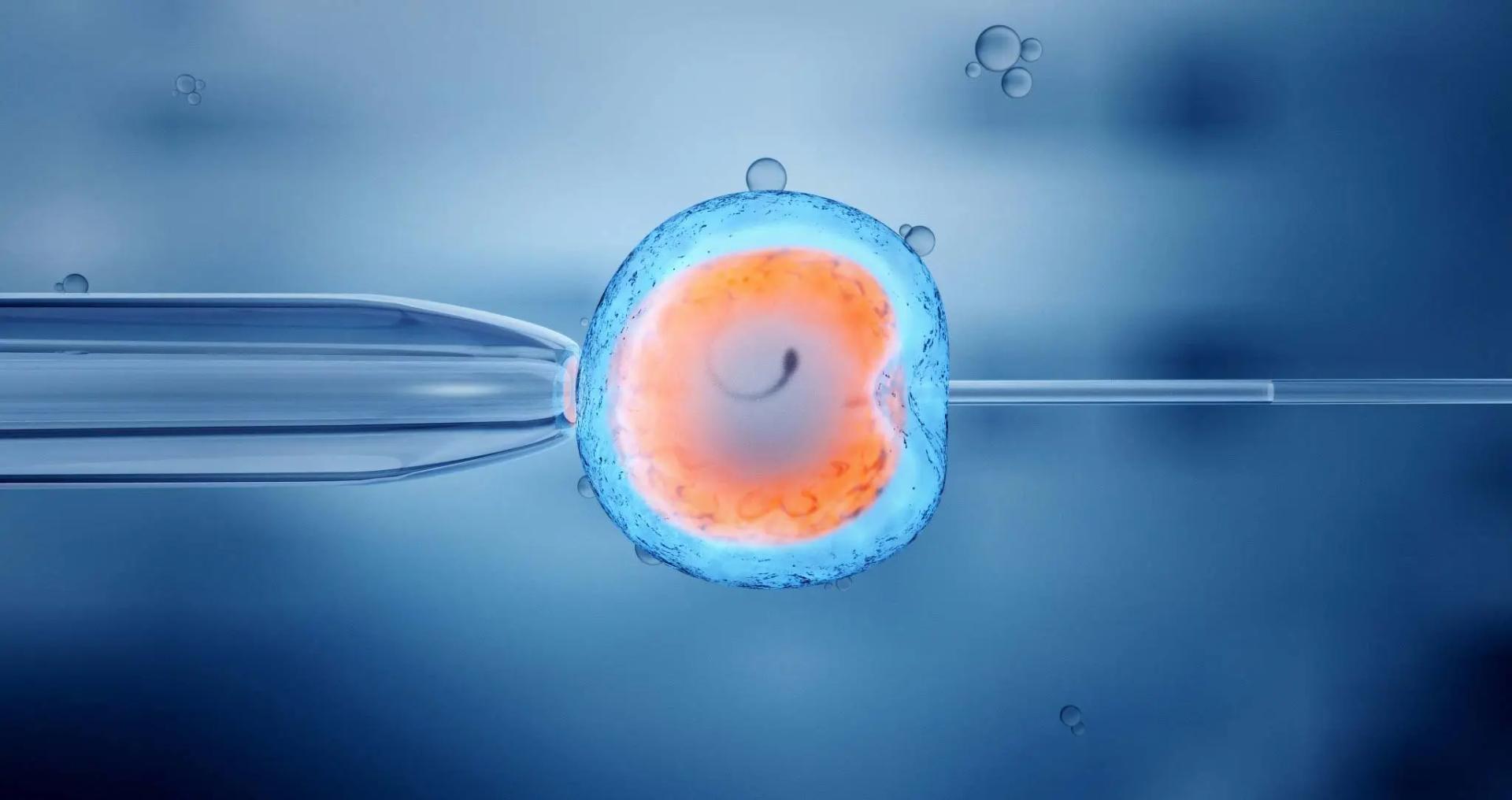
- In some cases, it may be necessary to resort to intracytoplasmic sperm injection (ICSI), a process in which a single sperm is injected directly into the egg to increase the chances of fertilization.
- Preimplantation genetic testing (PGT) helps identify the healthiest embryos genetically before implantation, increasing success rates and reducing the risk of miscarriage or birth defects.
Part Two: The Opportunities
Advanced Technology
- Modern improvements in laboratory techniques, such as time-lapse embryo incubators that provide optimal temperature and humidity stability, contribute to enhancing the external environment for embryo development.
- The use of egg and embryo vitrification allows women to preserve their eggs for later use when they are physically and emotionally ready for pregnancy.
Comprehensive Medical Support
- Fertility centers like Fertiliv offer comprehensive support programs focusing on regular screenings, ultrasound imaging, and psychological healthcare, helping to reduce risks and create the best possible environment for conception.
- Close monitoring programs can help detect potential complications early and manage them effectively.
Personal Empowerment
- Today, these technologies offer new options for women to empower themselves and explore motherhood when they feel fully prepared for this role, without being bound by strict biological clocks.
- Psychological support and counseling, alongside modern technology, can help couples cope with the various challenges they may face throughout their journey.
A Forward-Looking Vision
As we move forward, it is likely that IVF for women over 40 will see significant developments thanks to continuous innovations in biomedicine and genetics. New methods may emerge to improve egg quality or even rejuvenate them, potentially including technologies that allow women to generate younger eggs using their own cells through embryonic reprogramming.
Advice for Interested Women
Medical Guidance and Counseling
We advise women to seek specialized and comprehensive medical consultation before taking any steps toward IVF, including evaluating available options and potential risks.
Financial Planning
IVF can be expensive; therefore, it is important to research financing plans or health insurance coverage that may cover part of the costs.
Emotional Support
Seeking support groups or psychological counseling can be very beneficial in coping with the emotional and financial challenges that may arise during the journey.
In conclusion, IVF after the age of 40 presents unique yet exciting challenges, as this technology has helped break traditional barriers surrounding fertility at advanced ages. Thanks to modern trends in medical science and ongoing research, women now have a range of innovative options to successfully and safely experience motherhood. Understanding and objectively facing these challenges while making the most of available opportunities can make a big difference in creating joyful moments for mothers who choose this path at age 40 and beyond.

Comments (0)
There's no more comments