
The Impact of Excess Weight on Reproductive Health: Understanding the Link Between Obesity and Fertility

Manar Hegazy

Majd Eddin Khaled
Obesity is one of the most pressing health challenges of our time, and its effects extend far beyond cardiovascular disease and diabetes to directly impact reproductive health. Understanding the complex relationship between obesity and fertility is a crucial step for couples planning to build a family, as accumulated fat plays a significant role in disrupting hormonal balance and essential reproductive functions. In this comprehensive guide, we explore the scientific mechanisms through which excess weight can hinder the dream of parenthood and the medical solutions available to overcome this obstacle.
The Connection Between Excess Weight and Reproductive Capacity
The relationship between Body Mass Index (BMI) and reproductive capacity is intricate and profound, with excess weight directly affecting the efficiency of the reproductive system in multiple ways.
How Does Excess Weight Impact Reproductive Health?
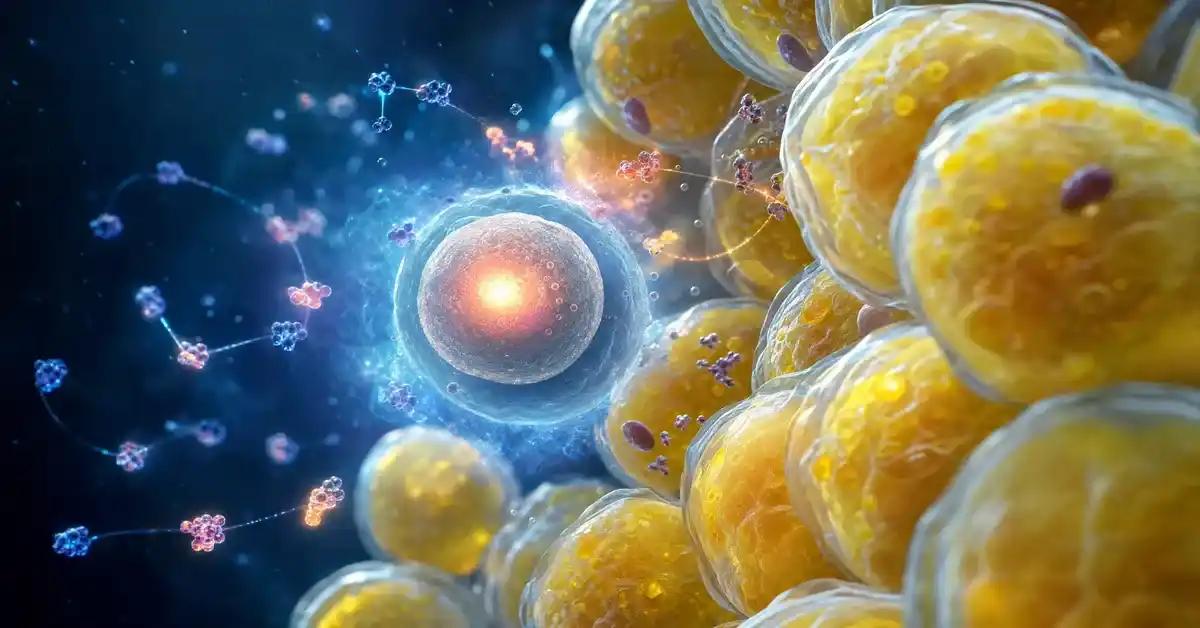
The impact of obesity and fertility is manifested through deep physiological changes within the body. Adipose tissue is not merely a passive energy store; it acts as an active endocrine organ that secretes hormones and chemicals affecting reproductive organs. These secretions lead to a state of chronic low-grade inflammation and insulin resistance, which significantly hinder the natural processes required for successful fertilization and embryo implantation.
Can Excess Weight Prevent Pregnancy?
Many couples wonder: does obesity affect fertility to the point of preventing pregnancy? The reality is that while obesity itself may not absolutely prevent pregnancy in all cases, it drastically reduces the probability and increases the time required to conceive. Women struggling with severe obesity face greater difficulties in achieving natural conception compared to women with a healthy weight, and they also experience lower success rates with assisted reproductive technologies such as IVF and ICSI.
Delayed Conception Linked to High BMI
The connection between obesity and delayed pregnancy is a common clinical observation. Hormonal imbalances caused by fat accumulation lead to irregular menstrual cycles and anovulation, making it extremely difficult to identify the fertile window. Furthermore, can obesity cause infertility? Yes, by negatively impacting egg quality and the uterine environment, reducing the chances of forming a healthy embryo capable of sustained growth.
The Repercussions of Obesity on Fertility in Both Genders
The negative impact of obesity is not limited to women; it equally affects men, making it a shared challenge that requires a comprehensive evaluation of both partners.
The Effect of Excess Weight on Female Reproductive Capacity
The link between obesity and infertility in women involves multiple mechanisms, most notably the disruption of the hypothalamic-pituitary-ovarian axis that controls the menstrual cycle. Increased adipose tissue leads to the excessive conversion of androgens into estrogen, sending incorrect signals to the brain and inhibiting the release of ovulation-stimulating hormones. Additionally, obesity negatively affects the endometrial lining, reducing its receptivity for embryo implantation.
Consequences of Obesity on Male Fertility
On the other hand, studies show a strong correlation between obesity and infertility in men. Men struggling with obesity often record lower levels of testosterone and higher levels of estrogen. This hormonal imbalance directly impairs the process of spermatogenesis, leading to a decline in the quality and fertilizing capacity of the sperm.
How Does Increased Weight Affect Semen Quality?
The impact of obesity and sperm quality is evident through several vital indicators. A decrease in sperm count, poor motility, and an increase in morphological abnormalities are frequently observed in obese men. Moreover, obesity increases oxidative stress and DNA fragmentation within the sperm cells, which not only reduces the chances of successful fertilization but also increases the likelihood of early miscarriage.
The Interaction Between Body Mass and Hormonal Balance
Hormonal balance is the cornerstone of reproductive health, and body mass plays a pivotal role in either maintaining or disrupting this delicate equilibrium.
The Physiological Link Between Weight and Reproductive Ability
The relationship between hormones and obesity for fertility is clear through the active role of fat tissue in producing and regulating hormones. A healthy weight ensures the secretion of reproductive hormones at normal levels and precise timings, whereas excessive weight gain scrambles these hormonal signals, disrupting the vital processes necessary for producing healthy eggs and sperm.
Hormonal Disruption Caused by Fat Accumulation
The cycle of hormones and obesity fertility issues is a vicious one. Increased fat leads to elevated insulin levels in the blood (insulin resistance), which in turn stimulates the ovaries to produce excessive amounts of male hormones (androgens). This spike in androgens hinders the normal development of ovarian follicles and prevents the release of a mature egg.
How Does Fat Impede Normal Ovulation?
The fat impact on fertility is particularly prominent in how it affects ovulation. It induces a state of systemic low-grade inflammation that impairs ovarian function. Furthermore, elevated levels of leptin (a hormone secreted by fat cells) in obese women can interfere with the hormonal signals essential for triggering ovulation, leading to obesity and ovulation problems, characterized by irregular menstrual cycles or complete anovulation.

The Link Between Excess Weight and Polycystic Ovary Syndrome
Polycystic Ovary Syndrome (PCOS) is one of the most common endocrine disorders among women of reproductive age, and it is closely intertwined with excess weight.
The Mutual Relationship Between Obesity and PCOS
The connection between obesity and PCOS fertility is complex; obesity exacerbates PCOS symptoms, and simultaneously, the syndrome makes weight loss significantly more challenging. A large percentage of women diagnosed with PCOS struggle with overweight or obesity, which intensifies insulin resistance and the hormonal imbalances that obstruct fertility.
Factors Leading to Delayed Conception in Obesity Cases
The causes of infertility of obesity are multifaceted, including the absence of regular ovulation, poor egg quality, and an altered uterine environment that becomes less conducive to embryo implantation. Additionally, a poor response to ovulation-inducing medications is a common challenge faced by obese women undergoing fertility treatments, further contributing to obesity and delayed pregnancy.
The Impact of Fat Mass on Ovarian Efficiency
The detrimental effect of obesity on ovarian function is glaringly obvious in PCOS cases, where high levels of insulin and androgens prevent follicles from fully maturing and releasing an egg. Instead, these immature follicles accumulate in the ovary, forming small cyst-like structures, which halts the ovulation process and delays conception.
The Role of Weight Reduction in Enhancing Conception Chances
Intervening to reduce weight is the first and most critical step in the treatment pathway for obesity-related infertility, yielding tangible positive results.
Does Shedding Kilograms Contribute to Achieving Pregnancy?
Addressing the question of weight loss and fertility, medical studies confirm that losing just 5% to 10% of initial body weight can bring about a radical improvement in reproductive functions. This moderate weight reduction is often sufficient to restore menstrual cycle regularity, improve the body's insulin sensitivity, and resume natural ovulation in many women.
Restoring Fertility After Eliminating Excess Weight
The ability to improve fertility after weight loss is remarkable in both genders. For women, the chances of natural conception increase, and the success rates of assisted reproductive technologies improve significantly. For men, weight loss contributes to elevating testosterone levels, enhancing sperm quality, and reducing the percentage of abnormalities, thereby boosting overall reproductive capacity.
Reaching the Appropriate Body Mass for Reproduction
Achieving the ideal weight for pregnancy is a strategic goal before initiating any medical fertility treatments. It is highly recommended that the Body Mass Index (BMI) falls within the normal range (18.5 - 24.9) to ensure the best physiological environment for conception and a safe pregnancy. Reaching this weight requires a commitment to a healthy lifestyle that combines proper nutrition with regular physical activity.
Therapeutic Options for Overcoming Weight-Related Infertility
Managing fertility issues stemming from obesity requires an integrated medical approach that combines lifestyle modifications with specialized therapeutic interventions.
Strategies for Managing Obesity to Raise Fertility Rates
The process of treating obesity for fertility begins with structured weight loss programs under medical supervision. This may involve consulting nutritionists to design customized dietary plans and exercise routines suited to the individual's health status. In cases of morbid obesity (BMI gt; 35) where traditional attempts have failed, surgical interventions (bariatric surgery) might be considered as a definitive solution to improve both general and reproductive health.
Medical Protocols for Infertility Cases Associated with Obesity
Medical treatment options for obesity-related infertility often include the use of ovulation-inducing medications, such as Clomiphene or Letrozole, frequently combined with insulin-sensitizing drugs like Metformin, especially in PCOS patients. It is important to note that obese women may require higher doses of stimulating medications, and their response requires careful medical monitoring to avoid complications.
Dietary Patterns Supporting Reproductive Health
Lifestyle changes, particularly dietary adjustments, play a crucial role in improving the quality of eggs and sperm. It is recommended to follow diets rich in antioxidants, fiber, plant-based proteins, and healthy fats (like Omega-3), while limiting refined sugars and trans fats. The Mediterranean diet is considered one of the best nutritional choices proven effective in supporting fertility and reducing obesity-related inflammation.
The Health Consequences of Obesity During Pregnancy
The impact of obesity does not end once conception occurs; it extends to pose additional health challenges for both the mother and the fetus throughout the pregnancy.
Health Challenges Facing the Overweight Pregnant Woman
The risks of obesity during pregnancy are numerous, classifying pregnancies in morbidly obese women as "high-risk." There is an increased likelihood of spontaneous miscarriage in the first trimester, and rates of premature birth are higher. This type of pregnancy requires intensive and precise medical monitoring to ensure the safety of the mother and fetus and to prevent potential complications.
The Impact of Weight on Male Sexual Function
It is worth noting that obesity and erectile dysfunction are closely linked, adding another hurdle to achieving natural conception. Obesity leads to atherosclerosis and poor blood flow to the genital organs, in addition to hormonal imbalance and low testosterone, which negatively affects male sexual performance and reduces the chances of successful intercourse during fertile windows.
Potential Health Problems for Mother and Fetus
Pregnancy complications due to obesity include an increased risk of developing gestational diabetes, pregnancy-induced hypertension, and preeclampsia. Obesity also increases the likelihood of delivering a macrosomic (overweight) baby, which complicates natural childbirth and increases the need for a Cesarean section, a procedure that carries higher surgical risks for obese women.
Conclusion
Recognizing the impact of excess weight on reproductive health is the first step toward achieving the dream of parenthood. Despite the challenges obesity poses to fertility, proper medical intervention and lifestyle modifications can bring about a radical change in conception chances. At Fertiliv ICSI Center, we fully understand these challenges and offer comprehensive, customized treatment programs that address the root causes of delayed conception, supported by the latest medical technologies to ensure the highest success rates. Contact the fertility experts at Fertiliv ICSI Center to evaluate your case and begin a safe therapeutic journey toward achieving your dream of having a child.
Frequently Asked Questions: How Obesity Affects Fertility
Can a natural pregnancy occur with severe obesity?
Yes, natural pregnancy can occur with obesity, but it may take longer and the chances are lower compared to women with a healthy weight. Obesity affects ovulation regularity and egg quality, reducing the likelihood of fertilization. It is always recommended to attempt weight loss, even by a small percentage (5-10%), to improve the chances of natural conception and reduce the risks of complications during pregnancy.
How long does it take for fertility to improve after weight loss?
The time required for fertility to improve varies from person to person, but positive indicators often begin to appear after losing 5% to 10% of the initial weight. A woman may notice regular menstrual cycles and the return of natural ovulation within a few months of maintaining the new weight. For men, improving sperm quality may take about 3 months, which is the natural regeneration cycle for sperm.
Does obesity affect the success of ICSI procedures?
Yes, obesity significantly affects the success rates of assisted reproductive technologies like ICSI. Obese women may require higher doses of stimulating medications and may produce fewer mature eggs. Furthermore, embryo quality and implantation rates in the uterus may be lower, reducing the chances of a successful treatment cycle compared to women with a normal weight.
What is the best diet to improve fertility for obese patients?
There is no single magic diet, but the Mediterranean diet is considered one of the best scientifically supported options. This diet relies on consuming vegetables, fruits, whole grains, plant proteins, and healthy fats like olive oil and nuts, while reducing red meat and refined sugars. This dietary pattern helps reduce inflammation, improve insulin sensitivity, and support egg and sperm quality.
Is bariatric surgery considered a safe solution before considering pregnancy?
Bariatric surgeries (such as gastric sleeve or bypass) are considered an effective option for women suffering from morbid obesity who have not succeeded in losing weight through traditional methods. However, it is medically advised to postpone pregnancy for 12 to 18 months after the surgery. This period is necessary to stabilize weight and ensure the body receives adequate nutrition and vitamins required for the healthy and safe growth of the fetus.