How to Choose Fetal Gender in ICSI: Step by Step

Manar Hegazy

Majd Eddin Khaled
Intracytoplasmic sperm injection (ICSI) is considered one of the most advanced and effective methods in treating infertility and low fertility, but in some specific medical cases it is also used to determine or choose fetal gender, especially when there is a clear medical or genetic need. But what is the legitimacy of this medical procedure? And can any couple choose fetal gender according to personal preference only? In this comprehensive article, we will explain in detail how to choose fetal gender during ICSI, and what are the precise medical steps and conditions that must actually be met to use this technique in this specific way.
Can Fetal Gender Be Chosen Using ICSI Technique?
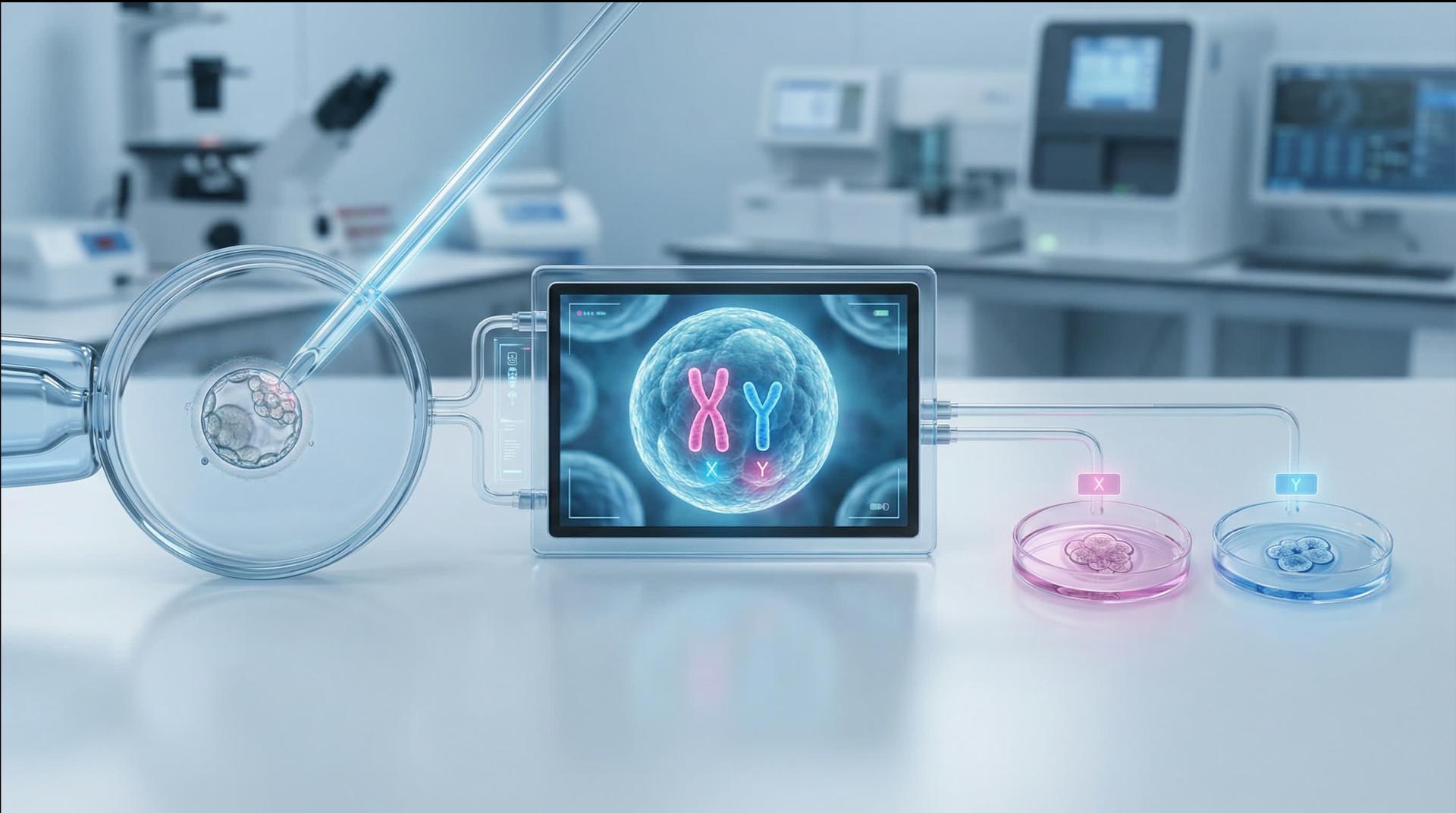
Generally, ICSI technique is not used routinely for the purpose of choosing a specific gender from embryos, except in very specific and documented medical cases. This is done by combining ICSI with genetic testing of embryos PGT-A or PGT-M, not as a routine ordinary procedure. This combination of the two techniques allows determining fetal gender with very high accuracy before transferring it to the uterus.
Types of Genetic Testing Related to Gender Determination
There are two main types of genetic testing that can be used to determine fetal gender. The first is PGT-A, which is comprehensive chromosomal abnormality testing, including sex chromosomes (XX for females and XY for males). The second is PGT-M, which is targeted testing to avoid sex-linked hereditary diseases such as hemophilia or Duchenne muscular dystrophy, which primarily affects males.
Steps to Choose Fetal Gender During ICSI in Detail
The process of choosing fetal gender in ICSI requires several precise and organized medical steps:
Step One: Initial Assessment by Fertility Specialist
Comprehensive and detailed examinations are performed for both partners, with special focus on the presence of sex-linked hereditary diseases or history of repeated miscarriage. Family medical history is also carefully taken to determine whether there is an actual medical need to choose a specific gender.
Step Two: Egg and Sperm Collection
Eggs are extracted after careful ovarian stimulation with very high precision, then sperm is obtained from the husband if necessary. The quality of eggs and sperm is ensured before starting the fertilization process.
Step Three: Egg Fertilization Using ICSI Technique
Each egg is injected with a single sperm with very high precision using advanced tools under a microscope, then embryo development begins inside the incubator under continuous and careful monitoring. Embryo division and development are monitored daily.
Step Four: During Embryo Development – Taking Biopsy for Genetic Analysis
After embryos develop on day five or six (when they reach the blastocyst stage), a very small biopsy is taken from the outer layer of the embryo with very high precision. The extracted cells are then analyzed to determine the complete number of chromosomes, including sex chromosomes XX for females and XY for males.
Step Five: Selecting Embryos Based on Genetic Results
If there is a medical reason to avoid pregnancy with a male or female fetus, the medical team selects only appropriate embryos based on genetic results. The embryo is transferred or frozen for a later cycle depending on uterine condition and medical circumstances.
Can I Use This Technique Just Because I Want a Specific Type of Child?
No, not generally and not legally in most countries. Most Arab and Islamic countries strictly prohibit using genetic testing of embryos to choose gender without a clear and documented medical reason. However, in Western countries, it may be allowed in some cases, but it remains highly controversial ethically and continues to be debated.
Ethical and Religious Reasons
Choosing fetal gender without medical reason is considered unethical interference with human nature and violates Islamic and Arab principles. Additionally, it may lead to serious demographic imbalance in society. Therefore, most countries and medical clinics are committed to applying strict ethical standards.
Conditions for Using Genetic Testing to Choose Fetal Gender
There are very specific conditions that must all be present to use this technique:
First Condition: Presence of Sex-Linked Hereditary Disease
There must be a real sex-linked hereditary disease such as X-chromosome-linked diseases like hemophilia or Duchenne muscular dystrophy. There must be clear medical documentation of this disease.
Second Condition: Medical and Ethical Approval
Medical and ethical approval must be obtained through specialized medical ethics committees in large clinics and accredited medical centers. These committees review each case individually and ensure conditions are met.
Third Condition: No Conflict with Local Regulations
It must be ensured that there are no local regulations prohibiting this procedure, as in some countries it is considered completely illegal. Legal authorities should be consulted before proceeding.
Fourth Condition: Availability of Sufficient Embryos for Selection
There must be a sufficient number of available embryos to choose from to avoid excluding all embryos. If all embryos are of one gender, there may be no option available.
Conclusion and Key Points
Choosing fetal gender during ICSI is not a routine or ordinary procedure, but rather a very limited medical option used only in very special cases, requiring very careful assessment and strict medical and ethical approval. At Fertiliv IVF Center, we believe that the primary and only goal of ICSI is to achieve pregnancy with complete health and safety, not to prefer one gender over another or to fulfill personal desires. We provide you and your partner with comprehensive and deep consultation on available medical options, with full respect for ethical, religious, and family values and principles. You can contact us now to learn more about genetic testing of embryos, or visit the clinic directly for comprehensive and accurate consultation.
Frequently Asked Questions About Gender Selection in ICSI
Yes, genetic testing is completely safe for the embryo when performed by specialists. The biopsy taken is very small and does not affect the embryo's ability to grow.
The accuracy rate of fetal gender determination is very high and reaches 99% or more when using genetic testing.
In Arab countries, this is allowed only in specific and documented medical cases, not for personal preference alone.
The most famous are hemophilia, Duchenne muscular dystrophy, night blindness, and cystic fibrosis in some cases.

Comments (0)
There's no more comments