
How Do Egg and Sperm Quality Affect ICSI Results?

Manar Hegazy

Majd Eddin Khaled
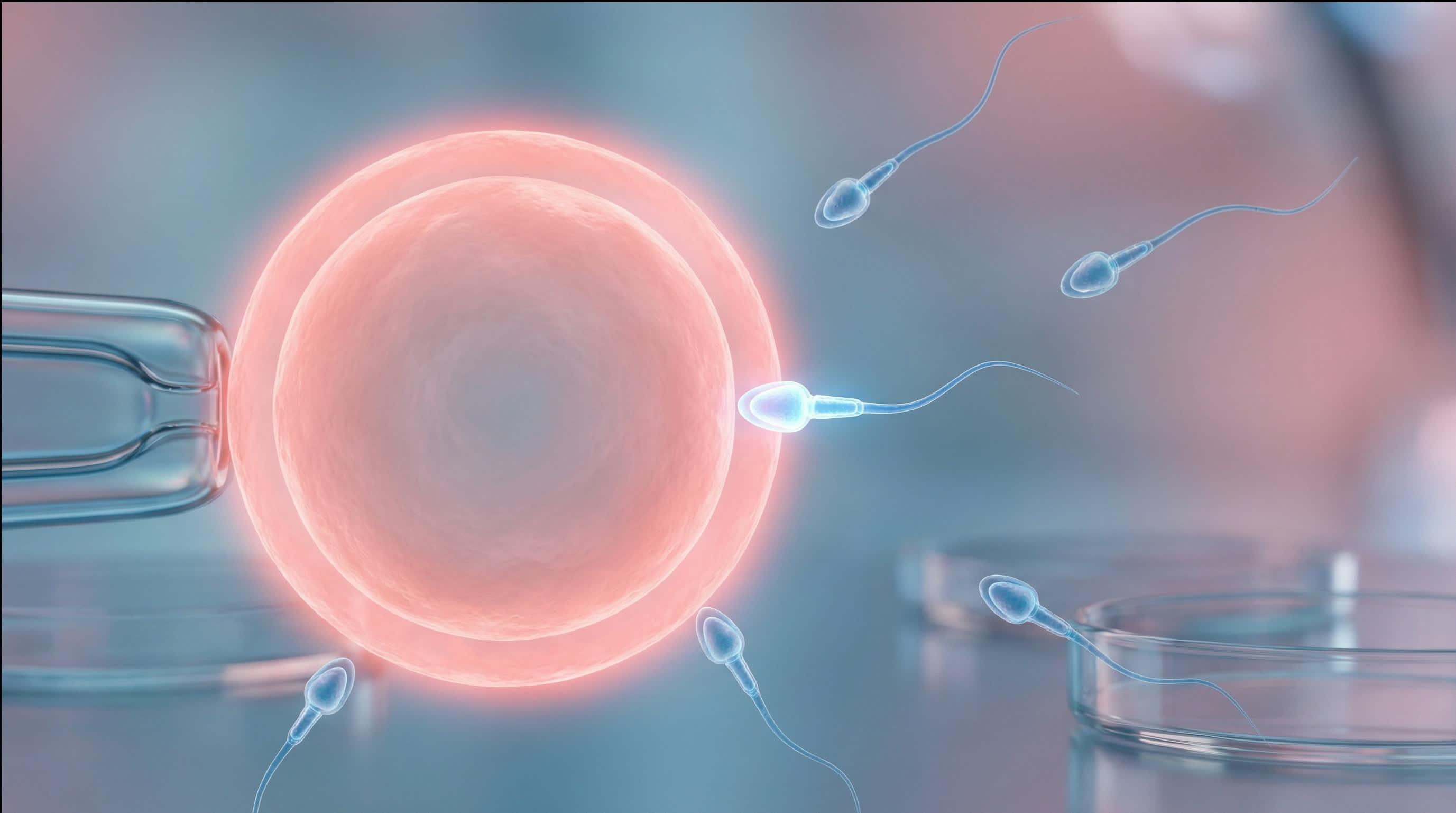
Intracytoplasmic sperm injection (ICSI) is considered one of the most prominent and important modern medical advances in the field of fertility and IVF treatment. This advanced technique is used primarily to help couples suffering from severe male factor infertility, where a single sperm is injected directly into an egg using precise tools under a microscope. However, despite the precision and significant advancement of the procedure, the quality of eggs and sperm remains a critical and fundamental factor in determining the chances of successful treatment. In this comprehensive article, we will review in detail how the quality of both eggs and sperm affects ICSI results, while highlighting the influencing factors and practical tips to improve outcomes significantly.
What Is ICSI Technique in Detail?
ICSI is one of the modern and advanced methods of IVF, and it differs significantly from conventional IVF, where the sperm is not left to fertilize the egg naturally and spontaneously, but rather a single sperm is carefully selected and injected directly into the egg using a very fine microscopic needle. This procedure requires very high skill and extensive experience from the specialized doctor.
The Difference Between ICSI and Conventional IVF
In conventional IVF, eggs and sperm are placed together in a special dish and left for natural fertilization. However, in ICSI, a single sperm is injected directly into the egg, which allows egg fertilization even when there are very few sperm or even with severe motility problems.
When Is ICSI Recommended?
There are several specific medical cases where ICSI is strongly recommended:
Cases of Low Male Factor Fertility
- Significantly low sperm count
- Poor sperm motility
- Severe abnormalities in sperm shape
- Failed fertilization in previous IVF attempts
- Use of sperm extracted from the testicles using TESE procedure
How Does Egg Quality Directly Affect ICSI Results?
Although ICSI relies on direct injection of sperm into the egg, the quality of the egg itself remains a fundamental and critical factor in successful fertilization and proper embryo development.
Egg Maturity and Its Vital Importance
The egg must be at the second maturation stage (MII) to be capable of proper fertilization. If eggs are not sufficiently mature, they may not respond to fertilization or may fail to divide later, leading to complete treatment failure.
Cytoplasm Quality and Vital Role
Cytoplasm is the biological medium directly responsible for nourishing the egg and supporting the fertilization process completely. Any defect or problem in it can lead to failed fertilization or irregular embryo division, significantly reducing success chances.
External Egg Shape and Indicators
Some eggs may show external shape abnormalities such as unclear halo or abnormal polar body or dark or very dense cytoplasm. These external abnormalities may strongly indicate decreased quality and ability to fertilize and develop properly.
Woman's Biological Age and Direct Impact
With advancing age, the proportion of high-quality eggs decreases noticeably. Women over 35-40 may be much more likely to have eggs with abnormal chromosomes, which significantly reduces pregnancy chances or leads to repeated miscarriage.
How Does Sperm Quality Affect ICSI Results?
Although ICSI allows egg fertilization even with very few sperm, the quality of the sperm itself plays a large and critical role in successful fertilization and proper embryo development.
Sperm Motility and Vital Importance
Naturally and properly moving sperm is usually much healthier and more likely to transmit healthy genetic information. However, in ICSI cases, immotile sperm can be used (such as extracted from the testicle), but this may negatively affect results.
Sperm Shape and Disease Indicators
Normal sperm has a regular head and long healthy tail. Head abnormalities may strongly indicate DNA problems, leading to failed fertilization or embryo growth arrest or significantly increased miscarriage risk.
Sperm DNA and Ultimate Importance
DNA damage in sperm, even if it appears visually completely normal, can lead to significantly reduced fertilization rates or failed implantation or early miscarriage. Therefore, sperm DNA damage analysis is sometimes recommended before resorting to ICSI.
Sperm Source and Quality
Natural seminal fluid is considered the best source of sperm. However, seminal fluid extracted from the epididymis or testicle using TESE/PESA techniques is generally lower quality, but can be used in cases of absent sperm in natural fluid.
Can Egg and Sperm Quality Be Improved Before ICSI?
Yes, there are practical and very effective steps that both partners can take to improve egg and sperm quality and thus significantly increase success chances.
Tips to Improve Egg Quality for Women
- Follow a healthy diet rich in antioxidants and vitamins
- Take supplements such as CoQ10, Vitamin D, and Omega-3
- Quit smoking and harmful drinks permanently
- Reduce psychological stress and daily pressures
- Avoid exposure to harmful chemicals and toxins
- Maintain healthy and ideal weight
- Exercise regularly and moderately
Tips to Improve Sperm Quality for Men
- Avoid exposure to high heat (such as very hot showers and keeping phone in pocket)
- Quit smoking, drugs, and harmful drinks permanently
- Take supplements such as L-Carnitine, Zinc, Selenium, and CoQ10
- Exercise regularly and consistently
- Avoid obesity and maintain healthy weight
- Reduce stress and psychological pressures
- Get adequate sleep and good sleep quality
Conclusion and Key Points
Despite the significant and notable advancement in ICSI technology, egg and sperm quality remain the fundamental and decisive factors that directly determine success chances. Even with the best medical interventions and advanced techniques, natural biological quality limits cannot be exceeded. At Fertiliv IVF Center, we believe that true success begins with careful and comprehensive assessment of both partners' health status, and providing customized and effective guidance to improve egg and sperm quality before starting treatment. You can contact us now to learn more about how to prepare for ICSI treatment or visit the clinic directly for comprehensive and accurate consultation.
Frequently Asked Questions About Egg and Sperm Quality and ICSI
Yes, egg quality can be assessed through direct microscopic examination, where the doctor observes its shape, surrounding halo, and cytoplasm.
Usually, improving sperm quality takes about 3-4 months, as the sperm production cycle takes approximately this time.
No, age affects the quality of both eggs and sperm, but the effect is more noticeable on egg quality.
ICSI can be used with low-quality eggs, but success chances are much lower compared to high-quality eggs.