
Hormonal Imbalance and Its Impact on Male Fertility: A Comprehensive Guide

Manar Hegazy

Majd Eddin Khaled
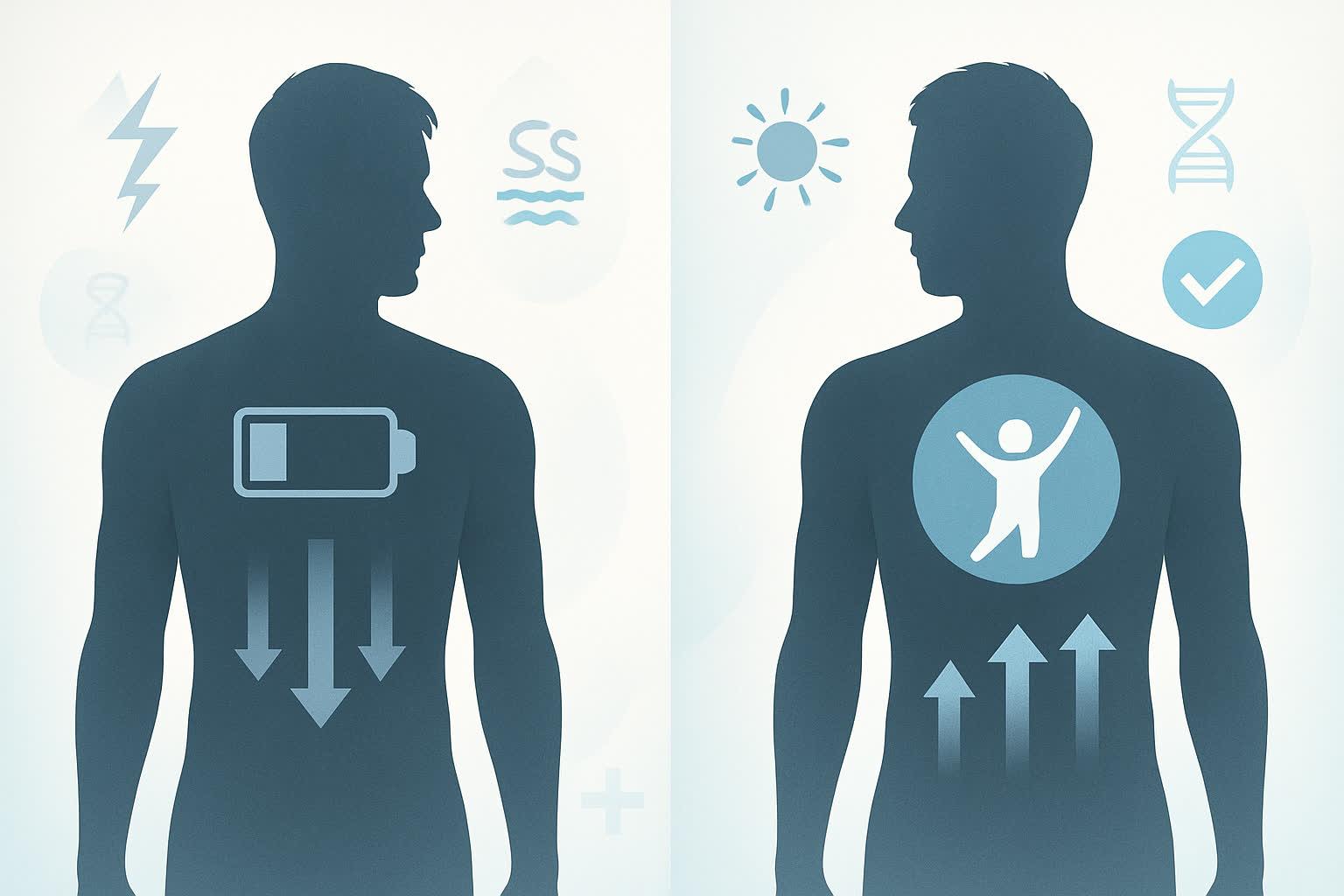
Hormones are the body's chemical messengers, controlling every aspect of male reproductive health. When hormones are balanced, everything works smoothly. But when an imbalance occurs, serious fertility problems may develop. At Fertiliv IVF Center, we see daily how hormonal disorders affect men's ability to conceive. This article provides a comprehensive guide on hormonal disorders, their causes, symptoms, their impact on fertility, and how to treat them. Understanding this information may be the first step toward restoring hope and fertility.
What Is Hormonal Disorder in Men?
Hormonal disorder means that hormone levels in the body are not balanced. Some hormone levels may be too high, while other hormone levels may be too low. This imbalance can affect all aspects of health, including fertility and the ability to conceive.
Understanding the Role of Hormones as a Basic Regulator of Male Health
Hormones are chemical substances produced by the body that control different functions. Hormones control growth, development, metabolism, reproduction, mood, and many other functions. Without balanced hormones, the body cannot function properly.
For fertility, hormones play a crucial role. Hormones control sperm production, sexual desire, and sexual performance. When hormones are balanced, all these functions work naturally. But when an imbalance occurs, fertility problems may develop.
Common Causes of Hormonal Imbalance
There are several causes of hormonal imbalance in men. Some of these causes are genetic, some are related to lifestyle, and some are related to other diseases. Common causes include: obesity and excess weight, chronic stress and tension, chronic diseases such as diabetes, medications that may affect hormones, and advanced age.
Some causes may be related to problems in the endocrine glands themselves. For example, there may be a problem in the pituitary gland, thyroid gland, or testicles. These causes may require precise diagnosis and specialized treatment.
The Most Important Hormones Affecting Male Fertility
There are several hormones that play crucial roles in male fertility. Understanding these hormones is very important for understanding how hormonal disorder can affect fertility.
The Fertility Trinity: Testosterone, FSH, and LH
Testosterone is the primary hormone for masculinity and fertility. This hormone is produced in the testicles and controls sperm production, sexual desire, and sexual performance. Low testosterone levels can cause a decrease in sperm count and quality.
FSH (Follicle-Stimulating Hormone) and LH (Luteinizing Hormone) are two hormones produced in the pituitary gland. These hormones control testosterone production and sperm production. When FSH and LH levels are too low, the testicles may not produce enough sperm or testosterone.
These three hormones work together in a complex system. If any of them is imbalanced, it may affect the other two. Contact the Fertiliv team to better understand your hormone levels.
Other Important Hormones: Prolactin (Milk Hormone) and Estradiol
Prolactin is a hormone produced in the pituitary gland. Although this hormone is usually associated with women and breastfeeding, it is also present in men in small amounts. Elevated prolactin levels in men may cause fertility problems and sexual performance problems.
Estradiol is a female hormone, but it is also present in men in small amounts. Elevated estradiol levels in men may cause hormonal imbalance problems. This may affect testosterone production and sperm production.
How Does Hormonal Disorder Affect the Ability to Conceive?
Hormonal disorder can affect fertility in different ways. Understanding these effects is important for understanding how treatment can help.
The Direct Impact on Sperm Count and Motility
Hormones directly control sperm production. When testosterone and FSH levels are low, sperm numbers may decrease significantly. In some cases, the testicles may not produce any sperm at all.
In addition to sperm count, hormones also affect their motility. Healthy sperm must be able to move quickly and in a specific direction. Hormonal disorder may cause a decrease in sperm motility, making it difficult for sperm to reach the egg.
The Impact on Sexual Desire and Sexual Performance
Testosterone is the hormone responsible for sexual desire in men. Low testosterone levels can cause a decrease in sexual desire. This may make it difficult for a man to desire sexual intercourse.
Additionally, hormonal disorder may cause sexual performance problems. Problems such as erectile dysfunction or ejaculation problems may be the result of hormonal disorder. These problems may make natural conception impossible.
Symptoms Indicating Hormonal Disorder
There are several symptoms that may indicate hormonal disorder. Knowing these symptoms may help you seek medical help at the right time.
Physical and Psychological Signs to Watch For
Physical signs of hormonal disorder may include: decreased sexual desire, erectile dysfunction problems, changes in body hair distribution, breast enlargement, weight changes without obvious reason, persistent fatigue, and mood changes.
Psychological signs may include: depression and anxiety, mood swings, difficulty concentrating, and decreased self-confidence. These symptoms may be related to hormonal disorder and may require medical evaluation.
When Should You Consult a Doctor?
If you notice any of the symptoms mentioned above, you should consult a doctor. Additionally, if you have been trying to conceive for a year or more without success, you should seek comprehensive medical evaluation that includes hormone testing.
Do not hesitate to seek help. Early diagnosis and proper treatment may significantly improve chances of conception. Contact Fertiliv clinic to schedule a consultation with a specialist.
Diagnosis and Treatment of Hormonal Disorders
Accurate diagnosis and proper treatment are the keys to success in dealing with hormonal disorder and returning to natural fertility.
The Importance of Blood Tests and How to Understand Results
Blood tests are the basic method for diagnosing hormonal disorders. Blood tests should be done in the early morning, because hormone levels vary throughout the day. The test should include measuring testosterone, FSH, LH, prolactin, and estradiol levels.
Understanding test results is very important. Normal levels vary from person to person, but there are general ranges considered normal. If any hormone level is outside this range, there may be a hormonal disorder. Your doctor will help you understand the results and take appropriate steps.
Available Treatment Options: From Medications to Lifestyle Changes
Treatment options depend on the type of hormonal disorder and the cause of the disorder. In some cases, medication may be the solution. There are different medications that can help correct hormone levels. For example, medications may be prescribed to increase testosterone or FSH levels.
In other cases, lifestyle changes may be sufficient. Weight loss, exercise, improved diet, and stress reduction can all help improve hormone levels. In some cases, a combination of medications and lifestyle changes may be needed.
Hormonal disorder is a common cause of male infertility, but it is treatable. Understanding hormones and their role in fertility is the first step toward solving the problem. Early diagnosis and proper treatment can significantly improve chances of conception.
If you suspect you have a hormonal disorder, do not hesitate to seek medical help. Hormone testing is simple and painless. The results may give you clear answers and an effective treatment plan. At Fertiliv IVF Center, we have the expertise and resources to diagnose and treat hormonal disorders.
If you suffer from hormonal disorder affecting your fertility, contact the Fertiliv team via WhatsApp for specialized consultation and a personalized treatment plan for your condition.