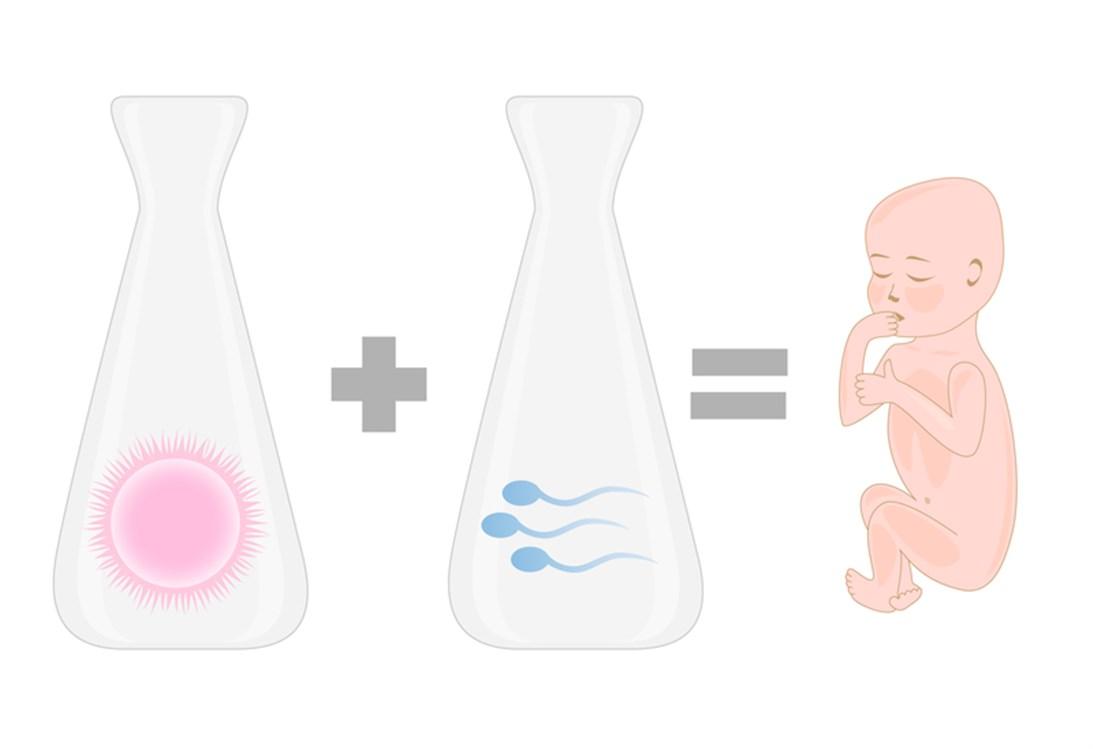
Nutrition and Its Role in Supporting the Success of In Vitro Fertilization (IVF) Process

Manar Hegazy

Majd Eddin Khaled
Proper nutrition is one of the fundamental factors that can influence the success of the in vitro fertilization (IVF) process. Various nutrients play a critical role in preparing the body for this delicate procedure and improving the reproductive health of couples seeking to conceive. In this article, we will explore how a balanced, nutrient-rich diet can support the IVF process and increase the chances of success.
The Importance of Nutrition in the IVF Process
Nutrition plays a pivotal role in enhancing fertility in both women and men. Essential nutrients help improve the quality of eggs and sperm, enhance the health of the uterine lining, and support a successful pregnancy once it occurs. Good nutrition helps maintain a healthy weight, which is an important factor in achieving the hormonal balance necessary for successful IVF.
Important Nutrients
Vitamins and Minerals
- Folic Acid: This is an essential vitamin for women planning to conceive, as it helps prevent birth defects and enhances egg health.
- Zinc: It aids in improving sperm quality and has a positive impact on men's reproductive health.
- Iron: Supports the transportation of oxygen to all cells in the body, including the reproductive system.
Healthy Fats
- Omega-3 Fatty Acids: Found in fatty fish like salmon and mackerel, they help improve egg quality and reduce inflammation.
- Proteins: Consuming good sources of protein such as poultry, fish, and legumes can support healthy cell building and reproductive organ development.
Recommended Foods
- Fruits and Vegetables: Fresh vegetables and fruits are rich in antioxidants that protect cells from damage and promote overall body health.
- Whole Grains: Foods like oats and brown rice contain a high amount of fiber, which helps maintain blood sugar levels and regulate hormones.
- Low-Fat Dairy Products: They play a role in promoting the hormone levels necessary for successful IVF.
Foods to Avoid
- Processed Foods and Sugars: Industrial foods and added sugars can negatively affect hormonal balance and weight gain, reducing success chances.
- Caffeine and Alcohol: Consuming large amounts of caffeine and alcohol can adversely affect fertility and sperm quality.
General Nutritional Tips
- Consume balanced meals that include a wide range of vitamins and minerals.
- Drink enough water to keep the body hydrated.
- Take dietary supplements as recommended by a doctor to compensate for any deficiencies in essential nutrients.
Proper nutrition plays a crucial role in enhancing the chances of a successful IVF process. By paying good attention to diet and avoiding harmful eating habits, couples can improve their general health and increase the likelihood of achieving their dream of parenthood. As a final step, it is always important to consult a nutritionist or doctor for personalized dietary recommendations based on your individual needs.

Comments (0)
There's no more comments